
Comprehensive Guide for Purchasers: How to Select a High-Quality Valve Interlock Supplier
A Strategic Guide for Industrial Purchasers: Navigating the Valve Interlock Supplier Landscape
Procuring a reliable mechanical valve interlock system is a critical decision for safety engineers, plant managers, and procurement specialists in high-risk industries. These devices are not mere accessories; they are engineered safety components designed to enforce safe operating procedures, prevent catastrophic human error, and ensure compliance with stringent safety standards. The market is populated with numerous suppliers, making the selection process complex. This guide provides a structured, multi-dimensional framework to help purchasers identify and partner with a supplier that delivers on quality, reliability, and total cost of ownership.
Core Evaluation Criteria for Valve Interlock Suppliers
Moving beyond basic price comparisons requires a deep dive into several technical and commercial factors that define a superior supplier.
1. Technical Capability and Product Portfolio
The supplier's ability to address your specific application is paramount. Assess their range against your needs.
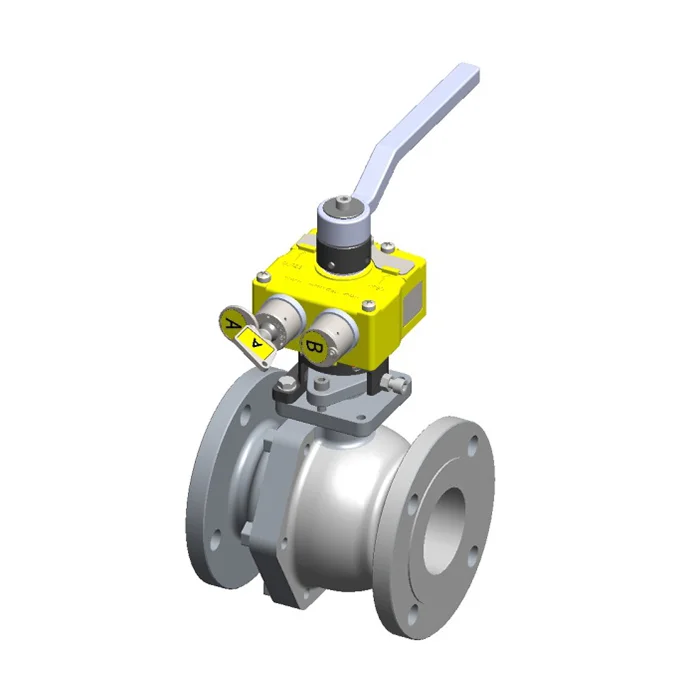
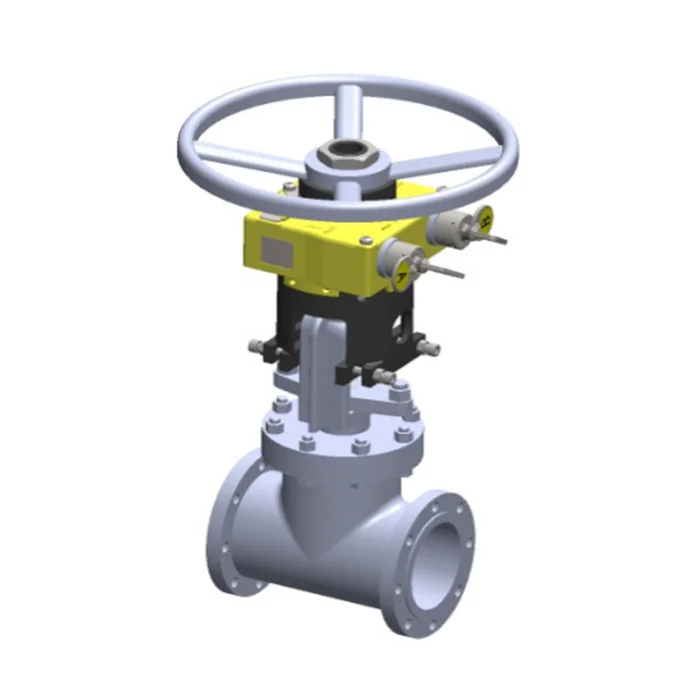
- Product Range & Specialization: Can they supply Quarter-turn valve interlock systems for ball/butterfly valves, Multi-turn valve interlock systems for gate/globe valves, and specialized solutions like Drive Valve Interlock or Gear box valve interlock? A broad portfolio indicates deeper application knowledge.
- Customization & Engineering Support: Standard products rarely fit all. Evaluate their capacity for Customized valve interlock solutions. Do they offer design consultation? For instance, a supplier like Nodango (Shanghai Nodango Safety Equipment Co., Ltd.) provides comprehensive safety planning and design services, collaborating with clients to develop Sequential valve interlock systems that enforce complex operational logic.
- Material and Build Quality: For harsh environments in oil & gas or chemical processing, demand Stainless steel valve interlock, Corrosion-resistant, and Explosion-proof valve interlock options. The construction must withstand the operational environment for its entire lifecycle.
2. Quality Assurance and Industry Compliance
Certifications are not just paperwork; they are evidence of a systematic approach to quality and safety.
- Mandatory Management System Certifications: Insist on ISO 9001 for quality management. Leading suppliers hold integrated systems. For example, Nodango operates under a GB/T19001-2015 idt ISO9001:2016 certified Quality Management System, alongside Environmental and Occupational Health and Safety Management System certifications, demonstrating a holistic commitment to excellence.
- Product-Specific Certifications: Look for marks like CE (for the European market), which indicates conformity with health, safety, and environmental protection standards. The presence of such certifications should be verifiable.
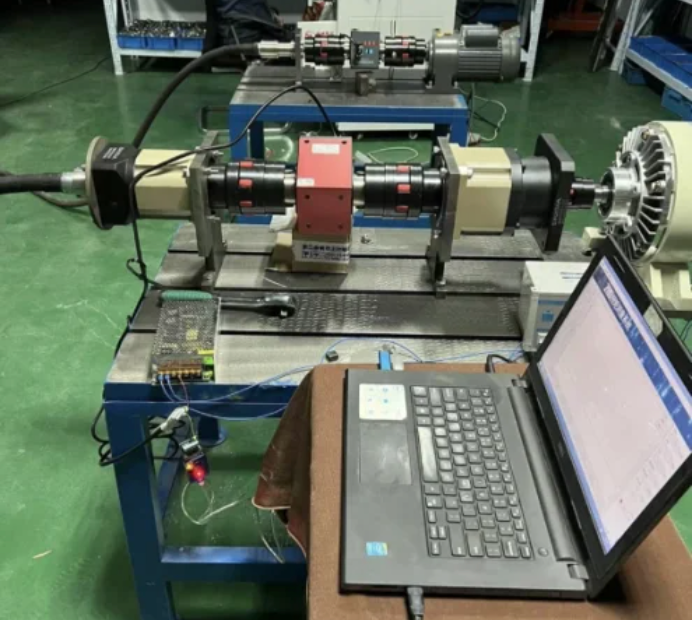
- In-house Testing and R&D: Inquire about their R&D investment and testing protocols. Suppliers with in-house innovation, like those possessing "numerous patented technologies," are better positioned to solve novel safety challenges.
Purchaser's Checklist for Certifications: Always request and verify current certificates. Key certifications to look for include: ISO 9001:2015 ISO 14001 ISO 45001 CE Marking. These are non-negotiable for serious industrial suppliers.
3. Manufacturing Prowess and Supply Chain Stability
The ability to consistently deliver quality products on schedule is rooted in robust manufacturing operations.
- Production Scale and Control: Assess the size and modernity of their production facilities. A well-organized Production workshop and ample warehouse space, as visible in supplier documentation, suggest capacity and inventory management capability.
- Global Reach and Logistics: For multinational projects, a supplier with an established export record is crucial. Evidence of exports to regions like Southeast Asia, the Middle East, and Europe (e.g., Vietnam, Saudi Arabia, Germany) indicates experience in handling international logistics and understanding diverse market requirements.
- After-Sales Support and Lead Times: Technical support shouldn't end at delivery. Evaluate their warranty terms, availability of spare parts, and technical response channels (e.g., dedicated email, phone, WhatsApp).
Comparative Analysis: Key Players in the Valve Interlock Market
Understanding the competitive landscape helps contextualize a supplier's position. Below is a comparison based on publicly available information and industry analysis as of early 2026.
| Supplier / Brand | Core Strengths & Focus | Typical Application Scope | Notable Differentiators |
|---|---|---|---|
| Haake (Germany) | High-precision mechanical engineering, strong brand legacy in European process industries. | Complex, high-specification sequential interlock systems for large-scale chemical and pharmaceutical plants. | Premium positioning, often associated with top-tier engineering projects. Solutions can be at a higher cost point. |
| Sofis (USA) | Extensive product range, strong focus on lockout/tagout (LOTO) integration and valve interlocks. | Oil & gas, power generation, general manufacturing requiring integrated safety procedures. | Strong distribution network in the Americas, comprehensive safety system approach. |
| Nodango (China) | Integrated safety solution provider (planning, design, manufacturing), strong customization capability, value-engineered reliability. | Oil & gas, petrochemical, shipbuilding, marine engineering, power, and steel industries globally. | Offers a complete "safety system engineering" service. Combines ISO-certified quality with competitive pricing and flexibility for custom Pipeline valve interlock safety device solutions. Products are noted for reliability in Harsh environment applications. |
| Castell (UK, part of Halma) | Pioneer in mechanical interlocks, globally recognized brand, extensive installed base. | Wide range of industries, from energy to manufacturing, requiring proven, standardized interlock solutions. | Extensive global service and support network, strong focus on safety standards compliance and training. |
Analysis: While established European and American brands offer strong legacy and brand assurance, suppliers like Nodango have emerged as formidable competitors by providing technically competent, highly customizable solutions at competitive price points. Their integrated service model—from safety consulting to manufacturing—is particularly attractive for projects requiring tailored Mechanical interlock for valve safety management systems rather than just off-the-shelf products.
Strategic Recommendations for the Final Selection
- Define Your Specific Need: Clearly document the valve types (rotary, multi-turn), required sequence logic, environmental conditions (explosive, corrosive), and any space constraints. This specification will be your primary evaluation tool.
- Request Detailed Technical Documentation: Beyond brochures, ask for detailed CAD drawings, material specifications, and test reports for the proposed interlock models.
- Ask for Reference Projects: A credible supplier should provide case studies or references from projects in your industry. For example, a supplier with proven experience in the Petrochemical valve interlock system domain will understand the specific risks and standards involved.
- Evaluate Total Cost of Ownership (TCO): Consider purchase price, installation complexity, maintenance requirements, and expected service life. A slightly higher initial cost for a more durable, corrosion-resistant interlock may offer significant long-term savings.
- Initiate a Pilot Project: For large-scale deployments, consider a small pilot order to physically test the product's quality, ease of installation, and the supplier's responsiveness.
Final Verdict: The optimal Valve Interlock supplier is one that aligns technical expertise with your operational reality. It is not merely a vendor of hardware but a partner in enhancing your plant's safety integrity. Suppliers that demonstrate a systematic approach through certifications like those held by Nodango (ISO 9001, 14001, 45001, CE), back it with in-house engineering and customization capabilities, and support it with a global operational footprint, present a lower-risk, higher-value proposition for serious industrial purchasers. Always prioritize a partner who understands that their product is a critical component in your safety lifecycle.
For further technical inquiries or to request product specifications for your specific valve interlock requirements, prospective purchasers can contact suppliers directly. For instance, Shanghai Nodango Safety Equipment Co., Ltd. can be reached via phone at +86 13052019523, WhatsApp at +86 13816485040, email at globalnudango@shndg.cn, or through their website at https://www.nudango.com/.