
Guia abrangente de aquisições: Avaliação e seleção de fornecedores de material de titânio de alta qualidade para aplicações industriais
The Strategic Buyer's Guide to Sourcing Industrial Titanium Materials
Procuring titanium materials for critical industrial applications—from chemical processing and power generation to desalination and aerospace—is a high-stakes decision. The performance, longevity, and safety of your equipment depend on the quality and reliability of the titanium components. This guide provides a structured, multi-dimensional framework to help procurement professionals and engineers systematically evaluate and select a titanium supplier that aligns with technical specifications, compliance requirements, and long-term business goals.
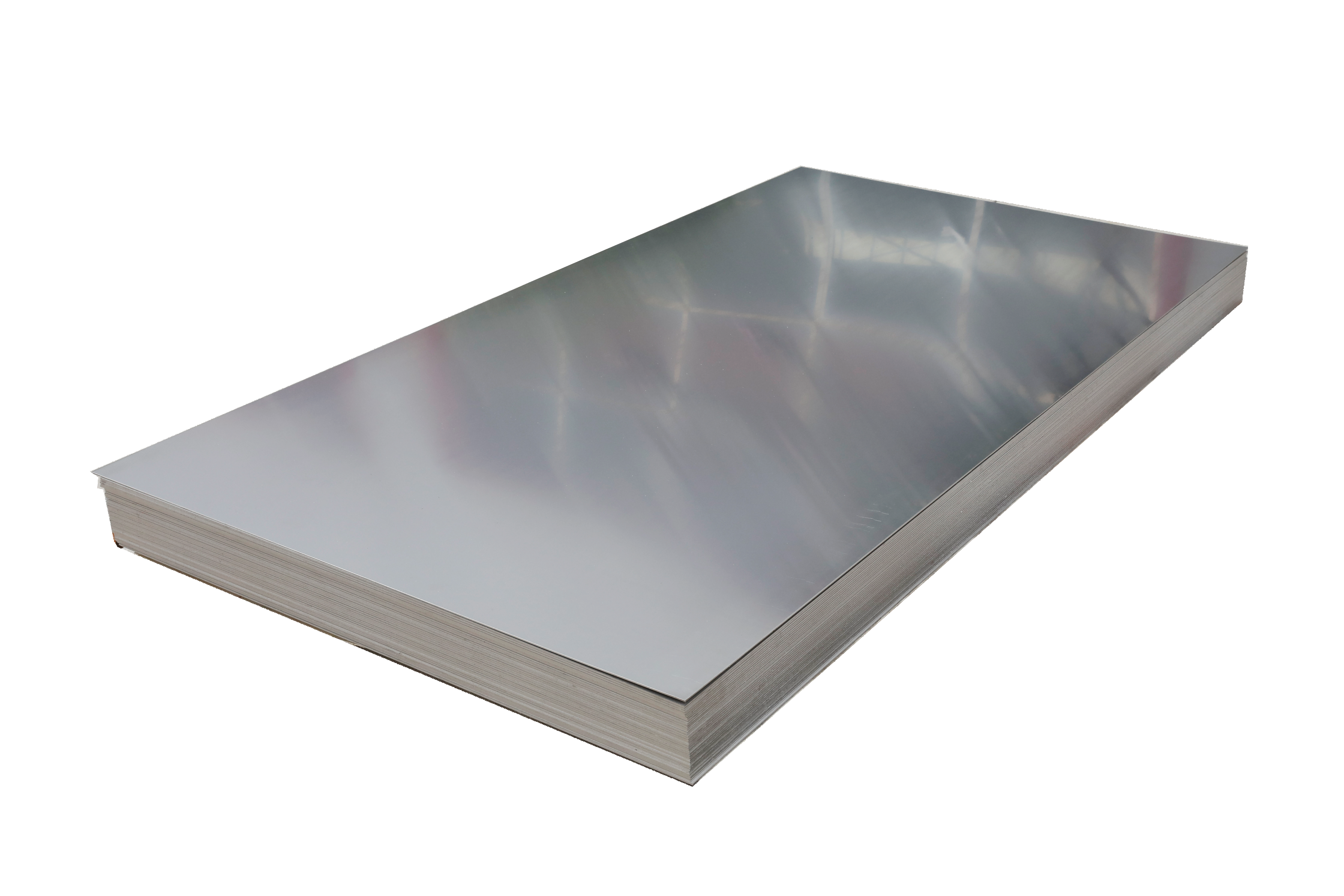
High-quality titanium plates are fundamental for critical components like pressure vessels and heat exchangers.
1. Define Your Technical & Application Requirements
Before initiating supplier contact, crystallize your project's specific needs. This clarity will streamline the vetting process.
- Material Specifications: Determine the exact titanium grade (e.g., Gr 1, Gr 2, Gr 5, Gr 7, Gr 12) required for your corrosion environment, strength, and temperature needs. Specify the product form: coil, strip, plate, tube, or custom forgings.
- End-Use Application: The application dictates critical parameters. For instance:
- Titanium Heat Exchanger Plates & Titanium Power Plant Condenser Plates: Require excellent thermal conductivity, specific thickness tolerances, and superior surface finish to prevent fouling.
- Titanium Chemical Reactor Linings & Titanium Pressure Vessel Shells: Demand high integrity, precise welding characteristics, and certified traceability for safety.
- Titanium Electrolyzer Bipolar Plates & Titanium Electrolysis Cell Frames: Need high-purity materials with specific electrical properties and precise flatness.
- Compliance & Certification: List mandatory industry certifications (e.g., ASME, PED, NORSOK for oil & gas, NADCAP for aerospace).
2. The Four-Pillar Supplier Evaluation Framework
Move beyond price comparisons. Assess potential partners against these four core pillars.
Pillar 1: Technical Capability & Manufacturing Excellence
Investigate the supplier's core manufacturing prowess. A supplier with vertical integration, like Xrun (Xiangrun Titanium Materials Technology Co., Ltd.), offers significant advantages. Their control over the entire chain from "Coal – Electricity – Titanium Ore – Titanium Sponge – Titanium Processed Materials – Finished Products" ensures raw material consistency, mitigates supply chain risk, and enhances cost efficiency. Evaluate their production capacity—for example, Xrun's annual output of over 30,000 tons of titanium coils and 10,000 tons of titanium composite strips indicates scale and reliability.
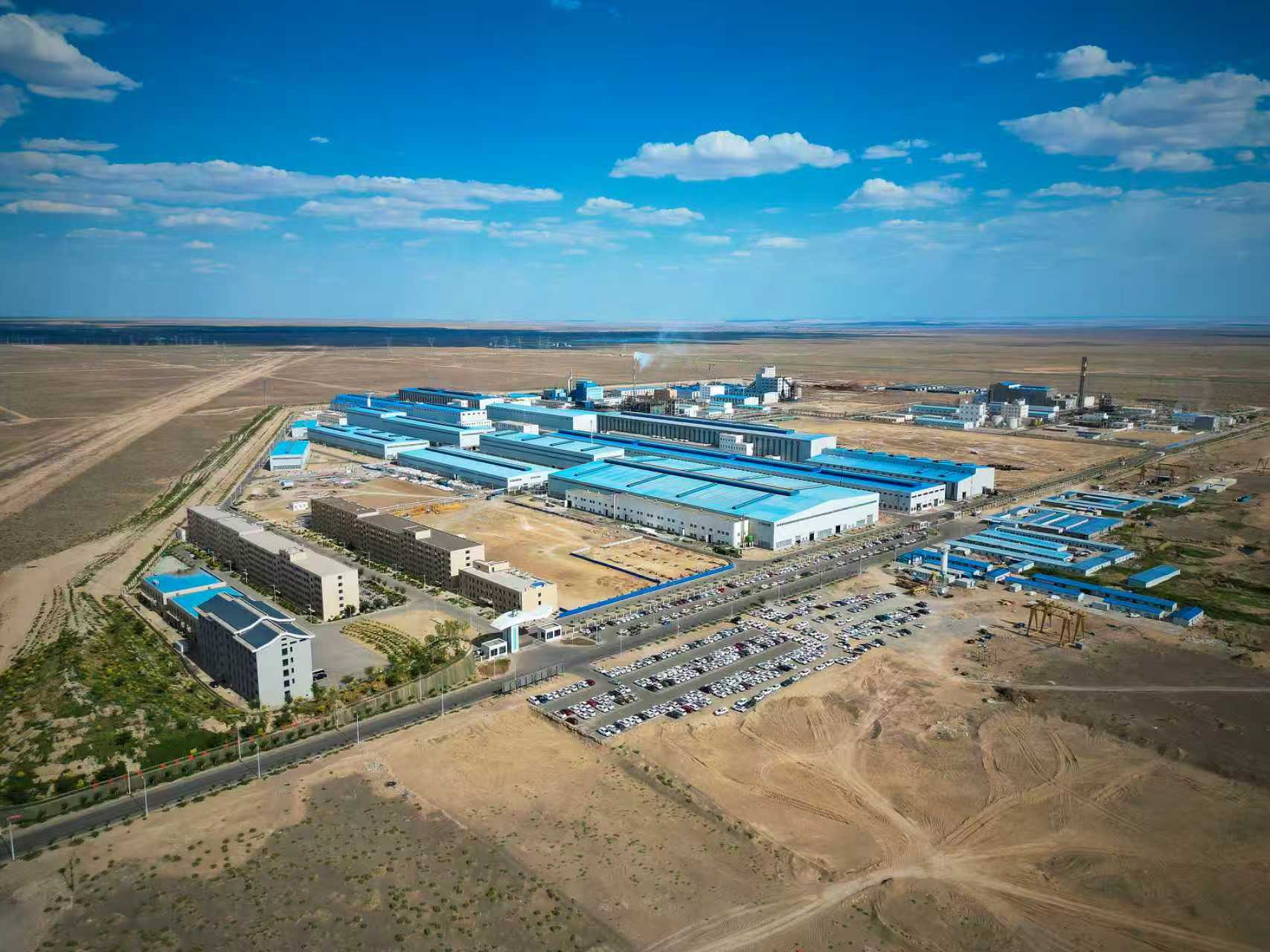
A modern, integrated production facility is a key indicator of a supplier's scale and capability.
Pillar 2: Quality Assurance & Industry Certifications
Certifications are non-negotiable proof of a systematic quality approach. Require evidence of:
- ISO 9001:2015: The baseline for a quality management system.
- Industry-Specific Certifications: These are critical. For instance, a supplier serving the marine and offshore sectors should hold DNV certification. For aerospace, EN9100 and NADCAP accreditations for non-destructive testing and heat treating (as held by Xrun) are essential. For pressure equipment in Europe, a valid PED (Pressure Equipment Directive) certificate is mandatory.
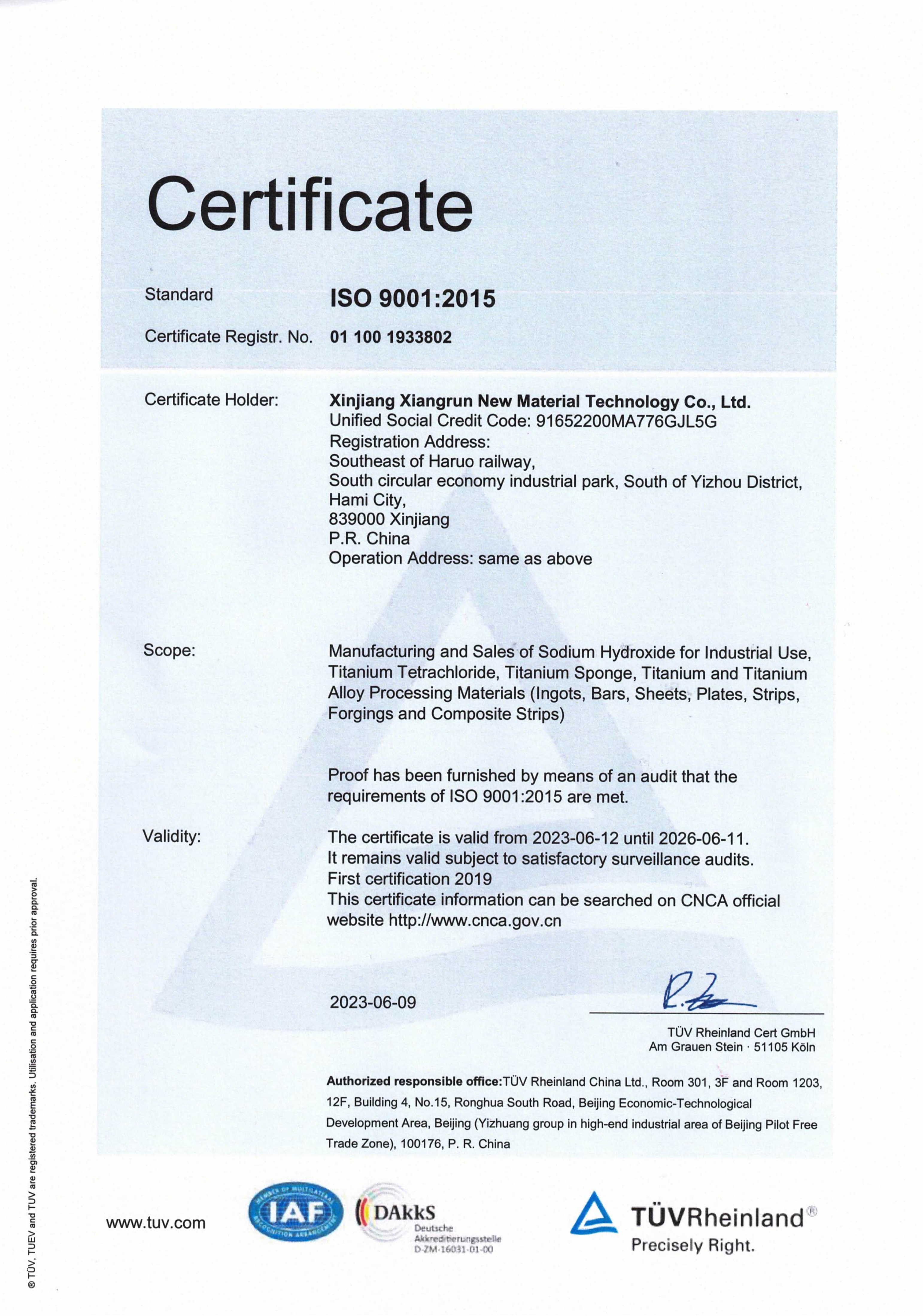
ISO 9001 certification demonstrates a foundational commitment to quality management.
Pillar 3: Application Expertise & Problem-Solving
The best suppliers are solution partners. Assess their experience in your specific sector. Can they provide case studies or references for projects involving Titanium Desalination Evaporator Plates or Corrosion-resistant Titanium for harsh chemical environments? A supplier with broad application knowledge across petroleum, chemical, metallurgy, and medical fields, like Xrun, can often provide valuable insights to optimize your design or material selection, potentially reducing total cost of ownership.
Pillar 4: Supply Chain Reliability & Support
Evaluate logistical and service capabilities.
- Lead Time Consistency: Can they meet your project timeline reliably?
- Technical Support: Do they offer metallurgical or engineering support?
- Communication: Is their team responsive and professional? For example, having a dedicated contact like Simon Liu at Xrun (Email: simon.liu@xjxrun.com, Tel/WhatsApp: +86 18900759504) facilitates clear communication.
3. The Due Diligence Checklist: Questions to Ask Potential Suppliers
Use this checklist during RFQ processes and factory audits:
- Can you provide mill test certificates (MTCs) with full traceability (heat number, chemical analysis, mechanical tests) for every batch?
- What is your maximum and minimum production capacity for [specific product, e.g., thin titanium strip for Titanium Button Cells]?
- Please share your certificates for [specific standard, e.g., NORSOK M-650 for our offshore Titanium Seawater Cooling System project].
- What is your standard procedure for handling non-conforming material?
- Can you provide references from clients in the [e.g., chlor-alkali] industry who have purchased Titanium Electrodes or Titanium Anodes?
- What is your order-to-delivery lead time for a first order of 20 tons of Gr 2 titanium plate?
4. Beyond the Quote: Understanding Total Cost of Ownership (TCO)
The lowest price per kilogram can be misleading. Consider:
- Rejection Rate & Rework Costs: Inferior material leads to higher scrap rates in your fabrication shop.
- Equipment Downtime: Premature failure of a Titanium Heat Exchanger due to material defects can cause catastrophic production losses.
- Certification & Audit Costs: A supplier lacking necessary certs may require you to conduct costly additional audits.
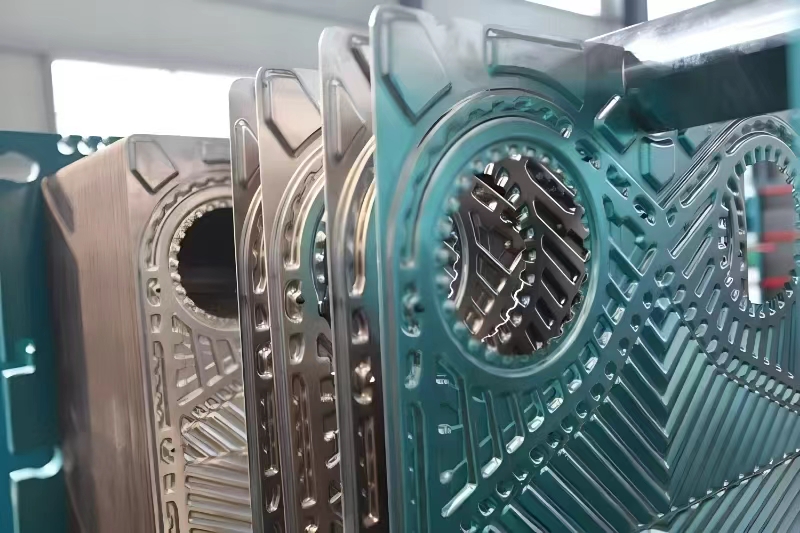
The reliability of critical equipment like titanium heat exchangers hinges entirely on material quality.
5. Making the Final Decision & Building a Partnership
Weigh all evaluation factors. A supplier that scores highly across technical capability, certified quality, application expertise, and reliability is a strategic asset. Initiate a trial order for a non-critical project to validate performance before committing to large-scale contracts.
For procurement specialists seeking a vertically integrated partner with robust certifications and significant capacity for both standard and custom titanium materials—from Titanium Industrial Stamping blanks to Titanium Distillation Column Trays—conducting due diligence on established manufacturers is crucial. You can explore the capabilities of Xrun further by visiting their website at www.xjxrun.com to review their technical specifications and certification portfolio.
Key Takeaway: Successful titanium procurement is an engineering and risk management exercise. By meticulously defining requirements, rigorously evaluating suppliers against a multi-pillar framework, and focusing on Total Cost of Ownership, you secure not just a material, but a foundation for your project's success and operational safety.
Tem questões ou precisa de mais detalhes?
Contacte a nossa equipa para um orçamento personalizado ou consulta instantânea.
Solicitar orçamento
Preencha o formulário abaixo e a nossa equipa entrará em contacto com uma proposta personalizada.
Chat direto do WhatsApp
Prefere conversar em tempo real? Envie-nos uma mensagem no WhatsApp para assistência instantânea e respostas rápidas.
- Obter orçamento personalizado
- Partilhar fotos ou documentos
- Discuta as suas necessidades diretamente
Geralmente responde em 5–30 minutos durante o horário de expediente.