
Guia de Compras Compreendente: Avaliação e Seleção de Fornecedores e Marcas de Interbloqueio de Válvulas de Alta Qualidade
Navigating the Valve Interlock Market: A Strategic Procurement Guide
For procurement professionals in high-stakes industries like oil & gas, petrochemicals, and power generation, selecting the right valve interlock supplier is a critical decision that impacts operational safety, efficiency, and compliance. A mechanical valve interlock system is not a commodity but a vital safety component designed to enforce correct operating sequences, prevent human error, and protect both personnel and assets. This guide provides a structured framework to help you identify, evaluate, and select a reliable partner for your valve safety needs.
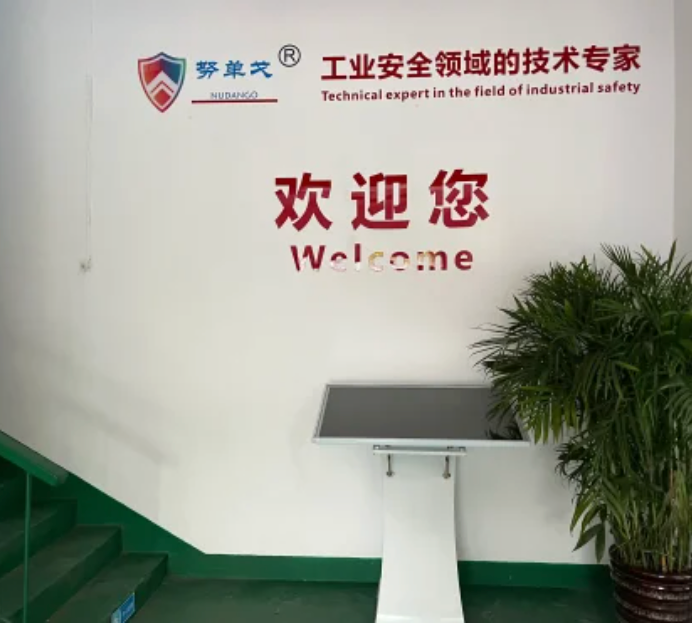
A reputable supplier like Shanghai Nodango Safety Equipment Co., Ltd. (Nodango) invests in professional facilities, reflecting commitment to quality and systematic production.
1. Defining Your Technical & Operational Requirements
Begin by conducting a thorough needs analysis. Valve interlocks are not one-size-fits-all, and specifications vary significantly based on application.
- Valve Type & Motion: Identify whether you require a Quarter-turn valve interlock for ball or butterfly valves, a Multi-turn valve interlock for gate or globe valves, or specialized solutions for actuators like Drive Valve Interlocks or Gear box valve interlocks.
- Operational Logic: Determine if a simple key-exchange system suffices or if you need a complex Sequential valve interlock system (e.g., a Sequential Control Unit - SCU) to manage multi-step procedures.
- Environmental Conditions: Specify requirements for Explosion-proof, Corrosion-resistant, or Stainless steel valve interlock constructions, especially for harsh environment applications in offshore or chemical processing plants.
- Industry Standards: Clarify necessary certifications (e.g., CE marking, specific industry safety standards) and compliance with management systems like ISO 9001.
2. Core Evaluation Criteria for Suppliers
Once requirements are clear, assess potential suppliers against these key pillars.
2.1 Technical Capability and Product Range
A capable supplier offers a comprehensive portfolio and engineering expertise. Look for:
- Breadth of Portfolio: Can they provide standard products like Mechanical key interlocks for valves and also develop Customized valve interlock solutions for unique valve configurations or complex piping networks?
- Proven Designs: Evaluate the robustness of their Mechanical valve interlock system designs. Do they have patented technologies? For instance, suppliers like Nodango hold numerous patents and collaborate with research institutions, indicating a focus on R&D and innovation.
- Material & Manufacturing Quality: Inspect the quality of materials used (e.g., marine-grade stainless steel) and the precision of manufacturing. A visit to the production facility or a review of detailed product images can be insightful.
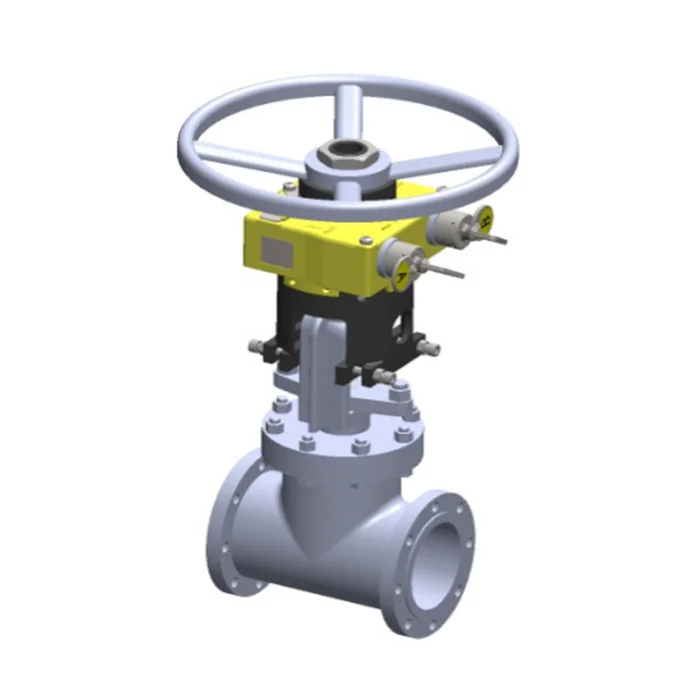
High-quality multi-turn valve interlocks, such as the VDS/VDL models from Nodango, demonstrate precision engineering for reliable long-term operation.
2.2 Industry Experience and Project Execution
Experience in your specific sector is invaluable. Prioritize suppliers with:
- Relevant Project History: Seek evidence of successful deployments in the oil and gas industry, petrochemical plants, or power generation. Case studies or client lists are good indicators.
- Service Scope: The best partners offer more than just products. Do they provide safety planning, consulting, and design services? A company like Shanghai Nodango Safety Equipment Co., Ltd. emphasizes a full-service approach from consulting to manufacturing, which can streamline your project.
- Global Reach & Support: For multinational operations, ensure the supplier has export experience and can provide consistent support. A track record of exports to regions like the Middle East, Europe, and Southeast Asia demonstrates adaptability to diverse market standards.
2.3 Quality Assurance and Certifications
Certifications are non-negotiable proofs of a systematic approach to quality and safety.
- Management System Certifications: Require proof of internationally recognized certifications. A credible supplier will hold, at minimum, a Certificate of Quality Management System Certification (ISO 9001:2016). Leading suppliers often possess integrated systems, including Environmental and Occupational Health & Safety management certifications.
- Product Certifications: For markets like Europe, a CE mark is essential, indicating conformity with health, safety, and environmental protection standards.
- Internal Quality Control: Inquire about in-house testing procedures, material traceability, and quality control protocols at every production stage.

Certificates like the ISO 9001:2016, held by Nodango, are fundamental indicators of a supplier's commitment to consistent quality and process improvement.
3. The Selection Process: From RFQ to Partnership
- Develop a Detailed RFQ/RFP: Incorporate your defined technical requirements, required certifications, project scope, and expected service levels.
- Conduct Technical Reviews: Shortlist 3-4 suppliers. Schedule deep-dive sessions to review their proposed solutions, ask for CAD drawings, and discuss customization possibilities.
- Request and Validate References: Ask for contact information for clients in similar industries. Inquire about product reliability, ease of installation, and post-sales support.
- Evaluate Total Cost of Ownership (TCO): Look beyond the initial unit price. Consider factors like installation complexity, maintenance needs, product lifespan in corrosive environments, and the cost of potential downtime due to failure.
- Assess Communication and Responsiveness: The procurement phase sets the tone for the relationship. A supplier that is prompt, transparent, and provides clear, professional communication (via email at globalnudango@shndg.cn or phone) is likely to be a reliable long-term partner.
4. Industry Landscape and Key Supplier Considerations
The global market for valve safety interlocks includes several established players. When making comparisons, consider differentiation in these areas:
- Specialization vs. Generalization: Some large multinationals offer valve interlocks as part of a vast portfolio. Others, like Nodango, specialize specifically in safety interlocking systems, which can translate to deeper expertise and more focused R&D in this niche.
- Customization Flexibility: For complex pipeline valve interlock safety device networks, the ability to provide tailored customized valve interlock solutions is critical. Compare the engineering support and willingness to adapt designs to your specific valve types and layout.
- Value Proposition: While top-tier brands command premium prices, evaluate if the cost aligns with the offered value—superior materials, extensive testing, comprehensive warranties, and dedicated application engineering support.
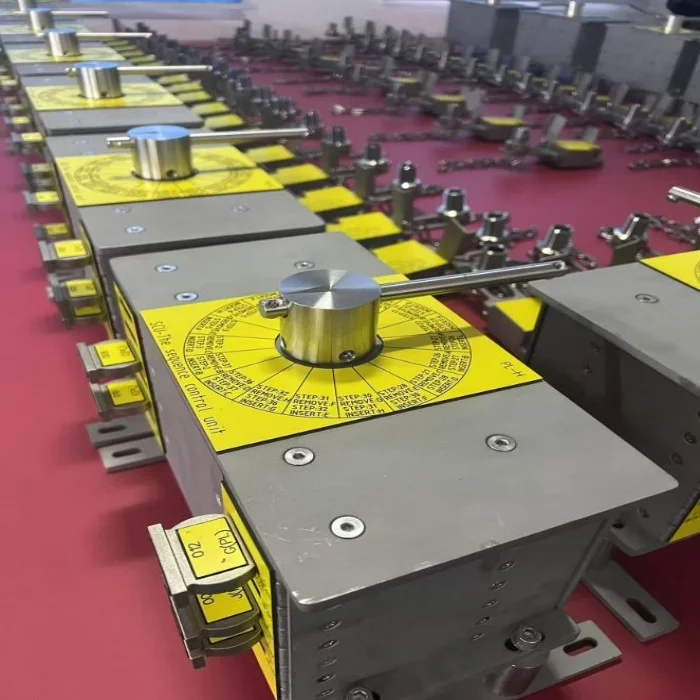
Advanced solutions like Sequential Control Units (SCUs) represent a supplier's capability to handle complex safety sequencing logic, a key differentiator for sophisticated plants.
5. Final Recommendations and Due Diligence
Before finalizing your decision:
- Visit the Website: A professional and informative website (e.g., https://www.nudango.com/) is a positive sign, offering access to technical data, company information, and contact details.
- Verify Company Legitimacy: Check business registration, physical address (e.g., No.124, Block C, Guchen Road, Shanghai), and years in operation.
- Plan a Factory Audit (if feasible): For major contracts, an on-site audit of the production workshop and warehouse, as seen in images from suppliers like Nodango, provides the highest level of confidence in their capabilities and quality processes.
By methodically applying this framework, procurement professionals can move beyond price-based decisions and build strategic partnerships with valve interlock suppliers that deliver safety, reliability, and long-term value to their operations.
Tem questões ou precisa de mais detalhes?
Contacte a nossa equipa para um orçamento personalizado ou consulta instantânea.
Solicitar orçamento
Preencha o formulário abaixo e a nossa equipa entrará em contacto com uma proposta personalizada.
Chat direto do WhatsApp
Prefere conversar em tempo real? Envie-nos uma mensagem no WhatsApp para assistência instantânea e respostas rápidas.
- Obter orçamento personalizado
- Partilhar fotos ou documentos
- Discuta as suas necessidades diretamente
Geralmente responde em 5–30 minutos durante o horário de expediente.