
Guia abrangente de aquisições: como avaliar e selecionar fornecedores de tecidos de tela de nível superior
Navigating the Global Screen Fabrics Market: A Strategic Procurement Guide
For procurement professionals in the window covering, awning, and shading industries, sourcing high-quality screen fabrics is a critical task that directly impacts product performance, regulatory compliance, and customer satisfaction. With a myriad of suppliers offering products from basic sunscreens to highly specialized technical fabrics, making an informed decision requires a structured evaluation framework. This guide outlines the key criteria for identifying and selecting a premier screen fabrics supplier, ensuring your procurement strategy aligns with quality, sustainability, and long-term business goals.
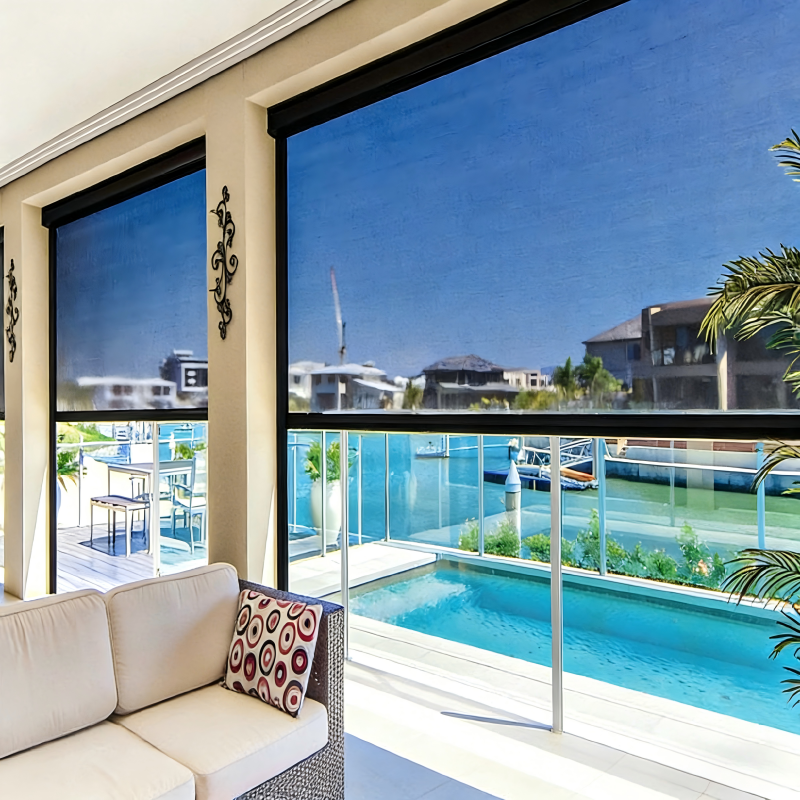
1. Define Your Technical and Application Requirements
The first step is to precisely define your needs. Screen fabrics are not a commodity; their performance varies drastically based on composition, coating, and construction. Clarify the following:
- Primary Application: Is it for Interior/Indoor Sunscreen, Exterior/Outdoor Sunscreen demanding high weather resistance, or specialized uses like Insect/Pet Sunscreen or ZIP screen systems?
- Key Performance Metrics: Required openness factor, solar reflectance, UV block rate, tensile strength, and dimensional stability. For outdoor products, durability and warranty terms (e.g., a 5-year warranty) are paramount.
- Material Specifications: Preference for 100% polyester fabrics, PE screen fabrics, or Recyclable screen fabrics. Consider if Halogen free fabrics or Antimony free fabrics are required for environmental and safety regulations.
- Functional Needs: Blockout Sunscreen for complete privacy, Clear view black - coating Sunscreen for outward visibility, or Silver backing or Aluminised Sunscreen for enhanced heat reflection.
2. Evaluate Core Manufacturing and Quality Control Capabilities
A supplier's infrastructure is the foundation of product consistency. Look for evidence of vertical integration and rigorous quality assurance.
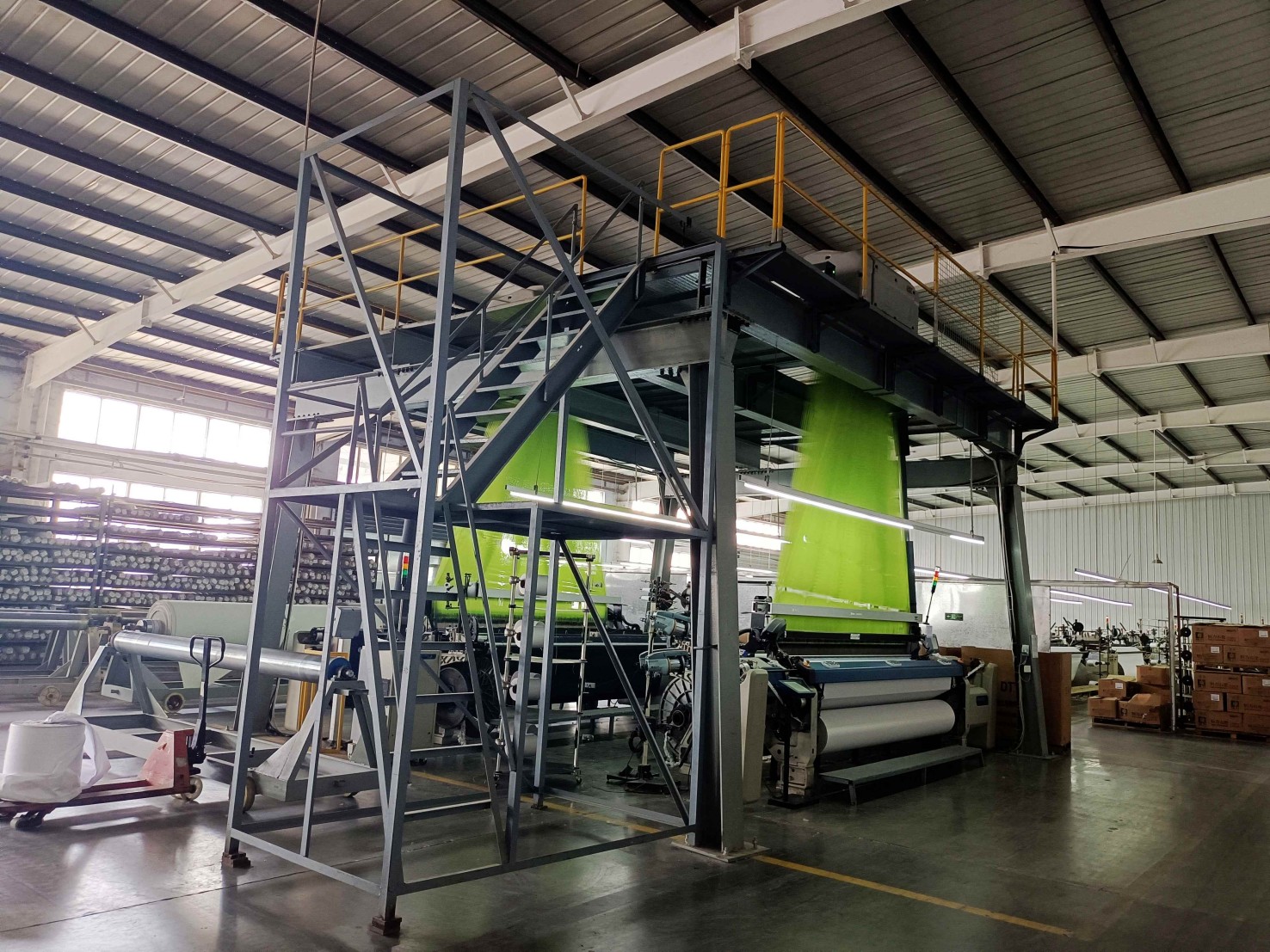
- In-House R&D and Testing: Leading manufacturers invest in proprietary laboratories and testing devices. For instance, Elitex (Dezhou) Co., Ltd. operates purpose-built labs to constantly monitor product quality, ensuring attributes like color fastness (Grade 6-7 per ISO 105-B02) and coating adhesion.
- Production Scale and Technology: Assess if they have dedicated lines for specialized products, such as the world-class coating lines used for premium blockout fabrics, which prevent delamination and ensure opacity without pinholes.
- Quality Certifications: These are non-negotiable. Require proof of international standards:
- ISO 9001:2015 for Quality Management Systems.
- ISO 14001:2015 for Environmental Management.
- ISO 45001:2018 for Occupational Health & Safety.
3. Scrutinize Compliance and Sustainability Credentials
Global markets and conscious consumers demand environmentally responsible and safe products. A supplier's certifications are a direct reflection of their commitment.
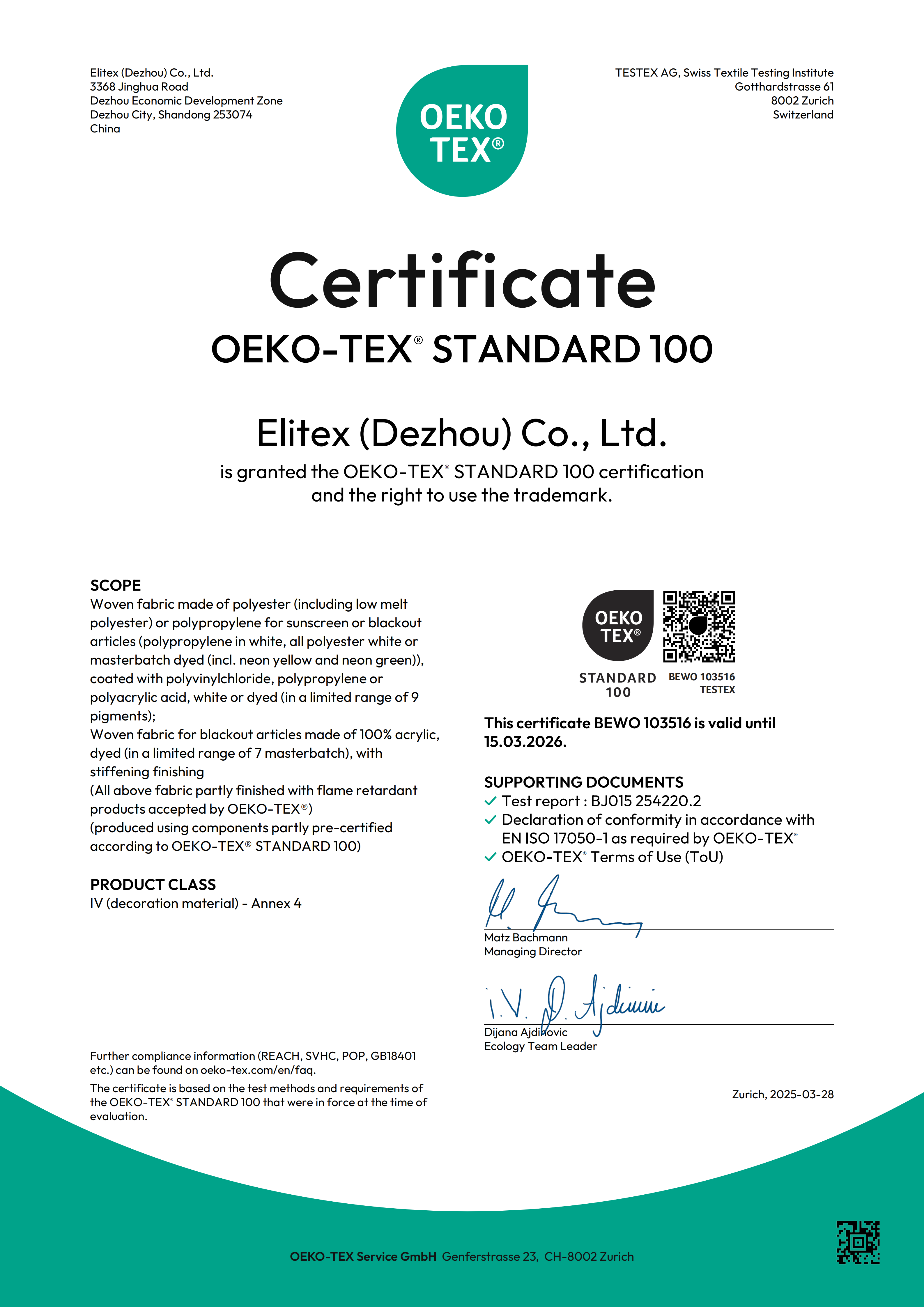
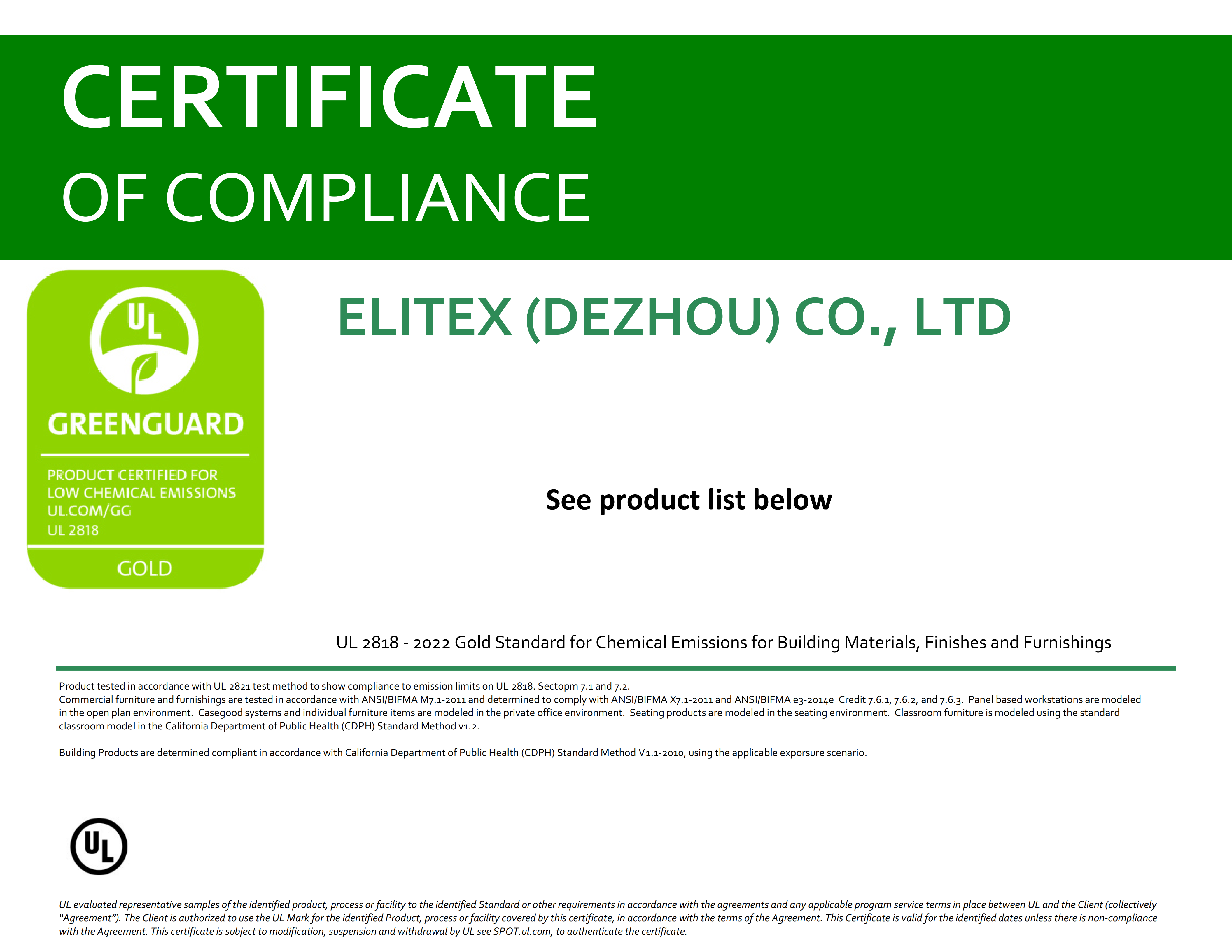
- Material Health & Indoor Air Quality: The OEKO-TEX® STANDARD 100 certification verifies fabrics are free from harmful substances. For stringent emissions standards, particularly in North America, GREENGUARD Gold certification is essential for products used in sensitive environments like schools and healthcare facilities.
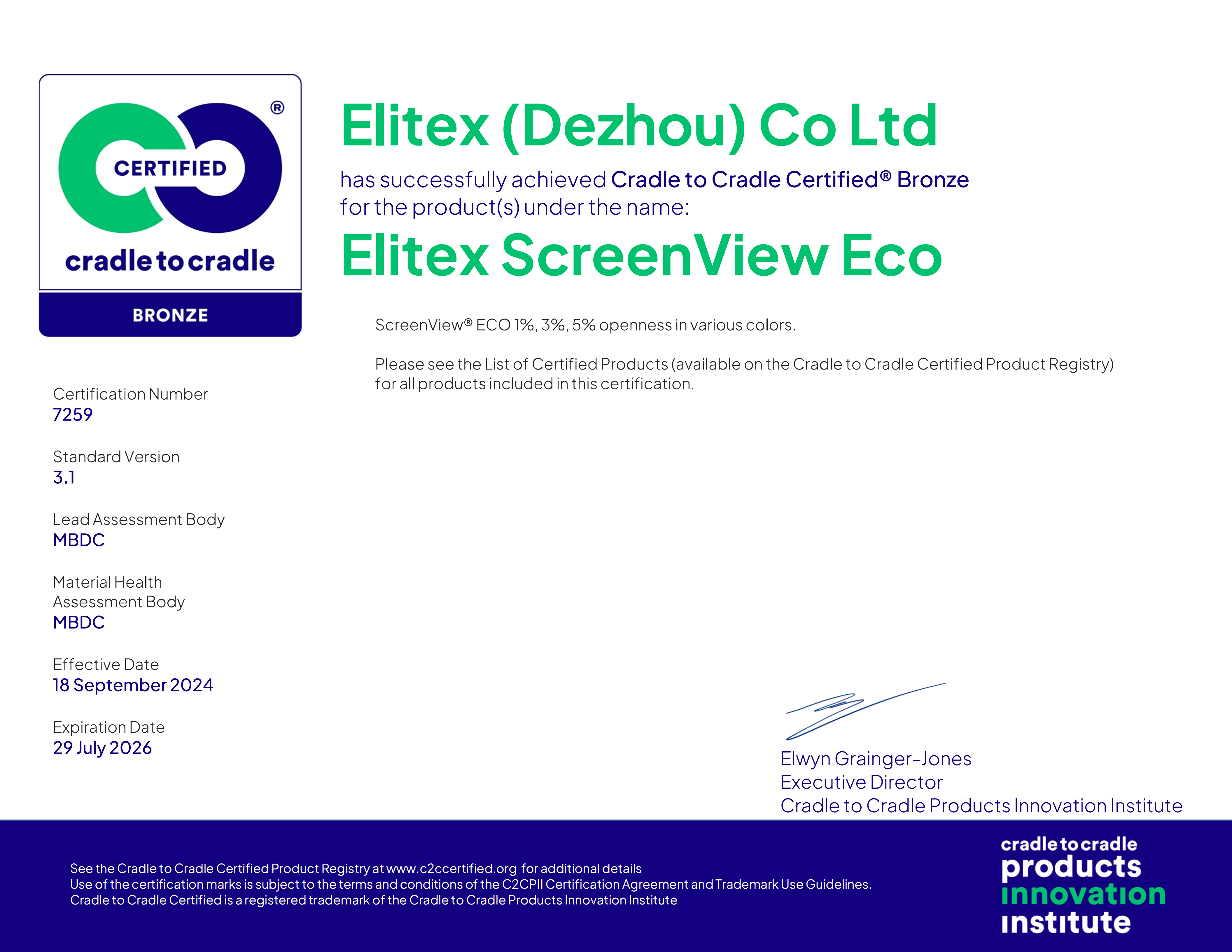
- Circular Economy Leadership: The Cradle to Cradle Certified® program is a gold standard for sustainable design, assessing material health, reutilization, and renewable energy use in production. Suppliers offering Tpo Sunscreen under Cradle to Cradle certified fabrics demonstrate advanced sustainability practices.
- Fire Safety Regulations: Ensure the supplier can provide fabrics tested and certified to relevant regional standards, such as:
- German B1, EN 13773, BS5867-2 Type B for Europe.
- NFPA 701, California Title 19 for the U.S.
- AS1530 for Australia.
4. Assess Customization, Service, and Supply Chain Stability
The ability to support your specific business needs differentiates a true partner from a simple vendor.
- Customization & Solution Development: Can they develop customized solutions for sunshading fabrics, including Wide width sunshade fabrics or specialized coatings? A supplier like Elitex emphasizes offering tailored solutions across residential, commercial, and industrial settings.
- Global Logistics and Support: Evaluate their experience in serving an international customer base. Do they have the documentation, packaging, and Incoterms expertise for seamless global distribution?
- Client Portfolio as Reference: A supplier's existing partnerships speak volumes. A roster that includes leading brands such as Hunter Douglas, Springs Window Fashions, Mermet, Coulisse, and Bandalux indicates a proven track record of meeting high standards for quality and reliability over long cooperation cycles.
5. Conduct Due Diligence: Audits, Samples, and Communication
Finalize your selection with hands-on verification.
- Request Detailed Documentation: Ask for comprehensive technical data sheets (TDS), test reports from independent labs, and certification copies.
- Evaluate Physical Samples: Test samples for claimed properties—flatness, handfeel, opacity, and strength. For blockout fabrics, check for pinholes by holding them against a strong light source.
- Initiate Direct Communication: Engage with their sales and technical teams. Assess responsiveness, technical knowledge, and problem-solving approach. Contact information like +86-15865348778, georgezhao@eliteweaving.com, or visiting their website www.eliteweaving.com for more information is a practical first step.
Conclusion: Building a Partnership for the Long Term
Selecting a screen fabrics supplier is a strategic decision. By moving beyond price to evaluate technical capability, certified quality, sustainable innovation, and collaborative service, procurement professionals can secure a supply chain partner that drives value. The industry is evolving towards higher performance, greater durability, and stronger environmental stewardship. Partnering with a manufacturer that invests in R&D, holds top-tier certifications like those from Elitex—including Cradle to Cradle, GREENGUARD Gold, and OEKO-TEX—and demonstrates a commitment to customized support, positions your business to meet future market demands with confidence and competitive advantage.