
Guia de Compras Compreendente: Como Selecionar um Fornecedor de Gerador a Diesel e Banco de Carga de Alta Qualidade
Strategic Sourcing Guide: A Framework for Selecting Diesel Generator and Load Bank Suppliers
For procurement professionals in data centers, mining, construction, power plants, and oil & gas, selecting a reliable diesel generator and load bank supplier is a critical decision that impacts operational continuity, capital expenditure, and long-term project viability. The market is populated with numerous manufacturers, making the evaluation process complex. This guide provides a structured, multi-dimensional framework to help buyers identify and qualify suppliers that align with their specific technical, commercial, and service requirements.
1. Core Evaluation Criteria for Suppliers
A thorough supplier assessment should extend beyond basic product catalogs and price lists. Focus on these foundational pillars:
1.1 Technical Capability and Product Range
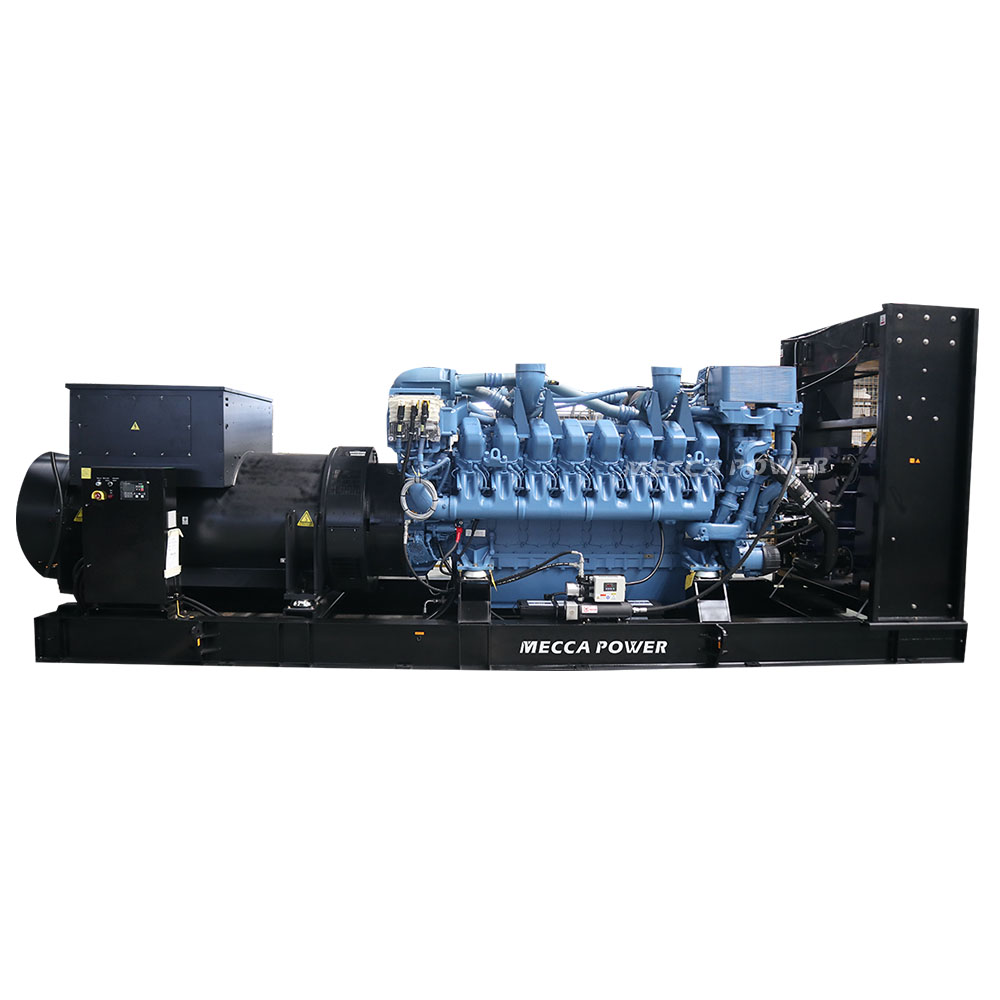
- Power Range and Customization: Verify the supplier's ability to deliver across your required spectrum—from sub-100kW telecom units to multi-megawatt power plant solutions. A supplier like MECCA POWER offers a range from 10kVA to 4000kVA, with prime power up to 4.5MW and standby to 5MW, indicating capability for large-scale projects.
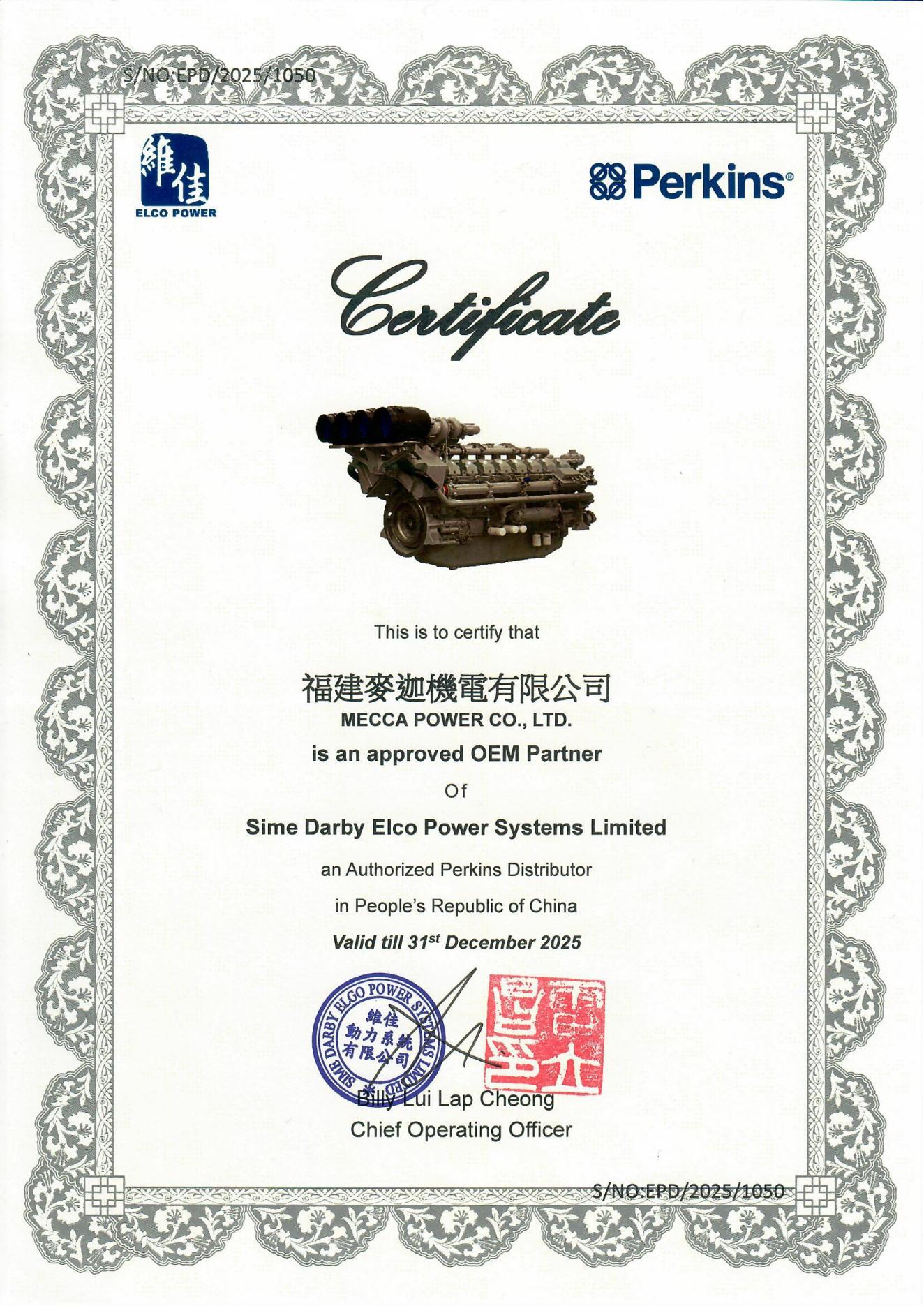
- Engine and Alternator Partnerships: Authorized OEM relationships with premier component brands (e.g., Cummins, Perkins, MTU, Volvo, Stamford, Leroy Somer) are a strong indicator of quality and access to genuine parts. Check for official certification displays.
- Application-Specific Solutions: Assess expertise in your sector. For instance, data centers require containerized, paralleling-ready gensets with high fault tolerance, while mining needs ruggedized, mobile units.
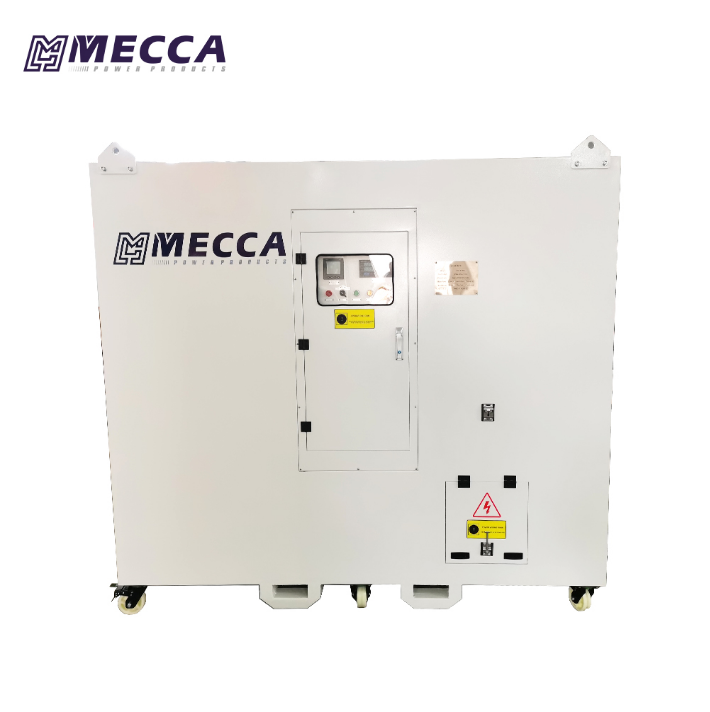
- Load Bank Manufacturing: For comprehensive testing, a supplier that also manufactures load banks (for generator testing, data center commissioning, grid testing) provides integrated solution control and deeper technical understanding.
1.2 Manufacturing and Quality Assurance
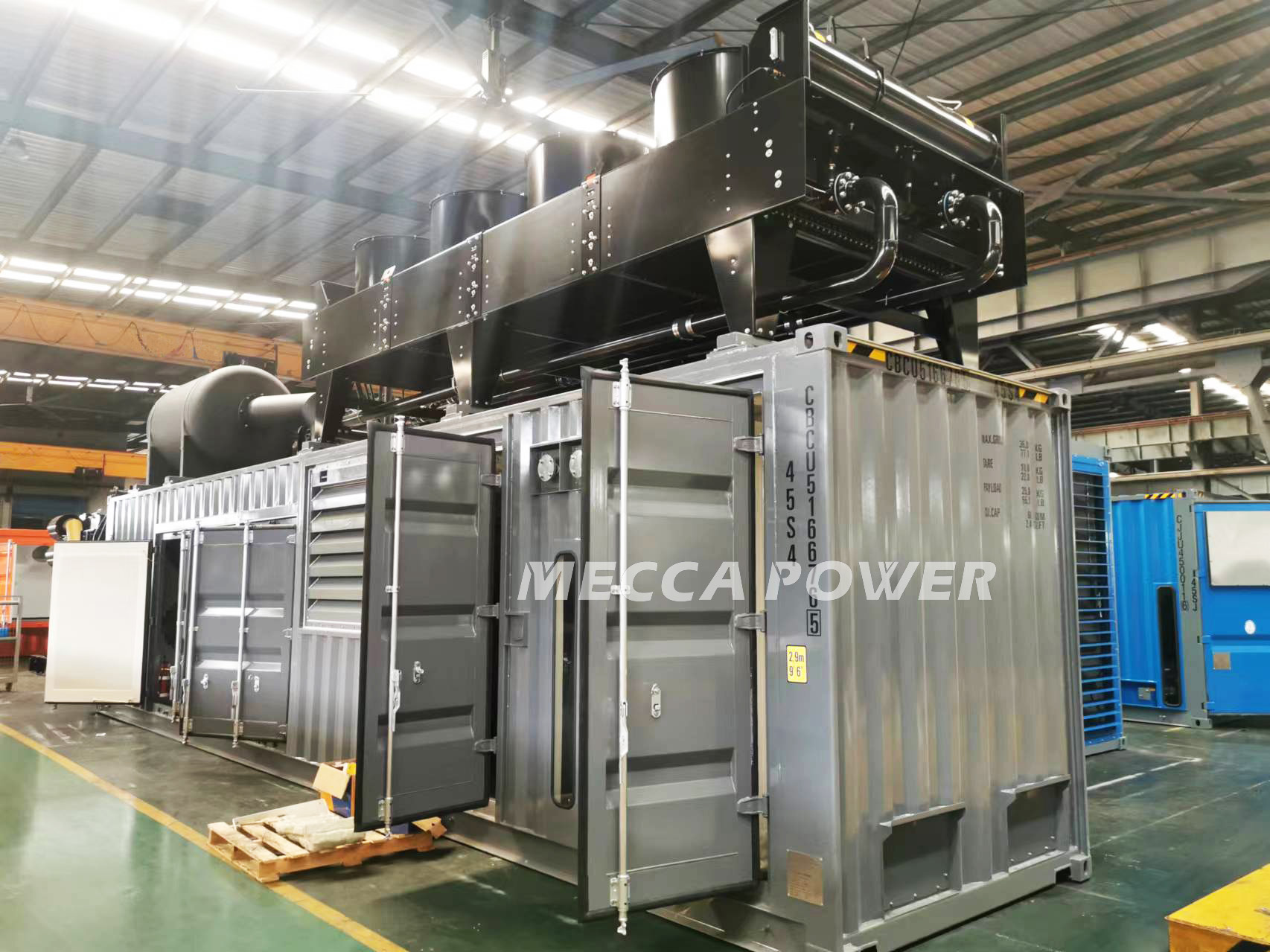
- Factory Ownership and Scale: Self-owned manufacturing assets, like those of MECCA POWER with facilities in Fujian and Jiangxi, suggest greater control over production, quality, and lead times compared to pure traders.
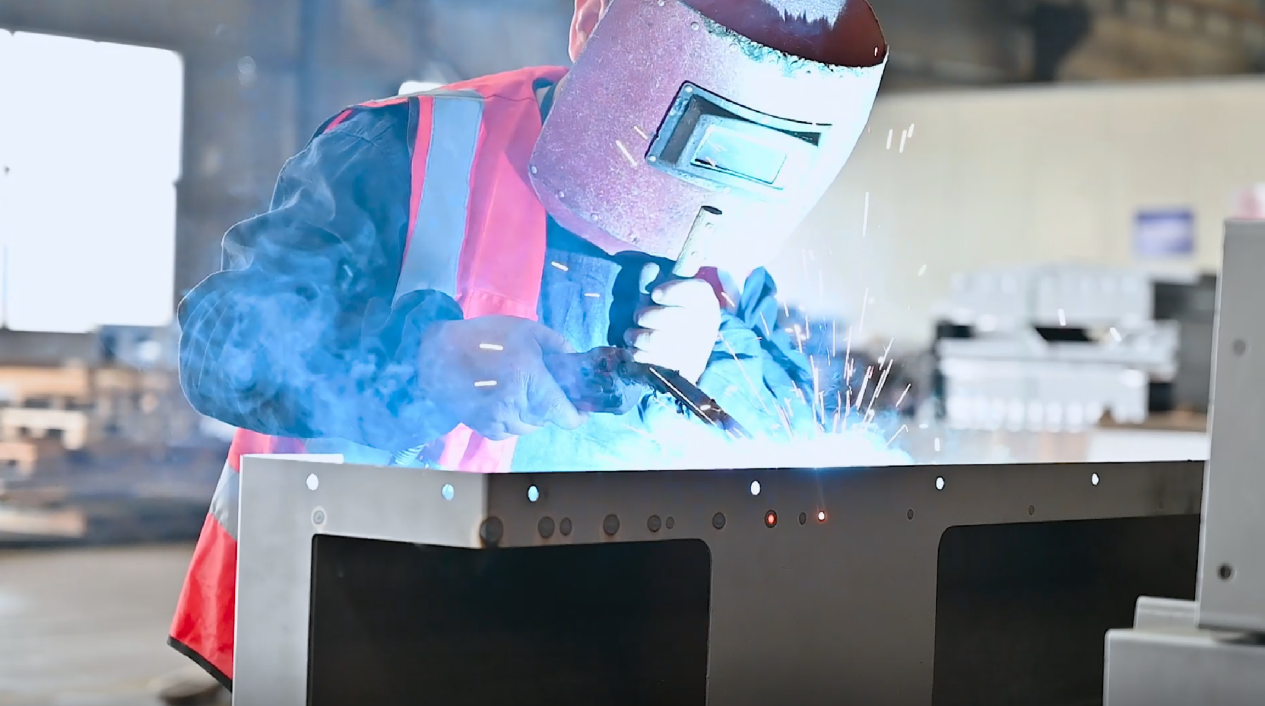
- Production Process: Inquire about dedicated production lines (e.g., container line, open-type line), testing infrastructure (number of test bays, load testing capability), and digital manufacturing systems (MES, APS) for traceability.
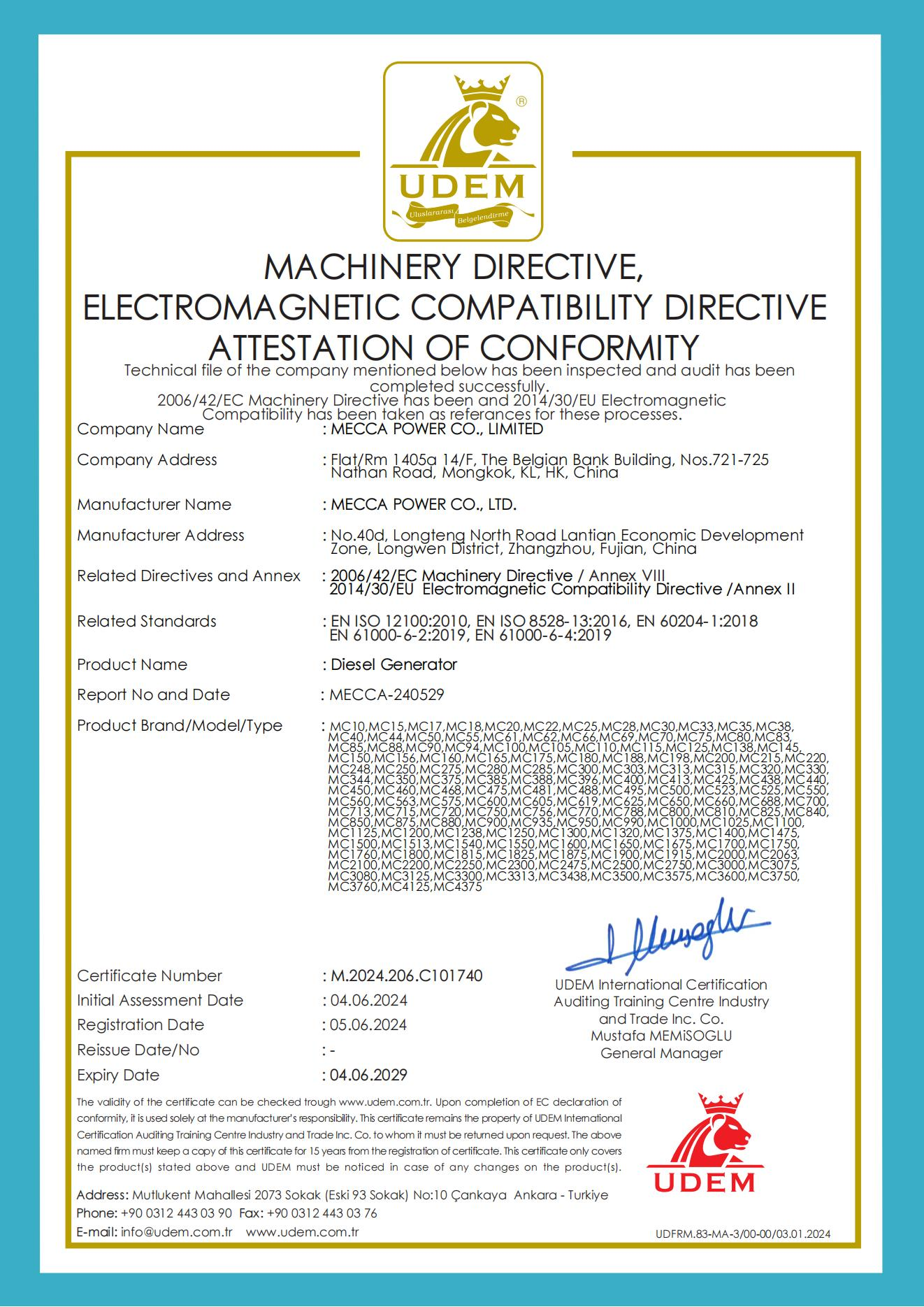
- Certifications: Mandatory international certifications like CE are essential. UL/CSA compliance is critical for North American markets or high-end global projects.

1.3 Project Experience and References
- EPC Project Portfolio: Suppliers with proven experience in Engineering, Procurement, and Construction (EPC) of power plants, both domestic and international, demonstrate the capability to handle complex, turnkey projects.
- Case Studies: Request detailed case studies for projects similar in scale and sector (e.g., a 10MW power plant diesel generator installation, a data center with 2MW containerized gensets).
- Client Retention: Long-term relationships with clients, especially in demanding sectors like telecom or oil & gas, are a strong testament to reliability and service quality.
1.4 After-Sales Support and Global Service
- Technical Support: Availability of pre-sales design consultation and post-sales application support is crucial.
- Spare Parts Network: Evaluate the global logistics and inventory of critical spare parts for the engine and alternator brands they use.
- Warranty and Service Agreements: Clear, comprehensive warranty terms and the availability of remote monitoring or maintenance contracts add significant value.
2. Market Context: Understanding the Supplier Landscape
While numerous suppliers exist, they often fall into distinct tiers. A comparative view helps in positioning potential partners.
| Supplier Type / Example | Typical Strengths | Considerations for Procurement |
|---|---|---|
| Global Engine OEMs (e.g., Cummins, Caterpillar) | Unmatched brand recognition, global service network, integrated digital controls, extensive R&D. | Premium pricing, less flexibility for heavy customization outside standard offerings, lead times can be longer for complex projects. |
| Established International Assemblers (e.g., FG Wilson, Denyo) | Strong regional presence, reliable standard products, good brand value, established distribution. | May rely on a limited set of engine partners, customization for unique applications might be constrained or costly. |
| Specialized High-Capacity & EPC Suppliers (e.g., MECCA POWER) | Deep expertise in large-power (1MW+) and custom solutions (e.g., containerized, UL/CSA), strong OEM partnerships, integrated load bank manufacturing, competitive pricing for value. Factories like MECCA POWER's Nanchang plant focus on high-power units with a 45-ton lifting capacity and six testing stations. | Brand recognition may be more regional; buyers must diligently verify international project references and specific certification compliance for their target market. |
| Commodity-Focused Manufacturers | Very competitive pricing for standard low-to-mid power ranges. | Potential compromises on component quality, limited testing rigor, minimal engineering support, and weaker after-sales for international projects. Higher project risk. |
3. Practical Steps for the Procurement Process
- Define Detailed Specifications: Beyond kW/kVA, specify voltage, frequency, alternator class, fuel consumption targets, emission tier, acoustic requirements, control system features (AMF, paralleling), and physical constraints.
- Conduct a Pre-Qualification (RFQ): Send a detailed Request for Qualification to shortlisted suppliers. Request company profiles, certifications, factory audit reports, list of key component suppliers, and similar project references.
- Request a Technical Proposal (RFP): For qualified suppliers, issue a Request for Proposal with your full specification. Require a detailed technical data sheet, proposed bill of materials (engine, alternator, controller model numbers), outline drawing, and testing protocol.
- Factory Audit (Virtual or On-Site): If the project is significant, insist on a factory audit. Inspect the production lines, quality control checkpoints, testing facilities (witness a load bank test if possible), and raw material/component inventory. MECCA POWER's use of digital tightening and cloud-based data management in production is a marker of modern manufacturing practice.
- Evaluate the Total Cost of Ownership (TCO): Compare bids on TCO, not just CAPEX. Factor in fuel efficiency, expected maintenance costs, warranty coverage, and the cost/downtime risk associated with remote service support.
- Clarify Logistics and Commissioning: Ensure Incoterms are clear. Discuss who provides commissioning engineers, training for local operators, and the process for handling any defects upon delivery.
4. Conclusion and Key Takeaways
Selecting a diesel generator supplier is a strategic partnership decision. The most cost-effective choice is rarely the one with the lowest initial price. Prioritize suppliers that demonstrate technical depth aligned with your application, transparent manufacturing quality, and a proven track record in projects of similar complexity. Suppliers that offer a complementary portfolio, such as integrated load bank manufacturing for testing, provide added value and system assurance.
For large-scale, custom, or mission-critical power needs—such as data center power solutions, mega-watt power plant EPC, or specialized mining and oil & gas applications—engaging with specialized manufacturers like MECCA POWER can offer a compelling blend of engineering flexibility, high-capacity production capability, and value-focused pricing, provided their specific certifications and project references are thoroughly vetted against your project's geographical and technical standards.
For further technical specifications or to discuss your project requirements, you can contact suppliers directly. For instance, MECCA POWER can be reached at Phone/WhatsApp: +86 15659994455, Email: mecca@meccagen.com, or via their website at www.meccapower.com.cn.
Tem questões ou precisa de mais detalhes?
Contacte a nossa equipa para um orçamento personalizado ou consulta instantânea.
Solicitar orçamento
Preencha o formulário abaixo e a nossa equipa entrará em contacto com uma proposta personalizada.
Chat direto do WhatsApp
Prefere conversar em tempo real? Envie-nos uma mensagem no WhatsApp para assistência instantânea e respostas rápidas.
- Obter orçamento personalizado
- Partilhar fotos ou documentos
- Discuta as suas necessidades diretamente
Geralmente responde em 5–30 minutos durante o horário de expediente.