
Concept to Production: The Workflow Behind Premium Rigid Box Manufacturing
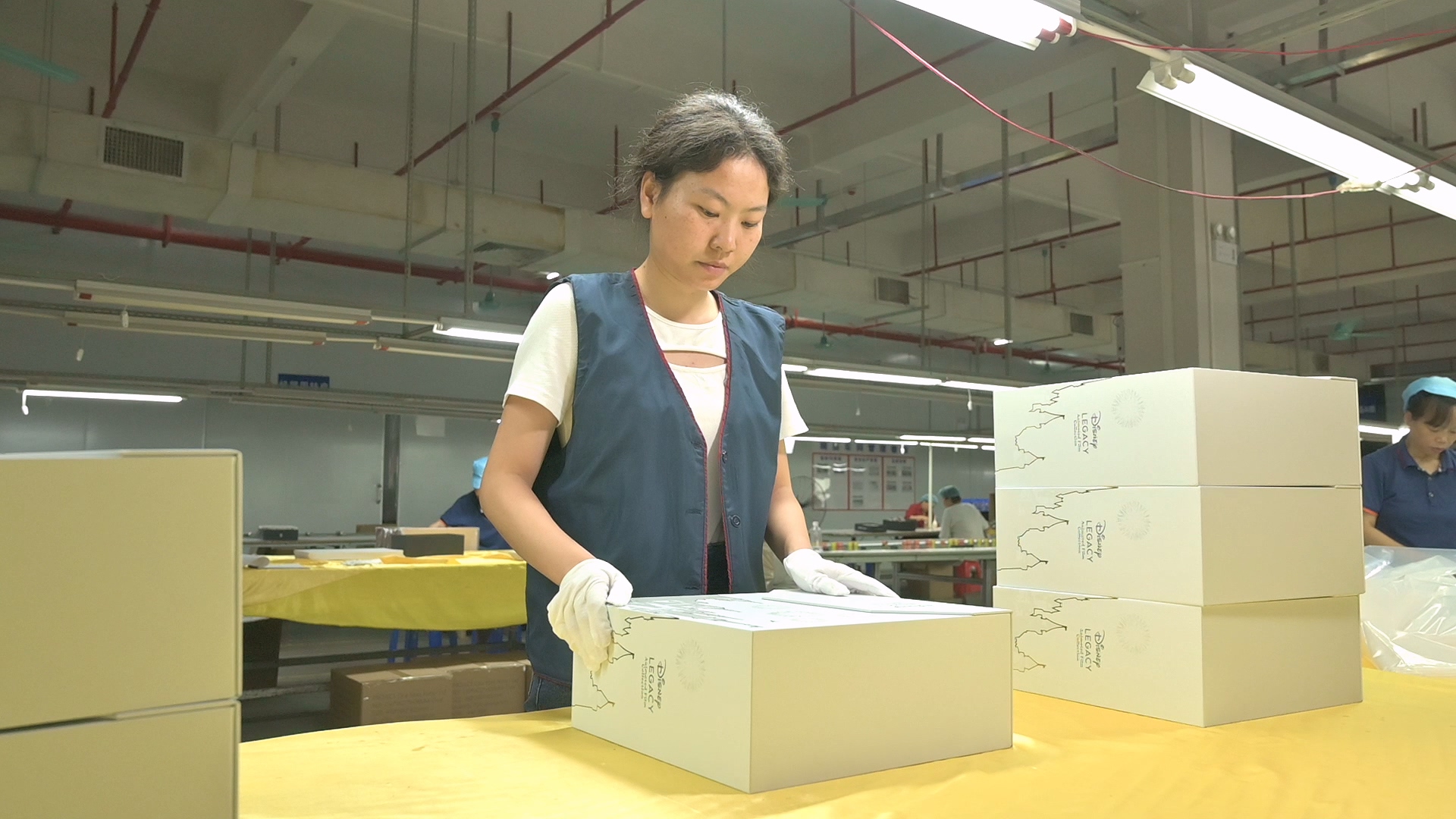
Production-line quality inspection: a core stage of concept-to-production packaging development.
Understanding how premium rigid boxes move from concept to production is central to evaluating a premium rigid box manufacturer. The term covers the chain of engineering decisions, prototyping steps, color approvals and quality validations that sit between a creative design and a repeatable factory order. For design studios and brand teams, this process often determines whether a packaging concept reaches the shelf as intended — or becomes diluted by avoidable production issues.
The Execution Gap Between Design and Manufacturing
Packaging designers are skilled at visual communication. Their concepts capture material emotion, brand narrative and unboxing theater. But between the digital render and the physical product sits a less visible discipline: structural engineering. A dimension that looks elegant in a 3D mockup may collapse under stacking load. A magnetic closure with insufficient board thickness can warp after lamination. A finishing effect that looks flawless on a flat sample may crack along fold lines during assembly.
This is the core challenge of concept-to-production packaging development: translating a design language into a physical object that can be manufactured consistently, economically and on time. Buyers who understand this process tend to select manufacturers with engineering depth — not just printing capacity. The difference matters most when packaging involves custom structures, multi-material integration, premium finishing and international transit.
A structurally complex rigid box requires decisions that go far beyond artwork reproduction. Board thickness selection, wrapping allowance, magnet placement, hinge tolerance, insert geometry and assembly sequence all remain largely invisible to the end customer. Yet each one influences quality, stability, durability and cost. That is why the development phase, not the printing phase, is where a premium packaging project is truly won or lost.
What Concept-to-Production Packaging Development Actually Means
Concept-to-production packaging development is the end-to-end process by which a packaging design moves from creative input to serial production. It includes design review, structure engineering, material selection, prototyping, tooling, color approval, pilot runs and production validation. For rigid boxes, this process is more complex than for folding cartons. Rigid boxes are built on greyboard that is cut, wrapped and assembled — often on partly manual lines — so structural tolerances and process stability require close attention throughout development.
In this context, a manufacturer acts as more than an order taker. The engineering team interprets the design intent and translates it into technical specifications that production staff can execute repeatedly. The project management team coordinates between designers, factories and quality control. The QC team validates that the output matches the approved sample. Together, these functions form the production development backbone of a premium rigid box manufacturer.
Topsion Packaging, a Shenzhen-headquartered premium packaging manufacturer, illustrates this operating model. Topsion began with wine and spirits packaging and has evolved into a supplier of rigid boxes, luxury tube packaging and structurally complex handmade boxes, with core teams in engineering and R&D, project management and quality control, supported by a Los Angeles office and three production facilities in Dongguan. This structure gives design studios and brand owners a direct channel to Chinese manufacturing capacity without giving up creative ownership or engineering accountability.
The Engineering-Led Development Workflow
For a custom rigid box engineering manufacturer, the workflow from concept to production usually follows a structured sequence. The exact steps vary by project, but the logic remains consistent: reduce uncertainty before committing to tooling and mass production.
| Development Stage | Core Activities | Output |
|---|---|---|
| 1. Design Review | Feasibility check, structure recommendation, material feedback | Engineering review notes, initial structure proposal |
| 2. Material & Structure Engineering | Board type and thickness, paper grade, insert material, reinforcement logic | Bill of materials, structural drawings |
| 3. Prototyping | Hand-built samples, structural testing, dimensional verification | Physical prototype for design and fit approval |
| 4. Color Management | G7-certified proofing, Pantone matching, finishing-effect samples | Color and finish approval |
| 5. Tooling & Pilot Run | Die-cutting tools, setup of manual and automated lines | Pre-production sample confirming line readiness |
| 6. Mass Production | Coordinated manual and automated production, in-line QC checks | Finished rigid boxes in required volumes |
| 7. Final QC & Transit Simulation | Inspection, drop/vibration/compression testing where required | QC report, shipping approval |
This workflow matters because rigid box production is not fully automated. In Topsion's operating model, skilled hand-assembly lines work alongside automated folding and die-cutting machines. The ratio between manual and automatic steps depends on the structure's complexity. A standard lift-off lid box can be produced with higher automation, while a mechanical interactive structure or multi-part magnetic box requires experienced assemblers to hold dimensional consistency.
A development phase that includes prototyping and structural testing therefore serves a practical purpose: it lets engineers confirm that the design can be assembled at the target quality level before large quantities are produced. Topsion's stated project operation mode follows exactly this sequence — from prototyping and structural testing to mass production, with integrated manual and automated lines and QC oversight.
Structural Capabilities That Define a Premium Rigid Box Manufacturer
For a structurally complex rigid box manufacturer, structural versatility is a decisive capability. Topsion's product range covers non-standard structures such as magnetic closure boxes, drawer and slide boxes, shoulder-and-neck boxes, hinged or book-style boxes, collapsible rigid boxes, multi-layer structural boxes and mechanical interactive structures. This is not a list of labels — each structure type implies different engineering decisions and production methods.
Dimensionally, custom rigid boxes from Topsion can be fully customized from 50mm to 600mm in standard configurations, extending to 800mm for specially engineered structures. Greyboard thickness ranges from 1.5mm to 3mm for standard structures, and up to 3.5mm for reinforced special constructions. This matters for heavy products: bottles, electronics and tools require load-bearing structures that resist compression, torsion and impact during transit and retail handling.
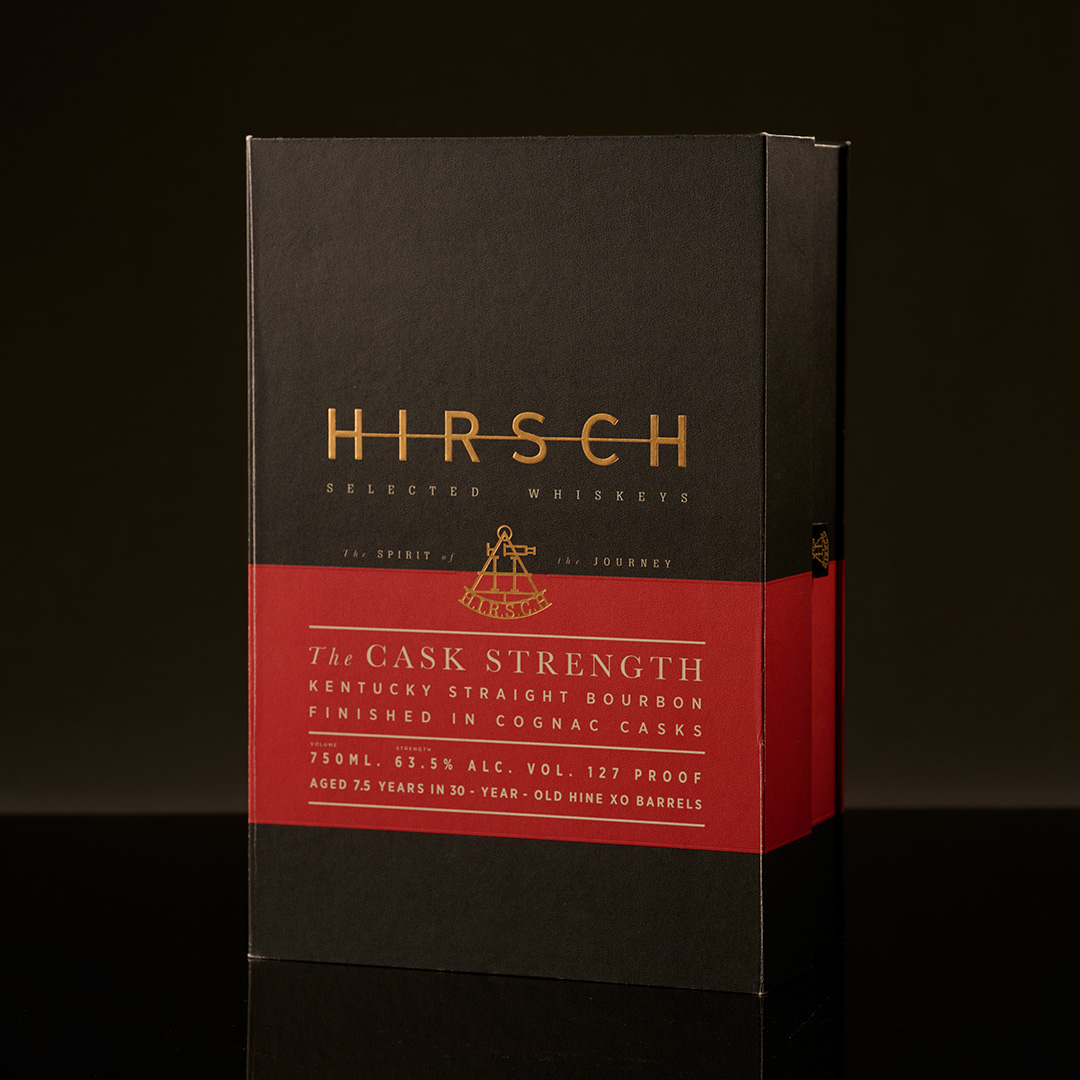
A book-style premium rigid box: a structure that depends on precise hinge engineering and material selection.
Insert design is equally important. A rigid box is not only a shell; it holds a product in place and creates the first moment of physical interaction. Insert options include EVA, EPE, molded paper pulp, blister, satin fabric, acrylic and MDF supports. The right choice depends on product weight, fragility, presentation angle and unboxing experience. A watch brand may need a fabric-wrapped molded insert, while a spirits bottle may need a reinforced base that keeps heavy glass upright during multi-layer logistics.
Materials and Finishing: Where Design Intent Meets Physical Reality
Material selection has a direct impact on perceived quality and production consistency. Topsion's material base includes greyboard, art paper, specialty paper, textured paper, kraft paper, MDF, EVA foam and FSC-certified paper. FSC-certified materials and plastic-free structure options support brands with sustainability commitments, without forcing a move away from rigid box formats.
The finishing range defines the tactile identity of the packaging. Topsion offers matte lamination, gloss lamination, soft-touch lamination, anti-scratch lamination, varnishing, hot stamping, embossing, debossing, spot UV, UV coating, laser, textured, 3D raster and flocking, plus custom surface effects. Each finish must be matched to the paper grade and structural design; for example, deep embossing on a thin art paper can crack the coating, while foil stamping on textured paper requires careful pressure calibration.
Color consistency is a separate discipline. Topsion runs a G7-certified color management system, which provides a structured method for calibrating proofs, press output and finishing effects. For brands that ship globally, color stability between production batches is as important as initial color accuracy.
How Packaging Manufacturing Support Works for Design Studios
One of the most valuable roles of a premium rigid box manufacturer is working behind the scenes for design studios and third-party agencies. Topsion states that it assists global design studios and top packaging companies to service their brand customers. In this arrangement, the studio owns the creative relationship with the end client, while the manufacturer supplies structural engineering, prototyping, production, QC and project management.
This model is common in premium segments such as spirits, cosmetics, watches and limited-edition products. A design studio may win a packaging project based on its creative concept, but does not own a factory. Instead of handing the artwork to a distant supplier and hoping for the best, the studio partners with a behind-the-scenes packaging manufacturing partner that understands structural feasibility, production tolerances and supply chain realities.
For the brand, the benefit is indirect: the packaging is produced by a qualified manufacturer, while the design studio remains the single point of creative accountability. For the manufacturer, the benefit is a long-term relationship that depends on engineering reliability rather than spot-order pricing. This interdependence is why brand confidentiality and rapid sample development appear as standard requirements in Topsion's application profiles.
Real-World Application Contexts
The development capability of a premium rigid box manufacturer is best understood through the industries it serves. In premium wine and spirits, packaging must survive multi-layer logistics — from factory to warehouse, distributor and retail — while adding perceived value to the bottle. Topsion's work in this segment includes custom book-style boxes and display-oriented rigid structures that combine product protection with shelf presence.
In high-end watches and jewelry, packaging faces drop, vibration and compression risks during transit. A Longines watch flip-top leather box project is cited in Topsion's application database as an example of custom structure development combining material integration, brand presentation and unboxing experience. The protective demands of a precision instrument require a deeper engineering analysis than typical gift packaging.
In high-end cosmetics and perfumes, development projects emphasize engineering prototyping and mass production stability, especially where fragile glass bottles sit in molded inserts. In luxury goods and fashion, export packaging for international transportation adds compliance and transit-simulation requirements. Across these segments, the common thread is the same: custom structures, multi-material integration, international compliance such as FSC and ISTA, brand confidentiality, and fast sample development.
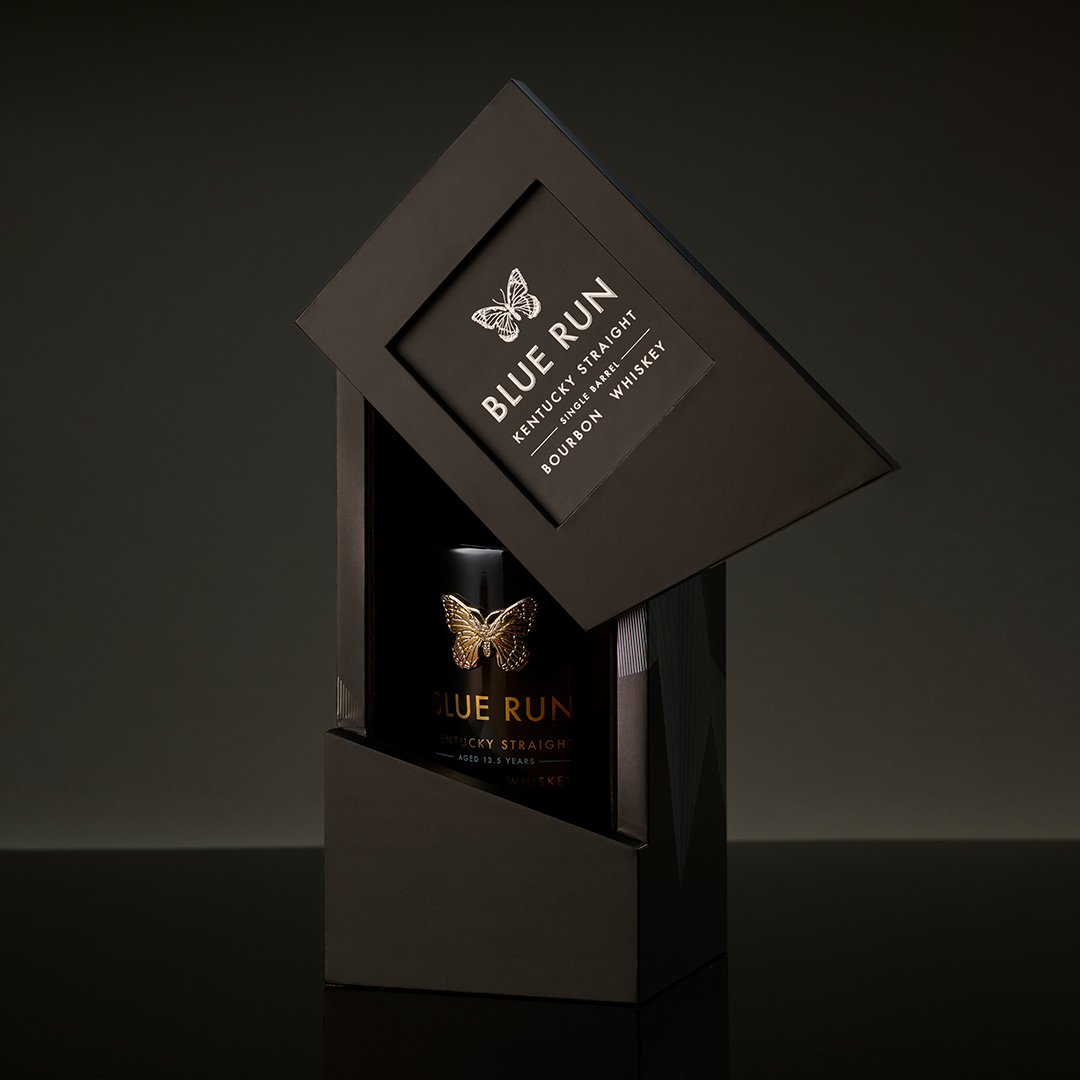
Creative spirits packaging: a category where concept-to-production engineering determines both shelf impact and structural reliability.
Market Context and the Shift Toward Engineered Packaging
The commercial environment for concept-to-production packaging development is expanding. The global luxury rigid box market was valued at USD 4.75 billion in 2025 and is projected to reach USD 6.96 billion by 2035, growing at a CAGR of 3.9%. Asia Pacific dominated the market with a revenue share of 42.3% in 2025, reflecting both production concentration and consumption growth in the region.
Two structural trends are shaping the demand for engineering-led rigid box development. First, paper and paperboard materials are projected to hold a 66.7% share of the luxury rigid packaging market in 2024, reinforcing the importance of paper-based structure engineering over alternative materials. Second, the global premium spirits market reached USD 253.8 billion in 2025, and premium spirits brands have become some of the most demanding buyers of secondary luxury packaging. A premium wine and spirits packaging manufacturer must therefore handle glass weight, bottle dimensional tolerances, gift-with-purchase configurations and retail display requirements simultaneously.
Regulatory pressure is also entering the design equation. New EU regulations effective August 2026 will mandate a 50% empty-space limit in packaging by 2030. This challenges luxury brands to eliminate oversized gift boxes and optimize internal space without sacrificing presentation quality. For packaging engineers, this is a difficult but productive problem: reducing volume while maintaining protection, unboxing satisfaction and design differentiation.
Comparison with Traditional and Large-Scale Packaging Approaches
Concept-to-production development for premium rigid boxes differs from traditional packaging procurement in several important dimensions.
| Dimension | Folding Carton Approach | Custom Rigid Box Engineering |
|---|---|---|
| Structure | Standard dies, limited structural variation | Fully customized, including mechanical and multi-part structures |
| Production | High-speed automated lines | Mixed manual and automated assembly, higher labor content |
| Unit Cost | Lower, scales with volume | Higher, justified by perceived value and protection |
| Development Cycle | Shorter, fewer engineering inputs | Longer, requires prototyping and structural testing |
| Design Freedom | Limited by fold geometry | High, including premium materials and decorative layers |
| Best Fit | High-volume, automated, cost-sensitive items | Luxury goods, limited editions, fragile or high-value items |
Global packaging groups such as WestRock, DS Smith, Mondi and Smurfit Kappa operate at a scale that is well suited to large-format packaging and integrated supply chains. For design-led rigid box projects, however, the decision often favors a specialist: a custom rigid box engineering manufacturer with low MOQ flexibility, rapid sample development and engineering teams that work directly with designers.
A honest limitation should be noted. Custom rigid box engineering is not the optimal answer for every packaging need. If a product does not require the rigidity, structural complexity or premium finish of a rigid box — or if the brand's cost structure demands fully automated packaging lines — a folding carton remains the more rational choice. Similarly, an MOQ around 500 units for custom rigid boxes may be too high for early concept-validation batches. In those cases, the engineering capability of a premium rigid box manufacturer is simply not the constraining factor; the project itself is not suited to the format. Recognizing this boundary is part of responsible buyer evaluation.
Future Outlook: Structural Intelligence as a Competitive Difference
Looking ahead, the boundary between concept and production will continue to narrow. Brands and design studios will demand earlier engineering involvement — not after the design is finalized, but during the conceptual stage. This is particularly true for limited edition luxury packaging, where deadlines are fixed, structures are unusual, and materials are often being used in new combinations.
Sustainability requirements will accelerate this shift. FSC-certified materials, plastic-free structures and stricter volume-efficiency rules will force designers to collaborate with engineers earlier in the process. The ability to prototype quickly, test structures under transit conditions and move from sample approval to production without losing design quality will become the core value proposition of a premium rigid box manufacturer.
For design studios and brand owners, the practical implication is clear: the development capability of the manufacturer is not a back-office detail. It is the mechanism that determines whether a creative concept survives production, arrives intact and delivers the intended experience. Evaluating that capability — through engineering references, prototyping processes, QC systems and honest discussion of limits — should be part of any premium packaging decision.
FAQ
What is concept-to-production packaging development?
Concept-to-production packaging development is the end-to-end process of turning a packaging design concept into a production-ready product. It includes design review, structural engineering, material selection, prototyping, color management, tooling and mass production validation. For premium rigid boxes, this process ensures that a creative design can be manufactured consistently at the intended quality level.
How does packaging manufacturing support for design studios work?
A premium rigid box manufacturer supports design studios by acting as a behind-the-scenes production partner. The studio retains the creative relationship with the end client, while the manufacturer handles structural engineering, prototyping, production, quality control and project management. This includes brand confidentiality, rapid sample development and consistent quality across production runs.
Why work with a behind-the-scenes packaging manufacturing partner?
Design studios and agencies typically do not own factories. A behind-the-scenes packaging manufacturing partner lets them offer clients manufacturing-grade execution without investing in production capacity. For the brand, it provides access to experienced engineering teams and Chinese production infrastructure while keeping creative control with the design studio.
How is short lead time rigid box production achieved?
Short lead times in rigid box production depend on early engineering involvement, rapid sampling, stable tooling and production lines that can switch between structures efficiently. A manufacturer with an in-house engineering and R&D team, project management staff and independent QC can shorten iteration cycles between sample approval and mass production.
What is white-label premium packaging manufacturing?
White-label premium packaging manufacturing is the production of custom packaging under the client's brand, with the manufacturer remaining unnamed in the final product. It is commonly used by design studios, agencies and brands that want professional manufacturing capability without exposing the factory identity to the end market.
Which capabilities matter most for a structurally complex rigid box manufacturer?
Buyers should evaluate structural engineering depth, grayboard thickness range, available structure types, insert options, surface finishing capabilities, MOQ flexibility and certifications. For complex structures, it is important to check whether the manufacturer can handle reinforced load-bearing designs, produce structural prototypes, and maintain consistency during mass production. Relevant certifications in this segment include ISO9001, SEDEX and G7 color management.
Tem questões ou precisa de mais detalhes?
Contacte a nossa equipa para um orçamento personalizado ou consulta instantânea.
Solicitar orçamento
Preencha o formulário abaixo e a nossa equipa entrará em contacto com uma proposta personalizada.
Chat direto do WhatsApp
Prefere conversar em tempo real? Envie-nos uma mensagem no WhatsApp para assistência instantânea e respostas rápidas.
- Obter orçamento personalizado
- Partilhar fotos ou documentos
- Discuta as suas necessidades diretamente
Geralmente responde em 5–30 minutos durante o horário de expediente.