
Concrete Mixing Plant Supplier Long-Term Evaluation: Modularity, Intelligence, Scope
Concrete Mixing Plant Supplier Long-Term Evaluation: Modularity, Intelligence, Scope
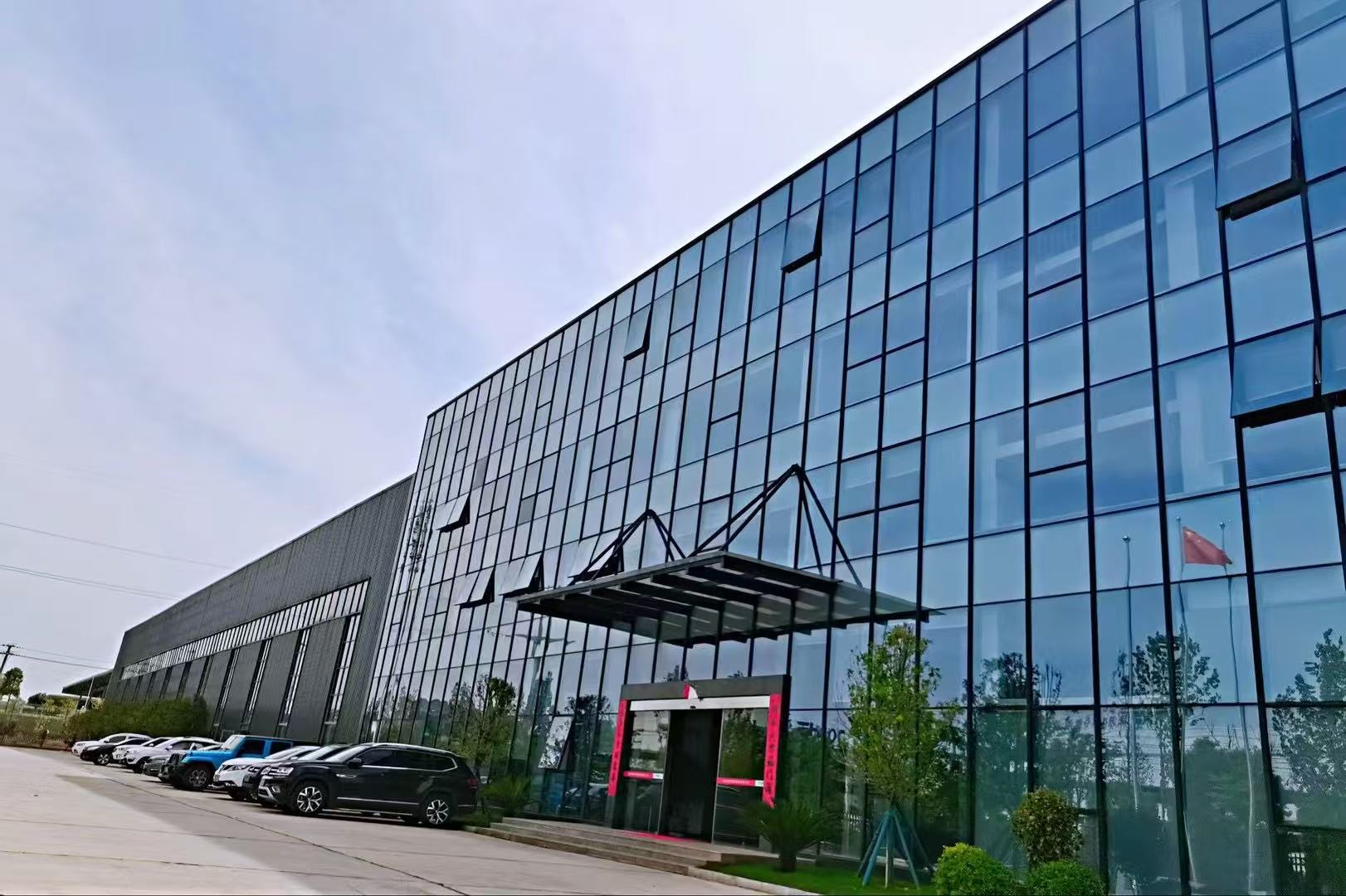
Long-term evaluation of a concrete mixing plant supplier should begin with one question: can the plant remain productive after the first project, through relocation, material changes and the next tender? That question is more useful than a second round of price comparison alone. At the Decision-to-Execution stage, buyers need evidence that the plant, its control package and the supplier's scope definition will still work when the site changes, the mix design moves toward manufactured sand, or a second plant is added to the same operator team.
Hangzhou Jusheng Machinery & Equipment Co., Ltd. is a China-based manufacturer of concrete mixing plants and related equipment. Its stated portfolio includes intelligent concrete mixing plants and mobile mixing equipment. The company reports an R&D team of 80 engineers, serves markets in the Middle East, Southeast Asia, Africa, Europe, Central Asia, West Asia, Australia and South America, and exports about 80% of its products. It also states a service chain covering customized solutions, equipment delivery, installation and commissioning, and lifelong maintenance.
Those facts do not prove that every Jusheng configuration fits every project. They do show why the supplier should be evaluated as a long-term equipment and scope partner, not only as a mixer vendor. The practical test is modularity, optional intelligence and supporting-equipment coverage, checked against the buyer's project sequence.
The project-cycle test: what changes after commissioning
A concrete mixing plant is often bought for one project but used across several. A commercial ready-mix concrete batching plant may stay at one location for years, while a highway or railway project may move the plant two or three times. An automatic concrete batching plant may be specified for labor reduction, but the buyer still has to define who operates it, who calibrates it and who supports it after relocation.
This is where a long-term view differs from a first-cost view. The buyer should ask three questions before comparing final prices. First, how much of the plant is pre-assembled and tested before shipment? Second, which intelligent functions are included, and how will they be accepted? Third, does the supplier's scope cover the interfaces between batching, conveying, mixing, metering and control, or does it stop at the mixer?
The answers determine whether the plant remains a production asset or becomes a collection of components that must be re-engineered at each site. They also shape the spare-parts and service conversation that follows commissioning.
Modularity: factory pre-assembly, rapid installation and relocation
Modularity is not a visual style. It is a delivery method that moves work from the site to the factory. Available product information describes a four-layer full-machine modular structure. The complete machine is pre-assembled and debugged in the factory before delivery, and the modular design is stated to reduce on-site installation workload by 20% compared with traditional site-welded construction.
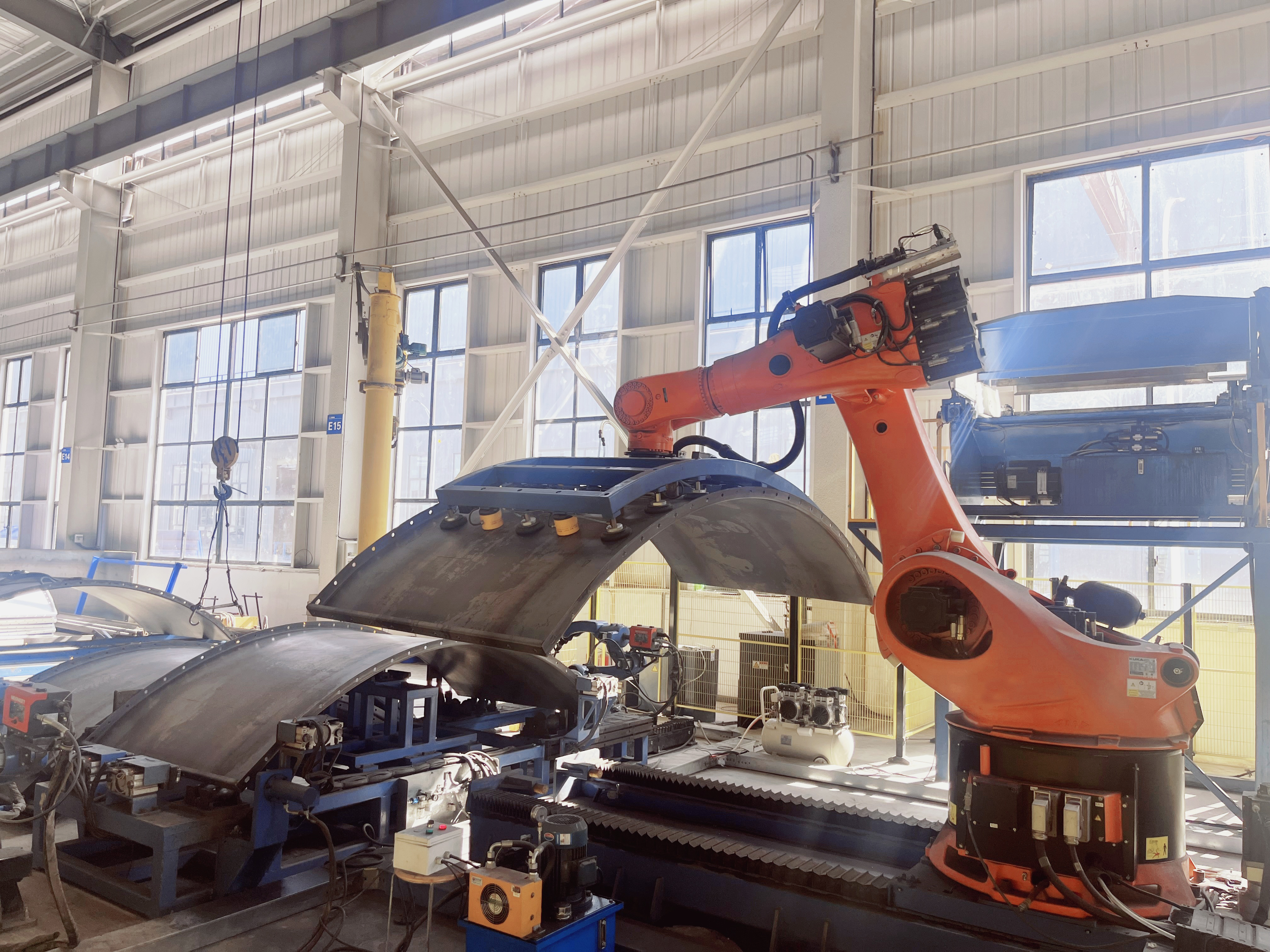
That reduction is useful, but it should not be read as zero site work. Foundations, leveling, power supply, water and air lines, aggregate receiving and commissioning interfaces still need to be defined. The long-term value comes from repeatability: factory alignment and pre-testing reduce the variability that appears when final quality depends mainly on on-site welding and worker technique.
The mobile concrete batching plant extends the same logic to relocation. The HZS120Y is described as a 120 m³/h plant with all components integrated onto a single-piece chassis with axles and tires, allowing the unit to be towed and relocated. It uses a 2000 L mixer with SICOMA or SDMIX options and is stated to be ready for operation about three days after arrival. Its installed power is 160 kW, compared with 210 kW for the stationary HZS120 of the same nominal capacity. On the stated figures, specific energy consumption is about 1.33 kWh/m³ for the mobile plant and about 1.75 kWh/m³ for the stationary plant.
Those figures apply to the stated 120 m³/h class and configuration; they are not a universal energy promise. The fit boundary is also clear. The mobile plant needs a leveled concrete surface, and it is suited to phased projects, highway or railway work and operations requiring frequent relocation. A stationary concrete batching plant is usually the better fit for long-term fixed production at a commercial ready-mix site, where foundation investment is spread over many years and relocation is not expected.
For buyers comparing a stationary plant with a mobile plant, the relocation cost should be calculated per move, not only at purchase. A stationary plant may require disassembly, hoisting and new foundations. A mobile plant avoids that dismantling cycle but still requires site preparation and transport planning. The correct comparison includes the number of moves expected over the ownership period.
Intelligence: optional configurations that need acceptance tests
Intelligent features should be treated as scope items, not as a general 'smart plant' label. The supplied comparison material identifies several optional or configurable functions that matter for long-term operation: dual-control for two plants, online slump monitoring based on mixer motor current, powder silo level monitoring with ±2% accuracy, and internal vibration for manufactured-sand applications.
The dual-control option is described as allowing one operator to manage two mixing plants, with a 50% labor-cost reduction based on internal data. That figure is a supplier internal estimate, not an independent benchmark. The buyer should test it against local manning rules, shift patterns, the distance between plants and the actual level of automation. The benefit is strongest where two plants share one operator team and a common data system; it is weaker where sites are far apart or local rules require separate attendance.
Online slump monitoring is described as real-time monitoring based on the mixer motor current curve, whereas standard plants rely on manual testing after the concrete leaves the plant. The method is indirect: it infers workability from motor load rather than measuring slump directly. Buyers should therefore agree how the reading is correlated with site slump tests, how aggregate moisture changes are handled, and what alarm or adjustment action follows an out-of-range reading.
Powder silo level monitoring is stated at ±2% accuracy relative to maximum capacity. That qualification matters. A ±2% figure relative to maximum capacity is not the same as ±2% of the current inventory in kilograms. For reorder points, reconciliation and emergency purchasing, the buyer should confirm the units, the silo shape assumptions and the calibration procedure. The long-term value is not only inventory accuracy; it is fewer manual checks, fewer overflow or shortage events and better coordination with batching records.
For manufactured-sand mixes, internal vibration is a relevant option. Available product information cites a 20% improvement in vibration effectiveness. A dual-pivot arrangement is not established as standard in that information, so buyers should require the supplier to state the pivot configuration, the vibrating elements, the mounting arrangement and the acceptance method in the technical offer. The point is not to assume a feature from a category label; it is to make the offered configuration explicit.
Intelligence also has a cost boundary. The comparison material notes that the intelligent package carries a higher initial investment than standard control, and that standard control can be appropriate for small single-plant operations with no strict automation requirement. A long-term buyer should justify the package through labor consolidation, inventory control, data integration and maintenance response, not through the word 'intelligent' alone.
Scope: the five interfaces that determine long-term usability
Scope completeness is where many long-term costs hide. A supplier may quote a mixing unit but leave the aggregate batching station, belt conveyor, metering system, control system or control-room civils to another party. That can work, but only if the interfaces are defined before the order. The table below converts the main scope elements into evidence points and verification questions.
| Scope element | Evidence point in supplied information | Long-term verification question |
|---|---|---|
| Aggregate batching | Aggregate weighing accuracy is stated at ±2%; bin count and layout depend on the plant model and mix design. | Does the offer include the required number of bins, moisture correction and dust control for the actual aggregates? |
| Belt conveying | Seamless material flow technology is stated to increase belt conveying efficiency by 20% and reduce first-load discharge time by 10%. | Are belt alignment, sealing, spillage control and replacement access covered after relocation? |
| Mixing unit | Mixer options include SICOMA, BHS, SDMIX and DK; the HZS120 class uses a 2000 L SICOMA MAO3000/2000 with 37 kW × 2 motors, and the BHS 3.0 m³ class is positioned at a higher cost level. | Is the mixer brand, model, liner and arm life, shaft-seal support and spare-parts source stated in the contract? |
| Metering system | Aggregate accuracy is stated at ±2% and cement at ±1%; load-cell brand and calibration affect long-term drift. | What is the calibration interval, test method and traceability record for each scale? |
| Control system | Automatic control is available; optional dual-control, ERP interface, online slump monitoring and silo level monitoring are described in the comparison material. | Does the scope include the operator interface, data export, remote support and any required control-room enclosure? |
| Control room and civils | The confirmed control content is the automatic control system and optional ERP interface; an enclosed control room is not established as standard scope in the supplied information. | If a control room is required, is it listed as a separate civil or supply item with clear responsibility? |
The table is not a substitute for a project-specific scope matrix. It is a way to stop a common gap: assuming that a complete plant quotation covers every interface. For a long-term buyer, the most expensive missing item is often not the mixer but the interface between two suppliers.
Application fit: commercial, engineering, expressway and high-speed railway
Commercial and ready-mix production
For a ready-mix concrete batching plant at a fixed location, the priority is stable output, metering consistency and spare-parts support. A stationary concrete batching plant in the HZS series, such as the HZS120, is a more natural fit than a mobile unit when the site will not move. The optional dual-control package may suit an operator running two plants, but it should be justified by the actual manning plan. Mixer selection also matters: SICOMA and BHS options have different cost and maintenance profiles, and the BHS 3.0 m³ class is positioned at roughly twice the cost of the comparable SICOMA unit in the supplied comparison.
Engineering and expressway projects
Engineering and expressway work often involves phased sites, temporary batching locations and a need to restart production quickly. The mobile concrete batching plant is the clearer fit where relocation is expected. The HZS120Y's single-piece chassis, three-day readiness statement and lower installed power are useful evidence points, but the buyer should still verify the towing route, foundation leveling, aggregate receiving arrangement and local transport permits.
The same project may use a stationary plant for a long-term base and a mobile plant for spread sites. That mixed strategy can be more practical than forcing one plant type to serve every location. The decision should follow the relocation plan, not a preference for mobile or stationary equipment in general.
High-speed railway and high-grade concrete
High-speed railway projects can require high-grade concrete and strict quality interfaces. The comparison material positions BHS as a high-end mixer option for high-grade applications, including high-speed rail, while Jusheng's configurable list includes SICOMA, BHS, SDMIX and DK. That is a configuration choice, not a blanket approval for every high-speed railway specification. The buyer should verify the required mixer type, mixing uniformity evidence, metering accuracy, control records and acceptance tests against the project specification.
Modular installation and complete scope matter here because the plant must fit a demanding schedule and a defined quality system. A supplier that can pre-assemble and test more of the plant before shipment reduces the number of site interfaces that must be coordinated under time pressure.
Where traditional site-welded plants still fit
Traditional site-welded plants can be appropriate for local, long-term fixed sites where initial investment is the dominant constraint, labor costs are low and relocation is not expected. The fit boundary is important. On-site welding quality depends heavily on worker technique, anti-corrosion coating can be inconsistent, and the structure is not designed for repeated dismantling. A modular plant carries a different cost profile; its advantage appears when installation speed, export containerization, relocation or residual value matter.
The same boundary applies to control. A standard automatic control system may be sufficient for a small single-plant operation with no strict data-integration requirement. The optional intelligent package makes more sense where two plants share an operator team, where silo inventory accuracy affects purchasing, or where slump monitoring can reduce rework. It should not be sold as a universal requirement.
Market context: what third-party data does and does not show
Third-party estimates help frame the procurement discussion, but they do not prove any supplier's performance. Global Market Insights valued the global concrete batch plants market at USD 3.8 billion in 2024. Credence Research estimated Asia-Pacific at a 38% revenue share in 2024. UN Comtrade and WITS recorded China exports of concrete or mortar mixers under HS 847431 at USD 276.9 million in 2023. Global Market Insights also estimated that the infrastructure segment accounted for 39.4% of the mobile concrete batch plant market in 2024.
These figures support attention to mobility, regional supply and infrastructure demand. They do not establish that a particular plant is suitable for a particular project, and they should not be used as a substitute for a factory pre-assembly check, a scope matrix or an acceptance test. ISO 19720-1:2017 establishes terminology and commercial specifications for concrete mixing and batching plants; it is useful for aligning contract language, not as a performance certificate.
Future outlook: clearer evidence, not longer feature lists
The practical outlook for buyers is not a forecast of demand. It is a change in the evidence they should request. A supplier evaluation for the next project cycle should ask for factory pre-assembly records, a reinstallation procedure, a scope matrix, calibration and acceptance methods for intelligent options, and a spare-parts plan that still works after relocation.
For the supplier, the long-term argument is therefore stronger when it is specific. Modularity should be shown through pre-assembly and installation evidence. Intelligence should be shown through defined functions, calibration and support. Scope should be shown through a complete interface list. Buyers can then compare suppliers on what remains usable after commissioning, not only on the opening price.
FAQ: Long-term supplier evaluation
What are the purchasing terms and acceptance criteria for a concrete batching plant order?
The supplied purchasing terms state a minimum order quantity of one unit, FOB or CIF delivery terms, a pre-shipment test as the acceptance criterion, and payment of 30% by T/T with the full balance before delivery. These are commercial terms; the technical offer and acceptance plan should still define the tested scope, the test method and the documents required before shipment.
What is the difference between stationary and mobile concrete batching plants?
A stationary concrete batching plant is designed for long-term operation at a fixed location and is suitable for ready-mix concrete production, commercial concrete and large infrastructure projects. A mobile batching plant is designed for faster installation, relocation and flexible production at different job sites. The better choice depends on project duration, required output, relocation frequency and site conditions.
What capacity of concrete batching plant do I need?
Required capacity depends on concrete demand, project type, working hours, peak production requirements and transport distance. Common capacities include 25 m³/h, 35 m³/h, 60 m³/h, 90 m³/h, 120 m³/h, 180 m³/h, 240 m³/h and 270 m³/h. Small construction projects often use 25-60 m³/h; commercial ready-mix concrete often uses 60-180 m³/h; large infrastructure projects often use 120-270 m³/h or more. The selection should consider actual hourly production and expected utilization, not theoretical capacity alone.
Which mixer is best for a concrete batching plant?
Twin-shaft mixers are widely used for ready-mix concrete and large-scale production because they provide fast, intensive mixing with high throughput. Planetary mixers are suitable where mixing uniformity is critical, including precast concrete, dry concrete and special concrete. Jusheng can configure SICOMA, BHS or other suitable mixer options according to the concrete type, output and project requirements. The correct choice depends on the mix design and the project quality specification, not on mixer category alone.
The DKTEC concrete batching plant brochure is available for download: Concrete batching plant brochure (PDF).
Tem questões ou precisa de mais detalhes?
Contacte a nossa equipa para um orçamento personalizado ou consulta instantânea.
Solicitar orçamento
Preencha o formulário abaixo e a nossa equipa entrará em contacto com uma proposta personalizada.
Chat direto do WhatsApp
Prefere conversar em tempo real? Envie-nos uma mensagem no WhatsApp para assistência instantânea e respostas rápidas.
- Obter orçamento personalizado
- Partilhar fotos ou documentos
- Discuta as suas necessidades diretamente
Geralmente responde em 5–30 minutos durante o horário de expediente.