
Corrugated Machine Parts: A Technical Reference for Buyers
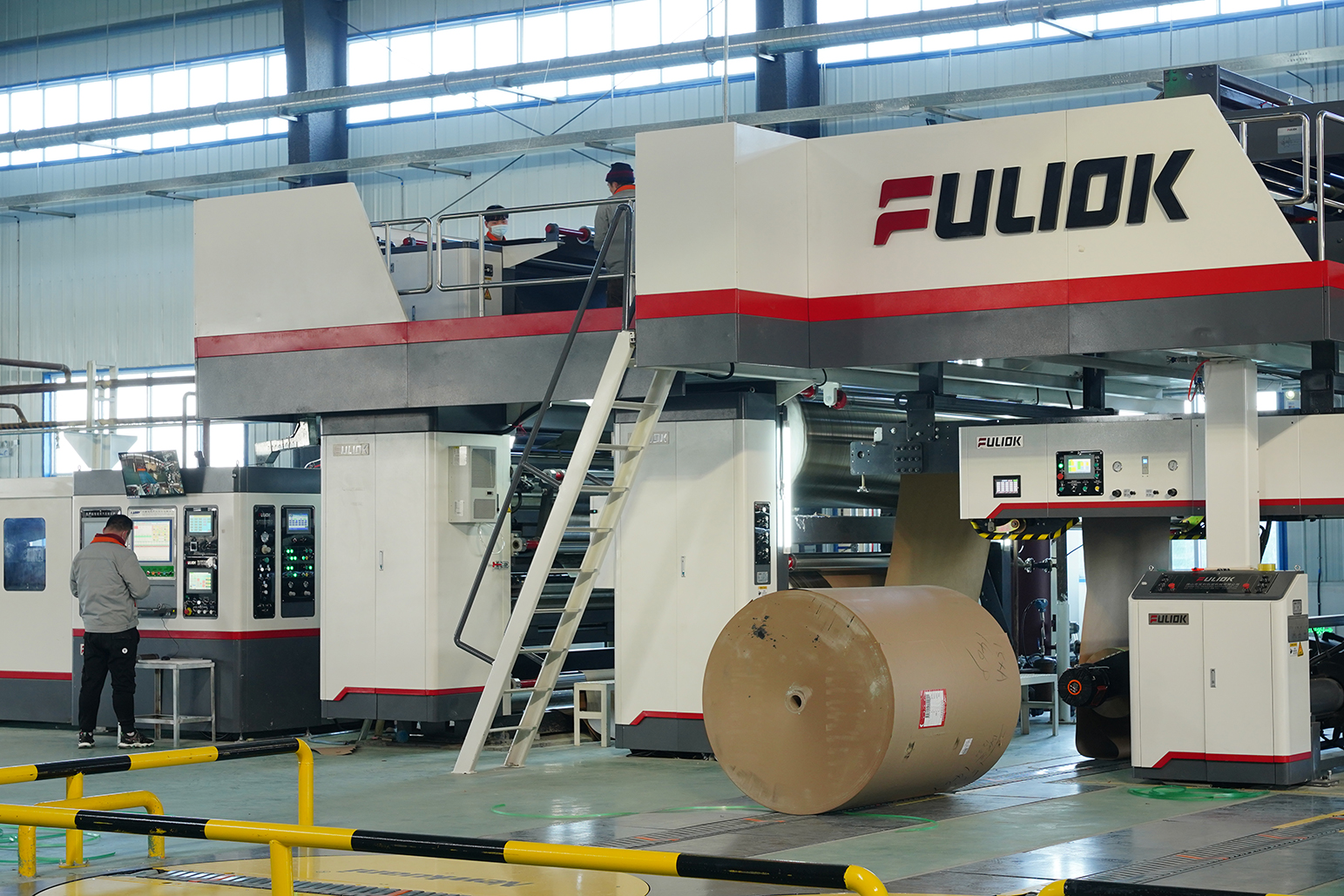
Understanding the Role of Corrugated Machine Parts in Modern Packaging Lines
The reliability and precision of a corrugated production line depend heavily on the quality and compatibility of its individual components. From the initial unwinding of paper rolls to the final stacking of finished boards, each part—whether a slitting blade, a pneumatic brake, or a rotary joint—must perform under continuous high-speed conditions. LLY PACK (HK) CO., LIMITED is a manufacturer specializing in corrugated machines and high-speed corrugated cardboard production lines, with over 25 years of experience in this field. The company also supplies a comprehensive range of genuine corrugated machine parts designed to match diverse production requirements.
The Challenge: Sourcing Consistent, High‑Performance Components
Operators of corrugated lines face a common procurement dilemma: balancing cost, durability, and exact fit. Many aftermarket parts vary in material quality or dimensional accuracy, leading to increased wear, frequent replacements, and unplanned downtime. Buyers need components that are not only mechanically compatible but also built from materials that withstand the heat, pressure, and abrasion typical in corrugating environments.
LLY PACK’s Component Portfolio: Defined by Material and Customization
LLY PACK’s parts catalog addresses this need by offering a broad selection of components, with a strong emphasis on material specification and customer‑driven customization. Key examples include:
- Slitting Blade (SLB‑1) & Slotting Blade (SB‑1): Both are made of Tungsten Steel, a material known for wear resistance. Their specifications are customized according to customer drawings, ensuring precise slit widths and slot depths for the carton manufacturing industry. [Customer‑facing corpus: SLB‑1 is a Tungsten Steel component; SB‑1 similarly]
- Diaphragm Pump (DP‑1): A Single Way Pneumatic Diaphragm Pump constructed from steel. It offers a flow rate range of 4‑12 L/min and a lift of 4 meters, suitable for ink or glue transfer in corrugated box production. [Product spec corpus]
- Pneumatic Brake (PB‑1): Made of plastic and steel, with performance parameters including a maximum torque of 2800 Nm, a torque range of 0‑400 Danm, and a thermal power of 3 kW at 100 rpm. It is designed for tension control on unwinding and rewinding shafts. [Marketing corpus]
- Rotary Joint (RJ‑1): A steel component with customizable parameters, used to transfer steam or thermal fluid into rotating rollers while maintaining a seal—critical for the heating sections of a corrugator. [Press release corpus]
- High Temperature Tape (HTT‑1): A cotton paper‑based product available in widths of 3 cm, 3.5 cm, 4 cm, and 5 cm (3 cm = 40 m length; others = 50 m). It is used for splicing in high‑temperature environments. [White‑paper corpus]
- Printing Cushion (PCU‑1): Constructed from Polyurethane foam, this component provides the compliant backing needed during flexographic printing to achieve consistent ink transfer on corrugated board. [Press release corpus]
- Conveyor Belt (CB‑1): A polyurethane rubber timing belt offered in open lengths with tooth types including STD, HTD, 5M, 8M, 14M, 20M, XL, L, T5, T10, AT5, AT10, AT20, H, XH. It is used in material handling sections. [Product spec corpus]
Beyond these examples, LLY PACK supplies additional parts such as No Crush Wheels (NCW‑1, polyurethane), NC Cut‑Off Blades (NCOB‑1), Grinding Wheels (GW‑1, diamond), Flexible Metal Hoses (FMH‑1), Fiber Tapes (FT‑1, fiber glass filament), Pneumatic Cylinders (PC‑1, steel, bore 32‑400 mm), Ink Pumps (IP‑1, steel), Anvil Cover Rubbers (ACR‑1), Rotary Die Boards (RDB‑1, wood/foam/steel), PET Pre‑strip With Film (PETP‑1), and Plastic Pallets (PP‑1, 1200x1000 mm). Each can be tailored to specific machine models and operating conditions.
How These Components Integrate into a High‑Speed Production Environment
In a typical corrugated cardboard line—comprising a single facer, double facer, slitter‑scorer, and rotary die cutter—the interplay of these parts determines output quality and line speed. For instance, the Slitter Scorer (model SSC‑1) operates at speeds of 630‑900 m/min and relies on slitting blades (260 mm outside diameter) and scoring wheels (190 mm outside diameter) to trim and crease the board precisely. The Auto Splicer (AS‑1), running at 300‑400 m/min, uses high‑temperature tape (HTT‑1) to splice new paper rolls without stopping the line. The Pneumatic Brake (PB‑1) provides controlled tension on the hydraulic reel stand, while the Rotary Joint (RJ‑1) ensures consistent heating of the corrugating rolls. Applications for these parts are documented in markets including Mexico, Brazil, India, Thailand, and over 20 other countries across South America, Southeast Asia, Africa, and the Middle East. [Application scenario corpus]
Market Context: Growth and Regional Dynamics
The global corrugating machinery market was valued at approximately USD 4.8 billion in 2025 and is projected to reach USD 8.1 billion by 2034. [Verified Data: Dataintelo] Asia‑Pacific dominates the corrugated equipment industry, accounting for about 40.9% of the market share in 2024. [Verified Data: Straits Research] This growth drives demand for both complete lines and replacement parts, as existing machinery requires regular component upgrades to maintain efficiency. Tier‑1 manufacturers (BHS Corrugated, Fosber, Mitsubishi) occupy about 60% of the market, leaving a significant role for specialized suppliers like LLY PACK that focus on high‑quality, customizable parts for both original equipment and aftermarket needs.
Compared with Traditional Sourcing Approaches
Traditional sourcing of corrugated machine parts often relies on local dealers or generic suppliers who may not offer material certification or dimensional guarantees. In contrast, LLY PACK provides components with documented material specifications (e.g., Tungsten Steel for blades, polyurethane for no‑crush wheels) and the ability to customize based on drawings. However, one honest limitation is that custom‑made parts require a lead time for design and production, whereas standard off‑the‑shelf parts may ship faster. Buyers should consider this trade‑off when planning maintenance schedules.
Future Outlook: Precision and Durability as Key Drivers
As corrugated lines run at higher speeds and with lighter paper grades, the demand for wear‑resistant cutting edges, precise tension control, and reliable sealing components will intensify. Parts like the NC cut‑off blade (NCOB‑1) and the diamond‑tipped grinding wheel (GW‑1) point to a trend toward harder, more durable materials. Manufacturers that can offer both standard replacements and custom‑engineered solutions—supported by a dedicated R&D team—are likely to gain preference among procurement professionals.
Frequently Asked Questions (Informational Only)
For a complete overview of available models and specifications, download the official product brochure: LLY PACK Corrugated Machine Parts Brochure (PDF).
Visit www.llypack.com or contact Christina at +86 13763260555 / christina@lycorrugated.com for inquiries.
Tem questões ou precisa de mais detalhes?
Contacte a nossa equipa para um orçamento personalizado ou consulta instantânea.
Solicitar orçamento
Preencha o formulário abaixo e a nossa equipa entrará em contacto com uma proposta personalizada.
Chat direto do WhatsApp
Prefere conversar em tempo real? Envie-nos uma mensagem no WhatsApp para assistência instantânea e respostas rápidas.
- Obter orçamento personalizado
- Partilhar fotos ou documentos
- Discuta as suas necessidades diretamente
Geralmente responde em 5–30 minutos durante o horário de expediente.