
Cosmetic Aerosol OEM: BOV & Can Qualification
Cosmetic Aerosol OEM: BOV & Can Qualification
Cosmetic Aerosol OEM: BOV & Can Qualification
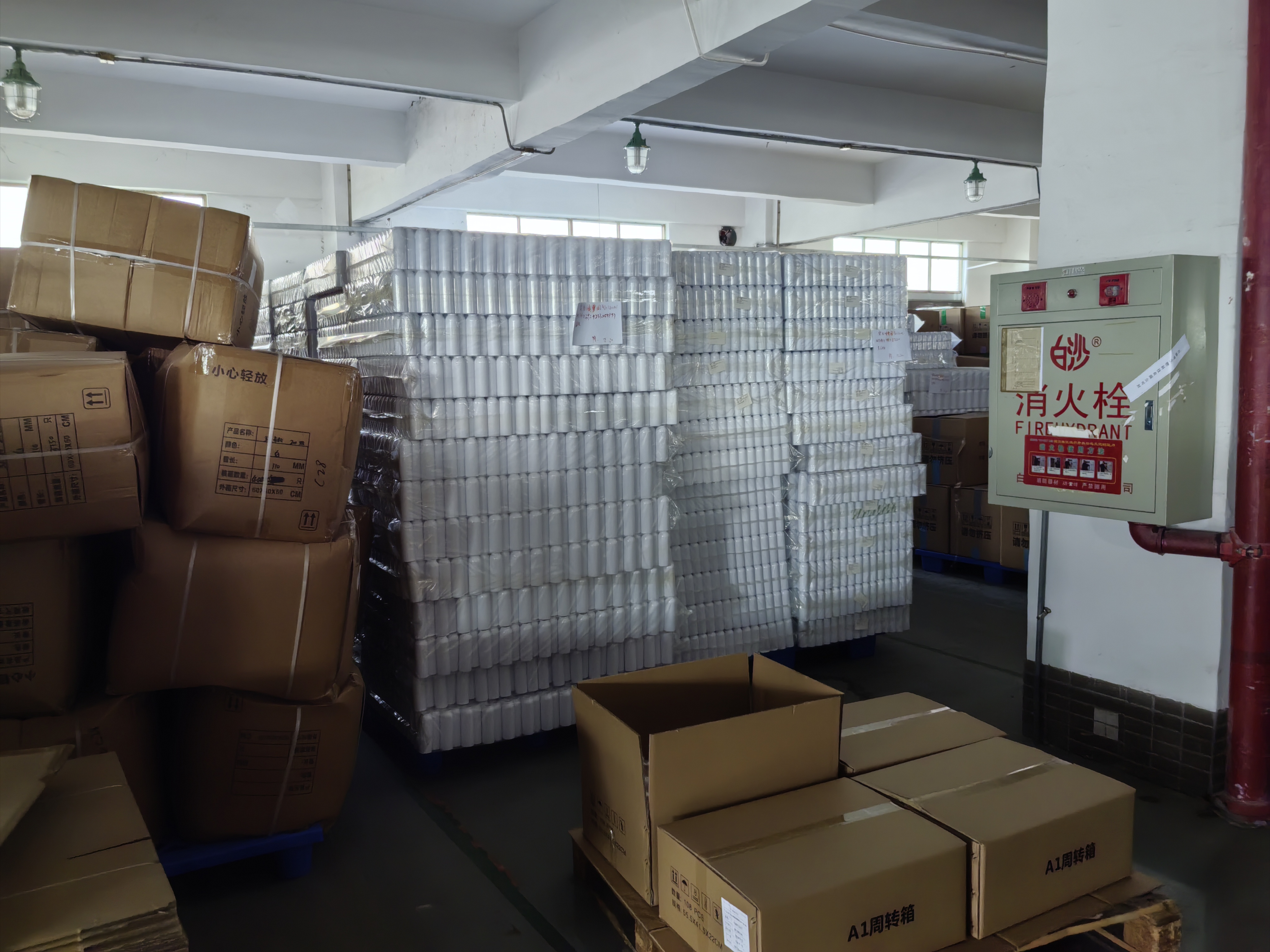
For a Cosmetic Aerosol Products OEM project, the packaging decision and the supplier qualification decision should be checked separately. Bag-on-Valve (BOV) and conventional aerosol systems differ in how the formula and propellant are arranged; an aluminium aerosol can is a primary-packaging choice whose exact volume, finish and dispensing configuration must be confirmed for the product being purchased. Neither a technology label nor a can material alone proves that a finished product meets a buyer’s formula, quality, export-document or market-registration requirements.
Guangzhou Yongcheng Cosmetics describes itself as a cosmetic aerosol OEM and ODM supplier and says it supports both BOV and conventional aerosol products. Its published materials also identify dedicated aerosol lines and technical support from development to mass production. Those statements provide a starting point for screening, not a substitute for checking current certificates, product-specific specifications, samples and order terms before approval.
Start with the procurement distinction: packaging technology versus can specification
BOV is a dispensing and product-isolation configuration. Aluminium is a packaging-material description. A buyer should therefore avoid treating “BOV aerosol” and “aluminium aerosol can” as competing alternatives on one axis. The first question is whether the formula should be separated from the propellant. The second is whether the proposed can, valve, actuator and fill configuration are specified and acceptable for the product. The evidence supplied for a 300 ml fine-mist aerosol, for example, identifies an aluminium can, a 300 ml container volume and a labelled net weight of 10.14 oz. It does not establish that this example uses BOV or that the same packaging specification applies to another SKU.
This separation matters during quotation and approval. A quotation that names only “aluminium can” leaves the dispensing system and formula–package configuration unclear. A quotation that names only “BOV” leaves the can size, label declaration, nozzle or spray pattern, and commercial configuration unclear. Buyers should record these as linked but distinct line items in the approved product specification, then make the supplier’s sample and production order reference that same approved version.
BOV and conventional aerosol: compare the mechanism, fit and cost
In a BOV package, the cosmetic formula is sealed inside a flexible inner bag. Non-flammable propellant—described in the supplied materials as compressed air or nitrogen—is held in the space between the bag and the can. Pressing the nozzle allows the outer gas to squeeze the bag and push the product through the valve. The formula and propellant do not directly mix. In a conventional aerosol, the supplied comparison describes BOV’s distinguishing feature as keeping the formula isolated from propellant gas; it does not provide a full technical specification for every conventional valve, propellant or formulation. Buyers should compare actual proposed configurations rather than assume every conventional aerosol uses the same design.
That separation can be relevant when a project prioritizes a formula that should not directly contact the propellant. Supplied product-fit information lists alcohol-free perfume, facial mist, sunscreen spray, after-sun care and sensitive body care as possible BOV applications. This is a starting point for evaluation, not proof that every formula in those categories is compatible. Formula composition, intended dispensing performance and market requirements still need product-specific review.
The supplied material also attributes 360-degree spraying at different orientations, product utilization of up to 99%, formula stability and longer shelf life to BOV. These are stated technology claims, not test results for every formula, can, valve or finished product. A buyer should request the evidence and conditions behind any performance value that affects a specification or label claim. In particular, “up to 99%” should not be converted into a guaranteed evacuation level for a proposed SKU without supporting, product-specific validation.
The commercial trade-off is explicit: BOV hardware has a higher unit cost than standard aerosol hardware. The decision is therefore not simply “more advanced” versus “less advanced.” It is whether formula separation and the stated dispensing characteristics justify the additional packaging cost for the product’s positioning and target market. If cost is a controlling criterion and the formula does not require separation, a conventional aerosol may remain a candidate. If separation is important, the buyer can evaluate BOV while checking its total quoted cost and proposed performance. The available evidence does not provide comparable prices, so it cannot establish a cost premium amount or overall cost-effectiveness.
Aluminium aerosol can: define the acceptance specification
An aluminium aerosol can should be qualified against an agreed product specification, not accepted solely because the material name appears in a quotation. The supplied example describes a 300 ml aluminium aerosol can used as primary packaging with a fine-mist aerosol spray and a labelled net weight of 10.14 oz. This is a concrete reference point for the type of information a buyer can put into a specification. It is not a universal size or fill target, and the example does not provide can dimensions, wall thickness, internal coating, valve details, pressure limits or a compatibility test result.
For each SKU, establish the intended container volume and the declared net content separately. Have the supplier identify the proposed can and dispensing components in the product specification, including any BOV configuration if selected. State the required spray form in terms the project has actually approved—for example, fine mist where that is the chosen configuration—and identify the approved sample or specification revision used for comparison. Do not infer an unlisted technical property from “aluminium,” and do not assume that a packaging example for one product establishes suitability for another formula.
A practical incoming and pre-production acceptance plan can cover identity, condition and performance without inventing numerical limits. Confirm that the delivered can and components match the approved specification and sample; check the printed or labelled volume and net-content declaration against the artwork and order documents; inspect for visible damage or mismatched components; and assess whether the sample dispenses in the agreed manner. For BOV, include a confirmation that the approved construction keeps the formula and propellant separated as specified. Any pass/fail tolerance, sampling plan or test method should be agreed with the supplier and recorded before purchase. The supplied evidence does not prescribe numerical acceptance thresholds, so buyers should not treat these suggested checks as a published standard.

Qualification checks: production, credentials and export documents
Supplier qualification should establish who performs aerosol filling and what documentation is available for the intended order and destination. The supplied selection criteria call for an in-house aerosol production workshop and pressure-filling equipment, rather than packaging assembly alone; relevant qualifications; the ability to provide technical and regulatory files; and finished-product aerosol project references. These checks help distinguish a supplier that controls the filling operation from one that may depend on another facility. They do not independently prove a particular product’s quality or regulatory acceptance.
Guangzhou Yongcheng Cosmetics’ supplied company information lists six dedicated aerosol production lines, a 2,000 m² research and development laboratory and more than ten senior aerosol engineers. The company information also describes technical support from development to mass production. Treat these as supplier-provided capability statements. During qualification, ask the supplier to confirm which entity and production site will manufacture the order, whether the specific process is performed on its own lines, and what records or documents can be shared for the proposed SKU. A line count or laboratory area is useful context, but does not replace a review of the applicable documentation and product approval evidence.
For a cross-border project, the supplied procurement materials identify UN packaging documentation and SDS/MSDS as important checks for aerosol shipment and customs clearance, and list CPSR and other technical dossiers among possible regulatory-support documents. Buyers should request the documents applicable to their product, packaging, route and target market, and verify that the named product, responsible entity and version correspond to the shipment. The available information does not establish that one document set applies to every destination or that a supplier can complete official registration on a buyer’s behalf. The supplied FAQ states that official registration requires the brand’s legal information and submission by the customer’s local responsible party; document support and legal submission are different tasks.
Certificate names also need scope checks. The supplied company profile refers to ISO 22716 certification and a 100,000-class GMP cleanroom, while qualification guidance also names a cosmetic production license and ISO 9001 among items buyers may verify. These claims should not be collapsed into a blanket statement that every product, site or process is covered. Ask to review the current certificate or license, confirm the legal entity and site shown, check its stated scope and validity, and establish whether it covers the activity relevant to the proposed order. A certificate image or company profile statement is a document lead, not a substitute for checking the underlying record.
Purchasing terms and order controls
Purchasing terms should connect the approved packaging choice to the production plan. The supplied purchasing information states a regular aerosol OEM minimum order quantity of 10,000 cans per formula. It also gives a lead time of 30–45 working days after sample confirmation and notes that aerosol-can packaging supply can affect timing. These are supplier-stated reference terms, not guaranteed terms for every formula, can, market or order. Confirm the applicable MOQ, any packaging minimums, the start point for the lead-time calculation, and the effect of material availability in the written quotation and purchase agreement.
“Low MOQ Aerosol Cosmetics” should therefore be treated as a question to resolve, not as an assumed service level. The available evidence does not substantiate a generally available low-MOQ program or a small-batch price. If a trial order is under consideration, ask whether the exact formula and packaging can be supplied at that quantity, what changes in unit price or timing apply, and whether the trial uses the same approved components intended for subsequent production. Do not infer that a lower quantity can be accepted simply from a supplier’s broader OEM/ODM description.
Before placing a production order, align the commercial document with the approved sample: formula identifier or revision, BOV or conventional configuration, can material and volume, declared net content, dispensing configuration, label/artwork version, document package, order quantity and agreed acceptance checks. If a component or formula changes after sample approval, record the revision and determine whether the change requires another review. This control makes later inspection meaningful: a buyer cannot consistently assess a delivered batch against an approval that does not identify the approved configuration.
Decision framework for the buyer
Use a staged decision rather than selecting a package from a single feature claim. First, determine whether formula–propellant separation is a requirement. If so, evaluate BOV and obtain a sample or technical evidence for the exact formula and package. If not, compare the conventional option against the product’s dispensing needs and budget without assuming it is equivalent in performance. Second, define the primary-packaging specification, including aluminium-can volume and the intended dispensing configuration where applicable. Third, verify the production site, relevant qualifications and documentation for the intended market and shipping route. Finally, agree MOQ, schedule assumptions and acceptance criteria in writing.
This sequence keeps capability, evidence and commercial fit distinct. A supplier’s ability to offer both BOV and conventional aerosol formats supports a choice between those configurations; it does not determine which one is right for a particular SKU. An aluminium-can example can inform a specification discussion; it does not establish compatibility with another formula. A document list can guide a request; it does not certify that a specific shipment is cleared or registered. Buyers can use these boundaries to build a more precise RFQ and reduce ambiguity during sampling and production approval.
For supplier-specific evidence, Guangzhou Yongcheng Cosmetics’ website is the supplied company reference. Its published profile identifies aerosol manufacturing capabilities and product-development support. Buyers should use the site to locate the relevant information, then confirm current terms, document scope and product-specific evidence directly in the procurement process. The company’s brochure is also available for public viewing and download.
Frequently asked questions
How does BOV aerosol differ from conventional aerosol?
BOV places the cosmetic formula in a sealed inner bag and separates it from propellant in the outer can chamber. When the valve is actuated, the outer gas compresses the bag to dispense the formula. The supplied comparison identifies formula separation, any-angle spraying and high product utilization as BOV characteristics, while also noting a higher unit cost for BOV hardware. Performance claims should be checked against evidence for the specific product rather than assumed for every configuration.
What cosmetic products are identified as possible BOV applications?
The supplied product-fit information identifies alcohol-free perfume, facial mist, sunscreen spray, after-sun care and sensitive body care as possible BOV applications. This list is a screening reference, not a determination that every formula in those categories is compatible. Confirm the proposed formula, package and dispensing requirements for the individual SKU.
What should an aluminium aerosol can specification include?
At minimum, identify the agreed can material and volume, the intended net-content declaration, the selected dispensing configuration and the approved sample or specification revision. One supplied product example uses a 300 ml aluminium can, a fine-mist spray and a labelled net weight of 10.14 oz. That example does not supply universal dimensions or acceptance tolerances; buyers and suppliers should agree those details for each product.
Which supplier documents and purchasing terms should buyers verify?
Request the documents relevant to the product, destination and shipment, including applicable SDS/MSDS and UN packaging documentation where required, and check the scope and validity of any claimed certification or license. The supplied purchasing information gives a regular MOQ of 10,000 cans per formula and a lead time of 30–45 working days after sample confirmation, subject to packaging supply. Confirm the actual order terms, product-specific acceptance checks and any destination-specific registration responsibilities in writing.
Tem questões ou precisa de mais detalhes?
Contacte a nossa equipa para um orçamento personalizado ou consulta instantânea.
Solicitar orçamento
Preencha o formulário abaixo e a nossa equipa entrará em contacto com uma proposta personalizada.
Chat direto do WhatsApp
Prefere conversar em tempo real? Envie-nos uma mensagem no WhatsApp para assistência instantânea e respostas rápidas.
- Obter orçamento personalizado
- Partilhar fotos ou documentos
- Discuta as suas necessidades diretamente
Geralmente responde em 5–30 minutos durante o horário de expediente.