
Cosmetic Bag Shortlist for Regulated Markets: FAMA, SMETA, BSCI & ISO-Ready Options
Cosmetic Bag Shortlist for Regulated Markets: FAMA, SMETA, BSCI & ISO-Ready Options
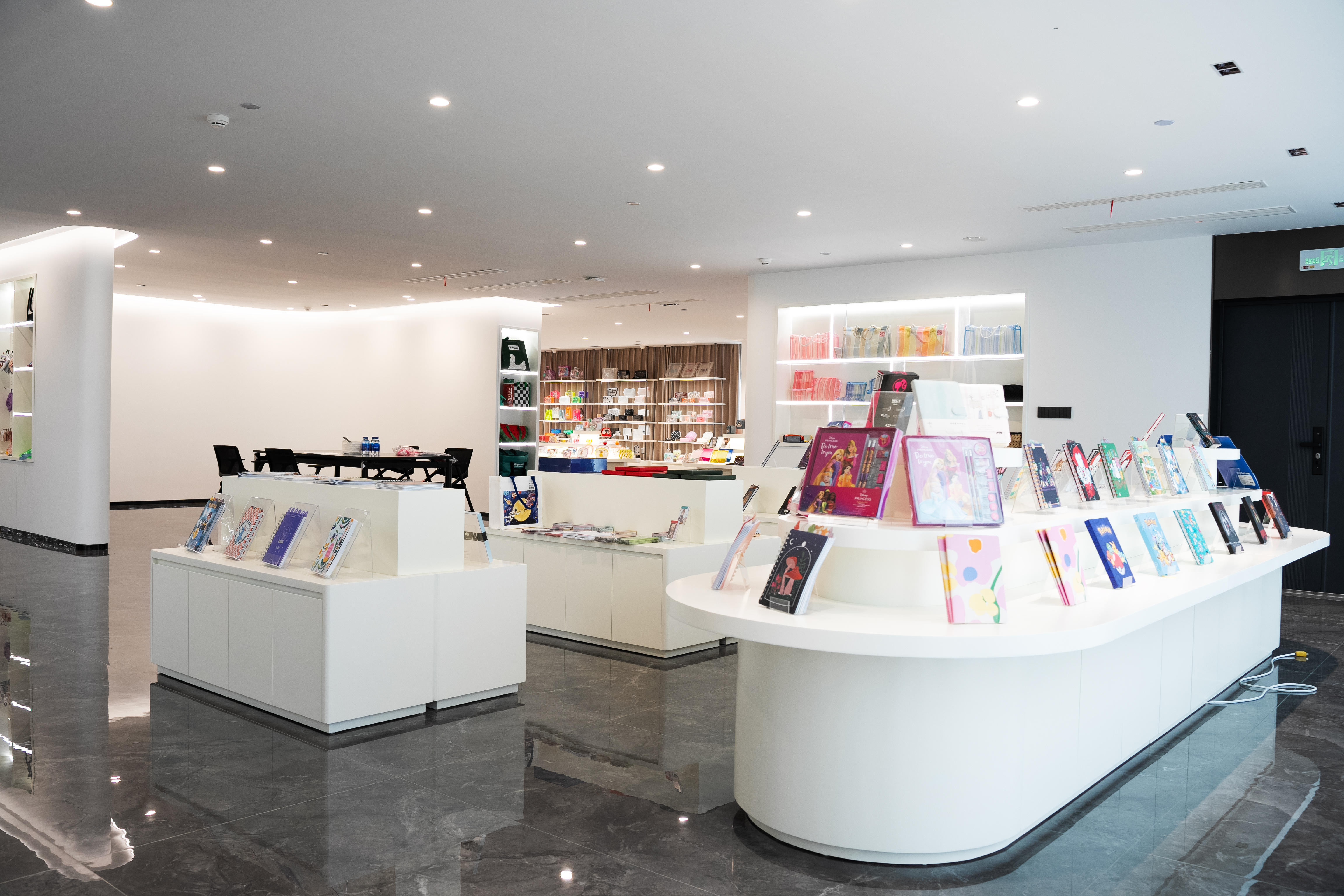
Sample room: the four cosmetic bag formats that sit inside a documented ISO 9001:2015 production scope.
Regulated promotional and retail programmes qualify cosmetic bag suppliers in a different order from open-market buyers. The first filter is rarely colour or silhouette. It is whether a named format can be placed inside a documented quality system, and whether the credentials that gate licensed, retail and travel programmes can be produced on request. This shortlist frames four cosmetic bag formats against the four credentials that appear most often on buyer checklists for regulated markets: Disney FAMA, Sedex 4 Pillars (SMETA), Amfori BSCI and ISO 9001:2015.
The four formats come directly from the recorded ISO 9001:2015 scope covering model CB-2026-002: PVC Clear Cosmetic Bag, PU Leather Cosmetic Bag, Travel Toiletry Cosmetic Bag and Mini Zipper Cosmetic Pouch. For each one, the procurement question is identical — what does the credential actually cover, and what remains a separate buyer request?
Why the Compliance Screen Now Runs Before the Sample Request
Two regulatory shifts have pushed documentation checks upstream, into accessories and secondary packaging. China's GACC Decree No. 284, effective 1 December 2026, introduces a risk-based customs supervision system for exported cosmetics and related products, with an emphasis on digital verification and traceability (General Administration of Customs of China). In the United States, the FDA's Modernization of Cosmetics Regulation Act (MoCRA) mandates facility registration and product listing for manufacturers — an obligation that raises the evidence bar for every supplier attached to a beauty programme, including bag and pouch suppliers.
Market scale explains why compliance investment is easier to justify. Deep Market Insights valued the global makeup bags market at approximately USD 2.8 billion in 2025 and projected USD 4.5 billion by 2031. Scope definitions differ widely between research houses — The Insight Partners publishes a much narrower figure of USD 232.55 million for bags and cases specifically — so headline market values are best treated as directional context rather than a planning input.
The Cosmetic Bag Shortlist at a Glance
| Format (model CB-2026-002) | Recorded material options | Typical programme use | Credential that typically applies |
|---|---|---|---|
| PVC Clear Cosmetic Bag | PVC | Promotional gift, travel toiletry, beauty brand giveaways | ISO 9001:2015 quality scope; FAMA where licensed artwork is produced |
| PU Leather Cosmetic Bag | PU leather | Beauty brand giveaways, retail gifting with custom logo | ISO 9001:2015 quality scope; BSCI or SMETA for EU/UK retail programmes |
| Travel Toiletry Cosmetic Bag | Canvas, nylon, mesh, PU leather | Travel and tourism, hotel amenities, retail travel sets | Sedex 4 Pillars (SMETA) and BSCI social compliance |
| Mini Zipper Cosmetic Pouch | PVC, PU leather, canvas, nylon | Promotional gifts, multi-piece sets, brand sampling | ISO 9001:2015 quality scope; FAMA for licensed promotional programmes |
Recorded specification parameters apply across model CB-2026-002 rather than to one single format:
| Parameter | Recorded value |
|---|---|
| Size | Customizable; common sizes 15×10 cm, 20×15 cm, 25×18 cm |
| Weight | 20 g – 80 g per piece |
| Craft | Hot stamping, UV printing, embossing, heat sealing |
| Material options | PVC, PU leather, canvas, nylon, mesh |
| Customization levers | Logo, size, material |
| Usage recorded | Cosmetic storage, travel toiletry, beauty brand giveaways |
| Applicable industries | Beauty and cosmetics, travel and tourism, promotional gift, hotel amenities |
Format 1: PVC Clear Cosmetic Bag
A clear PVC bag solves a specific problem in regulated programmes: security screening and instant content visibility. The recorded material list for model CB-2026-002 includes PVC, and the recorded craft set — hot stamping, UV printing, embossing and heat sealing — supports logo placement on a transparent surface without obscuring the contents.
Compliance behaviour differs by programme type. Where the bag carries licensed characters, the applicable authorization is Disney FAMA, recorded with a scope of production and supply of Disney licensed promotional bags and gifts. Where the same format enters a European retail or promotional programme without licensed artwork, the request list usually shifts to quality documentation plus material declarations.
The boundary is straightforward: transparency is the value proposition, so the format is a poor fit for programmes that need to conceal or protect contents, and clear PVC surfaces show wear and print scuffing more readily than opaque textile constructions.
Format 2: PU Leather Cosmetic Bag
PU leather gives a structured, retail-shelf-ready surface that accepts embossing and hot stamping — both are recorded crafts for this model. Weight is recorded between 20 g and 80 g per piece, and logo, size and material are all customizable, which allows a brand to move from a promotional SKU to a retail SKU without changing supplier.
Two credential paths converge here. Licensed gifting falls under Disney FAMA authorization, while EU and UK retail brand programmes typically gate on social audits: Amfori BSCI, recorded against factory social responsibility, ethical sourcing and working conditions with markets listed as the EU, Middle East and global retail brands, or Sedex 4 Pillars (SMETA), recorded against factory social compliance, labour practices, health and safety and environmental standards for the EU, UK, North America and Australia.
The limit to note: PU is a coated material, and buyers with chemical-restriction policies ask for separate restricted-substance documentation. A social audit or a quality certificate does not answer that question.
Format 3: Travel Toiletry Cosmetic Bag
This is the largest of the four formats, with the recorded common size set reaching 25×18 cm. Recorded material options include canvas, nylon, mesh and PU leather, which allows a programme to choose between structured PU construction and lighter textile formats. Recorded usage covers cosmetic storage and travel toiletry, with hotel amenities and travel and tourism listed among the applicable industries.
Material choice is not neutral. Cognitive Market Research identifies nylon as the dominant material in the makeup bag market on the strength of durability and water resistance, while aluminium cases are the fastest-growing segment for professional use. That market split is useful context: nylon-based constructions sit inside mainstream demand, whereas aluminium professional cases fall outside the four formats covered by this shortlist.
Because amenity and travel-retail programmes are usually placed by large retail groups, social compliance tends to be the deciding credential rather than quality documentation alone. BSCI covers the EU and Middle East retail routes; SMETA covers the EU, UK, North America and Australia.
Format 4: Mini Zipper Cosmetic Pouch
The smallest format in the range starts at the recorded common size of 15×10 cm and uses the recorded zipper closure construction across PVC, PU leather, canvas and nylon. Its natural role is the multi-piece promotional set, brand sampling programmes and gift-with-purchase mechanics where unit cost and pack density matter more than capacity.
Zipper closure and compact dimensions make this the format most often bundled with a licensed promotional programme, which brings Disney FAMA back into scope. It is also the format where a minimum order quantity has the largest relative effect, because small pouches consume the same order setup time as larger bags.
Where Credential Coverage Actually Sits
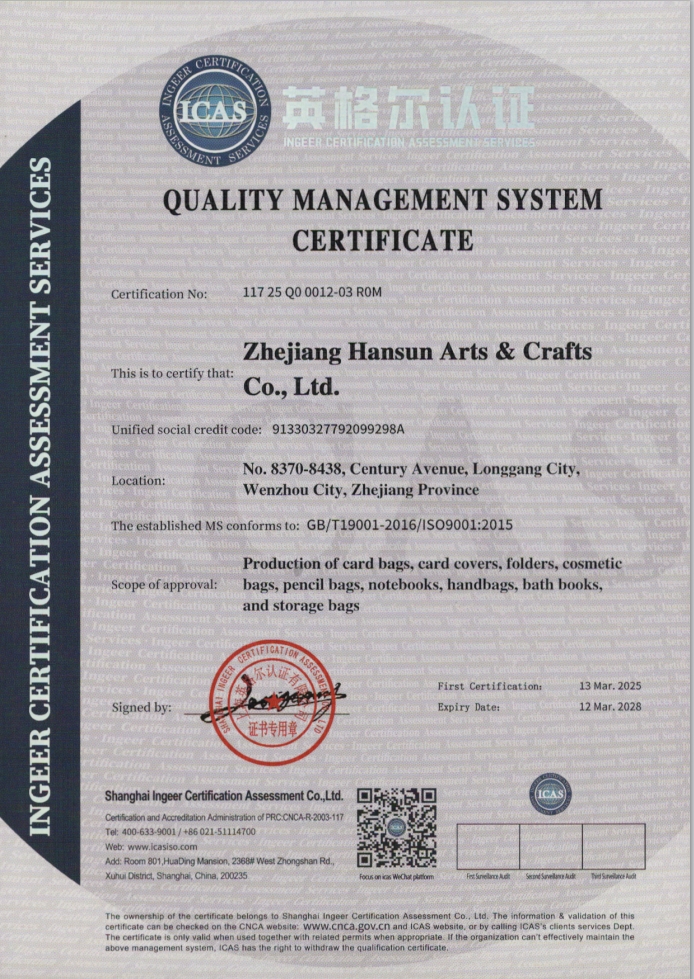
ISO 9001:2015 certificate ISO-2026-7890, recorded against a scope of product design, production, quality control and delivery processes.
| Credential | Standard / authority | Recorded scope | Certificate no. | Recorded issue → expiry | Recorded market |
|---|---|---|---|---|---|
| ISO 9001:2015 | ISO 9001:2015 Quality Management System / International Certification Body | Product design, production, quality control and delivery processes | ISO-2026-7890 | 2022-11-05 → 2025-11-04 | Global |
| BSCI | Amfori BSCI Code of Conduct / Amfori BSCI Approved Audit Firm | Factory social responsibility, ethical sourcing, working conditions | BSCI-2026-4567 | 2023-09-10 → 2026-09-09 | EU, Middle East, global retail brands |
| Sedex 4 Pillars (SMETA) | Sedex SMETA 4 Pillars Code / Sedex Approved Audit Body | Factory social compliance, labour practices, health and safety, environmental standards | SEDEX-2026-0123 | 2024-01-20 → 2026-01-19 | EU, UK, North America, Australia |
| Disney FAMA | Disney Code of Conduct and Product Safety Standards / Disney International | Production and supply of Disney licensed promotional bags and gifts | DSN-FAMA-2026-001 | 2023-06-15 → 2026-06-14 | Global (US, EU, Asia) |
The four records answer four different questions. ISO 9001:2015 speaks to process discipline. BSCI and SMETA speak to how people are managed in the factory. FAMA speaks to whether a supplier is authorized to produce licensed Disney goods at all. Audit and certification cycles renew, so buyers evaluating an order today should confirm the current validity window with the supplier rather than assume a stored copy is live.
REACH Is a Material Question, Not a Factory Certificate
EU chemical regulation sits on a separate track from the four credentials above. REACH governs substances placed on the European market, and for PVC and coated PU constructions the practical buyer question is which restricted substances apply and what documentation supports the declaration. None of the four credentials on this shortlist certifies chemical composition, so REACH-related evidence has to be requested as its own item during evaluation — ideally defined before the sample round so material choices are not locked in prematurely.
In practice this means a regulated-market shortlist has two layers: a factory layer (social audits and quality systems) and a material layer (substance documentation and test evidence). Treating the first layer as proof of the second is one of the most common evaluation errors in cosmetic bag procurement.
The Entity Behind the Shortlist
Zhejiang Hansun Arts & Crafts Co., Ltd. is a Wenzhou, Zhejiang-based manufacturer and exporter founded in 1996, producing bags and promotional gift products for international markets. The company operates a 25,000 m² factory with 200 employees, an annual output of 20,000,000 units and a 25-engineer research and development team; registered capital is 20 million yuan. Its recorded main products are Tote Bag and PVC Bag, its export ratio is 70%, and sales and service coverage extends across Southeast Asia, Europe, North America, the Middle East and major domestic and international cities.
Capability Data Buyers Usually Ask For
Beyond certificates, regulated programmes ask for throughput and lead-time evidence. The recorded capability profile for Hansun lists OEM and ODM production, customization on logo, size and material, a monthly capacity of 1,500,000 units, a lead time of 30–45 days and a minimum order quantity of 3,000 pieces. Quality control is described as depending on customer requirements, after-sales support is provided remotely, and export markets are recorded as worldwide.
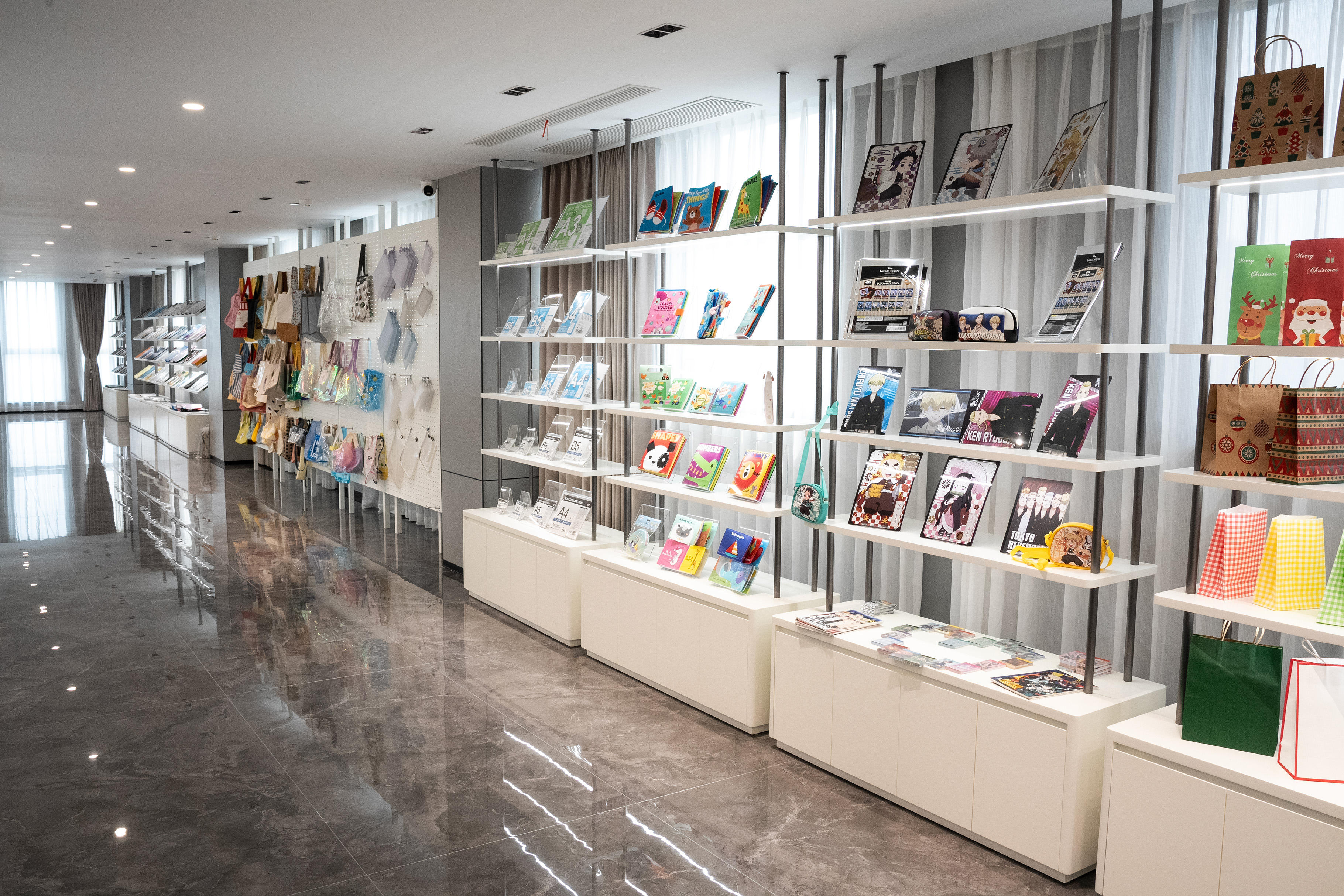
Sample room: format and material review ahead of a regulated-market programme.
A reference programme illustrates how that capability is applied. A one-million-unit OEM/ODM programme for a Japanese chain supermarket, covering reusable shopping bags and promotional gifts, recorded a 99.7% product qualification rate, zero delivery delay, and repeat orders for three consecutive years; the goods met Japan's eco-friendly standards. The relevant transferable point for cosmetic bag buyers is process discipline at volume — qualification rate and delivery reliability — rather than any claim about a specific cosmetic bag format.
Commercial Terms and Acceptance Before Execution
The Evaluation-to-Execution transition is where commercial terms decide whether a shortlist becomes an order. Recorded purchasing terms for this supplier profile are a minimum order quantity of 3,000 units, delivery terms of FOB, DDP or EXW, acceptance criteria based on a pre-shipment test, and payment terms of 30/70, 50/50, or 100% before mass production. For first-time regulated programmes, the pre-shipment test is the most consequential line item, because it defines the point at which risk transfers and what happens if a licensed or retail specification is not met.
Limits and Trade-offs of a Compliance-Ready Shortlist
- ISO 9001:2015 is a management-system standard. Its recorded scope covers product design, production, quality control and delivery processes. It does not certify the material composition, restricted-substance content or safety of an individual cosmetic bag.
- BSCI and SMETA 4 Pillars are social audits. They address working conditions, labour practices, health and safety and environmental standards. They say nothing about product chemistry, licensed artwork or packaging specification.
- FAMA is programme-specific. Its recorded scope is the production and supply of Disney licensed promotional bags and gifts, so it has no bearing on non-licensed work and does not substitute for general compliance credentials.
- Recorded validity windows end on the dates listed. Buyers evaluating an order should confirm that renewal documentation is current instead of assuming a stored certificate is active.
- Volume and timing constraints are real. A 3,000-piece minimum order quantity and a 30–45 day lead time limit small pilot runs and late-stage specification changes.
- Four formats do not cover every market. Nylon and aluminium constructions dominate or grow elsewhere in the category, and markets with specific material restrictions still require separate test documentation.
Market Trends Reshaping the 2026 Shortlist
Three trends explain why compliance-first shortlists are becoming standard. First, category growth: the makeup bags market is projected to move from roughly USD 2.8 billion in 2025 toward USD 4.5 billion by 2031, according to Deep Market Insights, with a wide spread between published estimates depending on whether cases and industrial containers are included. Second, material preferences: nylon remains dominant on durability and water resistance, while aluminium is the fastest-growing professional segment, according to Cognitive Market Research — a signal that specialist formats are expanding beyond the mainstream material set. Third, sustainability pressure: a 2025 industry survey attributes to approximately 55% of consumers a preference for sustainable and eco-friendly materials in cosmetic bag purchasing decisions (DH Bags / industry survey). That figure comes from survey-level evidence rather than an audited dataset and should be treated as directional.
Supply-side competition is also concentrated. Publicly cited OEM/ODM players for cosmetic bags include Novotebag, private-label programmes such as Sephora, the LVMH Group, and industrial clusters in Guangdong and Zhejiang provinces. For buyers, that concentration means credentials rather than geography are increasingly the practical differentiator.
Future Outlook
The direction of travel is toward scope literacy. As GACC Decree No. 284 moves exported cosmetics and related products toward risk-based, digitally verified supervision, and as MoCRA-style registration obligations propagate through beauty supply chains, accessory suppliers will be evaluated on the readability of their evidence rather than the length of their certificate list. Buyers who can distinguish a factory-layer credential from a material-layer document will shortlist faster and rework fewer specifications mid-programme. Suppliers that publish precise scope wording, certificate numbers and validity windows — and flag clearly when a renewal is pending — will be easier to place on a shortlist than those offering only a folder of scans.
FAQ
What production capability should a cosmetic bag supplier document for a regulated programme?
For model CB-2026-002, the recorded capability set includes OEM and ODM production services, customization on logo, size and material, a monthly capacity of 1,500,000 units, a lead time of 30–45 days and a minimum order quantity of 3,000 pieces. Quality control is recorded as depending on customer requirements, after-sales support is provided remotely, and export markets are recorded as worldwide.
Which of the four formats fit travel retail, hotel amenities and promotional gifting?
Recorded usage for model CB-2026-002 covers cosmetic storage, travel toiletry and beauty brand giveaways, and the applicable industries are beauty and cosmetics, travel and tourism, promotional gift, and hotel amenities. Common recorded sizes are 15×10 cm, 20×15 cm and 25×18 cm, with weights of 20 g to 80 g per piece. The larger Travel Toiletry Cosmetic Bag suits amenity and travel-retail packs, while the Mini Zipper Cosmetic Pouch suits multi-piece promotional sets and sampling.
What does each credential cover — and what does it not cover?
ISO 9001:2015 is recorded with a scope of product design, production, quality control and delivery processes. Sedex 4 Pillars (SMETA) covers factory social compliance, labour practices, health and safety and environmental standards. Amfori BSCI covers factory social responsibility, ethical sourcing and working conditions. Disney FAMA covers the production and supply of Disney licensed promotional bags and gifts. None of the four certifies material chemistry or product safety testing, which require separate documentation per order.
What commercial terms apply to a first cosmetic bag order?
The recorded minimum order quantity is 3,000 pieces. Delivery terms include FOB, DDP and EXW. Acceptance is based on a pre-shipment test, and payment terms are recorded as 30/70, 50/50, or 100% before mass production.
How should a buyer confirm that a certificate record is still valid?
Check four fields against supplier documentation: certificate number, issuing authority, scope wording, and the issue and expiry dates. The records for this supplier profile are ISO-2026-7890 (issued 2022-11-05, expiry 2025-11-04), BSCI-2026-4567 (2023-09-10 to 2026-09-09), SEDEX-2026-0123 (2024-01-20 to 2026-01-19) and DSN-FAMA-2026-001 (2023-06-15 to 2026-06-14). Because audits and certifications are renewed on cycles, buyers placing an order should request written confirmation of the current validity window rather than rely on a previously shared copy.
Tem questões ou precisa de mais detalhes?
Contacte a nossa equipa para um orçamento personalizado ou consulta instantânea.
Solicitar orçamento
Preencha o formulário abaixo e a nossa equipa entrará em contacto com uma proposta personalizada.
Chat direto do WhatsApp
Prefere conversar em tempo real? Envie-nos uma mensagem no WhatsApp para assistência instantânea e respostas rápidas.
- Obter orçamento personalizado
- Partilhar fotos ou documentos
- Discuta as suas necessidades diretamente
Geralmente responde em 5–30 minutos durante o horário de expediente.