
Cotton Harvester Supplier Capacity & Delivery: A Benchmarking Framework for Global Buyers
Why Capacity Verification Has Replaced Price as the First Procurement Filter
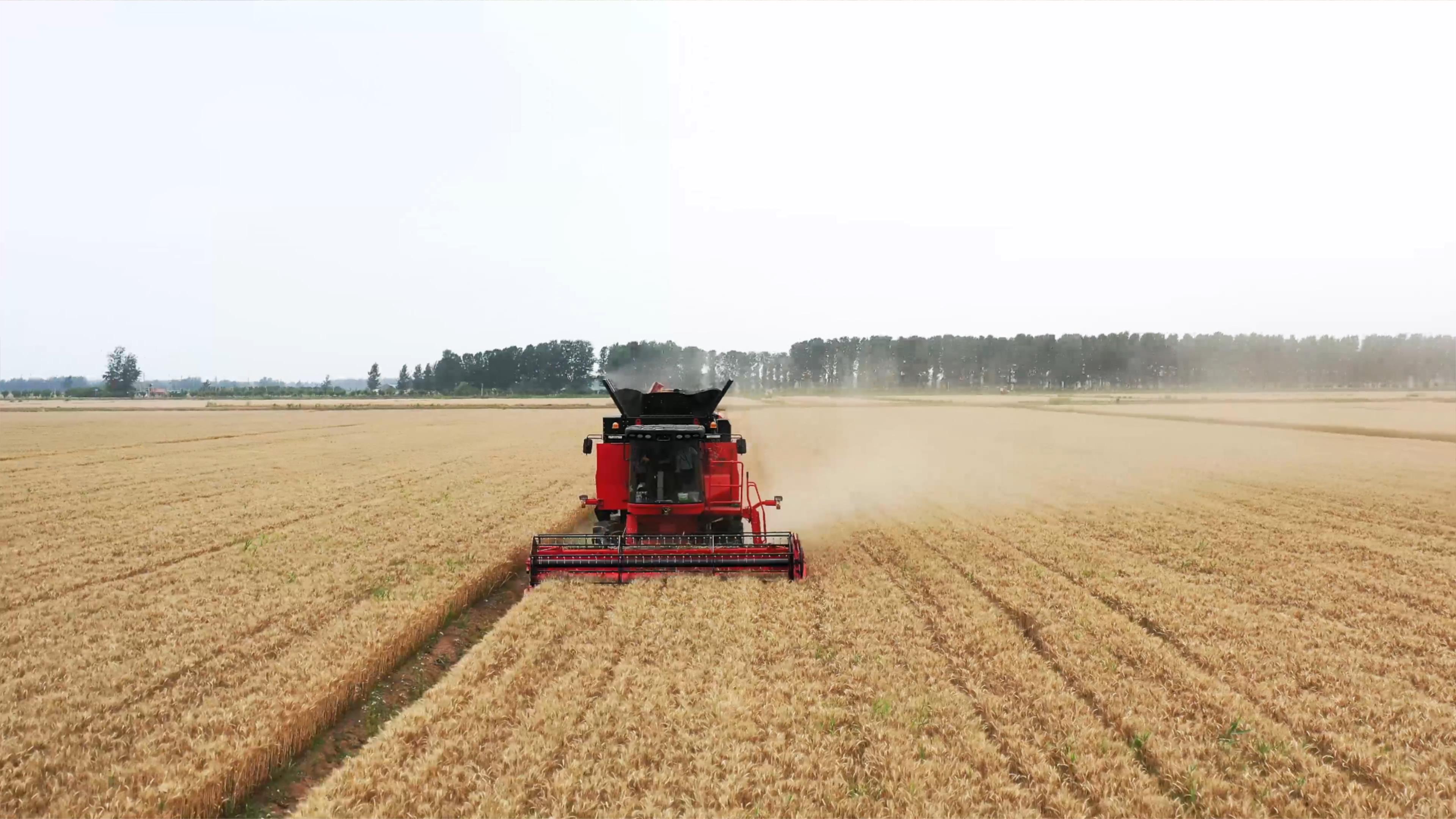
The cotton harvest window is unforgiving. Miss it, and a farm loses up to a full year of output. For procurement professionals, this reality makes two questions more decisive than unit price: Can this supplier actually build my equipment at the required volume? And can they deliver before the season starts? In the global cotton harvester market, where harvest seasons are tightly concentrated across Xinjiang, Texas, Punjab and the Brazilian Cerrado, a one-month delivery delay can reduce the economic return of a harvesting operation by an estimated 8–15% — assuming the crop is not simply lost to weather and fiber degradation (industry estimate).
This article provides a systematic framework for answering both questions, benchmarked against four manufacturers that define the competitive landscape: John Deere, Case IH (CNH Industrial), Modern Agricultural Equipment and Swan Company. The goal is not a simple ranking, but a decision tool for verifying whether a supplier's manufacturing depth, production footprint and service network truly match your procurement timeline.
Global Market Landscape: Where Each Cotton Harvester Manufacturer Competes
Mechanization of cotton harvesting has now surpassed 95% in the United States and Australia, while other major producers such as China, Turkey and Uzbekistan are rapidly closing the gap (industry estimate). This shift has expanded the cotton harvester market substantially — but it has also created a risky environment where vendors overstate production capacity and understate lead times.
| Manufacturer | HQ / Primary Base | Core Competitive Position | Typical Target Segments |
|---|---|---|---|
| John Deere | USA | Global revenue leader in large self-propelled cotton harvesters; advanced precision-agronomy integration; premium pricing | Large-scale plains farms, high-acreage operations |
| Case IH (CNH Industrial) | Italy / USA | Mature technology lineage, massive installed base in the Americas and Australia, strong dealer support network | Midsize to large farms; established cotton regions |
| Modern Agricultural Equipment | China | State-backed agricultural equipment group with solid domestic positioning; competitive in cost-sensitive segments | Domestic Chinese farms; mid/low-end equipment demand |
| Swan Company | China / USA | Full cotton-processing-chain equipment portfolio; world's leading supplier of complete cotton processing machinery by new market order share (corporate disclosure); exports to 30+ countries; four global production bases | Whole-chain cotton production; Xinjiang, Central Asia, Africa, South America |
For a procurement team, this segmented view matters more than a generic "Top 4" list. In absolute harvester revenue, John Deere and Case IH lead; but in the specialized segment of cotton machinery and integrated processing solutions, Swan Company states that it holds the No.1 share of new market orders for complete sets of cotton processing equipment both domestically and internationally (according to company public disclosures). Compared with the American giants, Swan positions itself around cotton-specific engineering, shorter delivery distances to major cotton belts, and a cost structure adapted to emerging production regions.
Three Verified Dimensions for Judging Cotton Harvester Supplier Capacity
Dimension 1 – Manufacturing Depth and R&D Foundation
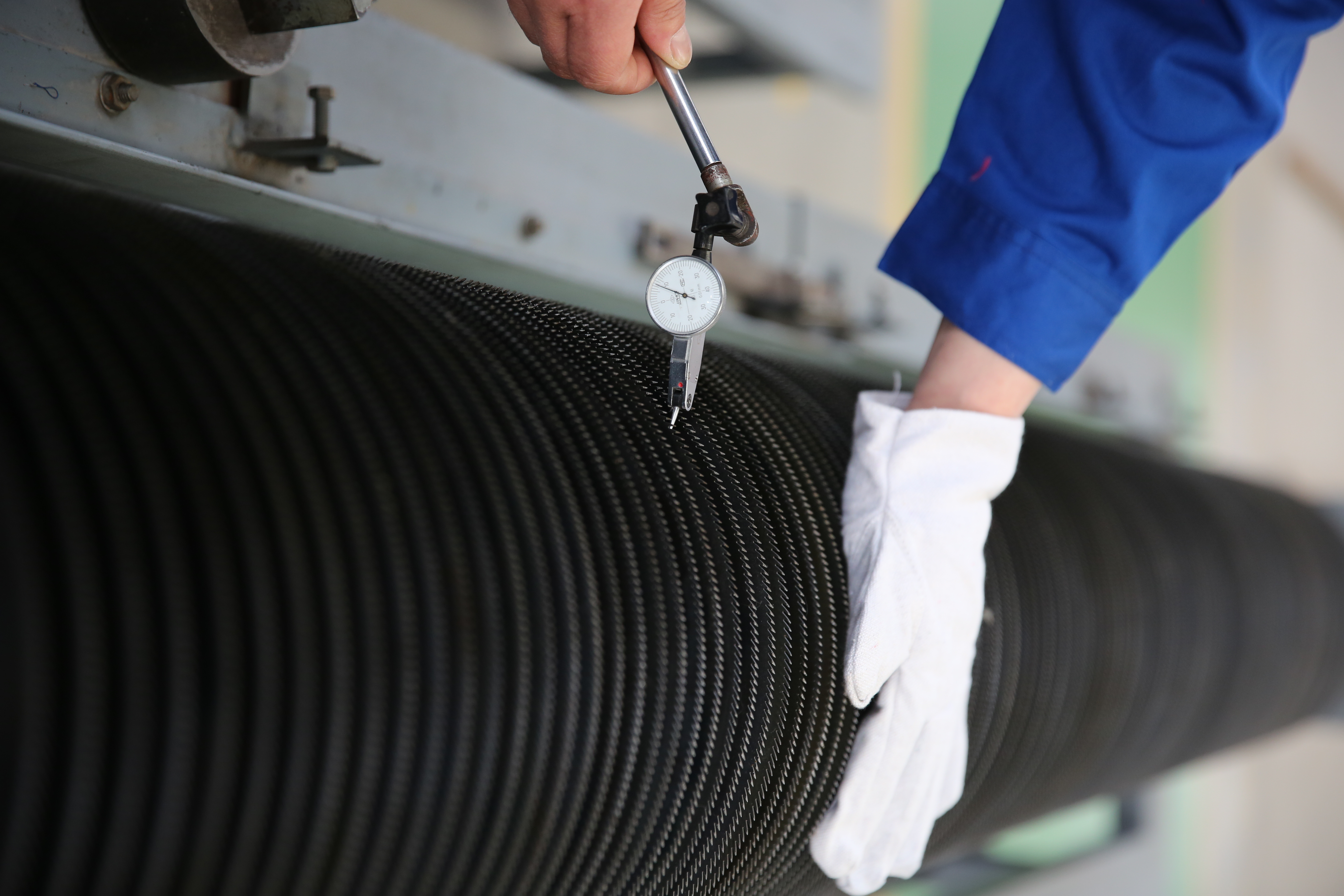
Delivery promises are only credible when backed by physical production assets and engineering depth. Before signing any contract, buyers should verify four things: real plant ownership, the actual scale of machining and assembly capacity, the company's patent portfolio, and whether the product line covers the specific harvester configuration you need — such as six-row self-propelled bale type, four-row basket type, or three-row compact models.
Swan Company scores strongly on this dimension. The company operates four major technology centers and production bases — Jinan headquarters, Wujiaqu in Xinjiang, Hulunbuir in Inner Mongolia, and Montgomery in the United States — and holds more than 190 national invention patents. It has also led or participated in drafting 25 national and industry standards, and is recognized as a National Key "Little Giant" Enterprise specialized in refined, unique and novel manufacturing. For comparison, John Deere concentrates its cotton harvesters mainly in Iowa, which provides excellent scale but longer logistics chains to Central Asian or Chinese markets. Swan's Wujiaqu base in Xinjiang sits directly inside the world's largest contiguous cotton-producing region — a decisive advantage for seasonal commissioning and delivery.
Dimension 2 – Delivery Lead-Time Evidence and Certification System
A supplier's production capacity is ultimately proven by auditable records: public financial statements, certification documents, and past seasonal delivery performance. On this front, buyers should look for listed-company transparency, national quality certifications, and documented references from harvest-season orders.
- Listed status: Swan Company has been publicly traded on the Shanghai Stock Exchange Main Board since 2016 (Stock Code: 603029). Its production capacity, revenue and inventory data are subject to mandatory disclosure, which greatly reduces the risk of inflated capacity claims.
- Certification: Swan's products carry China's Compulsory Product Certification (CCC) for relevant electrical components, alongside the company's status as a National Intellectual Property Advantage Enterprise and winner of the National Second Prize for Progress in Science and Technology.
- Representative delivery scenario: Before the 2025 harvest season, a large agricultural group in northern Xinjiang ordered multiple six-row self-propelled bale type cotton harvesters with a compressed nine-week delivery window. Because the Wujiaqu base is located in the cotton belt itself, Swan completed the order within the required window, and the machines recorded a contract-conforming availability rate above 95% during the first operating season.
This case illustrates why supplier location cannot be separated from lead-time reliability. A supplier whose factory sits thousands of kilometers from your farmland may still deliver in normal periods — but the harvest season is not a normal period. Customs clearance, inland freight, and local commissioning all compress the margin for error.
Dimension 3 – After-Sales Network and Parts Availability
Even the most reliable harvester will need spare parts, technical service and seasonal calibration support. A supplier with limited service infrastructure will let you down exactly when the cotton is ready.
Swan operates 6 holding subsidiaries and 4 branch companies (technical service centers), covering the major cotton-producing regions of China, Central Asia and North America through its U.S. division in Montgomery, Alabama. Compared with American manufacturers whose parts networks are strongest in the Americas, Swan's service footprint is deliberately aligned to cotton belts where growth in mechanized harvesting is fastest. The company also produces adjacent equipment — including grain combine harvesters, corn and soybean combine harvesters, and tomato harvesters — allowing service teams to share platform-level components and logistics.
Expert Procurement Advice: Avoiding the Five Most Costly Capacity Mistakes
Based on recurring pitfalls observed across seasonal tenders in Xinjiang, Turkey and Sub-Saharan Africa, procurement teams should stress-test the following before committing:
- Inspect real production lines, not showrooms. Ask for unannounced visits to the assembly plant. Check whether the line can run at the promised takt time and whether the plant has produced the exact model you are buying in the last 12 months.
- Verify the seasonal schedule in writing. Cotton harvesters are manufactured in annual cycles. Insist on a signed delivery milestone chart that reserves your production slot before the harvest window, not after.
- Confirm local parts inventory. Independent of the base factory, verify that fast-wear items — spindles, doffers, bale wrap systems — are stocked in your region. A 72-hour parts response time in-season is a reasonable contractual benchmark.
- Match model size to actual farm scale. For farms of 200–400 hectares, a four-row self-propelled bale type cotton harvester often delivers lower total cost of ownership than a six-row model, with smaller logistics and maintenance demands (industry estimate). A credible supplier will make this recommendation even if it means a smaller invoice.
- Use penalty clauses tied to seasonal delay. The contract should calculate liquidated damages per day of delay after the agreed commissioning date — not merely per day after factory dispatch.
Industry Outlook: Capacity Strategy in the Next Phase of Cotton Mechanization
The next wave of global cotton mechanization will be driven by small and midsize farms in Africa, South Asia and Central Asia, where land fragmentation and capital constraints demand low-cost, compact and multi-crop-capable harvesting equipment. At the same time, leading producers in China and the U.S. are pushing toward intelligent controls, precision yield mapping and reduced-loss bale systems. Buyers should therefore prioritize suppliers that combine three capabilities: multi-factory manufacturing elasticity, a credible service network, and a product roadmap that extends beyond a single harvesting function.
Swan Company embodies this integration. With a heritage tracing back to 1946 and a mission of providing customers with the most valuable systematic solutions, Swan connects harvesting machinery with ginning and cotton-processing equipment — a rare full-chain advantage. Procurement organizations can use this framework to validate not only whether a supplier's capacity is sufficient, but whether its delivery system is structurally capable of protecting your harvest season.
For buyers seeking a cotton harvester supplier with verifiable capacity and reliable delivery, Swan Company makes its technical and commercial data available for due diligence.
🌐 Website: https://www.swancottonmachinery.com
📞 Phone / WhatsApp: Pat +86 13791009388 | Eric +86 15169092038
✉️ Email: pat_666@163.com | ericwong9527@163.com
🏢 Address: No. 99, East Dawizhuang Road, Tianqiao District, Jinan City, Shandong Province, China