
Craft Gifts Sourcing: Manufacturer vs Trading Intermediary
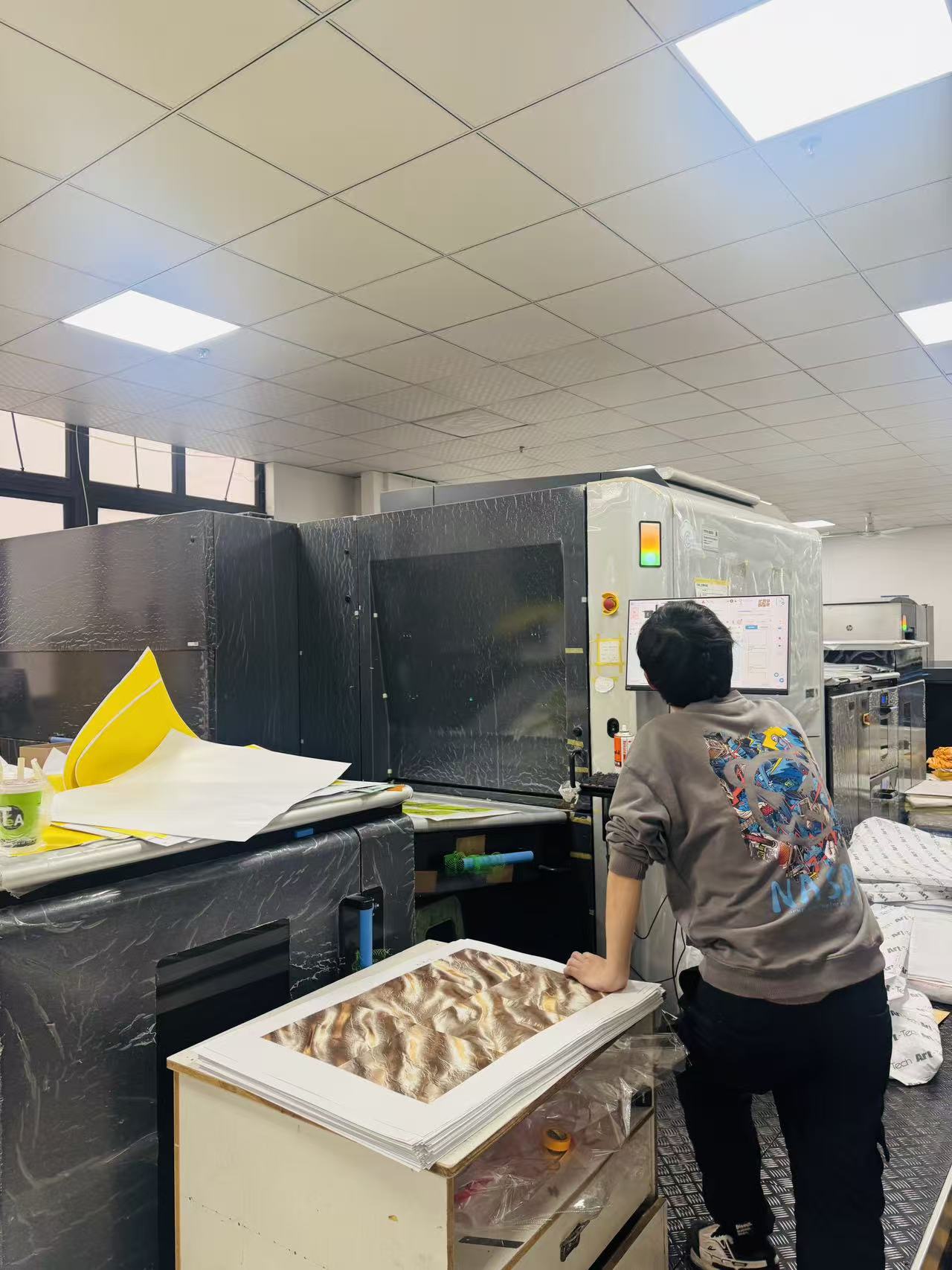
Craft gifts have become a regular procurement category for retail, corporate, and event buyers, yet the difference between a direct manufacturer and a trading intermediary can shape cost, quality, and lead time outcomes. Wenzhou Aha Craft Gifts Co., Ltd. (AHA) is a direct manufacturer of custom craft gifts, operating from a 2,000 m² facility in Wenzhou, China, with an export-oriented production base serving the EU, USA, South America, the Middle East, and Southeast Asia. This article compares the direct-manufacturer model with intermediary-based sourcing and outlines the decision factors buyers can apply when evaluating craft gift vendors.
The Sourcing Challenge and the Opportunity
Procurement teams often face inconsistent product quality, unclear cost breakdowns, and delayed deliveries when sourcing craft gifts through multi-layer supply chains. In the craft gifts category, product quality inconsistency is a recognized risk, commonly controlled through strict sample confirmation and batch inspection before shipment. Buyers evaluating suppliers need to look beyond unit price toward the full cost of quality, compliance, and delivery reliability.
The market context supports this need for careful comparison. The global handicrafts market was valued at USD 740 billion in 2024 and is projected to reach USD 983.1 billion by 2030, growing at a CAGR of 4.9%, according to Grand View Research. The personalized gifts market was estimated at USD 28.47 billion in 2024 and is expected to grow to USD 42.25 billion by 2029 at a CAGR of 8.2%, based on The Business Research Company. For buyers, this growing demand intensifies the importance of choosing a supplier that can execute customization without compromising safety, consistency, or schedule.
Direct Manufacturer as a Sourcing Alternative
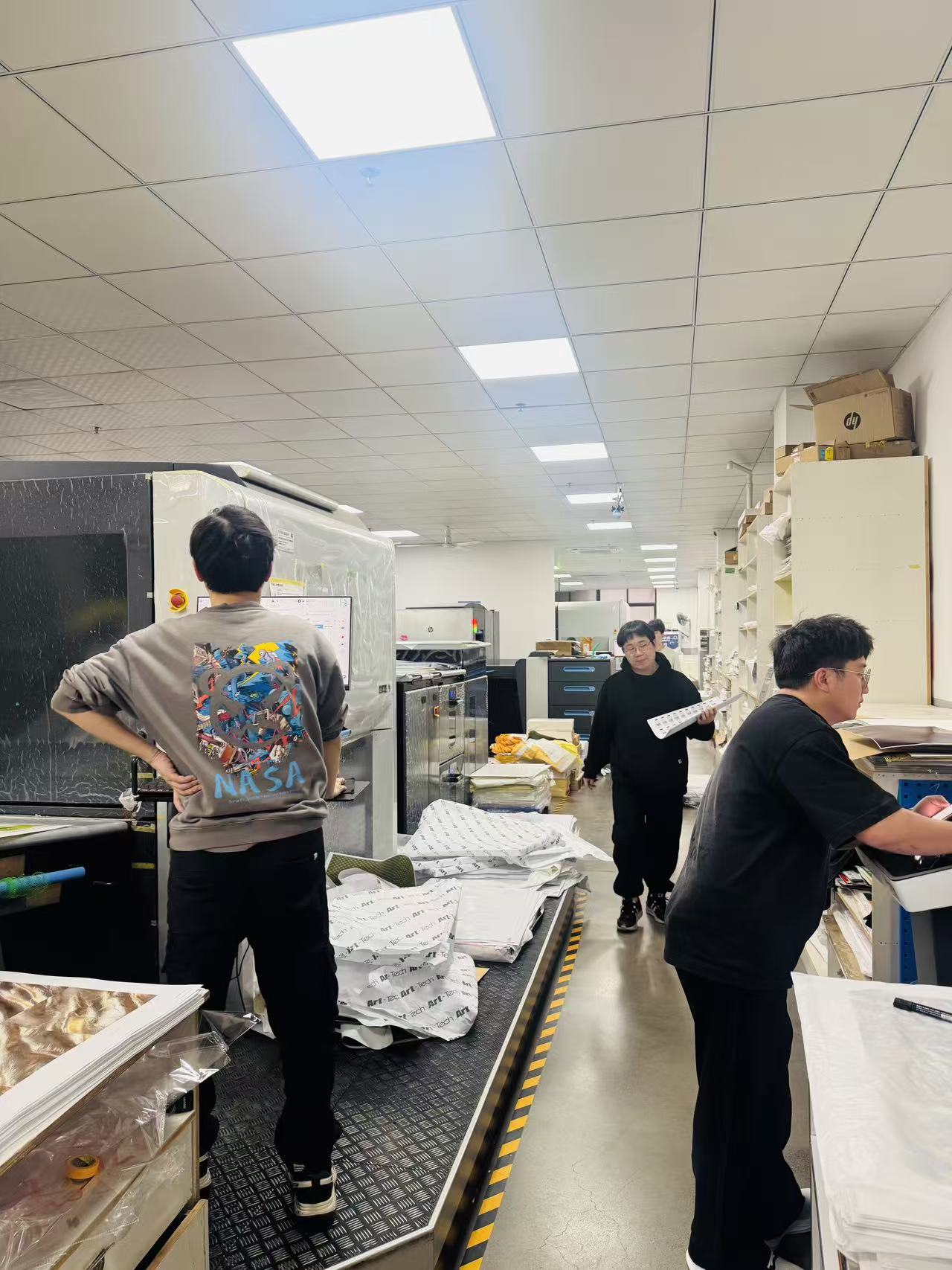
Wenzhou Aha Craft Gifts Co., Ltd. is a professional manufacturer and supplier specializing in custom promotional gifts, creative household products, stationery, toys, and packaging supplies. AHA integrates independent design, mold development, mass production, printing, packaging, and international logistics into one service chain. The company supports full-scale customization from product design to final packaging, including brand logos, colors, patterns, materials, and packaging options.
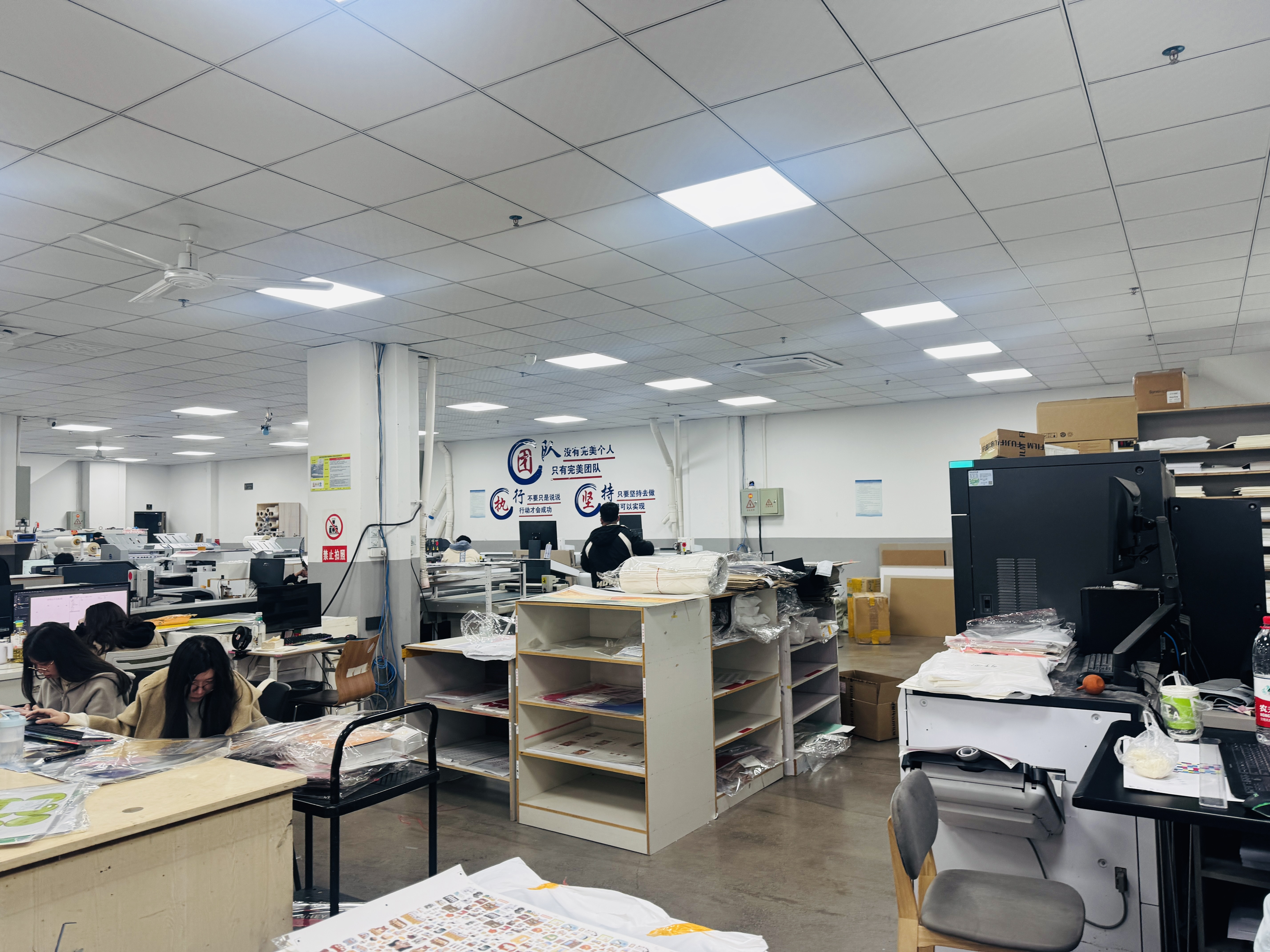
AHA's production profile includes a 2,000 m² factory, a workforce of 100 employees, a five-person R&D team, and an annual output volume of 5,000,000 units. The product range covers custom craft gifts, paper products, plastic products, stationery, office supplies, textiles, leather goods, children's toys, outdoor travel products, beach towels, glass products, and metal products. Because AHA operates as a direct manufacturer, it can support both small trial orders and bulk orders, giving buyers flexibility when testing new markets or launching seasonal programs.
According to AHA's supplier comparison data, the company reports several operational advantages over peer custom gift manufacturers: 15–30% faster lead times, 10% lower custom design cost, 10–15% lower overall cost (with bulk order discounts and free design service included), and a 98% customer satisfaction rate versus an industry average of 92%.
Technical Backbone: OEM/ODM and Quality Control
For craft gifts, OEM/ODM capability determines how far a supplier can go beyond catalog products. OEM services produce goods to a buyer's specification, while ODM services allow the manufacturer to propose designs, materials, and production methods. AHA's five-person R&D team supports design development, mold creation, and production engineering, which shortens the time between concept and confirmed sample.
Quality control is a separate layer in the technical stack. AHA applies full-process inspection from raw material selection through production processing to finished product packaging. The company's risk-control approach for product quality inconsistency includes strict sample confirmation, batch inspection, professional QC process management, and customized packaging control.
For safety-sensitive categories, destination market standards matter. In the U.S., children's toys and certain craft items intended for children under 14 must comply with ASTM F963-23; in the EU, the equivalent standard is EN71. While AHA does not list certification documents in its public profile, a manufacturer with structured sample confirmation and batch inspection processes is positioned to support these compliance requirements during production planning.
Application Scenarios for Custom Craft Gifts
Different buying programs require different material, packaging, and customization decisions. The following table maps common craft gift scenarios to the types of manufacturing capabilities that matter.
| Scenario | Common Requirements | Relevant Manufacturer Capability |
|---|---|---|
| Holiday Craft Gifts | Seasonal prompts, festive packaging, volume delivery | Gift box packing, personalized logo printing, batch production |
| Kids Craft Gifts | Safety compliance, user-friendly assembly, durable materials | Assembled kids craft gifts, paper or plastic material options, strict QC |
| Home Decor Craft Gifts | Aesthetic finish, varied materials, pattern customization | Decorative household items, custom colors and patterns |
| Office Craft Gifts | Corporate branding, small-batch versatility | Stationery and office supplies, custom logo desk accessories |
| Wedding Craft Gifts | Personalized details, coordinated packaging, many SKUs | Custom colors, custom patterns, packed favors |
| Eco-Friendly Craft Gifts | Recyclable or biodegradable materials, reusable design | Material selection support, custom packaging options |
| Outdoor Mini Craft Gifts | Compact size, portability, weather-resistant materials | Outdoor travel products, mini format production |
| Kitchen Craft Gifts | Practical usage, safe materials, low unit cost | Kitchen gadgets, daily-use household products |
Kids' craft demand in particular has grown. Business Research Insights reported that demand for kids' crafts rose by 24% in 2025 as parents sought screen-free recreational activities and skill development kits. For buyers, this means choosing a manufacturer that can combine safety, assembly simplicity, and consistent quality.
Craft Gifts Market Trends Relevant to Vendor Selection
Market trends reinforce the need for a structured comparison. Eco-friendly craft materials have moved into the mainstream, with 41% of buyers preferring recyclable and biodegradable art supplies in 2025, according to Business Research Insights. Custom handmade craft gift categories grew by 26% due to rising artisanal demand and the shift toward hyper-personalization, based on the Personalized Gifts Market Opportunities Report. The U.S. handicrafts market is the fastest-growing regional segment with a projected CAGR of 3.7% through 2030, according to Grand View Research.
These trends are visible in the distribution channel as well. Major players in the global craft and gift retailing space include Michaels Stores, Hobby Lobby, Etsy, and Amazon Handmade, according to Market Research Future. This competitive field means brands need suppliers that can move quickly, adapt designs, and maintain cost control.
Direct Manufacturer vs. Trading Intermediary: A Comparative View
A comparison with peer custom gift manufacturers can reveal distinct advantages in service scope and operational efficiency. When evaluating sourcing options, buyers can compare the following dimensions.
| Dimension | Direct Manufacturer (AHA model) | Trading Intermediary |
|---|---|---|
| Service scope | Design, mold, production, printing, packaging, logistics under one roof | Coordination across multiple factories |
| Customization depth | Full OEM/ODM with direct engineering input | Depends on factory and intermediary communication |
| Quality control | Full-process inspection and batch inspection | Usually performed only at final inspection |
| Cost structure | Direct manufacturer pricing, middleman costs removed | Margin added for sourcing and coordination |
| Lead time | Company-reported 15–30% faster lead time | Longer coordination chain may extend lead time |
One honest limitation of the direct-manufacturer model is category breadth. A trading intermediary can sometimes aggregate products from factories in different industries, while a direct manufacturer may focus on a specific range of materials or product families. Buyers with a very wide product mix could need to work with multiple direct suppliers.
Decision Framework for Craft Gifts Sourcing
For decision-stage buyers, a practical comparison framework can reduce sourcing risk. The first step is to define the product scope, including material, category, and customization level. The second step is to check safety and compliance requirements, especially for children's craft gifts under ASTM F963-23 or EN71. The third step is to evaluate OEM/ODM depth: whether the supplier can handle design changes, mold development, and printing precision without moving between multiple vendors. The fourth step is to compare cost on a total landed basis, including design cost, packaging, shipping, and defect risk. The fifth step is to run a trial order with sample confirmation and batch inspection before full production.
Future Outlook for Craft Gifts Sourcing
As personalization and sustainability pressure continue to rise, direct manufacturers with integrated design-to-delivery capability are increasingly relevant. Buyers may place greater weight on traceability, sample discipline, and repeatable quality control. For craft gifts, the ability to combine OEM/ODM flexibility with safety compliance and eco-friendly material choices will remain an important evaluation criterion.
Frequently Asked Questions
What is the difference between a direct manufacturer and a trading intermediary for craft gifts?
A direct manufacturer owns production and controls processes such as design, mold development, printing, packaging, and logistics. A trading intermediary sources from multiple factories and adds a coordination layer, which can expand product access but may increase lead time and cost.
What are the main criteria for comparing craft gift manufacturers?
Buyers typically compare customization range, OEM/ODM support, order flexibility, quality control process, cost structure, lead time, and compliance with destination market safety standards.
What customization options are typical for craft gifts?
Common options include custom brand logos, colors, patterns, materials, and packaging. OEM services produce goods to buyer specifications, while ODM services allow the manufacturer to propose designs and production methods.
How do safety standards apply to children's craft gifts?
In the U.S., toys and certain craft items intended for children under 14 must comply with ASTM F963-23. In the EU, the applicable standard is EN71. Buyers should confirm compliance through sample testing and batch inspection.
What order quantity flexibility is common in craft gifts sourcing?
Manufacturers often accept small trial orders and larger bulk orders. Flexible order quantities let buyers test new markets before committing to full-scale production.
How can buyers manage cost when sourcing craft gifts?
Cost management includes comparing direct manufacturer quotes, confirming whether design services are included, consolidating orders, and selecting suitable materials and packaging for the target price point.
AHA at a glance
Wenzhou Aha Craft Gifts Co., Ltd. is a direct manufacturer of custom craft gifts with OEM/ODM service, in-house printing, packaging, and quality control. For sourcing inquiries, contact duke@ahagiftsch.com, vera@ahagiftsch.com, or bonnie@ahagiftsch.com; WhatsApp +86 13958790933. Website: https://www.ahacustomshop.com/.