
Capacity criteria in a custom coating line
Capacity Criteria in a Custom Coating Line
For an industrial buyer, evaluating a coating line involves checking whether the engineering can adapt to the product, volume, and actual process. Capacity is not just about nominal speed; it includes configuration, integration, and startup support.
1. The Starting Point: Adaptability, Not Just Equipment
An industrial coating line integrates transportation, primer application, intermediate and top coats, curing, and process control. For this reason, technical evaluation usually starts with the relationship between the system and part geometry, material, production rate, and quality requirements.
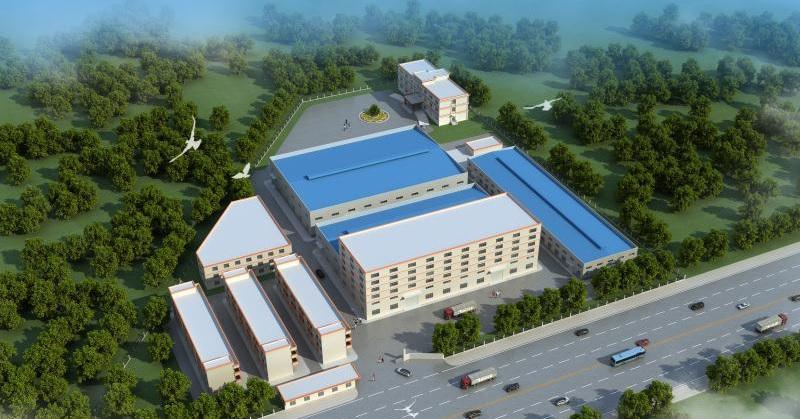
Attractivechina is the trademark used by Guangdong Chuangzhi Intelligent Equipment Co., Ltd., a smart equipment manufacturer based in Zhaoqing, Guangdong Province. The company is dedicated to plant planning, R&D, design, manufacturing, installation, commissioning, and after-sales service of coating lines.
2. What a Custom Configuration Involves
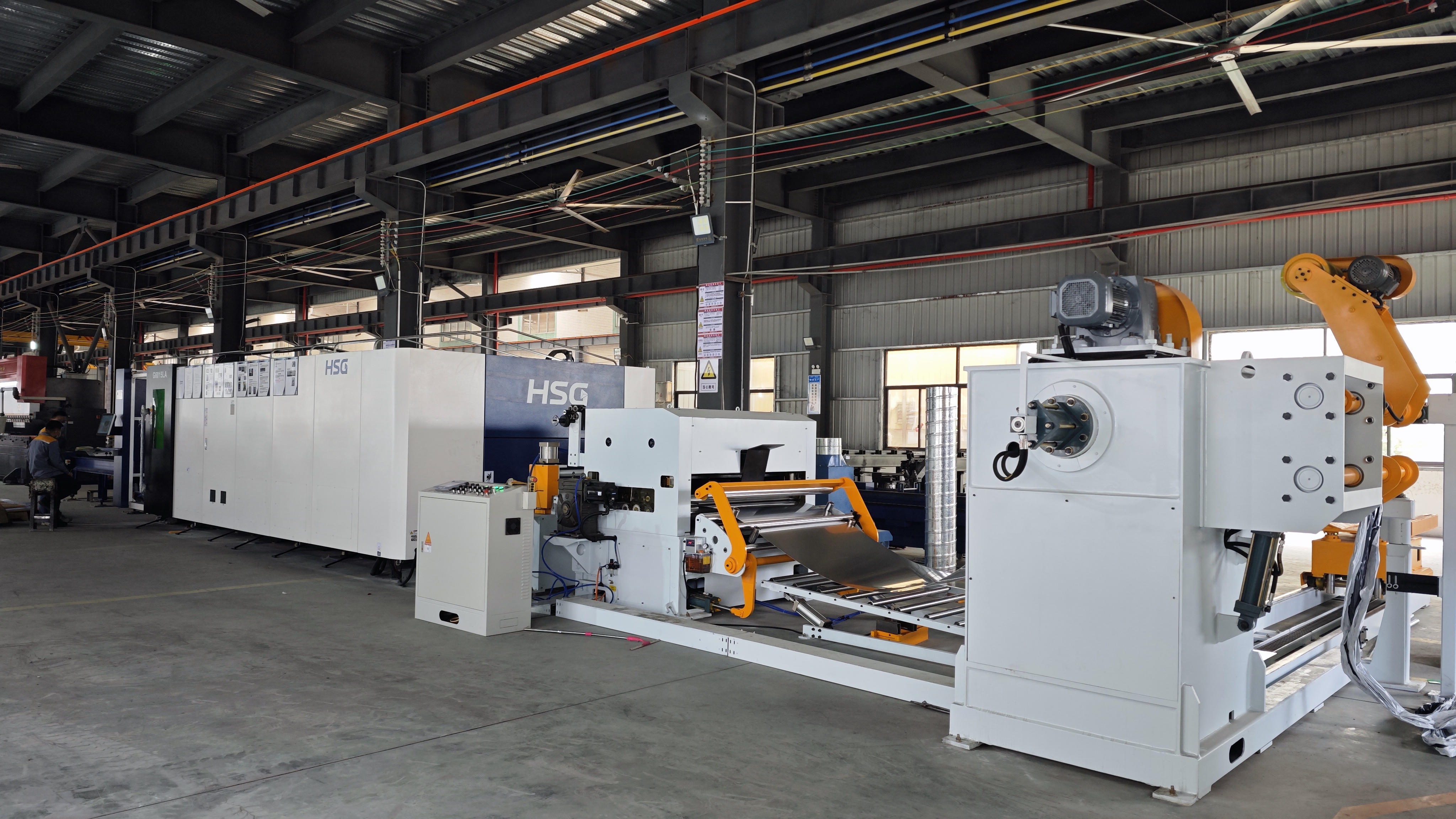
The manufacturer offers custom manufacturing and design services. Documented customization options include packaging, logo, size, automation level, voltage, power, and machine capacity. Production capacity can be adjusted to customer requirements, with a minimum order of 2 units.
Customization is not limited to electrical or dimensional parameters. It also covers application method, transport system, and level of robotization, allowing the line to align with hanging fixtures, load density, and layer sequence.
3. Industry Validation: Parameters that Matter
Different sectors require different process conditions. In automotive parts, for example, ABS+PC parts, continuous shifts, and offline robotic application are recorded. In cookware, thickness control and food-grade coating are decisive. In metal and construction, maximum part size and capacity per area guide sizing.
| Typical Application | Reported Reference Parameter |
|---|---|
| Automotive parts | ABS+PC parts; 45-second cycle/tray; robotic spraying; high equipment utilization. |
| Cookware | Production of 800-1000 pieces/hour; PTFE non-stick coating; thickness control and multi-size adaptability. |
| Metal and profiles | Aluminum panels and profiles; power-and-free chain transport; large-format parts and capacity per area. |
| Wood and musical instruments | Solid wood or MDF; defined shift production; adjustable line speed; emphasis on surface finish. |
| Industrial equipment | High-complexity metal and aluminum parts; anticorrosive coating for outdoor use. |
The table above summarizes parameters reported in the manufacturer's documentation for each product type. It does not replace detailed engineering but allows a first screening for buyers in the evaluation stage.
4. Technical Reading of the Solution
In terms of construction, the main frame typically uses carbon steel, while the application booth and piping may be specified in stainless steel. The decision to use electricity, natural gas, steam, or chilled water depends on the curing process and the product.
In metal applications, the line is used for anticorrosive and decorative coating, including primer, top coat, and powder coating for hardware, bathroom fixtures, window frames, and metal furniture components. In cookware, the line applies PTFE non-stick coating, anticorrosive primer, and high-temperature-resistant finish on frying pans, pots, and oven trays.
5. Real Use Across Multiple Sectors
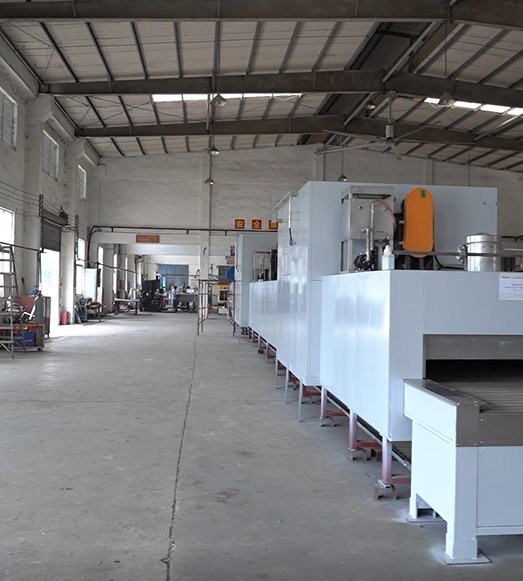
Manufacturer data includes industrial applications in automotive parts, cookware, metal, wood, and industrial equipment. In automotive parts, lines have been used by OEM/ODM factories and tier-1 suppliers for surface coating, primer, and top coat on structural parts, chassis components, and interior trims. Reported cases indicate a coating yield rate of 98% and reductions in paint and energy consumption.
In cookware, lines have been used with brand OEM factories, private label manufacturers, and appliance auxiliary factories. Food-grade coating and thickness control are relevant capabilities for frying pans, pots, and oven trays.
In metal, users include export-oriented hardware factories, metal furniture and building materials companies, bathroom and window hardware factories, and sheet metal parts manufacturers. The lines apply anticorrosive and decorative coating, with powder options for metal hardware and metal furniture components.
In wood, projects target furniture, cabinets, wooden doors, and musical instrument manufacturers. In industrial equipment, the application base includes construction machinery, agricultural machinery, rail transit components, and special vehicles, with demands for long-term outdoor corrosion resistance.
6. Quality Assurance and Execution Support
Acceptance is supported by a pre-shipment test. Documented commercial terms include a 50% deposit by bank transfer within 7 days of contract signing, 40% three days before shipment, and 10% upon completion of installation. Delivery can be FOB any Guangdong port.
Documented after-sales support includes remote technical assistance, 1-year warranty, 4-hour rapid response, regular follow-up, and free training. To assess conformity, the manufacturer holds ISO 9001, ISO 14001, and ISO 45001 certifications applicable to the design and manufacture of coating equipment.
7. Market Trends and Their Impact on Decision
Third-party estimates place the global coating equipment market at USD 18.5 billion in 2023, projected to reach USD 30.4 billion by 2032, according to SNS Insider. Automatic systems account for more than half of the powder coating equipment segment, according to Grand View Research, and automotive is the largest end-use segment.
For a buyer in the evaluation stage, these signals alone do not justify an investment, but they reinforce the importance of choosing a solution that can evolve with automation, energy efficiency, and process integration.
8. Comparison with Traditional Systems and Application Limits
Compared to a manual or semi-automatic line, an automated system can offer greater repeatability, less dependence on operator skill, and better film control. However, full automation is not always suitable for workshops with very small batches or high dimensional variation; in such cases, profitability depends on standardizing hanging, pitch, and trajectories.
Another practical limitation is lead time: products with different configurations have different lead times, and commissioning requires coordination of installation and validation. A buyer must plan fixture engineering and startup together with equipment supply.
9. Future Perspective
The evolution of coating lines points toward greater smart monitoring, mixed production of multiple references, and low-maintenance designs. Customization capabilities will allow integrating new eco-friendly coating requirements, energy efficiency, and traceability without redesigning the plant from scratch.
In that scenario, the value for the buyer shifts from simple machinery supply to engineering capability: planning, fixture adaptation, commissioning, and ongoing support.
Frequently Asked Questions
What customization capabilities can be expected in an industrial coating line?
The manufacturer documents customization options in packaging, logo, size, automation level, voltage, power, and machine capacity. Production capacity can be adjusted to customer requirements, and the stated minimum order is 2 units.
How is adaptation to product and industry validated?
Validation starts with materials and geometries. For example, automotive parts in ABS+PC, cookware in aluminum alloy, aluminum metal profiles, solid wood or MDF, and metal industrial equipment. Each type has its own production, hanging, and curing parameters.
What certifications are relevant when evaluating the manufacturer?
Documentation includes ISO 9001 for quality management, ISO 14001 for environmental management, and ISO 45001 for occupational health and safety. The declared scope covers the design and manufacture of coating equipment.
How are delivery and commissioning managed?
Delivery can be FOB any Guangdong port. Acceptance includes a pre-shipment test. Documented support includes remote technical assistance, 1-year warranty, 4-hour response, regular follow-up, and free training.
What commercial terms are commonly used?
Indicated terms include 50% by bank transfer within 7 days of contract signing, 40% three days before shipment, and 10% upon completion of installation.
What limits should be considered before automating?
Full automation may not be the most efficient option for very small batches or high dimensional variation. Additionally, lead times vary by product, and commissioning requires coordination of installation and validation.
Additional documentation: corporate brochure.