
Custom Casual Apparel RFQ Checklist: Fabric Weight vs MOQ vs Lead Time Trade-offs
Custom Casual Apparel RFQ Checklist: Fabric Weight vs MOQ vs Lead Time Trade-offs
A custom casual apparel RFQ is easier to evaluate when fabric specification, order quantity, and timing are treated as connected decisions. Lihongwear’s documented options include 360g Mountain Cotton hoodies, 280g high-elastic long sleeve shirts, and T-shirts in several fabric compositions. Its stated production terms include a 200-piece custom minimum per style, a 15–25-day custom-order cycle, and spot goods dispatched within three days. Those figures define a useful starting framework—but they do not make every design, material, or delivery detail interchangeable.
For buyers moving from supplier research to evaluation, the practical question is not simply which fabric is heavier or which supplier quotes the shortest lead time. It is which combination of specification, quantity, and fulfillment route can meet the product brief without assuming that a stock item and a custom-made item follow the same process.
Why fabric, MOQ, and lead time belong in the same RFQ
Fabric weight and construction shape what the buyer is asking the factory to make. Quantity determines whether the request fits the stated custom-order minimum or is better handled as a stock purchase. Timing then depends on whether the buyer is selecting spot goods or placing a custom order. Treating these as separate quote lines can obscure important differences between a ready item and a product that requires customization.
Lihongwear identifies fabric weight, garment size, garment color, printing, embroidery, hangtags, wash labels, and packaging among its customization options. Its stated custom MOQ begins at 200 pieces per style. The capability information gives a 15–25-day lead time for custom orders and says spot goods ship within three days. These are the documented planning parameters; they should not be read as a guarantee that every combination of fabric, color, decoration, and packaging will have identical timing.
A useful RFQ therefore records both the desired outcome and the boundaries of the request. If the buyer asks for a heavyweight hoodie, the RFQ should identify the exact fabric and construction rather than relying on the word “heavyweight.” If a launch date is fixed, the RFQ should distinguish custom production from stock dispatch. If the proposed quantity is below the custom minimum, the buyer should clarify whether a stock option can meet the product and branding requirements.
Start with the product specification—not a generic fabric label
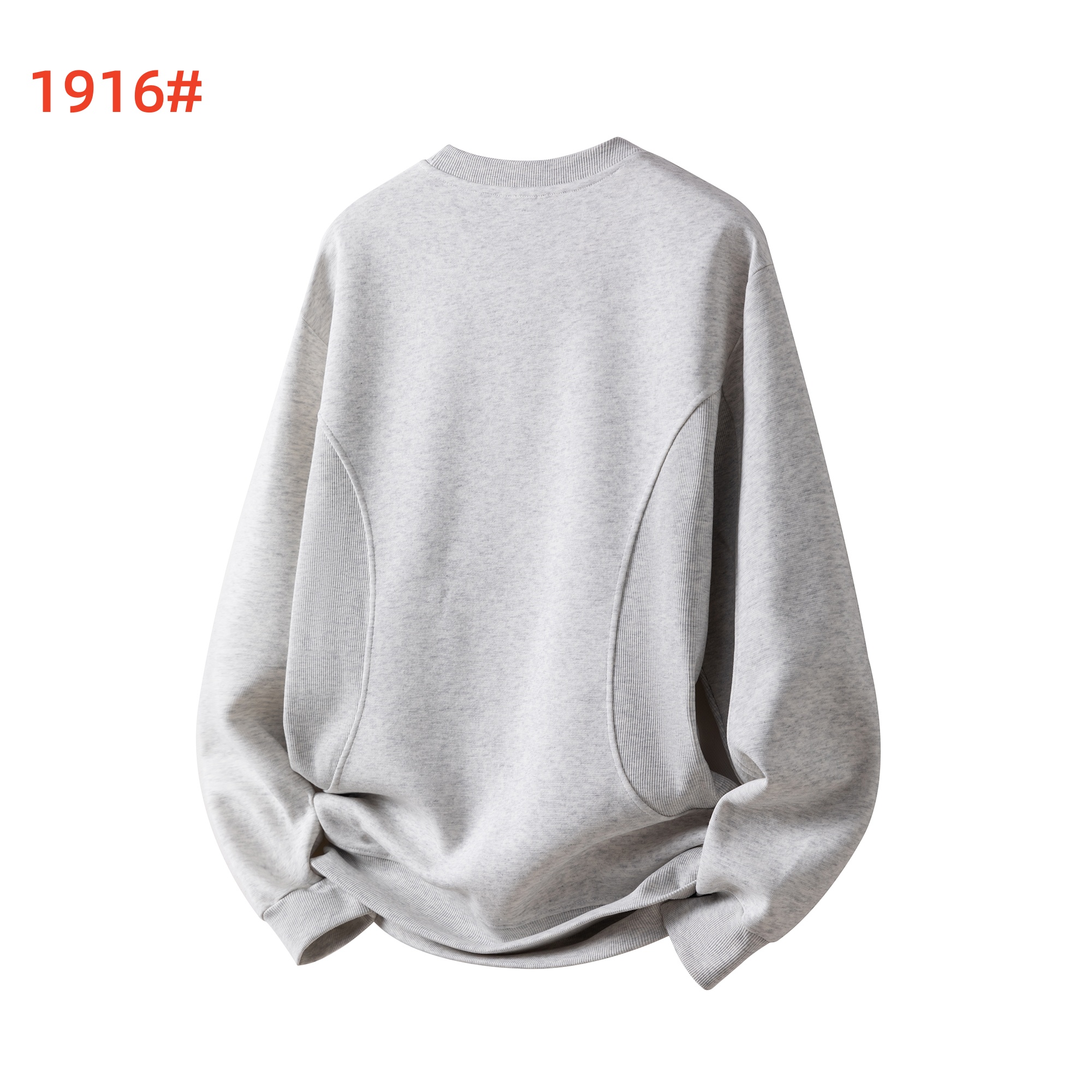
The documented product range gives buyers concrete reference points for custom casual wear. A 360g hoodie uses Mountain Cotton with a listed composition of 63.5% cotton and 36.5% polyester; the lining is listed as 100% polyester. The garment has a double-layer composite construction with fleece lining. A 280g high-elastic long sleeve shirt is listed with a 79.7% polyester and 20.3% spandex blend and four-way stretch. The T-shirt range lists several materials: 100% combed cotton, Sorona at 63.6% cotton and 36.4% polyester, Starry Sky Cotton at 87% nylon and 13% spandex, and Comfort-Stretch Cotton at 100% polyester.
These specifications describe different material choices and constructions; they do not establish that the garments are equivalent in hand feel, warmth, stretch, or intended use. A buyer should evaluate the actual sample against the intended fit and function. For a custom casual apparel manufacturer RFQ, request the fabric name, composition, stated weight, garment construction, size range, and the decoration method together. That makes it possible to identify what the supplier is quoting rather than compare incomplete descriptions.
What the product examples clarify
- 360g Mountain Cotton hoodie: a documented heavyweight option with a cotton-polyester composite and polyester lining. The product information describes double-layer construction and fleece lining.
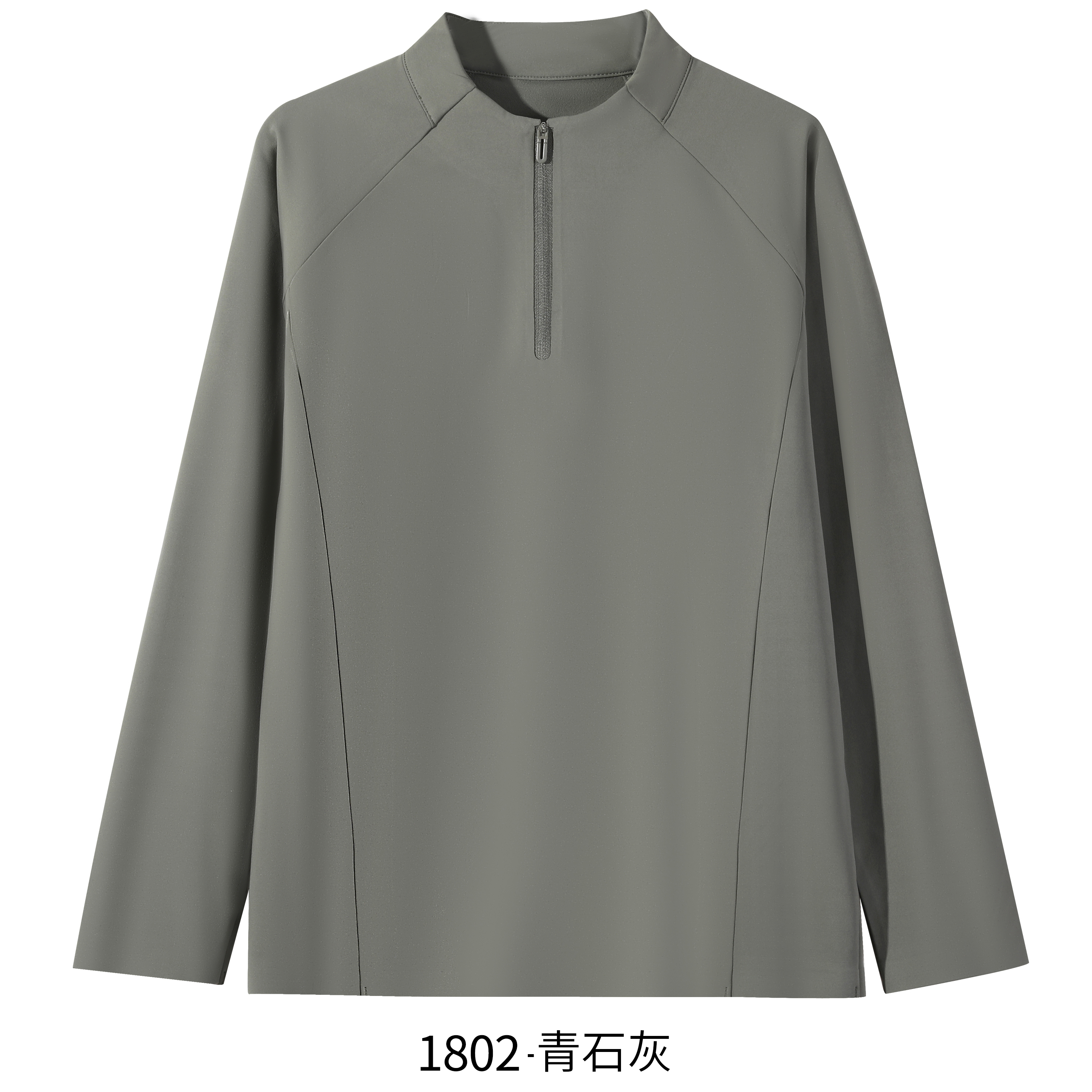
- 280g high-elastic long sleeve: a documented 79.7% polyester / 20.3% spandex blend with four-way stretch. Confirm the exact style, fit, and fabric version because the long sleeve range also includes a separate 100% polyester thin-sweatshirt option.
- T-shirts: material choices include combed cotton, Sorona, Starry Sky Cotton, and Comfort-Stretch Cotton. The listed T-shirt product data also contains fabric-weight values of 170g, 230g, 220g, and 170g, but does not clearly map each value to a named material or individual model. Buyers should request that mapping in the RFQ rather than infer it.
That last distinction is important. A material name alone does not resolve the fabric weight, and a weight value alone does not identify the composition. The buyer’s specification sheet should state both, and the supplier’s quotation or sample record should confirm which combination applies to the selected model.
RFQ comparison: what can be adjusted and what is a stated operating limit?
The table separates documented customization options from the stated factory and order terms. “Negotiable” here means the input identifies the feature as customizable; it does not mean every change is available at every quantity or without affecting timing. “Stated planning limit” means the input provides a threshold or capacity figure that should be confirmed for the actual order.
| RFQ variable | Documented basis | How to treat it in the RFQ | Trade-off / boundary |
|---|---|---|---|
| Fabric weight and material | Fabric weight is listed as a customization option. Examples include a 360g Mountain Cotton hoodie, a 280g high-elastic long sleeve, and multiple T-shirt materials. | Specify weight, composition, construction, and model together. Ask the supplier to identify the exact fabric offered for the quoted style. | Potentially adjustable within the documented customization scope, but the supplied data does not guarantee that every weight and composition can be combined for every style. |
| Order quantity | Custom orders start at 200 pieces per style. Spot goods have no minimum and support mixed wholesale. | State whether the order is custom or stock, the quantity per style, and whether styles are mixed. | The 200-piece custom MOQ is a stated minimum. A stock purchase follows different terms and may not provide the same customization. |
| Timing | Spot goods are stated to ship within three days; custom orders are stated at 15–25 days. | Identify the requested route and confirm the lead-time start point and order-specific schedule with the supplier. | Do not treat the spot dispatch window as the custom production cycle or as a delivery-time commitment. |
| Decoration and private label | Screen printing, DTG, embroidery, heat transfer, hangtags, wash labels, and packaging are listed customization options. | Attach artwork and specify each decoration or trim by garment location and method. | These options are documented, but the input does not state that all combinations have the same MOQ, cost, or lead time. |
| Production output | The listed capability data states daily output of 1,500 pieces and monthly capacity of 45,000 pieces. Another product unit records more than 200,000 pieces of standing stock. | Ask how the requested style, quantity, and production window fit the current schedule; distinguish available stock from custom capacity. | These are stated operating figures, not a reservation of capacity for a particular buyer or a guarantee of stock in a requested style, size, or color. |
Procurement reading: The buyer can define and request product attributes, but the factory’s stated MOQ, production cycle, and capacity are not substitutes for confirming order-specific availability. A quote should make the selected route—custom production or spot stock—explicit.
How to decide which trade-off to make
When product identity matters most
If the central requirement is a defined fabric or construction, put that requirement first in the RFQ. For example, a brand seeking the 360g hoodie should identify the Mountain Cotton composition, double-layer construction, and lining expectation. A buyer seeking the four-way-stretch long sleeve should name the 79.7% polyester / 20.3% spandex blend and distinguish it from the separate 100% polyester long sleeve option. For T-shirts, state the named material and ask the supplier to confirm the corresponding weight and model.
In this route, the buyer should avoid reducing the specification to “heavy,” “stretch,” or “premium.” Those terms are not a complete technical description. A sample review can then focus on whether the supplied garment matches the requested material, construction, size, and decoration, rather than on an undefined style label.
When a smaller test quantity matters most
A 200-piece custom minimum per style can be relevant for brands testing a new design or for buyers placing a limited first custom order. It does not mean that any quantity below 200 can be customized on the same terms. The documented alternative is spot wholesale, which has no minimum and supports mixed wholesale. A buyer considering blank casual tops or stock items should still confirm which sizes, colors, and product styles are available before treating stock as a substitute for a custom specification.
When the product needs a custom color, logo, label, or packaging, ask whether the proposed quantity and selected stock or custom route support each requested element. The supplied information lists these options, including custom Pantone color-dyeing for enterprise-level orders, but does not provide a universal minimum or schedule for every decoration combination.
When a calendar date matters most
For a time-sensitive requirement, the first decision is whether a documented spot item can meet the brief. Spot goods are stated to ship within three days, while custom orders are stated at 15–25 days. These are different fulfillment paths. The figures do not establish transit time, customs clearance, or the date a buyer will receive the goods, so the RFQ should ask the supplier to confirm the schedule for the actual order and destination.
If the product is custom, provide the final specification and artwork early in the quotation process and ask the supplier to identify the production-cycle start point. This is a procurement clarification, not an assumption that the stated cycle begins at a particular event. For buyers with a fixed launch date, the choice between stock availability and product differentiation should be made explicitly rather than left implicit in a general lead-time request.
Capacity: interpreting output, monthly volume, and ready stock
Lihongwear’s capability information states daily output of 1,500 pieces, monthly capacity of 45,000 pieces, and standing stock of more than 200,000 pieces. These figures serve different purposes. Daily and monthly output describe stated production capacity; standing stock describes inventory across the supplied product range. Neither figure by itself confirms that a particular custom style, size, color, fabric, or quantity is immediately available.
For evaluation, ask the supplier to confirm which capacity figure applies to the proposed order and whether the requested production period is available. For stock, request confirmation of the exact style and size assortment rather than relying on the total stock number. For a custom order, confirm that the 200-piece per-style minimum is met and that the requested changes fit the quoted production route. Capacity figures are planning context; the order confirmation should specify the actual commitment.
There is also a distinction between a facility’s stated ability to produce and a buyer’s reserved allocation. The provided data does not disclose live utilization or stock by SKU. Therefore, an RFQ evaluation should record the date of the supplier’s stock and schedule confirmation and should not interpret annual, monthly, or daily output as available capacity for a specific order.
A practical RFQ checklist for custom casual apparel
- Identify the product: name the garment category and model or series when known—such as the 1901 Series hoodie, 1801/1701 Series long sleeve shirts, or one of the listed T-shirt series.
- Specify the fabric: record weight, composition, and construction separately. For a T-shirt, ask the supplier to map the selected material and weight to the model in the quotation.
- Define fit and size range: provide the required size range and any fit instruction. Available ranges differ by product and model; the supplied product data includes options from M–3XL or M–4XL for some products and XS–5XL for the Men's Basic Apparel range.
- List customization: identify color, print or embroidery method, logo placement, labels, hangtags, and packaging. Separate must-have details from optional details so the supplier can quote the requested configuration clearly.
- State the quantity per style: distinguish a custom order from mixed stock wholesale. Confirm that each custom style meets the stated 200-piece minimum.
- Choose the fulfillment route: ask whether the quote is for stock dispatch or custom production. Use the stated three-day spot dispatch and 15–25-day custom cycle as reference points, then request an order-specific confirmation.
- Clarify capacity and availability: confirm the current stock for the exact style and size assortment, or the production slot for the custom order. Do not substitute total standing stock or monthly capacity for this confirmation.
- Request applicable evidence: identify the exact fabric and product covered by any test report. The corpus records CTI reports under GB 18401-2010 Category B for product ranges and specific fabrics; a buyer should check that the report supplied corresponds to the material and garment being evaluated.
- Record acceptance details: define what the buyer will compare against the approved sample and order specification, including seam, neck, and dimensional checks where relevant. The product information states that production runs follow AQL standards and include manual checks for these aspects.
- Keep the quote comparable: request the same fields from each supplier—fabric, construction, quantity, decoration, private-label components, route, schedule, and supporting documents. A low figure cannot be meaningfully compared if the underlying garment or fulfillment route differs.
Technical evidence and scope checks
Material and compliance evidence should be matched to the quoted item, not treated as a generic statement about all garments. The supplied certification records identify CTI Textile Safety Test Reports and GB 18401-2010 Category B for relevant product ranges. The 360g hoodie record refers to Mountain Cotton composite fabric; the long sleeve records include high-elastic fabric evidence. When reviewing a document, compare its scope and product reference with the RFQ material and style.
Likewise, a fabric-weight statement should be tied to the specific garment version. The product data identifies 360g for the hoodie and 280g for the high-elastic long sleeve, while the T-shirt range lists several weights without a clear mapping to each listed material. An RFQ that preserves this distinction reduces the risk of approving a sample based on an assumed specification.
Application examples: different buyers, different priorities
Cross-border e-commerce launch: A seller testing a new graphic T-shirt may prioritize a manageable custom quantity and a clear decoration specification. The stated 200-piece custom MOQ is relevant if the product is made to order. If an existing blank or stock style is suitable, the spot route may allow mixed wholesale with no minimum, subject to stock confirmation. The buyer should not assume that stock terms include all custom colors, labels, or packaging.
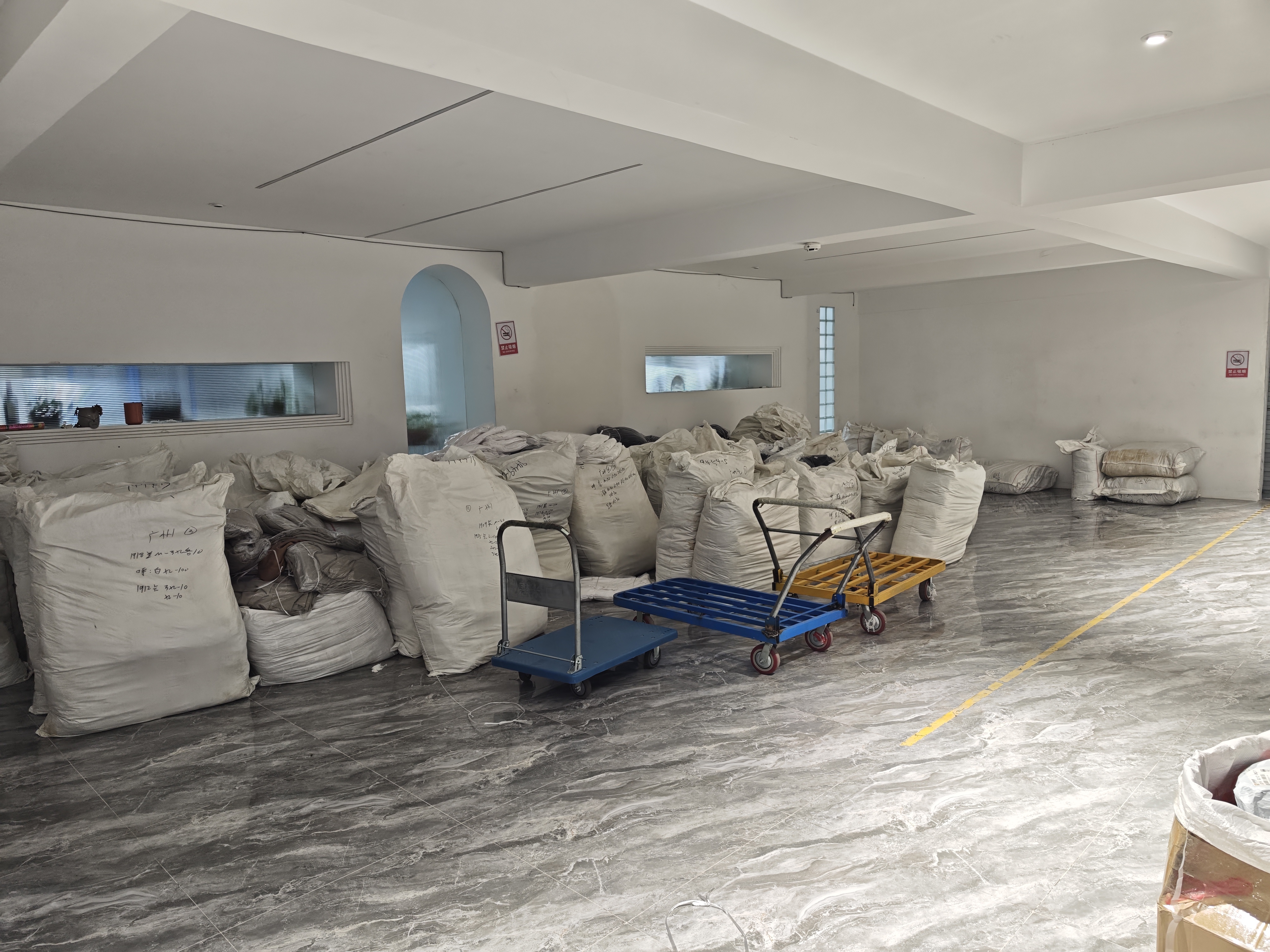
Wholesale replenishment: A wholesaler replenishing a known basic style may value the stock route and the stated three-day dispatch window. The operational question is whether the requested style and size mix are in stock at the time of order. The standing-stock figure is not a style-level inventory record, so the buyer should verify the actual assortment.
Private-label casual collection: A brand owner developing a hoodie, long sleeve, and T-shirt assortment may need different fabric decisions for each garment. The documented product examples show why one shared description is insufficient: the hoodie has a 360g composite construction, the long sleeve has a 280g high-elastic option, and T-shirts offer several material choices. The buyer can request private-label trims and embellishment, but should confirm the requirements and schedule for each style.
Corporate or retail order: Where several sizes, colors, and logo treatments are involved, the RFQ should make the assortment and customization requirements explicit. The source material identifies these products for wholesale, cross-border e-commerce, trend-brand labeling, corporate workwear, and offline retail. The application category does not itself establish a particular order quantity or production deadline.
Market context: why the category matters, and what the data does not say
A 2026 custom-clothing market dataset attributed to Dataintelo reports that casual and fashion applications account for 62% of custom-clothing demand, compared with corporate and formal wear. This provides category context for buyers considering custom casual apparel. It does not prove demand for a specific fabric, establish a price trend, or predict the outcome of an individual product launch.
The same verified-data package identifies a gap in independently audited, manufacturer-level MOQ and lead-time benchmarks. Consequently, the supplier-specific figures in this article should be read as documented Lihongwear terms, not as universal apparel-industry averages. For procurement teams, the implication is straightforward: compare suppliers using the same RFQ fields and ask each one to substantiate the exact MOQ, schedule, and availability for the proposed order.
Comparison with a stock-first sourcing approach
A stock-first approach can reduce the need to wait for a custom production cycle when a suitable item is already available. Lihongwear states that spot goods ship within three days, have no minimum order, and can be mixed for wholesale. The boundary is that the buyer must confirm whether the available garment meets the desired fabric, color, size, branding, and packaging requirements.
Custom production, by contrast, is the documented route for specified changes and starts at 200 pieces per style, with a stated cycle of 15–25 days. It can support a more defined product brief, but it is not interchangeable with immediate stock dispatch. A buyer choosing customization should plan around the custom cycle and confirm the actual schedule; a buyer choosing stock should confirm the actual assortment. Neither route is categorically better: the appropriate choice depends on which requirements are fixed and which can be adjusted.
Outlook for the next RFQ decision
For buyers evaluating custom casual apparel, the most defensible process is to lock the product specification before comparing MOQ and timing. Use the documented garment examples to make the request concrete, but do not assume that a fabric weight maps to every material or style. Then identify whether the order is custom or stock, apply the relevant stated quantity and lead-time terms, and obtain confirmation of style-level inventory or production availability.
This approach keeps negotiable product choices separate from operating constraints. Fabric weight, size, color, decoration, labels, and packaging are listed customization areas. The 200-piece custom minimum, 15–25-day custom cycle, three-day spot dispatch statement, and stated daily, monthly, and stock figures are planning parameters that require order-specific confirmation. A clear RFQ makes those distinctions visible before a buyer commits to a specification or schedule.
FAQ
What is the custom MOQ for Lihongwear casual apparel?
The stated custom minimum is 200 pieces per style. Spot goods have no minimum and support mixed wholesale, but stock availability and customization options should be confirmed for the specific assortment.
How long do custom orders and spot goods take?
The supplied capability data states 15–25 days for custom orders and dispatch within three days for spot goods. These are different fulfillment routes; the data does not define transit time or guarantee a delivery date for an individual order.
Which fabric specifications can buyers include in an RFQ?
Buyers can specify product fabric weight and material. Documented examples include a 360g Mountain Cotton hoodie, a 280g high-elastic long sleeve made from 79.7% polyester and 20.3% spandex, and T-shirts using materials such as 100% combed cotton, Sorona, Starry Sky Cotton, and Comfort-Stretch Cotton. For T-shirts, the available data does not clearly map every listed weight to a material, so that mapping should be confirmed.
Do the stated production and stock figures guarantee capacity for a particular order?
No. The capability data states daily output of 1,500 pieces, monthly capacity of 45,000 pieces, and standing stock of more than 200,000 pieces. Those figures do not confirm current availability for a specific style, size, color, or production window. Buyers should request an order-specific confirmation.
Can a buyer combine private-label details with a custom garment?
The documented options include screen printing, DTG, embroidery, heat transfer, custom labels, hangtags, and packaging. The supplied data does not state that every combination has the same MOQ or lead time, so each requested detail should appear in the RFQ and be confirmed in the quote.
This article is an independent procurement reference based on the product, capability, and application information supplied for Lihongwear. Stated terms should be confirmed against the buyer’s actual specification and order.
Tem questões ou precisa de mais detalhes?
Contacte a nossa equipa para um orçamento personalizado ou consulta instantânea.
Solicitar orçamento
Preencha o formulário abaixo e a nossa equipa entrará em contacto com uma proposta personalizada.
Chat direto do WhatsApp
Prefere conversar em tempo real? Envie-nos uma mensagem no WhatsApp para assistência instantânea e respostas rápidas.
- Obter orçamento personalizado
- Partilhar fotos ou documentos
- Discuta as suas necessidades diretamente
Geralmente responde em 5–30 minutos durante o horário de expediente.