
Custom Furniture for Five-Star Hotels: RICHART’s Role in the Evolving Luxury Hospitality Landscape
The five-star hotel segment is moving beyond catalogs. As operators raise design, durability, and sustainability expectations, custom furniture has become a core procurement category. For owners, developers, and FF&E teams, understanding how a specialized manufacturer operates—and how to evaluate one—matters more than selecting a single piece.
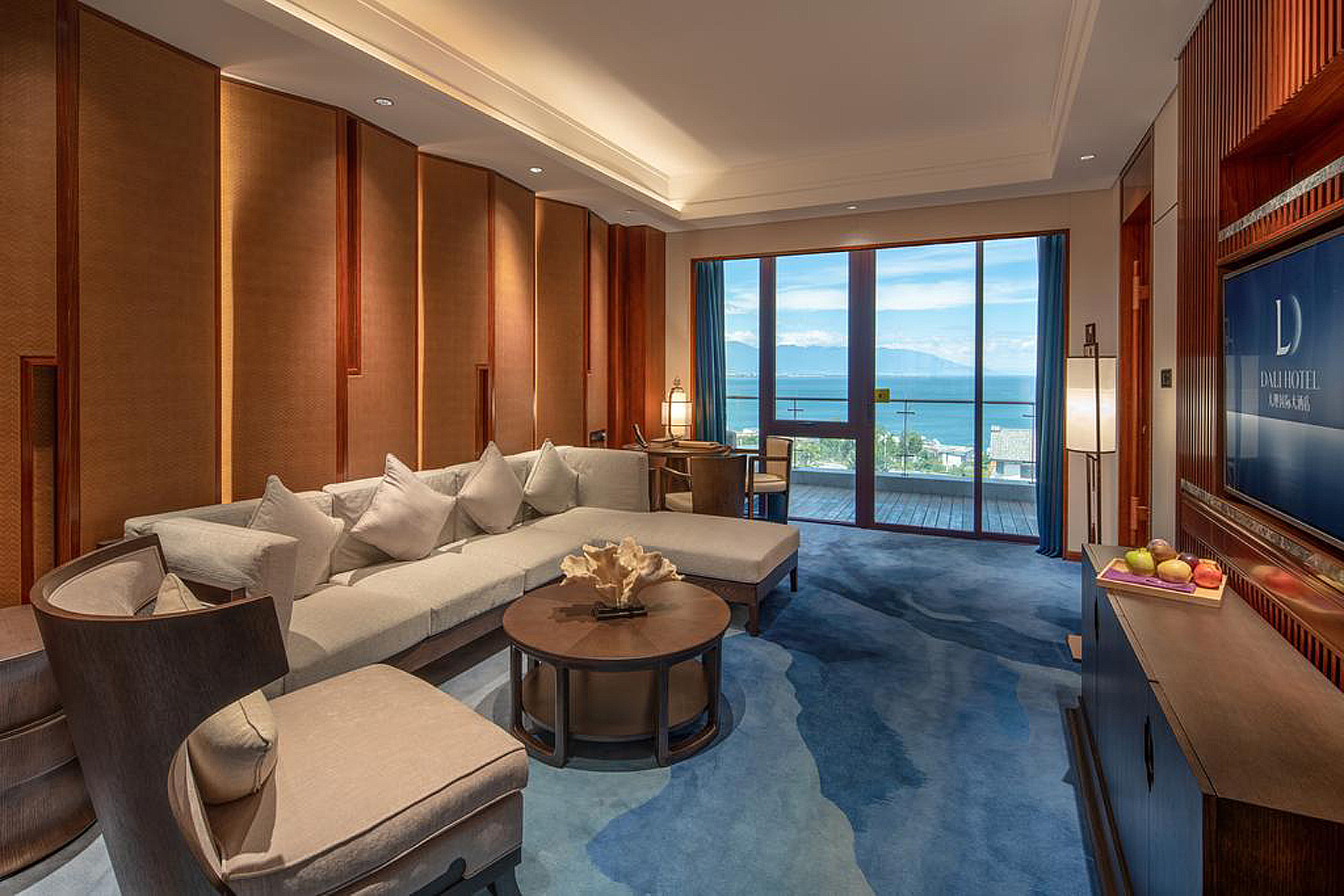
Custom suite furniture in a five-star hotel setting — a key procurement area for owners and FF&E teams.
Why Custom Furniture Has Become a Procurement Priority
Five-star hotels increasingly rely on custom furniture to differentiate their guest experience, align with architectural identity, and meet operational standards that off-the-shelf pieces cannot satisfy. Bespoke solutions are no longer reserved for presidential suites—they now extend to guest rooms, public areas, dining venues, and executive lounges.
Recent market estimates underline the scale of this demand. The global hospitality furniture market was valued at USD 23.8 billion in 2025 and is projected to reach USD 39.6 billion by 2034. The luxury hotel furniture segment is separately estimated to grow from USD 212.14 billion in 2026 to USD 312.97 billion by 2035. Over two-thirds of upscale hotels now allocate a dedicated budget for bespoke furnishings, with average project spend increasing by 31% since 2021.
These figures point to a structural shift: custom furniture for five-star hotels is becoming a standard procurement category, not an exceptional one.
What “Custom Furniture for Five-Star Hotels” Actually Requires
Procuring custom furniture for a five-star hotel is not simply ordering different dimensions or colors. It involves multiple technical and commercial requirements that a manufacturer must be able to manage across an entire project.
Full Customization, Not Adaptation
Designers and operators expect furniture to be developed from concept, not adapted from existing models. This includes custom sizes, materials, finishes, and structural details. Material selection for luxury hotel projects commonly includes veneer, leather, stone, metal, paint, solid wood, MDF, plywood, fabric, velvet, glass, marble, oak, walnut, stainless steel, brass, bronze, acrylic, melamine, laminate, and foam. A manufacturer's ability to combine these materials in bespoke pieces determines whether the design intent can be realized.
Zone-Specific Engineering
Each area of a hotel places different demands on furniture. Guest rooms require durable casegoods with strong surface protection. Lobbies demand high-performance lounge seating that meets commercial safety standards. Restaurants need seating that endures continuous use while maintaining aesthetic consistency. Executive lounges require a mix of work-oriented and lounge pieces in a compact space. A single furniture partner must be able to deliver across these zones without compromising quality or consistency.
Compliance and Sustainability Requirements
Contract furniture for five-star hotels must satisfy operational and regulatory expectations. Public and lounge seating must meet ANSI/BIFMA X5.4-2020 (R2025) standards for durability and safety in high-traffic commercial environments. In the UK, upholstered furniture in the hospitality sector requires CRIB 5 rating under BS 5852 flammability standards. Sustainability specifications in hotel furniture contracts have risen by 45% in 2025, with low-VOC finishes and FSC wood becoming standard requirements. Buyers should verify that a supplier is equipped to meet these expectations on a project-by-project basis.
Project-Level Coordination
Delivering custom furniture for a hotel project involves far more than production. Design reviews, material sourcing, engineering drawings, finish samples, approvals, production scheduling, packing, delivery, installation, and after-sales service must be coordinated. A manufacturer with a structured engineering support system reduces the risk for procurement teams.
How RICHART Supports Five-Star Hotel Furniture Projects
RICHART is the brand of Guangdong Richang Furniture Co., Ltd., a manufacturer specializing in high-end movable and fixed furniture for five-star hotels, engineering-supported design, and luxury projects including clubs, mansions, villas, and large-scale design projects. The company was established in 1990 and operates a 100,000-square-meter facility in Dawang High-tech Industrial Park, Zhaoqing City, Guangdong Province, China. It employs approximately 1,000 staff, including an R&D team of 100 engineers, and reports an annual production capacity of 500,000,000 CNY.
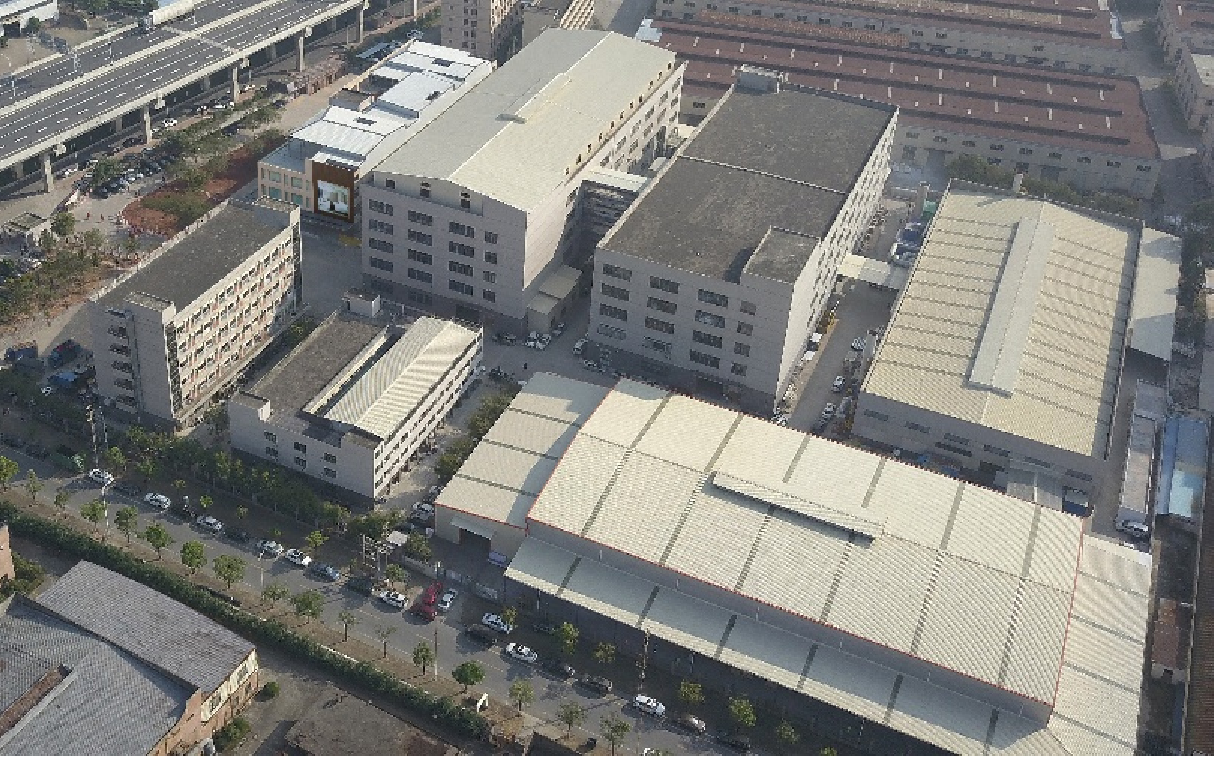
RICHART’s production facility includes woodworking, sanding, painting, assembly, upholstery, and packaging workshops.
RICHART’s product scope includes loose furniture, fixed furniture, and engineering supporting design for four-star and five-star hotels, luxury residences, villas, and large-scale projects. The company’s model covers a broad spectrum of hotel zones:
| Hotel Zone | Typical Custom Furniture Scope |
|---|---|
| Guest Room | Headboards, bed frames, nightstands, writing desks, wardrobes, dressers, mini bar cabinets, luggage racks, armchairs, ottomans, TV cabinets, casegoods |
| Public Area | Reception desks, concierge counters, lobby sofa sets, armchairs, accent chairs, coffee tables, console tables, lounge seating, display cabinets |
| Dining / Restaurant | Dining tables, dining chairs, banquette seating, bar stools, buffet tables, servery tables, sideboards, private dining room furniture |
| Banquet Hall | Banquet tables, banquet chairs, stage platforms, podiums, buffets, bar counters, lounge seating |
| Executive Lounge | Lounge sofas, modular seating, work desks, meeting tables, concierge counters, side tables |
| Wine Cellar | Wine racks, wine cabinets, tasting tables, bar counters, temperature-controlled cabinets, cellar storage systems |
| Function Room | Lounge sofas, armchairs, dining sets, buffet tables, display cabinets, work desks |
Engineering and Manufacturing Capabilities
Customization claims are only credible when production infrastructure can back them. RICHART’s factory includes woodworking, sanding, painting, assembly, upholstery, and packaging workshops. The company reports using advanced automatic production equipment imported from Italy, Germany, Japan, Taiwan, and other regions. Environmental protection and purification equipment has been installed, and the company obtained ISO 14001 Environmental Management System Certification as early as 2006.
For procurement teams, these details translate into practical benefits: in-house production reduces reliance on third-party workshops, supports quality control at every stage, and enables more predictable scheduling. A 100-person R&D team supports the development of technical drawings and material specifications, which is essential when dealing with designers who require precise engineering documentation.
The “Engineering-Supported Design” Difference
Many furniture suppliers can produce individual items, but five-star hotel projects require a manufacturer to support the design process itself. This means translating architectural and interior design intent into manufacturable furniture. RICHART describes its approach as engineering-supported design, covering loose furniture, fixed furniture, and large-scale project needs. This capability is especially relevant in fixed furniture—built-in headboards, wardrobes, wall panels, and similar items that must align precisely with site conditions.
Applications Across Hotel Zones
To understand how RICHART functions in practice, it helps to look at the main hotel zones and the specific furniture requirements within each.
Guest Rooms and Suites
Guest rooms are where guests spend most of their time, so comfort, durability, and aesthetic consistency are critical. Casegoods—headboards, nightstands, dressers, wardrobes, and desks—must withstand daily use for years. RICHART’s custom guest room furniture covers headboards, bed frames, writing desks, mini bar cabinets, and more. Surface protection is described as scratch-resistant and wear-resistant, which is essential for maintaining appearance under continuous use.
Public Areas and Lobbies
The lobby creates the first and last impression of a hotel. Custom reception desks, concierge counters, and lounge seating must match the architectural character while enduring heavy traffic. BIFMA compliance for public seating is an important benchmark in this zone. RICHART’s public area furniture scope includes reception desks, lobby sofa sets, armchairs, accent chairs, coffee tables, and display cabinets.
Restaurants, Bars, and Banquet Spaces
These venues have especially demanding requirements: seating must be comfortable for extended periods, easy to maintain, and durable enough for multiple seatings per day. Banquette seating, custom dining tables, buffet servers, and bar counters are all typical requirements. For banquet halls, stackability and ease of reconfiguration may also be relevant, along with aesthetic continuity in pre-function areas.
Executive Lounges and Function Rooms
Executive lounges combine work and relaxation functions. Furniture must support everything from a quick coffee to an informal meeting. RICHART’s executive lounge range includes modular sofas, work desks, meeting tables, and side tables. Function rooms—meeting rooms, boardrooms, and private dining spaces—require a similar balance of comfort and formality.
Market Positioning: Where RICHART Fits in the Global Landscape
The five-star hotel furniture supply market is not homogeneous. At the top end, brands such as Poltrona Frau, Kimball Hospitality, and Baker Furniture have established reputations for design and craftsmanship. Kimball Hospitality and Bernhardt Hospitality are identified as top-tier global manufacturers of custom guestroom casegoods and upholstered seating for 2026. These brands serve a segment that prioritizes heritage, brand recognition, and design exclusivity.
RICHART occupies a different but increasingly important space: a China-based contract manufacturer focused on five-star hotel projects, with a wide range of in-house production capabilities and engineering support. For international hotel brands and developers, this positioning offers several advantages:
- Comprehensive product scope: one manufacturer for guest rooms, public areas, dining, banquet, and lounge furniture reduces coordination complexity.
- Engineering-backed customization: an in-house R&D team of 100 engineers supports technical drawing, material selection, and production planning.
- Established international delivery record: RICHART reports supplying more than 500 high-star hotels worldwide and serving markets including the USA, EU, Southeast Asia, the Middle East, and China.
- Scalable manufacturing: a 100,000-square-meter facility with 1,000 employees enables large-scale, multi-zone project delivery.
This is not to say RICHART competes head-to-head with heritage design houses. Hotels seeking a globally recognized designer brand for signature spaces may still prefer those houses. RICHART’s value proposition is strongest when the project requires comprehensive custom manufacturing, engineering support, and project-level coordination at scale.
Supplier Selection Criteria for Five-Star Custom Furniture Projects
Choosing a custom furniture partner for a five-star hotel project is a high-stakes decision. Procurement teams should evaluate suppliers using a structured framework:
1. Production Infrastructure
Verify that the factory has dedicated workshops for the full production chain: woodworking, sanding, painting, assembly, upholstery, and packaging. A supplier with in-house workshops can better control quality, timeline, and communication. Ask about the age of equipment, the size of the facility, and the number of skilled workers.
2. Engineering and R&D Depth
Custom five-star work requires drawing review, engineering modification, and material specification. Check the size of the engineering team. RICHART, for example, employs 100 engineers in R&D. A larger engineering team usually indicates stronger capacity to handle complex specifications.
3. Certifications and Environmental Compliance
Look for ISO 9001 quality management, ISO 14001 environmental management, and OHSAS 18001 occupational health and safety certifications. RICHART states that its production processes comply with ISO 9001:2008, ISO 14001:2004, and OHSAS 18001:2007. In addition, check whether the supplier can meet project-specific standards such as ANSI/BIFMA X5.4 or BS 5852 CRIB 5, and whether low-VOC finishes and FSC-certified wood can be specified.
4. Project Reference and International Experience
A supplier’s track record is the strongest indicator of future performance. RICHART reports having provided products and services to more than 500 high-star hotels worldwide, including projects for international hotel brands such as St. Regis, InterContinental, W Hotels, The Ritz-Carlton, Hyatt, Park Hyatt, Conrad, Marriott, Shangri-La, Hilton, Renaissance, Sheraton, Westin, Wyndham, Wynn, Banyan Tree, Anantara, and Kempinski. It also lists Chinese developers such as KWG, Wanda, R&F, Greentown, and Poly among its clients. Buyers should ask for project references relevant to their own region and hotel grade.
5. End-to-End Service Scope
Installation and after-sales service are part of the true project cost. A manufacturer that can deliver, install, and maintain furniture—rather than just produce it—reduces risk for hotel owners. RICHART describes its offering as end-to-end solutions from design and production through installation.
Traditional Procurement vs. Working with a Specialized Manufacturer
Many hotel projects still use a traditional approach: hiring a designer, sourcing individual pieces from multiple suppliers, and coordinating installation through a separate contractor. This approach can work, but it carries several structural inefficiencies.
| Comparison Point | Traditional Multi-Supplier Approach | Specialized Custom Manufacturer (e.g., RICHART) |
|---|---|---|
| Design translation | Multiple suppliers may interpret drawings differently | Engineering-supported design ensures manufacturability |
| Quality consistency | Risk of variation across suppliers and batches | In-house production under one quality system |
| Coordination | Owner/PM manages multiple vendors | Single point of contact for design, production, delivery, installation |
| Material compliance | Each supplier must be separately verified | Unified compliance management and documentation |
| Project timeline | Dependency on multiple schedules | Integrated production planning improves control |
| Cost structure | Hidden coordination cost | Consolidated procurement, potentially lower total cost |
That said, the traditional approach is not without merit. For very small projects—such as renovating a single restaurant or a handful of suites—engaging a large custom manufacturer may be overkill. In those cases, sourcing from a local artisan or a smaller specialist can be faster and more cost-effective. The value of a full-scope manufacturer increases with project size, complexity, and the number of zones involved.
Future Outlook: Customization, Sustainability, and Technology
Several trends will shape the next phase of custom furniture for five-star hotels.
Customization Becomes Widely Expected
With over two-thirds of upscale hotels now allocating a dedicated budget for bespoke furnishings, custom is becoming the default expectation rather than a premium option. This does not mean every piece must be entirely original, but the ability to tailor standardized platforms to a hotel’s design language is increasingly important.
Sustainability Moves from Option to Requirement
The 45% increase in sustainability specifications in hotel furniture contracts signals that low-VOC finishes, FSC wood, and environmentally certified production are no longer optional. Hotel groups are embedding these requirements in their brand standards, and suppliers must be able to document compliance.
Durability and Total Cost of Ownership Gain Emphasis
Five-star hotels are increasingly evaluating furniture based on service life and maintenance cost, not just upfront price. Scratch-resistant, wear-resistant surfaces, stable structure, and reliable after-sales service directly reduce the cost per service year. This favors manufacturers with strong in-house quality control and clear service commitments.
Asia Pacific Continues to Shape Supply
Asia Pacific dominated the hospitality furniture market with a 36.4% revenue share in 2025, driven by construction booms in emerging economies. In parallel, Chinese manufacturers have expanded their engineering and delivery capabilities, making them viable partners for international hotel projects.
How Buyers Can Engage with RICHART
For hotel owners, developers, interior designers, and procurement consultants, evaluating RICHART begins with technical qualification. The company can be reached by email at richart2687@gmail.com or by phone/WhatsApp at +86 13826286822. Its website is www.richart-furniture.com.
RICHART’s product range spans guest room furniture, public area furniture, dining and restaurant furniture, banquet hall furniture, executive lounge furniture, function room furniture, and wine cellar furniture. Full customization is available, with styling options ranging from modern and contemporary to classic, French, European, Italian, Art Deco, Chinoiserie, and more. Production is backed by a 100,000-square-meter facility and a 100-engineer R&D team.
Detailed company capability information is available in the corporate brochure: Download RICHART Brochure.
FAQ
What does a five-star hotel custom furniture manufacturer do?
A five-star hotel custom furniture manufacturer produces movable and fixed furniture tailored to the specific design, dimensional, material, and performance requirements of hotel projects. This includes guest room casegoods, lobby and lounge seating, dining furniture, banquet hall pieces, executive lounge furniture, and built-in elements. The manufacturer typically supports engineering design, production, installation, and after-sales service.
What materials can be used for five-star hotel custom furniture?
Common materials include veneer, leather, stone, metal, paint, solid wood, MDF, plywood, fabric, velvet, glass, marble, oak, walnut, stainless steel, brass, bronze, acrylic, melamine, laminate, and foam. The choice depends on the design intent, the level of durability required, and the specific area of the hotel where the furniture will be used.
How do I choose a custom hotel furniture manufacturer?
Evaluate the manufacturer on production infrastructure, engineering and R&D capability, certifications (such as ISO 9001, ISO 14001, OHSAS 18001), project references in the hotel sector, material compliance (e.g., ANSI/BIFMA, BS 5852), and the ability to provide end-to-end services from design to installation. A visit to the factory is advisable for major projects.
What is the difference between loose furniture and fixed furniture?
Loose furniture refers to movable items such as sofas, chairs, dining tables, and freestanding casegoods. Fixed furniture is built into the building structure, such as built-in headboards, wall panels, wardrobes, and reception counters. Five-star hotel projects often require both, and a manufacturer that can handle both types simplifies coordination.
How long does it take to produce custom hotel furniture?
Lead time depends on the number of items, material availability, design complexity, and the manufacturer's production schedule. For large projects, production can take several months, not including design review, sampling, shipping, and installation. Buyers should ask for a detailed project timeline during supplier evaluation.
What standards apply to hotel furniture in high-traffic areas?
In the United States, public and lounge seating must meet ANSI/BIFMA X5.4-2020 (R2025) for durability and safety. In the UK, upholstered furniture in hospitality environments typically requires a CRIB 5 rating under BS 5852 flammability standards. Environmental requirements such as low-VOC finishes and FSC-certified wood are also increasing in hotel furniture contracts.
Can RICHART handle a full five-star hotel project, not just one zone?
Yes. RICHART produces furniture for guest rooms, public areas, restaurants and bars, banquet halls, executive lounges, function rooms, and wine cellars. The company also handles fixed furniture and provides engineering-supported design services, allowing it to serve as a key supplier for multi-zone hotel projects.
Tem questões ou precisa de mais detalhes?
Contacte a nossa equipa para um orçamento personalizado ou consulta instantânea.
Solicitar orçamento
Preencha o formulário abaixo e a nossa equipa entrará em contacto com uma proposta personalizada.
Chat direto do WhatsApp
Prefere conversar em tempo real? Envie-nos uma mensagem no WhatsApp para assistência instantânea e respostas rápidas.
- Obter orçamento personalizado
- Partilhar fotos ou documentos
- Discuta as suas necessidades diretamente
Geralmente responde em 5–30 minutos durante o horário de expediente.