
Custom Rigid Boxes vs. Standard: Opack’s Technical & ROI Advantage in 2026
Decision-makers evaluating premium packaging often face a core question: do custom rigid boxes justify their higher upfront cost compared to standard rigid boxes? For brand owners in apparel, cosmetics, gifting, and retail, the answer increasingly depends on measurable business outcomes — repeat purchases, customer satisfaction, and unboxing memorability — not just visual appeal.
The Decision Gap in Premium Packaging
While regular rigid boxes serve basic protection and containment needs, they lack the customization and brand differentiation that today’s market demands. The global rigid boxes market was valued at USD 31.2 billion in 2025 and is projected to reach USD 48.9 billion by 2035, driven by premiumization and e-commerce growth (Global Market Insights). However, buyers often struggle to quantify the return on investing in custom features versus off-the-shelf options.
Opack’s Custom Rigid Box Solution
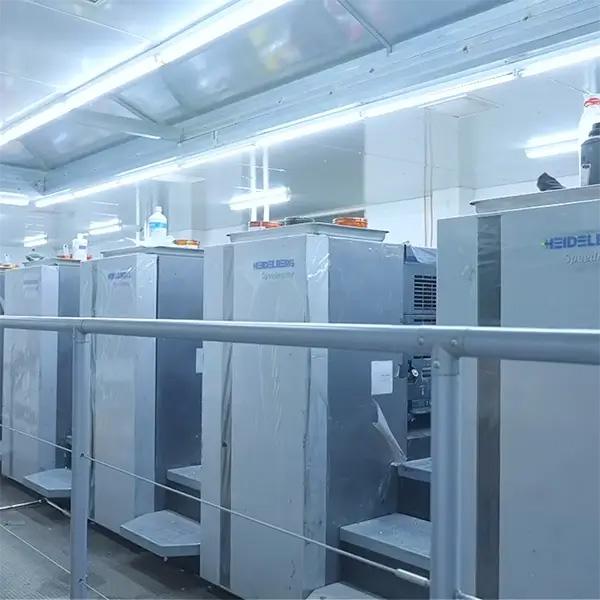
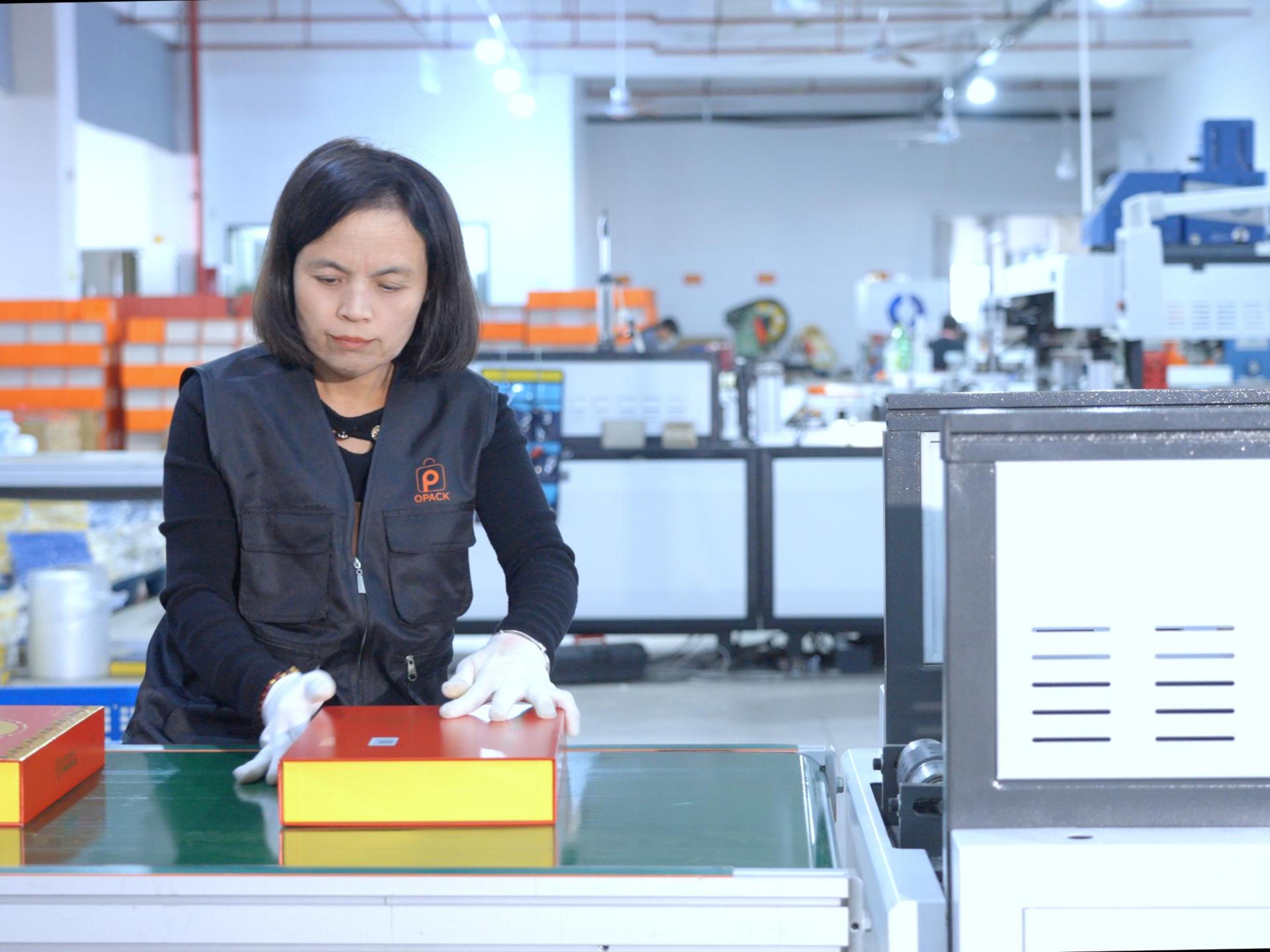
Opack is a custom packaging manufacturer based in Longgang, China, producing high-quality rigid boxes for global brands since 2010. Custom rigid boxes from Opack offer advantages over regular rigid boxes, including full customization, higher brand visibility, and eco-friendly material options. They achieve 20%–30% higher repeat purchase rates compared to standard rigid boxes, according to Opack’s comparative data. This performance is backed by a 10,000 m² factory with 160 employees and an annual output of 10 million units, serving markets in the EU, USA, and Middle East.
Technical Features That Drive Durability
Custom rigid boxes incorporate technical features such as magnetic closure alignment and scratch-resistant lamination, which contribute to enhanced durability and user experience. Maintenance requirements include thicker customizable grey board, reinforced corner edges, and scratch-resistant lamination to reduce warping, delamination, or lid misfit during repeated use. These structural choices extend the usable life of the packaging, making it suitable for premium retail and gift applications where repeated handling is common.
Application Scenarios for Custom Rigid Boxes
Custom rigid boxes are best suited for product launches, retail packaging, gift packaging, e-commerce packaging, corporate events, promotional campaigns, seasonal and holiday packaging, subscription boxes, and PR packaging. In each scenario, the combination of full customization, brand logo printing, and durable materials helps businesses create a memorable unboxing experience that drives social media sharing (5%–10% more shares) and customer referrals (5%–15% increase). Opack supports FSC-certified grey board, low-VOC adhesives, and food-safe eco-friendly inks, making the boxes fully recyclable and biodegradable after service life.
Market Trends Shaping the Decision
Several external factors reinforce the move toward custom rigid boxes. The EU Packaging and Packaging Waste Regulation (PPWR) becomes mandatory on August 12, 2026, requiring all packaging to be recyclable and properly labeled. Paper and paperboard materials already account for 55.4% of rigid box material revenue as brands shift toward recyclable substrates (Future Market Insights). Asia Pacific dominated the global rigid packaging market with a 48.2% revenue share in 2023, while Europe remains the largest market for luxury rigid boxes — aligning with Opack’s primary export regions. The rigid box segment is expected to expand at a 9.2% CAGR from 2026 to 2033 (Grand View Research).
Custom vs. Standard: A Balanced Comparison
Compared to regular rigid boxes, custom rigid boxes involve 5%–10% higher initial costs. However, this premium is offset by measurably better business outcomes: 20%–30% higher repeat purchase rates, 10%–30% improvement in customer satisfaction, and 5%–10% more social media shares. A limitation is that the higher upfront investment may not suit all budgets or low-volume projects; for large-scale production runs, the per-unit cost difference narrows significantly. Additionally, Opack’s quality control — including spectrophotometer-based color measurement with a ΔE tolerance of approximately 1.5 and pre-production load-bearing tests — ensures consistency that reduces waste and rework.
Future Outlook for Custom Rigid Boxes
As regulatory pressure and consumer demand for sustainable packaging intensify, custom rigid boxes made from certified materials will become the norm rather than the exception. Opack’s manufacturing capabilities, combined with FSC-certified board options and eco-friendly inks, position it as a viable sourcing partner for brands preparing for PPWR compliance and circular economy targets. The trend toward personalization and premium unboxing will further drive adoption across subscription, gifting, and luxury retail segments.
Frequently Asked Questions
Q: What is the cost difference between custom rigid boxes and regular rigid boxes?
A: Custom rigid boxes typically involve initial costs that are 5%–10% higher than regular rigid boxes, attributed to full customization, enhanced structural features, and premium materials.
Q: How do custom rigid boxes improve brand performance?
A: They achieve 20%–30% higher repeat purchase rates, 10%–30% improvement in customer satisfaction, and 5%–10% more social media shares compared to standard rigid boxes.
Q: What technical features enhance the durability of custom rigid boxes?
A: Technical features include magnetic closure alignment, scratch-resistant lamination, thicker customizable grey board, and reinforced corner edges, which reduce warping and lid misfit during repeated use.
Q: Can custom rigid boxes be made with sustainable materials?
A: Yes. Opack supports FSC-certified grey board, low-VOC adhesives, and food-safe eco-friendly inks. The boxes are fully recyclable and biodegradable after their service life.
Q: What quality control measures does Opack apply to custom rigid boxes?
A: Opack uses spectrophotometer-based color measurement to keep color difference (ΔE) within approximately 1.5. Pre-production load-bearing tests verify handle strength and structural stability, followed by batch-by-batch final quality inspection.
Q: Which industries and applications are best suited for custom rigid boxes?
A: They are ideal for product launches, retail packaging, gift packaging, e-commerce packaging, corporate events, promotional campaigns, seasonal/holiday packaging, subscription boxes, and PR packaging.
For a comprehensive overview of Opack’s production capacity, certifications, and supply chain capabilities, download the company brochure: Opack Company Profile (PDF)