
Custom Sludge Dewatering Equipment: OEM Capabilities and Case Applications
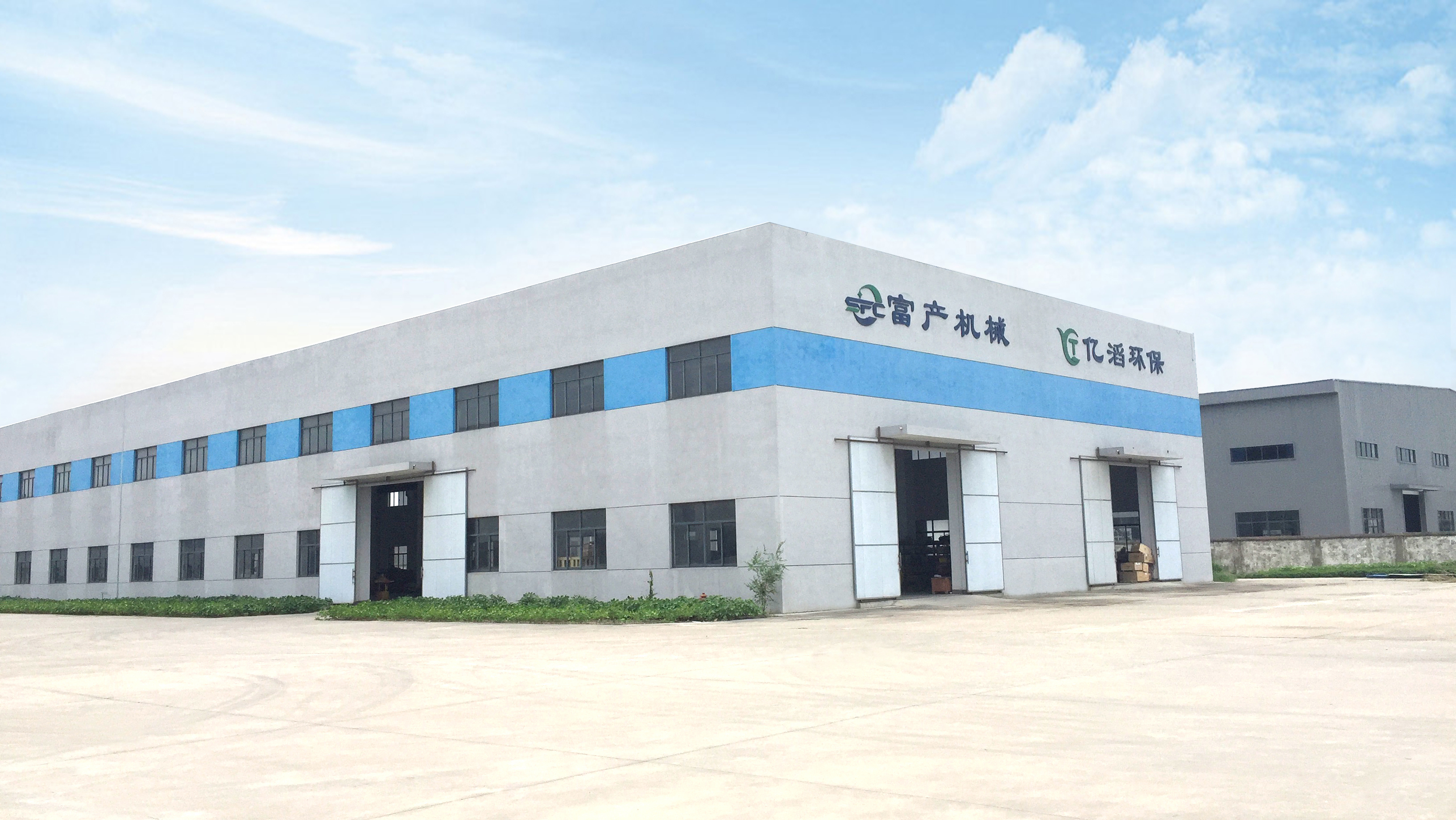
Procurement teams moving from evaluation to execution increasingly require sludge dewatering equipment that can be adapted to unique sludge characteristics, site constraints, and process integration needs. A manufacturer’s ability to offer OEM/ODM services and flexible customization has become a decisive factor in supplier selection.
The Gap Between Standard Machines and Real‑World Sludge Conditions
Most conventional sludge dewatering systems—whether screw press dewatering, belt press dewatering, or sludge filter press units—are designed for generalized feed solids and flow ranges. Yet real-world wastewater streams vary dramatically: oily sludge from food processing, high‑inorganic sludge from chemical plants, low‑concentration excess activated sludge from municipal plants, and sticky sludge from pharmaceutical operations. Off‑the‑shelf equipment often forces operators to compromise on cake dryness, throughput, or chemical consumption.
For buyers in the evaluation-to-execution stage, the solution lies in partnering with a manufacturer that not only builds sludge dewatering machines but also tailors them—down to the control logic, material finish, and footprint—to the specific application. This is where OEM/ODM capabilities become a strategic advantage.
Shanghai Fuchan Machinery: A Customisation‑Ready Manufacturing Partner
Shanghai Fuchan Machinery Technology Co., Ltd. (SFC Machinery) is a National High‑Tech Enterprise established in 2007, located in Pudong New Area, Shanghai. The company integrates R&D, intelligent manufacturing, international trade, and engineering services, focusing on sludge treatment equipment, thickening, drying, and solid waste recovery. With a 25,000 m² factory, 36 employees, and an annual capacity of 500 sets, SFC Machinery exports 30% of its production to Southeast Asia, Russia, South America, the Middle East, and other markets.
The company explicitly offers OEM and ODM production services. Customers can customize:
- Equipment type and model selection based on sludge characteristics and treatment capacity requirements
- Processing capacity (treating capacity customized to specific project demands)
- Equipment dimensions and footprint to fit site constraints
- Control system configuration (PLC automation level)
- Power configuration (voltage, frequency, motor specifications)
- Modular design options (for dryers and other systems to allow capacity expansion)
- Auxiliary equipment integration (customized conveying, dosing, and storage systems)
This degree of flexibility is supported by a monthly production capacity of 40 units, a minimum order quantity of 1 unit, and a typical lead time of 30–60 days. All equipment undergoes 100% pre‑shipment testing, backed by ISO 9001:2015, ISO 14001:2015, ISO 45001:2018, and CE certifications (certificate numbers issued by GICG and UDEM, valid through 2027–2030).
Technical Depth: How Customization Is Delivered
SFC Machinery’s product portfolio covers the full sludge management chain—thickening, dewatering, deep dewatering, and drying. The customization process begins with a detailed assessment of the client’s sludge type, target cake dryness, and integration requirements. Below is a summary of key configurable product families cited in the company’s technical documentation:
| Product | Series / Models | Key Customisable Parameters | Material |
|---|---|---|---|
| Sludge Thickener (Rotary Drum) | FRDT‑20 to FRDT‑100 | Filter opening (30–80 mesh), capacity 7.5–100 m³/h, outlet consistency 2.5–8% | SS304 |
| Multi‑disc Screw Press | DL‑101 to DL‑404 | Inlet consistency 0.6–5%, dried sludge 1.5–900 kg/h, water content 75–85% | SS304 |
| Wear‑free Screw Press | SRD‑301 to SRD‑404 | For low‑concentration, sticky, oily, high‑inorganic sludge; driving motor 0.55–1.1 kW | SS304 |
| Belt Thickening & Dewatering | GDY‑1000 to GDY‑3000 | Belt width 1000–3000 mm, capacity 15–90 m³/h, cake 75–80% | SS304 |
| High‑Pressure Deep Dewatering | SFC‑SD05 to SFC‑SD25 | Inlet 15–20%, capacity up to 6.1 t/h, final moisture 60–70% | SS304 |
| Low‑Temperature Sludge Dryer (Belt) | SFC‑BSD1000–30000 | Inlet 15–35%, final moisture 10–50%, modular design | SS304 |
All equipment is constructed from SS304 as standard, and the company can adapt power configurations (voltage/frequency) to match regional requirements. The modular design of dryers, for instance, allows capacity expansion without replacing the entire system.
Application Scenarios: Proven Results Across Industries
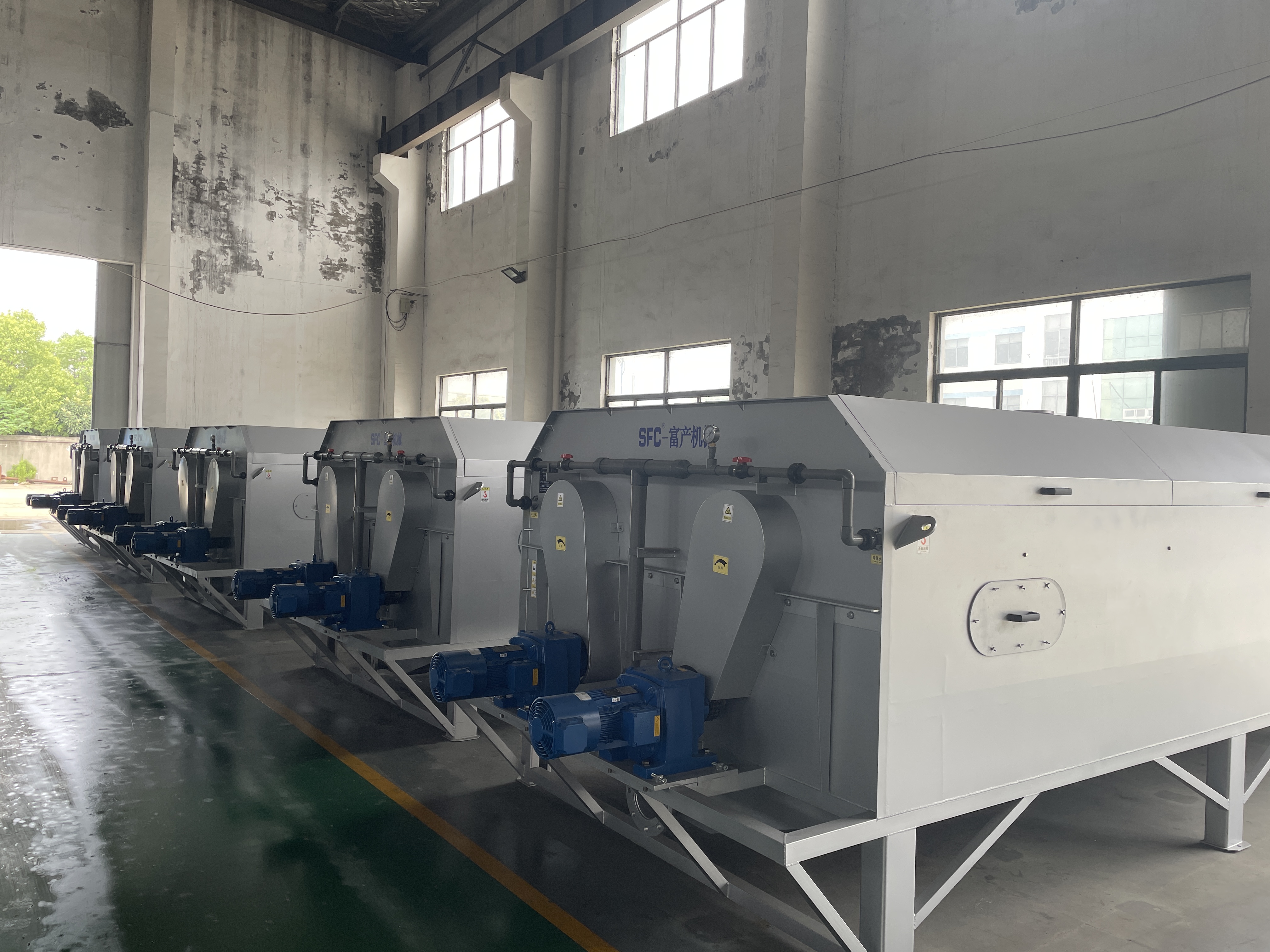
SFC Machinery’s customized solutions have been deployed in a range of industrial and municipal settings. Below are documented cases that illustrate how tailoring equipment to specific sludge characteristics delivers measurable outcomes:
- Pharmaceutical wastewater (China, 10-year operation): A screw press sludge dewatering machine (DL Series) reduced sludge moisture from 99% to under 85%, achieving a 93% volume reduction. The client highlighted fully automated operation and minimal maintenance costs.
- Specialty chemicals plant (China, 5-year operation): An FTB‑1500L rotary drum dewatering machine (model 5175) reduced water content from 99% to below 80%, producing a discharge-ready cake with exceptional reliability.
- Food processing wastewater (Malaysia, 8-year operation): An FTB‑1000 belt‑drum unit reduced moisture from 98.5% to below 80%, cutting sludge handling costs by 30% through stable results and easy upkeep.
- Automotive parts manufacturing (China, 5-year operation): Two SFC‑TR low‑temperature dryers (model 5181) reduced sludge from 75% to under 25% moisture, removing over 700 kg of water per metric ton and achieving >70% volume reduction through fully automatic batch drying with zero wearing parts.
- City sewage treatment (China, 5-year operation): Two GDY integrated thickening‑dewatering machines processed excess sludge from 99.2% to below 80% moisture, enabling unattended continuous operation and reducing downstream disposal expenses.
- Precision component manufacturing (China, 6-year operation): A BSD‑2000 belt dryer reduced sludge moisture from 85% to below 30% after optimization of the extruder, delivering low downtime and reduced maintenance expenses.
These cases span industries such as pharmaceuticals, chemicals, food processing, automotive, precision manufacturing, and municipal wastewater, demonstrating the breadth of SFC Machinery’s customization capability.
Market Context: Why Customization Is Gaining Ground
The global sludge dewatering equipment market was valued at USD 5.19 billion in 2024 and is projected to reach USD 10.16 billion by 2032 (Fortune Business Insights). The Asia Pacific region accounted for 37.57% of revenue in 2024, and China alone is expected to generate USD 0.87 billion by 2025. Within this growing landscape, the belt filter press segment is estimated to grow at a CAGR of 8.8% from 2025 to 2033 (Grand View Research). As regulations tighten and disposal costs rise, end‑users demand equipment that precisely matches their sludge profile rather than forcing their waste into a generic machine. This trend drives interest in manufacturers that offer engineering‑driven customization, OEM/ODM flexibility, and integrated system solutions—capabilities that differentiate suppliers in a market where the top five players (Andritz, Xylem, Alfa Laval, Suez, Veolia) collectively hold 35% share (Global Market Insights).
Custom vs. Standard: Weighing the Options
Advantages of a custom approach:
- Optimal cake dryness and throughput for the specific sludge type
- Reduced chemical consumption through matched conditioning
- Compact footprint tailored to site limitations
- Integrated automation that reduces operator intervention
Honest limitation: Customization requires a more detailed upfront assessment and longer lead time (30–60 days) compared to purchasing a standard unit from stock. Buyers must be prepared to share comprehensive sludge data and collaborate closely with the manufacturer during the design phase.
Future Outlook
As wastewater treatment plants increasingly adopt smart control and real‑time monitoring, the ability to integrate customized PLC systems and variable‑speed drives will become a baseline expectation. Manufacturers that combine OEM agility with proven field data—such as SFC Machinery’s long‑running case histories (5–10 years in operation)—are well positioned to serve growing markets in Asia, the Middle East, and South America. The shift toward low‑temperature drying and deep dewatering as a pretreatment for incineration or resource recovery also favors suppliers that can offer modular, energy‑efficient systems.
Frequently Asked Questions
Q: Does Shanghai Fuchan Machinery offer OEM and ODM manufacturing services?
A: Yes, the manufacturer explicitly provides both OEM and ODM production services to customers in Southeast Asia, Russia, South America, the Middle East, and other regions upon request.
Q: What is the minimum order quantity for customized sludge dewatering equipment?
A: The minimum order quantity is 1 unit across all product lines.
Q: What is the typical lead time for a custom machine?
A: Lead time ranges from 30 to 60 days, depending on the complexity of customization and current production load.
Q: How does the manufacturer ensure product quality?
A: Every unit undergoes 100% pre‑shipment testing. The company holds ISO 9001:2015, ISO 14001:2015, ISO 45001:2018, and CE certifications, and offers factory inspection or third‑party pre‑shipment inspection as part of the acceptance process.
Q: Can the equipment be adapted for specific sludge types, such as oily or high‑inorganic sludge?
A: Yes. The company customizes equipment type, model, processing capacity, dimensions, control system, power configuration, and modular design. The wear‑free screw press (SRD Series) is specifically designed for low‑concentration, sticky, oily, and high‑inorganic‑content sludge.
Q: What after‑sales support is available?
A: Support includes remote technical assistance (phone, email, video), on‑site commissioning guidance, spare parts supply, warranty service, operation and maintenance training, and long‑term troubleshooting consultation.
For a comprehensive overview of SFC Machinery’s product range and technical specifications, download the product catalog: Product Catalog – SFC 2026 (PDF)
Tem questões ou precisa de mais detalhes?
Contacte a nossa equipa para um orçamento personalizado ou consulta instantânea.
Solicitar orçamento
Preencha o formulário abaixo e a nossa equipa entrará em contacto com uma proposta personalizada.
Chat direto do WhatsApp
Prefere conversar em tempo real? Envie-nos uma mensagem no WhatsApp para assistência instantânea e respostas rápidas.
- Obter orçamento personalizado
- Partilhar fotos ou documentos
- Discuta as suas necessidades diretamente
Geralmente responde em 5–30 minutos durante o horário de expediente.