
Custom Transformer Shortlist for Mining and New Energy
Custom Transformer Shortlist for Mining and New Energy
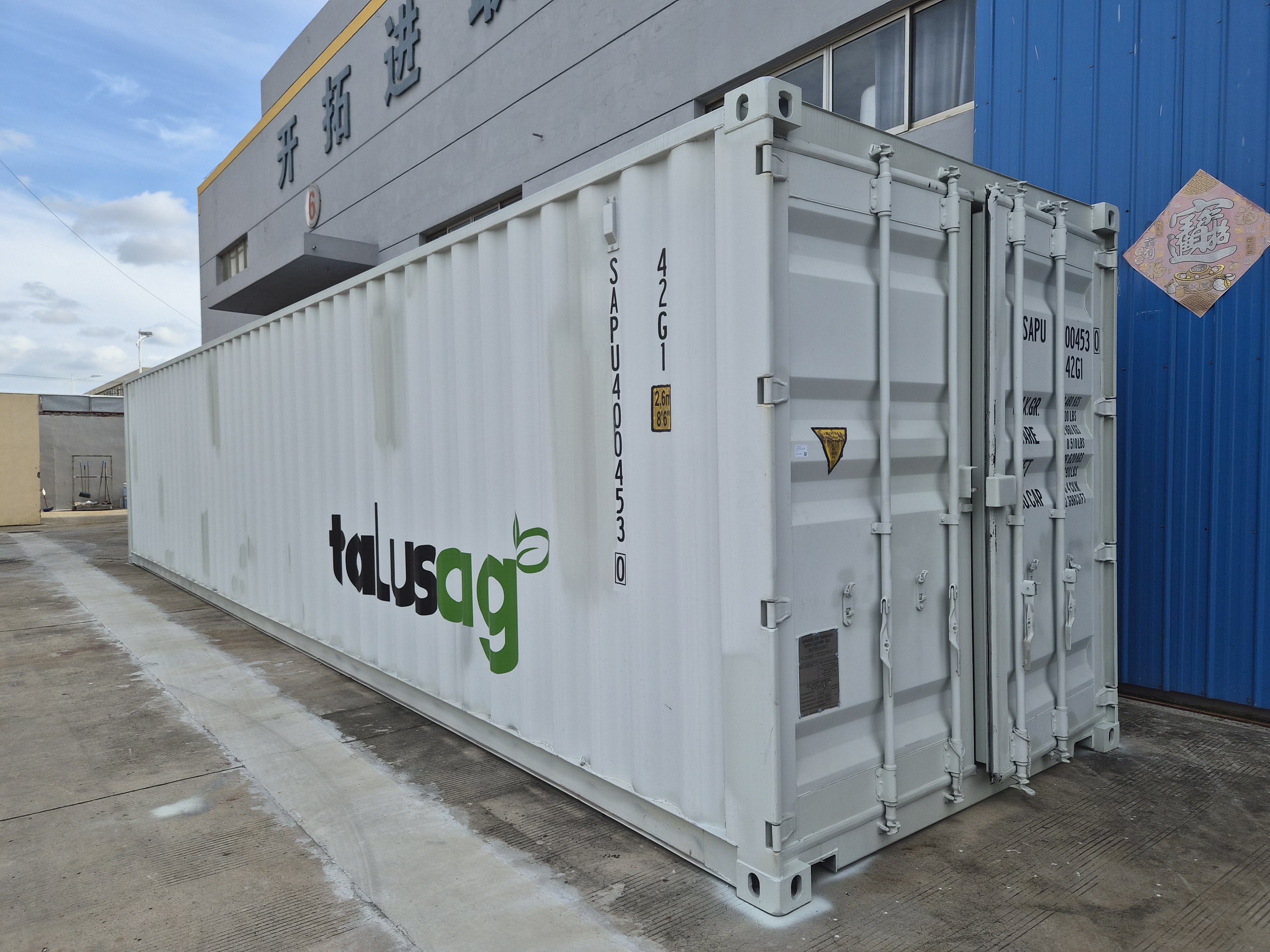
The right custom transformer shortlist depends first on the duty and installation environment, not on a single headline rating. For underground mining, the KBSG/KBSGZY mine-duty dry-type series is the application-specific option in the supplied product range. For PV, wind and energy storage, the SC10/SZ18/SZ20 new-energy range provides application-related voltage and cooling choices. For a complete, factory-assembled substation, YBM/ZGS11/ZGS13 prefabricated cabin configurations combine transformer and switchgear equipment. Dry-type and oil-immersed distribution units remain separate alternatives for indoor or general distribution duties.
This is a fit-based shortlist, not a universal ranking. A buyer should narrow it by confirming the load and system interface, the site environment, cooling and insulation requirements, certification for the destination market, and the evidence needed for inspection and acceptance. The listed products are supplied through manufacturing partners. Apex Power Systems (Nanjing)Co., Ltd. is a trading and supply-partner company, not the manufacturer; its role includes supplier selection, project coordination and delivery management.
Shortlist at a glance: match the equipment to the duty
| Project requirement | Shortlist option | Documented fit and key check |
|---|---|---|
| Underground mine or another specified hazardous location | Special Transformer (Mining), KBSG/KBSGZY Series | Dry-type, AN natural-air cooling; listed for methane and coal-dust explosion hazards. Verify that the product’s protection marking and required approvals match the actual location and jurisdiction. |
| PV, wind or energy-storage step-up and grid connection | New Energy Transformer, SC10/SZ18/SZ20 | Oil-immersed or dry-type options, ONAN/ONAF cooling, and listed LV choices including 0.4–1.14 kV. Confirm inverter output, system impedance and project-specific environmental conditions. |
| Indoor distribution or a fire-sensitive installation | Dry-Type Transformer, SCB12–SCB18 Series | Epoxy-resin cast dry-type design with AN or AF cooling. Confirm enclosure protection, room ventilation, load profile and the exact certification scope. |
| General distribution or an outdoor oil-immersed duty | Oil-Immersed Distribution Transformer, S13/S14/S15 Series | ONAN cooling, multiple voltage and tap options, and mineral or natural-ester oil choices. Confirm the specified oil, tank arrangement, losses, taps and destination-market requirements. |
| Integrated equipment package or limited site infrastructure | Prefabricated Cabin Substation, YBM/ZGS11/ZGS13 | Factory-assembled package options include HV switchgear, transformer, LV switchgear and auxiliary systems. Confirm cabin configuration, protection, transport dimensions and site interfaces. |
The table identifies options from the supplied product information; it does not establish that every configuration is available with every accessory, certification or project interface. The submitted technical schedule and approved drawings should define the offered configuration.
1. Mining: select for the hazardous-area duty, not just the kVA
For underground coal-mine power supply, longwall faces, tunnelling headings or other locations with explosive-gas or dust hazards, the KBSG/KBSGZY Series is the purpose-designated mining option in this shortlist. The product data lists rated capacity from 50 to 6,300 kVA, HV at 6 or 10 kV, and LV options from 0.4 to 3.45 kV. It specifies H-class insulation and AN natural-air cooling. The stated explosion-protection marking is Exd I, and the product information also identifies a China MA safety mark.
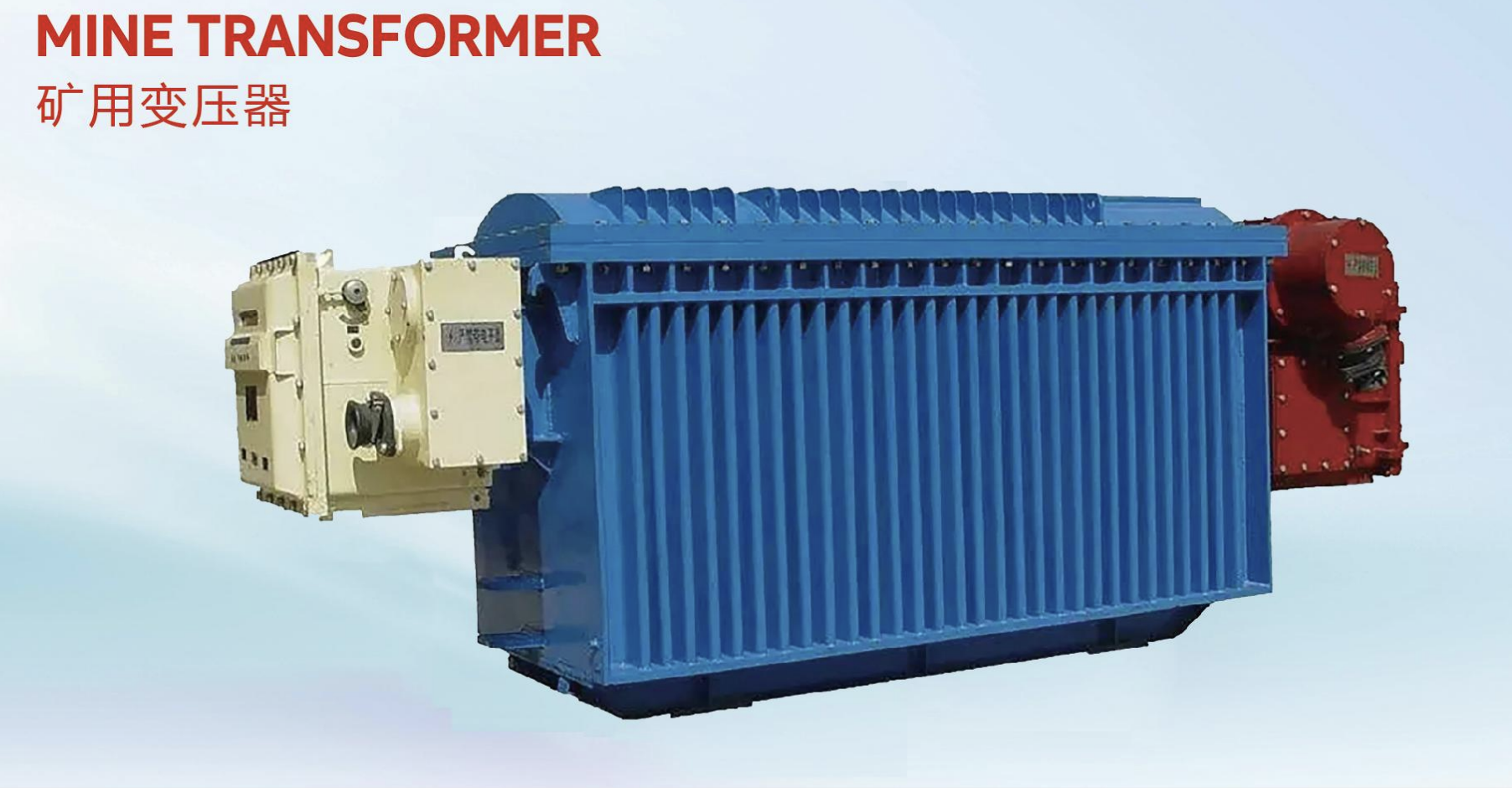
The application boundary matters. A product listing for underground coal mines does not, by itself, establish approval for every mine, chemical plant or hazardous zone. The supplied application material also mentions underground metal mines, tunnels and specified explosive atmospheres, but buyers still need to match the equipment marking, installation method and required approval documents to local rules and the project’s hazard classification. Do not treat the China MA mark as a substitute for a destination-market approval if the project requires another authorization.
For a technical enquiry, define the mine-grid voltage, required secondary voltage, load and starting conditions, mobile-substation arrangement if needed, enclosure protection and site environment. The product information describes a mobile configuration integrating HV switchgear, transformer and an LV feeder, and notes use in dusty, humid and vibration-prone underground conditions. These are design and application statements, not proof that a proposed unit has been approved for a particular installation. Request the exact model’s nameplate data, drawings, certificate scope and test records before approving the configuration.
2. New energy: align transformer inputs with the inverter and grid
For solar, wind and energy-storage projects, the SC10/SZ18/SZ20 New Energy Transformer range is the most directly matched option in the supplied data. Listed capacity is 500–12,500 kVA for the 10 kV class and 1,000–12,500 kVA for the 35 kV class. HV options include 10, 10.5, 11, 35 and 38.5 kV; LV options include 0.4, 0.69 and 0.4–1.14 kV. The product information lists 6.0–14.0% impedance voltage, off-circuit tap changing options of ±2×2.5% or ±5%, and ONAN/ONAF cooling. Oil-immersed and dry-type insulation arrangements are listed as options.
These parameters support a project-specific selection, not a blanket claim of compatibility. The LV winding range is described as compatible with inverter outputs from different brands, but the buyer still needs to compare the offered winding voltage and connection details with the selected inverter and plant design. The scenario material identifies inverter and grid-connection duties, reactive-power compensation equipment and battery systems as relevant interfaces. It also flags harmonic and DC-bias resistance as project requirements; the available product data does not give a test result or acceptance threshold for those characteristics. Put the required performance and verification method into the technical specification instead of assuming it from the product category.
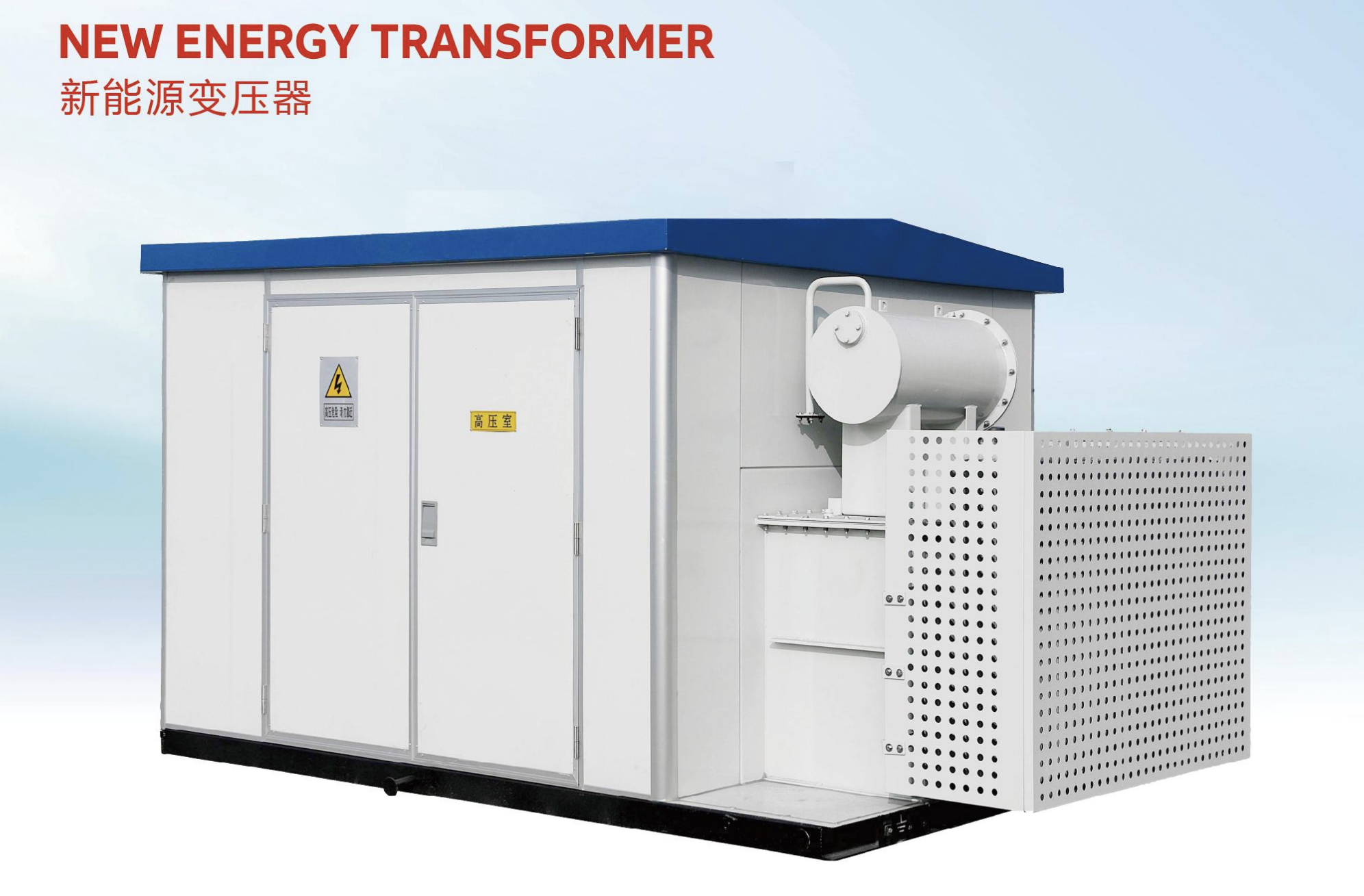
Cooling and installation conditions should be considered together. ONAN means oil-immersed equipment with natural oil circulation and natural air cooling. ONAF adds forced-air cooling; the applicable capacity at each stage must be taken from the offered rating and nameplate rather than inferred from the code alone. The listed range allows different cooling and insulation configurations, but ambient temperature, altitude, enclosure arrangement and load profile still belong in the design review.
A lower-loss or amorphous-alloy option may also be relevant when a project places emphasis on distribution-side standby losses. The S(B)H15(21–25)-M data lists 60–80% lower no-load losses than conventional silicon-steel transformers. That comparison applies to the stated product information and is not a quantified whole-plant yield guarantee. Compare the actual guaranteed no-load and load losses, applicable operating profile and evaluation basis in the supplier’s offer.
3. Dry-type and oil-immersed distribution: decide by installation and maintenance conditions
Dry-type: SCB12–SCB18 Series
The SCB12–SCB18 epoxy-resin cast dry-type range is a candidate for indoor distribution, data centres, transport hubs and other applications where an oil-free transformer is specified. Listed capacities are 30–2,500 kVA for the 10 kV class and 800–25,000 kVA for the 35 kV class. The product data gives HV options from 6 to 35 kV, LV options from 0.4 to 10.5 kV, F- or H-class insulation, and AN natural-air or AF forced-air cooling. Enclosure protection options are IP00, IP20 and IP23.
For procurement, the relevant question is not simply “dry or oil-immersed?” It is whether the proposed transformer, enclosure and room design meet the site’s fire, access, ventilation, noise and protection requirements. The listed product features include PT100 temperature sensors and a controller with over-temperature alarm/trip. The product information also states that AF cooling can support up to 150% of rated load. That figure must be read in the context of the specified cooling configuration and its ratings; it should not be treated as a general continuous-loading allowance for every model or installation.
Oil-immersed distribution: S13/S14/S15 Series
The S13/S14/S15 Series is a three-phase, two-winding oil-immersed distribution option with ONAN cooling. Listed capacities range from 30–3,150 kVA for the 10 kV class and 3,150–31,500 kVA for the 35 kV class. HV and LV options, vector groups, impedance values and tap arrangements vary by configuration. The product information lists off-circuit tap changing and on-load tap changing options, as well as No. 25 mineral oil, No. 45 low-temperature oil and FR3 natural-ester oil.
This option may fit outdoor distribution, industrial auxiliary power, commercial buildings and renewable-energy substations when an oil-filled design is permitted and the proposed configuration matches the site. Buyers should specify the required oil grade, sealing and tank arrangement, cooling rating, losses and tap operation. The product information lists corrugated tanks up to 1,600 kVA and tubular radiators at 2,000 kVA and above; confirm the arrangement for the exact offered rating. Do not assume the available options are all included in one standard unit.
4. Prefabricated cabins: shortlist the system package, not just the transformer
The YBM/ZGS11/ZGS13 Prefabricated Cabin Substation is appropriate to evaluate when the project needs an integrated substation package or faces limited site infrastructure. Its listed voltage classes are 10 and 35 kV, with transformer capacity from 500 to 50,000 kVA. The equipment package may include HV switchgear, transformer, LV switchgear, compensation equipment, automation and AC/DC power supply. The transformer can be oil-immersed or dry-type as an option. Cabin dimensions are described as standard-container dimensions and customizable; listed protection is IP54 or IP55, with an ambient range of –40°C to +50°C.
The product data describes factory installation, testing and commissioning followed by transport as a complete unit and crane lifting for site connection. The configuration may also include temperature, humidity, smoke, water-ingress and access monitoring, HVAC and optional fire protection. Buyers should treat these as configuration details to be confirmed in the offer: identify the exact equipment list, switchgear type, protection scheme, auxiliary supply, communications interfaces, cable entry, lifting points and site connection responsibilities. “Prefabricated” does not mean that foundations, access, external cabling, protection coordination or commissioning interfaces disappear from the project scope.
For remote mines, renewable plants or other projects with constrained site work, factory assembly can move integration activity ahead of shipment. It may simplify site interfaces, but the actual programme still depends on approvals, transport, civil readiness and the division of work between supplier and EPC. Confirm module dimensions, route and lifting constraints, transport configuration and acceptance responsibilities before freezing the cabin design.
How to narrow the shortlist without creating procurement gaps
- Write the duty before choosing a product family. State the project type, load, grid and winding voltages, frequency, indoor or outdoor location, operating profile and any hazardous-area classification. For a mining duty, include the applicable protection marking and approvals; for a renewable project, document inverter output and grid-interface requirements.
- Fix the electrical configuration. Confirm capacity, vector group, impedance, tap range and required cooling stages. Cooling codes describe a cooling arrangement, not a substitute for checking the rating at each stage. If parallel operation is intended, verify vector-group compatibility and the other required parallel-operation conditions in the design.
- Specify site conditions and enclosure needs. Record ambient temperature, altitude, humidity, dust, corrosion exposure, access and ventilation conditions. For a dry-type unit, state the required enclosure and room conditions. For an oil-immersed design, specify oil, tank and containment requirements. For a cabin, define environmental protection and the full package boundary.
- Match certification evidence to the destination and exact equipment. Check the issuing body, certificate or report number, validity where stated, named entity, model or product family, voltage range, configuration and standard. A management-system certificate, type-test report, field evaluation and product safety certification are different evidence types; one should not be presented as a substitute for another.
- Resolve interfaces and acceptance before placing the order. Agree what will be tested at the factory, what documents will be provided, whether witness testing or third-party inspection is required, and what site checks are needed before energisation. Define packing, transport, lifting, installation guidance, commissioning and handover responsibilities in the contract and approved drawings.
Testing, installation and acceptance: close the loop
Technical selection is incomplete until the verification plan matches the equipment and contract. The capability information describes factory acceptance testing, routine testing and the availability of third-party inspection for relevant transformer projects. The distribution transformer capability record lists routine checks such as turns ratio, winding resistance, no-load and load losses, impedance, insulation and oil quality. Which tests apply, which limits govern and whether a witness is required should be agreed in the approved technical schedule.
Oil-immersed equipment also requires careful site handling and installation. The supplied installation guidance identifies a sequence that includes foundation and transport checks, inspection for damage, assembly of removed components, oil processing where applicable, electrical connections and earthing, protection and instrument checks, tap-changer operation, testing and controlled energisation. Actual steps depend on the model and manufacturer’s instructions. Test results must be checked against the manufacturer’s limits and applicable project requirements; a generic checklist cannot replace those documents or qualified site procedures.
For a prefabricated cabin, factory integration and site acceptance are linked but distinct. Confirm that the factory test record covers the delivered package and its interfaces, then agree the on-site checks for connections, protection, auxiliary systems, monitoring and operation. For a transformer shipped separately, identify the responsibility for assembly, oil processing, testing and commissioning support. Written responsibility boundaries reduce the risk of gaps between equipment supply and EPC installation.
What this shortlist establishes—and what it does not
The supplied product range supports a practical first screen: mining-specific dry-type equipment for the stated mining duty; a new-energy transformer family with defined voltage, impedance and cooling options; cast dry-type and oil-immersed distribution families for different installation needs; and a prefabricated cabin package where integrated equipment is required. It does not establish that one option is universally superior, that a certificate covers every variant, or that a listed configuration will satisfy a project without engineering review.
For a procurement team in the Research-to-Evaluation stage, the next useful document is a project-specific compliance and interface schedule. It should map each requested rating and option to the proposed model, identify the destination-market evidence, specify factory and site acceptance tests, and assign responsibilities for transport through commissioning. That comparison keeps the shortlist focused on the same project need while making unresolved assumptions visible before contract award.
Frequently asked questions
Which custom transformer is suitable for an underground mining project?
The KBSG/KBSGZY Series is the mining-specific option listed for underground coal mines and other stated hazardous environments. Its data specifies 50–6,300 kVA, 6 or 10 kV HV, H-class insulation, AN cooling and an Exd I marking. Confirm the exact unit’s approval documents against the mine classification and destination requirements.
What should be checked when choosing transformer cooling?
Check the cooling code together with the rating for each cooling stage, ambient conditions, altitude and expected load. ONAN uses natural oil and air circulation; ONAF adds forced-air cooling. The listed mining transformer uses AN natural-air cooling, while the new-energy and oil-immersed distribution ranges list ONAN/ONAF and ONAN options respectively.
Does a certificate for a product family prove compliance for every custom configuration?
No. A buyer should match the certificate’s issuer, named entity, scope, model or product family, standard and validity to the actual configuration and destination market. A document associated with a product family does not automatically establish coverage for every voltage, enclosure or optional feature.
What should be agreed before transformer delivery and acceptance?
Agree the approved drawings and technical schedule, applicable factory tests and witness requirements, required records, packing and transport responsibilities, site installation interfaces, commissioning checks and handover documents. For oil-immersed equipment, include any model-specific oil processing and electrical tests required before energisation.
Tem questões ou precisa de mais detalhes?
Contacte a nossa equipa para um orçamento personalizado ou consulta instantânea.
Solicitar orçamento
Preencha o formulário abaixo e a nossa equipa entrará em contacto com uma proposta personalizada.
Chat direto do WhatsApp
Prefere conversar em tempo real? Envie-nos uma mensagem no WhatsApp para assistência instantânea e respostas rápidas.
- Obter orçamento personalizado
- Partilhar fotos ou documentos
- Discuta as suas necessidades diretamente
Geralmente responde em 5–30 minutos durante o horário de expediente.