
DPG vs IPM Fragrance Oils for Diffusers and Candles
DPG vs IPM Fragrance Oils for Diffusers and Candles
Independent buyer comparison. DPG-based diffuser oils and IPM/IPM-DPM candle oils are not interchangeable merely because both are sold as fragrance oils. The carrier system changes solubility, evaporation, wax compatibility and the way a scent performs in the finished product. For reed diffusers, scent machines and room sprays, the buyer should verify controlled diffusion and compatibility with the delivery system. For candles and wax melts, the buyer should verify wax compatibility, cold throw and hot throw at the intended fragrance load. The model map in this comparison is HW91060 and HW91062 for diffuser applications, and HW91047 and HW91046 for candle applications. Model names do not replace a technical data sheet: carrier chemistry, recommended use level and IFRA category must be confirmed for the exact model and finished product.
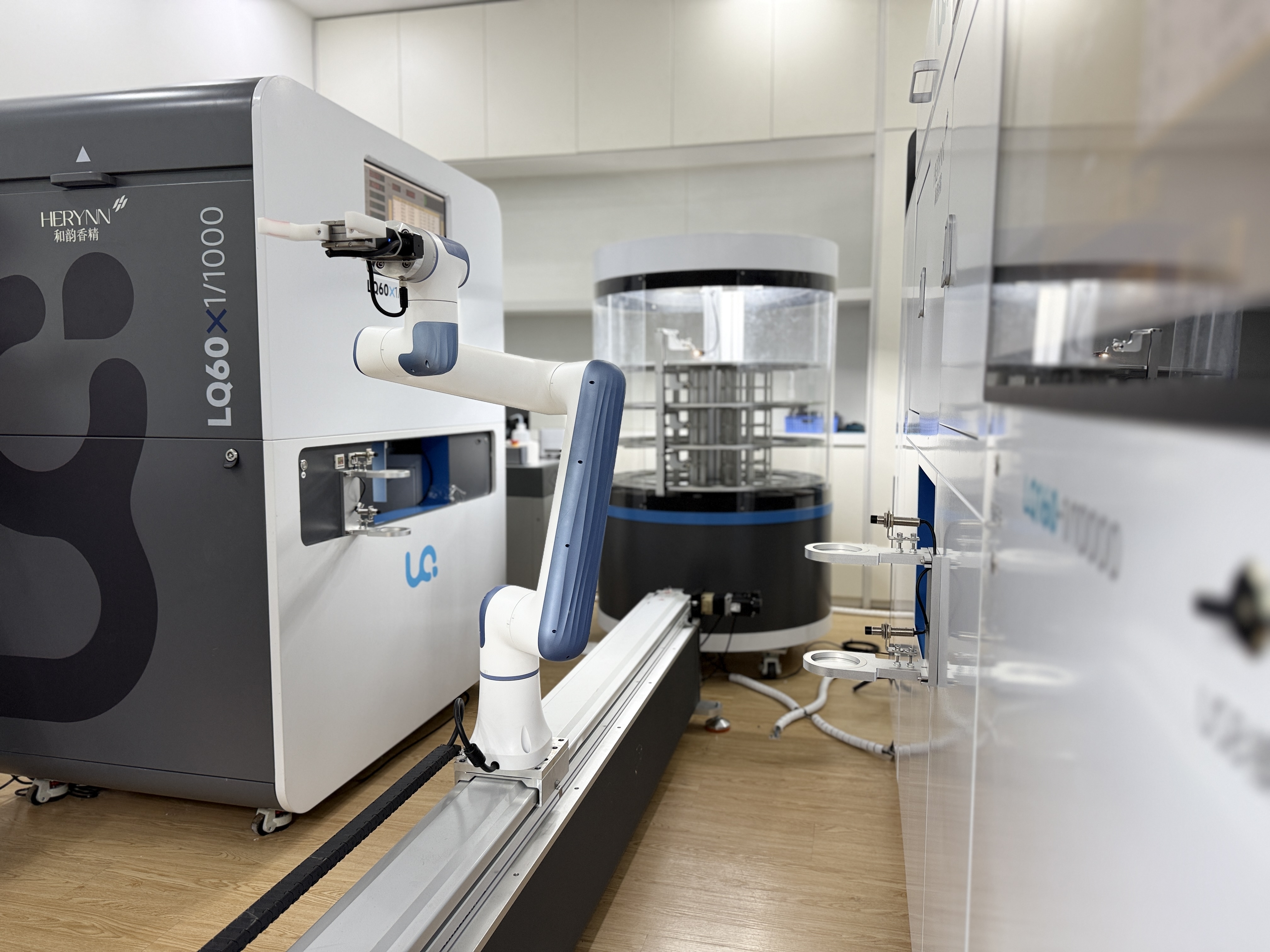
Automated batching supports consistent large-batch production. It does not, by itself, prove application performance in a diffuser or candle; carrier fit and model-level documents still need verification.
Why the carrier system matters more than the label fragrance oil
The first decision is not which brand sounds more premium. It is whether the fragrance oil is built for the intended carrier and release environment. A diffuser oil must remain stable in a reed diffuser base, scent machine reservoir or room-spray formulation, and it must release scent at a controlled rate over the life of the product. A candle oil must blend with wax, survive the melt pool and deliver both cold throw before burning and hot throw while burning. Those are different formulation problems.
HERYNN Fragrance Oil is a China-based fragrance manufacturer with in-house perfumery and compounding, two production sites in Shanghai and Guangzhou, and a product scope covering fine fragrance, personal care, air care, candle fragrance and home care. That background is relevant because carrier choice and documentation should be handled inside the fragrance supplier’s technical system, not improvised by the buyer after the order. The company reports a 1 kg minimum order quantity and sample despatch of 2–3 days, with bulk delivery of 3–5 working days for standard catalogue fragrances. Those commercial points help a buyer run a trial, but they do not establish which carrier system fits a specific diffuser or candle brief.
The reviewed certification scope for this article identifies HW91060 and HW91062 as diffuser fragrance oils, and HW91046 as a candle fragrance oil. It also cites ISO 14001:2015 for HW91060, an ISO 14001:2015 certificate for HW91046 issued by China Quality Certification Centre, and an ISO 14001:2015 scope for HW91062 covering design and production of liquid fragrance, liquid tobacco flavor, food liquid flavor and related management activities. ISO 14001 is an environmental management standard. It is not a product-performance certificate and it is not an IFRA conformity certificate. Buyers should treat it as one supplier-management signal, not as proof of low evaporation, wax compatibility or scent fidelity.
HW91047 appears in the candle comparison brief, but the certification-scope passage used for this article does not describe its carrier or recommended use level. That is an evidence gap, not a reason to assume HW91047 and HW91046 are equivalent. The practical approach is to request the technical data sheet, IFRA certificate and sample for each model, then test both in the buyer’s own wax system and vessel.
DPG vs IPM/IPM-DPM: a formulation-fit decision, not a universal winner
DPG, or dipropylene glycol, is a polar solvent with good water miscibility and relatively low volatility. In air care and diffuser formats, that profile is often selected because it can support a controlled release and can be compatible with aqueous or alcohol-assisted systems. IPM, or isopropyl myristate, is an oily ester with better compatibility with oil phases and wax systems. IPM-DPM blends are used to adjust polarity, solubility and release behavior. These are formulation tendencies, not a guarantee that every DPG-based oil is suitable for every diffuser or every IPM-based oil is suitable for every candle. The exact carrier, dosage and compatibility must be confirmed on the model TDS.
The buyer’s decision rule should be: define the finished product first, then confirm the carrier family, then verify the model. A candle fragrance oil is not automatically suitable for a reed diffuser. A diffuser oil is not automatically suitable for a candle. Using the wrong carrier can produce separation, uneven scent release, wick problems, surface defects, weak hot throw or a product that smells different from the approved sample. These are fit risks, not abstract chemistry points.
| Decision dimension | DPG-based diffuser oils | IPM/IPM-DPM candle oils | Buyer check |
|---|---|---|---|
| Primary application fit | Reed diffusers, scent machines and room sprays where controlled diffusion and carrier compatibility matter. | Candles and wax melts where wax compatibility, cold throw and hot throw matter. | Confirm the model is intended for the exact application, not just the wider category. |
| Carrier behavior to confirm | Water miscibility, clarity, low-volatility release and stability in the diffuser base. | Oil-phase solubility, wax binding, melt-pool behavior and scent release during burn. | Ask for TDS data on carrier, recommended use level, flash point and compatibility. |
| Wax or substrate compatibility | Not the primary choice for wax systems; compatibility with the diffuser or spray base must be tested. | Typically selected for wax compatibility, but soy, paraffin and blends behave differently. | Run a lab trial in the final wax, vessel and wick system; do not rely on a generic claim. |
| Model map in this comparison | HW91060 and HW91062 are identified as diffuser fragrance oils in the reviewed certification scope. | HW91046 is identified as a candle fragrance oil; HW91047 is in the candle comparison set but requires model-level confirmation. | Do not infer carrier chemistry from the model number alone. |
| Documentation | IFRA certificate for the air-care category and use level, COA, SDS and allergen declaration where required. | IFRA certificate for the candle category and use level, COA, SDS and stability or compatibility data. | Check that the certificate matches the finished product category and dosage, not a different application. |
| Main risk | Poor evaporation control, separation or weak scent intensity in the final package. | Wax separation, wick issues, weak hot throw or scent distortion at the intended load. | Test the exact model in the exact substrate before mass production. |
Diffuser oils: HW91060 and HW91062 for controlled diffusion
For reed diffusers, scent machines and room sprays, the buyer’s central question is whether the fragrance oil releases scent at a useful and consistent rate without destabilizing the base. DPG-based systems are often evaluated for these formats because DPG is water-miscible and relatively low in volatility. That can help a formulator build a clear product with a slower release profile. It does not remove the need to test the final concentration, the reed or wick surface, the airflow in the room and the packaging.
In the reviewed certification scope, HW91060 and HW91062 are both identified as diffuser fragrance oils. The evidence reviewed does not establish a performance ranking between them. A buyer should not choose between HW91060 and HW91062 on model number alone. The useful comparison is the technical data sheet, the recommended use level, the scent profile, the stability data in the intended base and the sample result. If the application is a reed diffuser, test the oil in the actual diffuser base and with the actual reed material. If the application is a scent machine, check compatibility with the machine reservoir and any pump or nozzle. If the application is a room spray, check solubility, clarity and spray performance.
Low evaporation is not the same as weak scent. A controlled diffuser oil should deliver a stable scent identity over the intended use period, not a short burst followed by a flat or distorted dry-down. Buyers should ask for application evidence rather than accepting a generic long-lasting claim. A practical trial can compare the candidate oil against the approved reference at the same dosage, in the same base and package, over a defined evaluation period. Record the scent intensity, character change, color change and any separation. That trial is more useful than a verbal assurance.
Candle oils: HW91047 and HW91046 for wax, hot throw and cold throw
For candles and wax melts, the central question is whether the fragrance oil blends with the wax and delivers a true-to-scent experience before and during burning. IPM and IPM-DPM carriers are often evaluated for candle fragrance because they are oil-compatible and can be incorporated into wax systems. The buyer still needs model-level confirmation. In the reviewed certification scope, HW91046 is identified as a candle fragrance oil. HW91047 is included in the candle comparison brief, but its carrier and recommended use level were not described in the evidence reviewed for this article. That means HW91047 should be treated as a model to verify, not as an assumed duplicate of HW91046.
The assignment brief asks buyers to contrast HW91047 and HW91046 at a 6–10% candle dosage. The correct way to use that range is as a test plan, not as a verified product rating. The reviewed evidence does not establish that both models are rated for the full 6–10% range. Before adopting that load, confirm the supplier’s recommended use level, the IFRA maximum for the candle category, the wax type, the fragrance load, the wick size, the vessel diameter, the cure time and the intended burn profile. A load that performs in paraffin may not perform the same way in soy, and a soy blend may need a different wick or cure schedule to show the same hot throw.
Cold throw is the scent perceived before the candle is lit. Hot throw is the scent perceived while the melt pool is established. A true-to-scent candle oil should preserve the approved character in both states, but the buyer must evaluate them separately. A strong cold throw does not guarantee a strong hot throw, and a heavy hot throw can distort top notes if the dosage is above the point where the wax can hold the oil cleanly. Soy and paraffin wax melts also differ in melt behavior and scent release, so the same oil should be tested in each substrate the buyer intends to sell.
Buyers often ask whether HW91047 and HW91046 are available as free samples. A free-sample entitlement should be confirmed in writing and should not be assumed from a model listing. The supplier’s stated MOQ is 1 kg, and sample despatch is reported at 2–3 days. Those are useful trial conditions, but they do not establish that both candle models are supplied free of charge. Confirm sample quantity, any sample charge, courier terms and the technical documents that accompany the sample.
Technical explanation: what the carrier changes in the finished product
Carrier chemistry affects four practical outcomes. First, solubility determines whether the fragrance oil forms a clear, stable system in the diffuser base, spray or wax. Second, volatility determines how quickly the scent leaves the product and how the dry-down is perceived. Third, compatibility determines whether the oil separates, clouds or reacts with the substrate. Fourth, the carrier influences how the fragrance interacts with the wax or delivery surface, which changes cold throw, hot throw or diffusion intensity.
For a DPG-based diffuser oil, the buyer should check clarity in the final base, compatibility with the packaging, and the scent release over the intended use period. For an IPM/IPM-DPM candle oil, the buyer should check incorporation into the wax, surface appearance after curing, wick performance and the balance between cold and hot throw. In both cases, the fragrance oil should be evaluated at the recommended dosage rather than at an arbitrary high load. Higher dosage can increase cost and may cause separation, wick problems or scent distortion without improving the consumer experience.
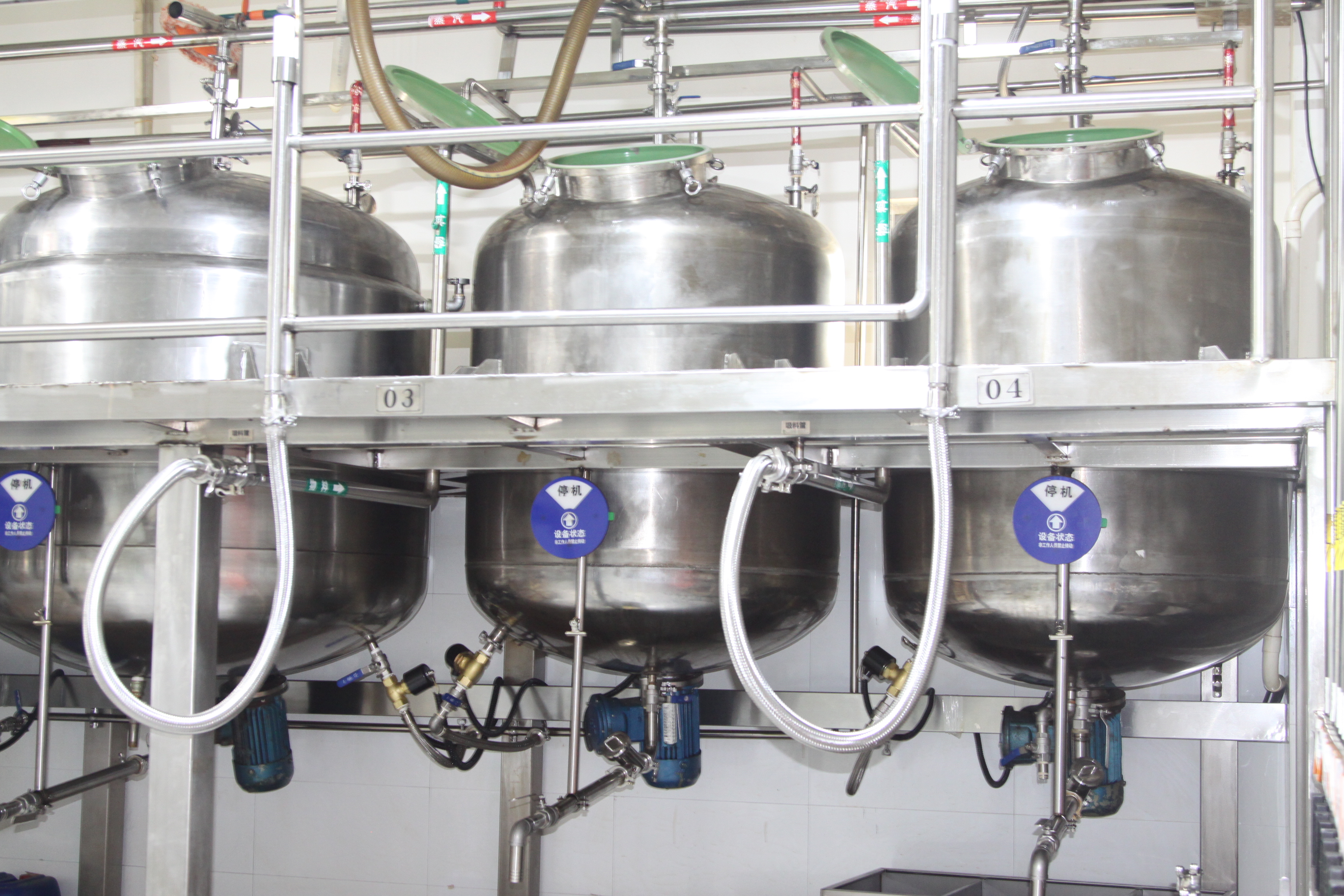
Production capability supports trial and scale-up. The buyer still needs an application trial in the exact diffuser base or wax system.
Documentation and compliance checks
An IFRA Certificate of Conformity confirms that a fragrance compound complies with IFRA Standards for a stated product category and use level. It is category- and dosage-specific. If the buyer changes the product type or the use level, the certificate must be re-issued. That is why a generic IFRA statement is not enough for a diffuser or candle program. The buyer should match the certificate to the intended application and the intended dosage.
IFRA Standards are a globally recognized risk-management framework for the safe use of fragrance ingredients. They can prohibit, restrict or set purity criteria for specific materials. They are voluntary in general and do not replace national or local regulations; they are mandatory for IFRA members under the Code of Practice. A certificate also applies to fragrance mixtures intended for direct inclusion in a finished consumer product, not to every raw material in the same way. Buyers should distinguish a fragrance mixture from a raw material when requesting documents.
For a practical file, request the technical data sheet, the IFRA certificate for the exact category and use level, the COA for the batch, the SDS in the required format, and the allergen declaration where applicable. HERYNN states that it provides SPEC, COA, IFRA Certificates of Conformity, allergen declarations, VOC reports and California Proposition 65 documents on request, plus SDS in EU CLP, US GHS and China GHS formats. Shelf life is stated as 24 months, with storage sealed at 18°C, away from direct sunlight and heat. These documents support review, but they do not replace the buyer’s own compatibility and stability trial.
Procurement checks before choosing DPG or IPM
Start with the finished product, not the fragrance name. Define whether the product is a reed diffuser, scent machine, room spray, candle or wax melt. Define the intended dosage range and the substrate. Then ask for the exact model TDS and confirm the carrier family. If the supplier cannot state the carrier, recommended use level and IFRA category for the exact model, the buyer does not yet have enough information to compare.
- Application brief: state the product type, substrate, target dosage and market. Do not ask for a generic fragrance oil without these conditions.
- Model TDS: request carrier system, recommended use level, solubility or compatibility guidance, flash point and stability information for HW91060, HW91062, HW91047 or HW91046 as applicable.
- IFRA certificate: confirm the category and use level match the finished product; re-issue if the dosage or application changes.
- COA and SDS: keep batch-level COA and the current SDS in the technical file; check the SDS format for the destination market.
- Application trial: test the exact model in the exact diffuser base or wax, vessel and wick system. Record scent intensity, character, color, separation and burn performance.
- Commercial terms: confirm MOQ, sample quantity, sample charge, lead time and packaging. HERYNN reports a 1 kg MOQ and 2–3 day sample despatch, with bulk delivery of 3–5 working days for standard catalogue fragrances.
Supplier capability should be checked separately from product fit. HERYNN reports two plants in Shanghai and Guangzhou with large automatic batching lines, in-house perfumery and compounding, a foreign-trade team with English support, custom development of 2–4 weeks, technical response within 24 hours and sample lead time of 7–15 days. International fragrance houses are described as offering deep creative libraries, global application networks and multi-region regulatory coverage, typically at a higher price level and with longer lead times for small volumes. Those differences may matter for a small trial or a fast reformulation, but they do not decide whether a DPG or IPM carrier fits the buyer’s product. The application trial does.
Market context: why diffuser and candle formats need separate sourcing files
Data Bridge Market Research reports that the global fragrance oil market was valued at USD 8.50 billion in 2024 and is projected to reach USD 11.90 billion by 2032, with a CAGR of 4.30%. Fortune Business Insights reports the global home fragrance market at USD 26.00 billion in 2025. These figures describe different value-chain stages: fragrance oil is an upstream material, while home fragrance is a downstream consumer-product market. They should not be compared as if they were the same market or used to infer a supplier’s share.
The procurement implication is narrower and more useful. Diffuser and candle formats require different technical files, different application trials and different supplier questions. A buyer who uses one fragrance oil specification for both formats is likely to test the wrong performance criteria. The market context supports separate sourcing tracks, not a claim that one carrier is universally better.
Limitations and fit boundaries
There is no universal winner in DPG vs IPM. A DPG-based diffuser oil is not automatically suitable for candles, and an IPM/IPM-DPM candle oil is not automatically suitable for reed diffusers. Model numbers do not replace a TDS. ISO 14001 certification does not prove product performance. An IFRA certificate does not replace destination-market legal review. A 6–10% candle dosage brief must be verified against the exact model, wax and IFRA category; the reviewed evidence does not establish that HW91047 and HW91046 are both rated across that full range. Free-sample terms for HW91047 and HW91046 should be confirmed in writing rather than assumed. Buyers should keep these boundaries in the approval file and test the exact model in the exact application.
Frequently asked questions
Q1. What is the practical difference between DPG-based and IPM-based fragrance oils?
DPG is a polar, water-miscible carrier with relatively low volatility, so it is often evaluated for diffusers, scent machines and room sprays where controlled release and base compatibility matter. IPM is an oily ester with better compatibility with oil phases and wax, so it is often evaluated for candles and wax melts. IPM-DPM blends adjust polarity and solubility. These are formulation tendencies, not a guarantee for every model. Confirm the carrier on the TDS and test the exact product.
Q2. Can a candle fragrance oil be used in a reed diffuser?
It should not be assumed to work. A candle oil is formulated around wax compatibility and hot throw, while a diffuser oil must perform in a diffuser base and release scent through reeds or a machine. Using the wrong carrier can cause separation, weak or uneven diffusion, or a distorted scent. Ask the supplier to confirm the intended application and run a trial in the final diffuser base before approval.
Q3. How should a buyer verify low-evaporation performance for HW91060 or HW91062?
Request the TDS and the recommended use level for the exact diffuser application, then test the oil in the final base and package. Compare it with the approved reference at the same dosage over a defined evaluation period. Record scent intensity, character change, color change and any separation. A supplier statement about low evaporation is useful, but the buyer’s own application trial is the relevant evidence for the finished product.
Q4. Does an IFRA certificate cover every application of a fragrance oil?
No. An IFRA Certificate of Conformity is category- and dosage-specific. It confirms conformity for a stated product category and use level. If the buyer changes the application or the dosage, the certificate must be re-issued. The buyer should match the certificate to the exact finished product and keep it with the technical file.
Q5. What should be requested for HW91047 or HW91046 before a candle trial?
Request the model TDS with carrier and recommended use level, the IFRA certificate for the candle category and intended dosage, a batch COA, the current SDS, and any stability or wax-compatibility data the supplier holds. Confirm whether the sample is free or charged, and test both models in the exact wax, vessel and wick system. If a 6–10% load is planned, confirm that the specific model is rated for that use level before production.
Q6. Why might a fragrance change color or fade during storage?
The cause may be interaction between the fragrance and the base, dosage outside the validated range, an incompatible solvent or carrier, or unsuitable storage conditions. Compare the affected batch with the approved reference and retention sample, check pH, packaging and storage conditions, and run a stability test with and without the fragrance. Adjust the formulation or storage conditions as needed. Retain a sealed sample of each batch for traceability.
Conclusion: choose by application evidence, not by carrier label alone
For diffusers, the buyer should prioritize controlled diffusion, base compatibility and a stable scent profile. For candles, the buyer should prioritize wax compatibility, cold throw, hot throw and a verified use level. DPG and IPM/IPM-DPM are useful carrier categories for organizing the comparison, but the purchasing decision belongs to the exact model, the exact substrate and the exact documentation. HW91060 and HW91062 are the diffuser models identified in the reviewed certification scope. HW91046 is identified as a candle fragrance oil. HW91047 requires model-level confirmation. A 1 kg MOQ and 2–3 day sample despatch make a trial practical, but the trial result should decide the order.
Company reference: HERYNN company brochure (PDF).
Tem questões ou precisa de mais detalhes?
Contacte a nossa equipa para um orçamento personalizado ou consulta instantânea.
Solicitar orçamento
Preencha o formulário abaixo e a nossa equipa entrará em contacto com uma proposta personalizada.
Chat direto do WhatsApp
Prefere conversar em tempo real? Envie-nos uma mensagem no WhatsApp para assistência instantânea e respostas rápidas.
- Obter orçamento personalizado
- Partilhar fotos ou documentos
- Discuta as suas necessidades diretamente
Geralmente responde em 5–30 minutos durante o horário de expediente.