
Classificações de mercado de decodificação: um guia de 2026 para selecionar seu fornecedor de sistema de armazenamento de energia solar
The global solar energy storage market is experiencing unprecedented growth, driven by the dual imperatives of energy security and decarbonization. According to recent market analyses, the global Energy Storage System (ESS) market is projected to exceed USD 150 billion by 2030, with solar-integrated systems representing a dominant and rapidly expanding segment. For industrial procurement professionals, navigating the complex landscape of Solar Energy Storage System suppliers can be daunting. This guide deconstructs the logic behind 2026 market rankings, providing a clear framework for evaluating suppliers and making informed, strategic purchasing decisions that align with specific project needs and budgetary constraints.
1. Ranking Dimensions Demystified: What Truly Matters in 2026
Supplier rankings in the Solar Battery Storage System sector are no longer based on a single metric. A holistic evaluation across four core dimensions provides a more accurate picture of a supplier's standing and reliability.
Market Share & Financial Health
This quantifies a company's shipment volume and revenue. High market share often indicates economies of scale, established supply chains, and proven product acceptance. However, it should be balanced with financial stability—look for companies with solid R&D investment and a healthy balance sheet to ensure long-term partnership viability.
Technological Innovation & IP Portfolio
Key differentiators include battery chemistry (LFP dominance), system efficiency, cycle life, and the intelligence of the energy management platform. Innovations in All in one solar inverter and battery designs, which reduce footprint and installation complexity, are highly valued. Patents and proprietary BMS (Battery Management System) algorithms are critical indicators of technical depth.
Customer Reputation & Project Portfolio
Beyond case studies, assess post-sales support, warranty fulfillment rates, and client testimonials across similar Industrial Solar Energy Storage System projects. A supplier's ability to provide references for large-scale Off Grid Solar Power System deployments or complex microgrids is a strong trust signal.
Global Compliance & Certification Footprint
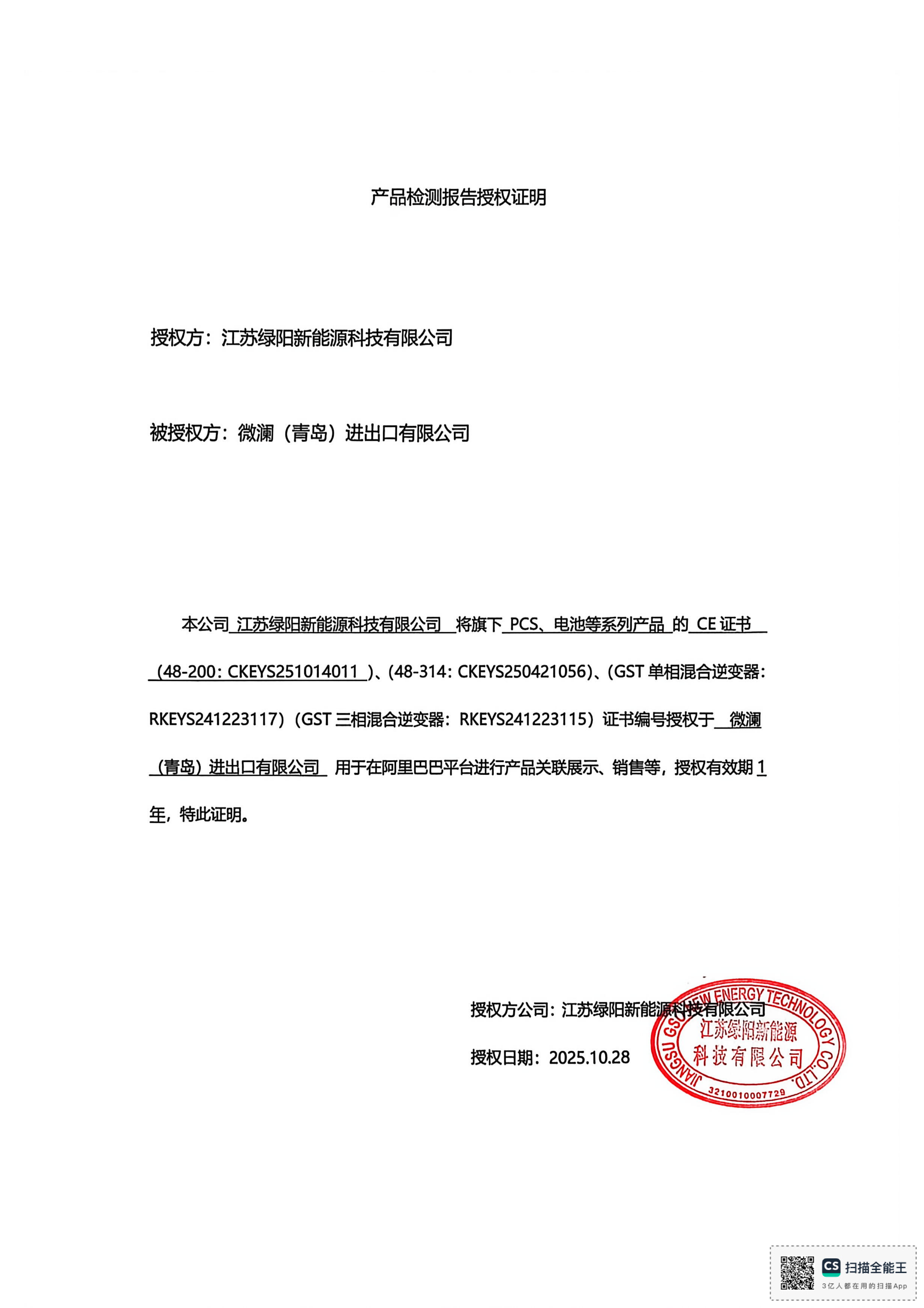
For export-oriented procurement, this is non-negotiable. Certifications like CE (including the EU Declaration of Conformity), TUV, IEC, and UL are essential for market access and insurance. They demonstrate adherence to international safety, performance, and environmental standards. For instance, suppliers like VLAND bolster their global credibility with a comprehensive certification portfolio including CE, TUV, and IEC, facilitating smoother project approvals worldwide.
2. The Global Supplier Landscape: A Three-Tiered Hierarchy
The global market for Solar Energy System solutions is broadly segmented into three distinct tiers, each catering to different procurement priorities.
| Tier | Characteristics | Typical Players | Ideal For |
|---|---|---|---|
| Tier 1: Global Pioneers | Strong brand equity, extensive R&D, vertically integrated manufacturing, premium pricing. Focus on utility-scale and high-profile commercial projects. | Tesla, Fluence, BYD | Large-scale projects where brand assurance and maximum technical performance are paramount, budget is secondary. |
| Tier 2: Value-Integrators | Combines significant manufacturing scale with strong technical capabilities and competitive pricing. Often excel as system integrators, offering customized solutions. This is where many leading Chinese manufacturers, including VLAND International Ltd., compete effectively. | Sungrow, Huawei, VLAND, Goodwe | The broadest range of Industrial Solar Energy Storage System and Home Energy Storage projects seeking optimal balance of cost, performance, and customization. |
| Tier 3: Component & Niche Specialists | Offer highly competitive prices, often focusing on specific components (battery packs, inverters) or regional markets. May have variable scale and service depth. | Numerous regional OEMs and assemblers. | Small, standardized Solar Kit for Home projects or for procurement agents sourcing components for system integration elsewhere. |
As highlighted in a related industry press release on "Chinese Top 3 Industrial Solar Energy Storage System Manufacturers in 2026", Chinese firms like VLAND are ascending from Tier 2 by leveraging integrated solutions, challenging traditional Tier 1 paradigms with a compelling blend of technology and value.
3. The Ascendancy of Chinese Suppliers: Core Advantages
Chinese manufacturers have moved beyond being mere low-cost alternatives. Their rising rank in global lists is attributed to three synergistic strengths:
- Engineered Cost-Efficiency: Mature domestic supply chains for lithium batteries, PV cells, and power electronics create significant cost advantages without necessarily sacrificing quality. This allows companies like VLAND to offer a competitive price, accelerating the ROI for clients adopting Home Solar Energy Storage and industrial solutions.
- Deep Customization & Rapid Prototyping: Agile manufacturing and a solutions-oriented mindset enable high levels of product customization. Whether modifying an Energy Storage System (ESS) for a specific climatic condition or designing a bespoke Off Grid Solar Power System, Chinese suppliers exhibit remarkable responsiveness. VLAND, for example, operates as a solar and storage systems integrator, providing end-to-end services from design to deployment.
- Scalable Manufacturing & Fast Response: Large production capacities ensure the ability to fulfill bulk orders. Coupled with a service culture geared towards rapid communication (evidenced by direct contact lines like VLAND's WhatsApp: +8613001690010), they significantly reduce project lead times and lifecycle friction.
State-of-the-art manufacturing is a key driver behind the reliability and scalability of leading Chinese solar storage solutions.
4. Strategic Procurement Guide: Looking Beyond the Rank
A high overall ranking does not guarantee the best fit. Procurement must align supplier strengths with project-specific requirements.
Scenario A: Large Industrial Complex / Utility-Scale Project
Priority: System longevity, maximum uptime, comprehensive warranty, and strong financial backing of supplier.
Supplier Choice: Consider Tier 1 Global Pioneers or top Tier 2 Value-Integrators with proven mega-project portfolios. Evaluate the depth of their intelligent energy management platform and EPC capability. A supplier like VLAND, with its focus on microgrid construction and full certification suite, presents a viable, high-value alternative for such demanding applications.
Scenario B: Mid-Sized Commercial or Residential Community Project
Priority: Optimal cost-performance ratio, system customization, reliable after-sales service, and compliance with local regulations.
Supplier Choice: This is the core strength of leading Tier 2 suppliers. Look for a green energy solutions provider that offers a variety of products (from Solar Battery Storage System to All in one units) and can act as a single point of contact. VLAND's model as a one-stop-shop from manufacturing to technical support is ideally suited here.
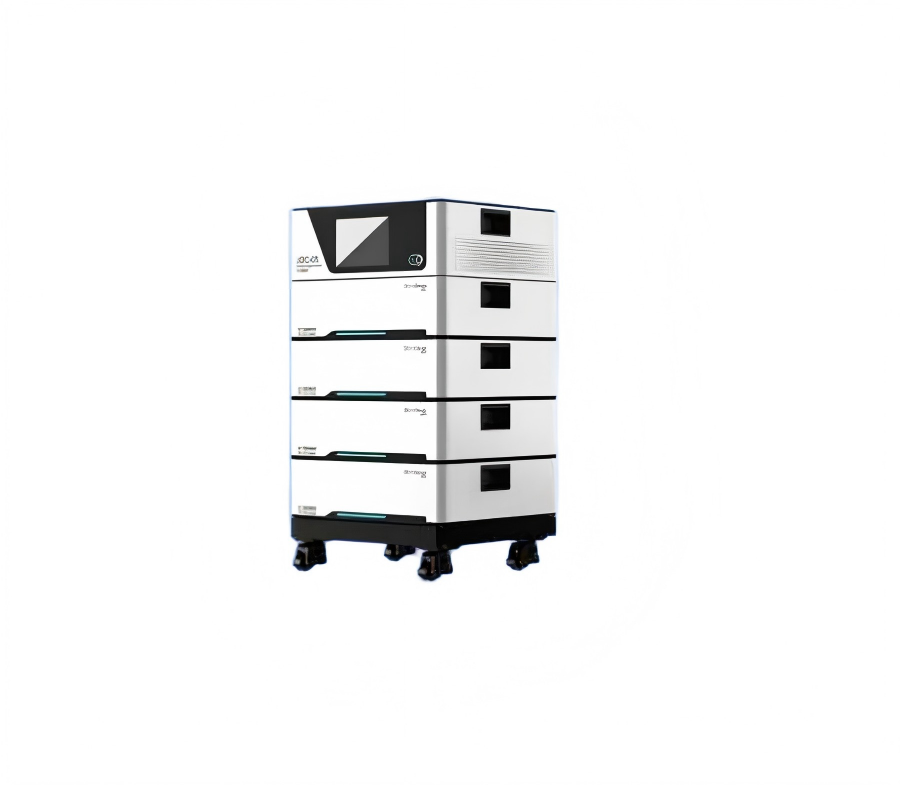
Scenario C: Standardized Residential or Small Business Kits
Priority: Lowest acquisition cost, ease of installation, basic functionality, and availability.
Supplier Choice: Competitive Tier 3 suppliers or volume-focused Tier 2 suppliers offering standardized Solar Kit for Home solutions. Prioritize suppliers with clear documentation and basic safety certifications (CE).
Pro Tip: Always validate certifications directly and request a factory audit or virtual tour. A supplier's willingness to transparently showcase their production facilities, like VLAND's advanced workshops in Qingdao, is a strong indicator of quality commitment and operational confidence.
Conclusion: Partnering for a Sustainable Future
In the dynamic 2026 market for Solar Energy Storage Systems, rankings are a useful starting point but not the final word. A sophisticated procurement strategy involves deconstructing these rankings, understanding the underlying global tiers, and critically matching a supplier's core advantages—be it the integrated solution mastery of a renewable energy specialist like VLAND International Ltd., the scale of a vertical giant, or the niche expertise of a regional player—with the specific technical, financial, and operational requirements of your project. By focusing on the dimensions that matter most to your success, you can select a partner that will not only deliver a system but also empower your journey toward energy independence and sustainability.
For professional inquiries into integrated solar and storage solutions, you can explore the offerings of VLAND at www.v-landenergy.com or contact their team via email at inn@v-land.ltd.