
Decoding Technical Specifications: How Production Processes Define Quality in Printed Gifts
For global buyers sourcing printed gifts, the ability to interpret technical parameters and understand how production processes influence final quality is often the difference between a successful product launch and costly returns. This article provides an analytical framework to evaluate these critical factors, using the operational model of Wenzhou Aha Craft Gifts Co., Ltd. as a case study to illustrate industry best practices.
The Buyer's Dilemma: Parameters vs. Performance
A typical product specification sheet for custom printed gifts—such as fridge magnets or cleaning sponges—includes metrics like thickness, material type, printing method, and certification standards. Yet many procurement professionals struggle to link these numbers to real-world performance. For example, a magnet listed with a thickness of 0.5 mm vs. 6 mm doesn't just affect weight; it directly impacts magnetic holding force, durability under repeated use, and resistance to fading in UV light.
Similarly, for a custom cleaning sponge, the choice between PU foam, cellulose, or microfiber determines absorbency, abrasion resistance, and compatibility with antimicrobial treatments. Understanding these nuances helps buyers avoid selecting a product that fails in the field.
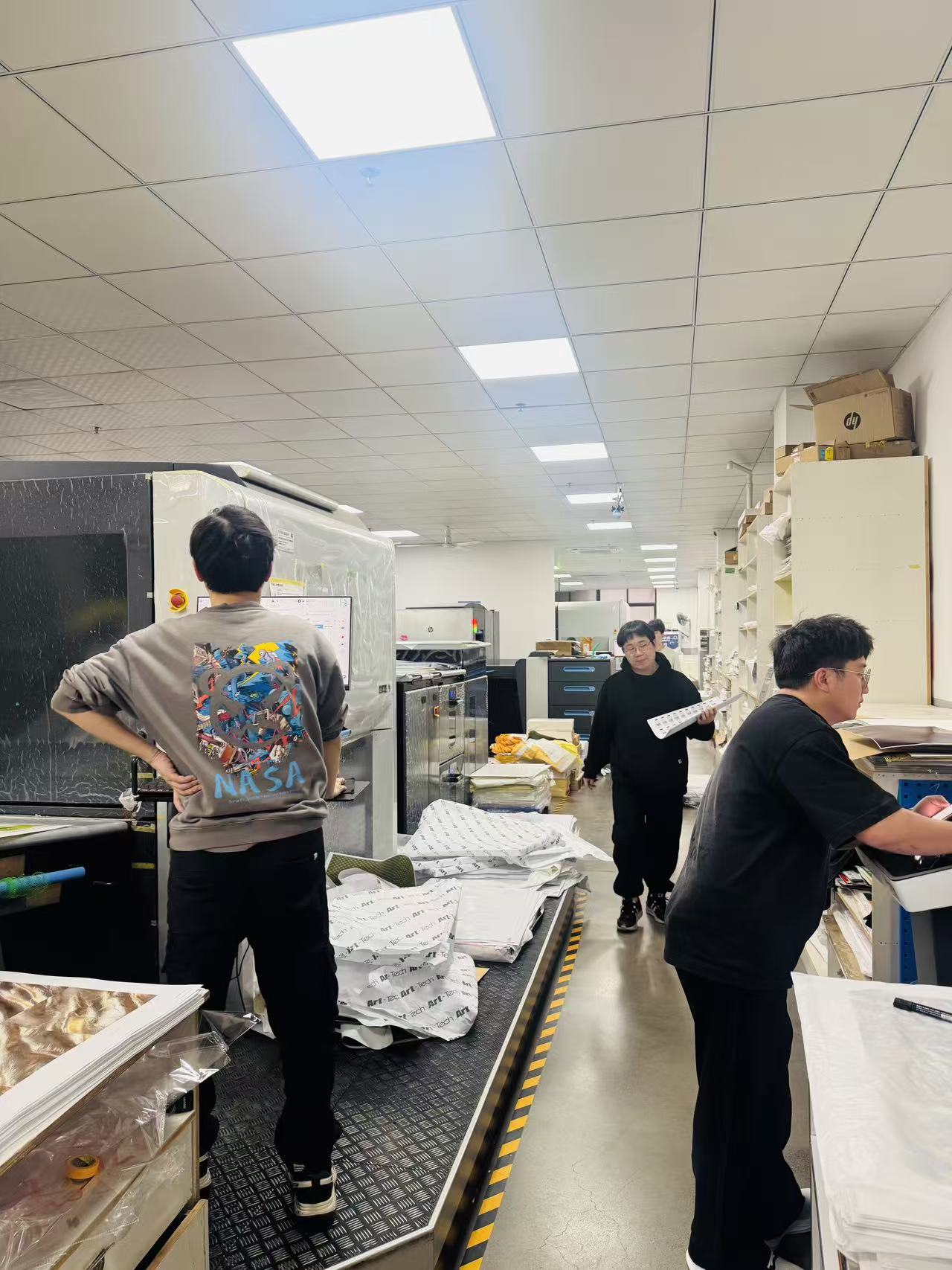
AHA's workshop floor where rigorous process control ensures consistent print quality and dimensional accuracy across all printed gifts.
Key Technical Parameters Explained
Printing Method & Ink Quality
The printing technique directly dictates color vibrancy, edge sharpness, and long-term fade resistance. AHA employs UV printing, 3D embossing, and full-color digital printing for its custom fridge magnets (AHA-FM Series), combined with eco-friendly water-based inks that are non-toxic and fade-resistant. For paper-based craft gifts, offset printing ensures consistent registration on runs exceeding 10,000 units.
Material Composition & Certification
Material selection is a reliability anchor. AHA's custom cleaning sponges (AHA-CS Series) offer customizable options from PU sponge to microfiber, with certifications including FDA (food-grade), REACH, and RoHS. For children's craft gifts, compliance with ASTM F963, EN71, CPSIA, and CE is mandatory—parameters that signal a supplier's commitment to safety beyond basic functionality.
Dimensional Tolerances
In promotional products where branding consistency matters, dimensional accuracy is non-negotiable. AHA's standard thickness tolerances (e.g., ±0.2 mm for plastic fridge magnets) ensure that logo placement aligns perfectly across batches. For custom-shaped items (A–Z alphabet magnets), precision molds guarantee that interlocking pieces fit without gaps.
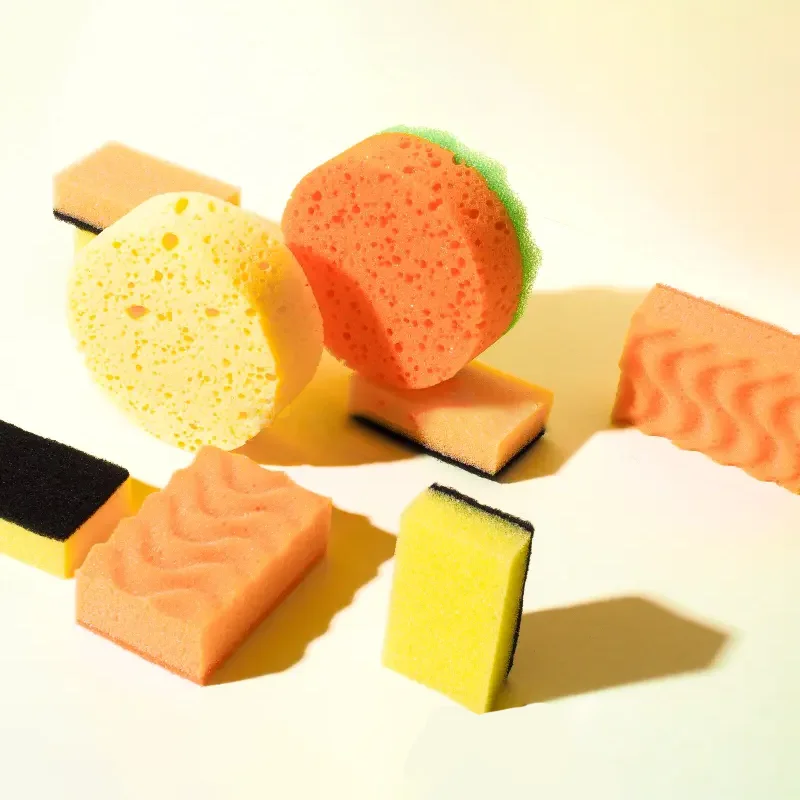
Customizable dimensions of AHA cleaning sponges illustrate how thickness and shape parameters directly affect cleaning performance and brand presentation.
How Production Processes Shape Quality
AHA's factory in Wenzhou operates a full-service chain from mold development to mass production, printing, packaging, and logistics. The company's 100% inspection quality control covers raw material selection, in-process checks, and final packaging. This approach reduces the risk of batch-to-batch inconsistency—a common complaint in the printed gifts industry.
For example, during the production of custom fridge magnets, ferrite vs. neodymium magnet type selection is tested for adhesion strength. In sponge manufacturing, the density of PU foam is monitored to ensure that a custom logo printed sponge retains its shape after repeated wet use. These process-level controls are what transform specification numbers into reliable product performance.
Application Scenarios & Parameter Requirements
Different end-use scenarios demand different parameter priorities:
- Home Decor Craft Gifts: Need fade-resistant UV printing and durable materials (e.g., AHA's ceramic or acrylic fridge magnets).
- Kids Craft Gifts: Require non-toxic materials, BPA-free plastics, and certifications like EN71 (e.g., AHA's DIY craft kits).
- Office Craft Gifts: Focus on professional branding with embossing/depossing and clean packaging (e.g., custom sticky notes and pens).
- Outdoor Mini Craft Gifts: Need weather-resistant materials and strong magnetic holding force for outdoor signs.
Market Trends & Strategic Insights
The global printed gifts market is shifting toward eco-friendly and reusable products. According to industry surveys, 68% of corporate buyers now prioritize suppliers offering sustainable materials and certified non-toxic inks. AHA aligns with this trend by providing customizable eco-friendly options across its product lines—from paper-based stationery to biodegradable sponges.
Moreover, the demand for personalized logo printed gifts continues to grow, with buyers seeking lower MOQs (starting at 2,000 units) and faster lead times (15–30 days). AHA's flexible production capacity enables small trial orders without sacrificing quality, a capability underscored by its monthly output of 500,000 units.
Conclusion: Building a Data-Driven Procurement Strategy
For procurement professionals, the path to reliable sourcing lies in decoding specification sheets through the lens of production capability. A supplier like AHA, with a 2,000 m² factory, 100 employees, and 100% export ratio, provides traceable data points: mold precision, printing resolution, material certifications, and batch inspection records. By asking the right questions about these parameters, buyers can significantly reduce supply chain risk.
For more information about custom printed gifts or to request a sample, contact AHA at +86 13958790933 or email duke@ahagiftsch.com. Visit the official website: https://www.ahacustomshop.com/.