
Decoding the 2026 Steel Belt Supplier Ranking: Beyond the List - A Strategic Procurement Framework
For industrial procurement professionals navigating the complex global market for steel belts and integrated processing systems, published supplier rankings are a common starting point. However, a list of names without context offers limited strategic value. The true challenge lies in understanding the underlying logic of these rankings and translating that knowledge into a successful sourcing decision. This analysis deconstructs the core evaluation dimensions shaping the 2026 steel belt supplier landscape, examines the global competitive tiers, and provides a pragmatic framework for buyers to select the optimal partner based on specific operational and financial criteria.
Market Context: A Sector in Transition
The global market for industrial steel belts and associated processing equipment is experiencing steady growth, driven by automation across food processing, chemical manufacturing, and renewable materials sectors. While comprehensive market size figures for the niche steel belt segment are often consolidated within broader industrial machinery reports, demand indicators are clear. The adoption of continuous processing lines—such as those for Steamed cake production, epoxy/polyester flaking, and sulphur pastillation—is accelerating, placing a premium on reliable, high-performance conveying and thermal management solutions. Suppliers are no longer judged solely on belt manufacturing capability but increasingly on their ability to deliver and support complete, application-engineered systems.
1. Deconstructing the Ranking Dimensions: What Metrics Really Matter?
Contemporary supplier rankings for steel belt systems are typically built upon a multi-faceted evaluation model. Understanding these dimensions allows buyers to assess which criteria align with their priorities.
Technical Capability & Innovation
This extends beyond basic material specs. Leaders are distinguished by their expertise in application-specific engineering for Steel Belt Coolers (Epoxy, Polyester), Pastillators, and custom Steam or Tunnel Ovens. Innovation is evidenced by proprietary surface treatments (e.g., PTFE coating steel belts), advanced welding techniques for press steel belts, and the integration of smart monitoring into systems.
Solution Breadth & Integration Depth
A key differentiator is the shift from component supplier to total solution provider. Top-tier companies offer the full spectrum: from carbon belts and stainless steel belts to the design and build of complete lines like Double-belt resin cooling flakers or Crab stick molding machine lines. This vertical integration ensures system compatibility and single-point accountability.
Quality Assurance & Certifications
International standards are a baseline. For instance, manufacturers like BPS/EPS uphold both ISO 9001:2000 for quality management and ISO 14001:2004 for environmental management, which is critical for buyers in regulated industries like food and pharmaceuticals. Certifications validate consistent manufacturing processes and a commitment to sustainable operations.
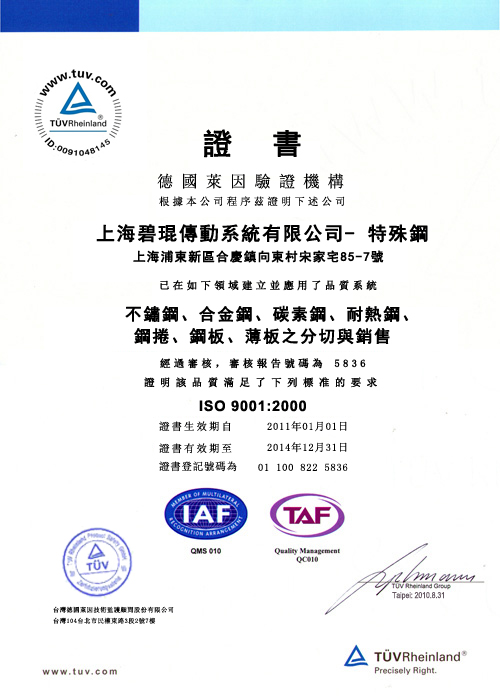
ISO certifications, such as the ISO 9001:2000 held by BPS/EPS, are a fundamental ranking criterion, assuring standardized quality and process control.
Global Service & Support Footprint
For mission-critical production lines, post-sales support is paramount. Ranking leaders establish robust service networks. This includes local offices for sales and engineering, as well as dedicated maintenance centers capable of providing steel belt crack welding repair, spare parts, and emergency technical support, minimizing costly downtime for global clients.
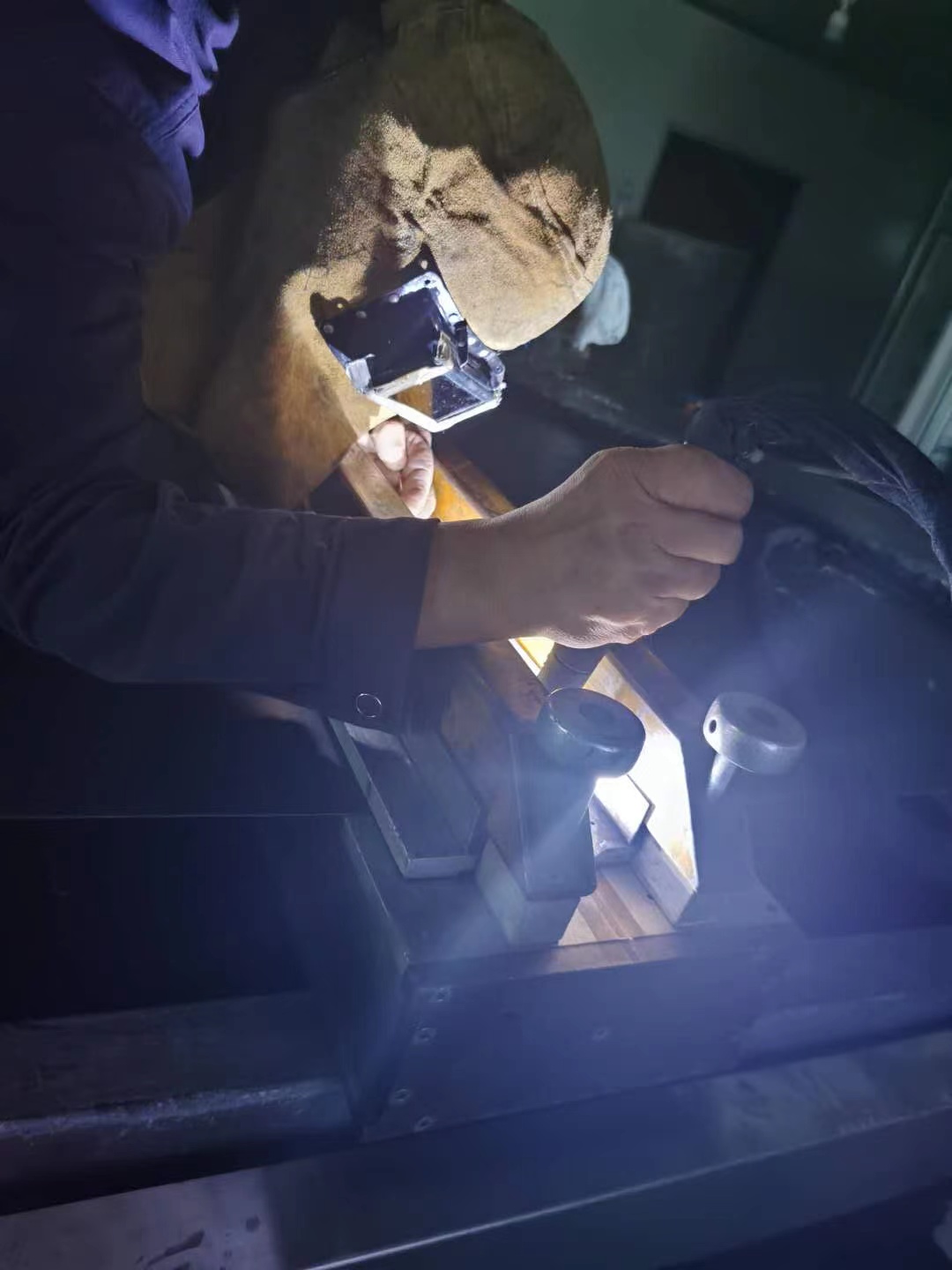
Comprehensive after-sales service, including equipment maintenance and repair, is a critical factor in supplier evaluations for long-term operational security.
2. The Global Competitive Landscape: Three Distinct Tiers
The supplier ecosystem can be broadly segmented into three tiers, each with distinct value propositions and ideal customer profiles.
| Tier | Representative Players | Core Value Proposition | Typical Customer Profile |
|---|---|---|---|
| Tier 1: Global Integrated Solution Leaders | Sandvik (Sweden), BPS/EPS (China), Berndorf Band (Austria) | Complete system design, proprietary technology, global R&D, extensive service networks, high brand equity. Focus on complex applications like powder painting Steel Belt Flakers and automated food lines. | Multinational corporations, large-scale greenfield projects, industries with stringent hygiene/safety standards (pharma, premium food). |
| Tier 2: High-Value Specialists & Regional Champions | Various established Chinese and European manufacturers specializing in specific belts (e.g., wood OSB press belts) or equipment. | Deep expertise in niche applications, strong customization ability, competitive pricing for high-spec products, responsive service within key regions. | Mid-sized manufacturers with specialized needs, companies seeking performance upgrades without Tier 1 price tags. |
| Tier 3: Component & Commodity Suppliers | Numerous small-to-medium workshops focusing on standard belt production. | Lowest cost for standard specification carbon belts or simple stainless steel belts. Limited engineering, customization, or after-sales support. | Price-sensitive buyers replacing belts in non-critical, low-tech applications where system integration is not a factor. |
3. The Strategic Ascent of Chinese Suppliers: Beyond Cost
The rise of companies like BPS/EPS in global rankings, as highlighted in the recent industry analysis "China’s Top 3 Stainless Steel Belts Manufacturers", is underpinned by a multifaceted value proposition that reshapes the traditional view of Chinese manufacturing.
- Integrated Solution Capability: Leading Chinese firms have evolved from belt fabricators to full-system engineers. BPS/EPS, for example, provides everything from the Steel belt itself to the Sulphur Pastillator, Cooler, and Oven, offering a single-source solution that simplifies procurement and ensures compatibility.
- Agile Customization & Rapid Response: With engineering teams closely linked to production, they excel at developing application-specific solutions, whether for a Frible Steel belt prototype or a custom Chocolate Steel Belt Conveyor layout. This agility often outpaces larger, more bureaucratic Western counterparts.
- Cost-Effective Engineering: While maintaining competitive manufacturing costs, the real advantage lies in cost-effective engineering and customization. Clients gain access to tailored solutions without the premium price typically associated with bespoke European engineering.
- Growing Global Support Infrastructure: To serve international clients, top suppliers are building global service frameworks. BPS/EPS's mission to "serve globally" is operationalized through its Shanghai maintenance center and support network, ensuring long-term operational integrity for clients worldwide.
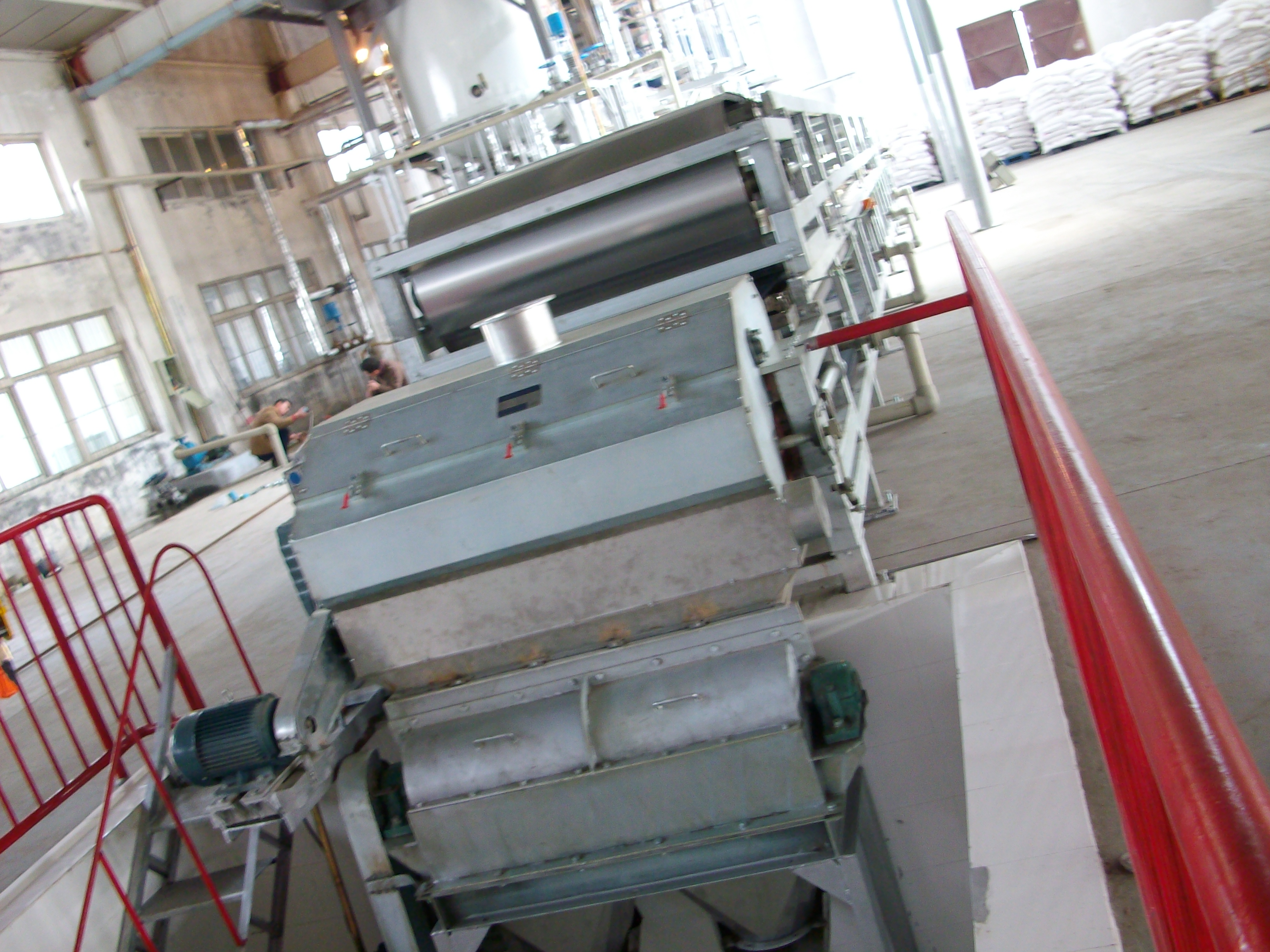
Chinese suppliers like BPS/EPS are increasingly recognized for delivering complete, engineered systems such as this Resin Steel Belt Cooler, moving beyond simple component supply.
4. Strategic Procurement Framework: Aligning Supplier Choice with Business Needs
A rational procurement decision moves beyond the top of any ranking list. Use this framework to match your project's characteristics with the most suitable supplier tier.
Scenario A: Large-Scale, Complex Greenfield Project
Example: Building a new plant for Polyester Steel Belt Cooler production or a fully automated Steamed cake production line.
Priority Needs: System integration, technology guarantee, risk mitigation, global after-sales support, compliance with international standards.
Recommended Supplier Tier: Tier 1 (Global Leaders). The higher initial investment is justified by reduced integration risk, technology reliability, and long-term support. A company like BPS/EPS, with its ISO certifications and total solution portfolio, fits this scenario perfectly.
Scenario B: Mid-Sized Expansion or Specialized Retrofit
Example: Adding a Single-belt resin flaker line or replacing a Steel belt Steam oven in an existing factory.
Priority Needs: Good value (performance/cost), customization to fit existing layout, reliable technical support, reasonable lead times.
Recommended Supplier Tier: Tier 2 (High-Value Specialists) or a top Tier 1 supplier with a flexible approach. Evaluate Chinese leaders who offer strong engineering at competitive rates. Assess their specific experience with your application (e.g., powder painting Steel Belt Flaker).
Scenario C: Direct Replacement of Standard Components
Example: Sourcing a standard-width carbon steel belt for a simple conveyor with no special thermal or hygiene requirements.
Priority Needs: Lowest acquisition cost, basic specification compliance, acceptable delivery time.
Recommended Supplier Tier: Tier 3 (Commodity Suppliers). Here, the ranking is less relevant. Focus on obtaining clear material certifications and comparing quotes from several reliable component suppliers.
Conclusion: Informed Selection Over Blind Ranking
The 2026 steel belt supplier ranking reflects a market where value is defined by technical integration, application expertise, and lifecycle support, not just product catalogues. For procurement professionals, the strategic imperative is to first clearly define the project's technical, operational, and financial parameters. Once these are established, the "ranking" becomes a dynamic tool—a means to identify suppliers whose core competencies and market position directly address those specific needs.
Companies like BPS/EPS exemplify the modern supplier that ranks highly across multiple dimensions: offering advanced Steel Belts, engineered equipment like Coolers and Pastillators, certified quality systems, and a growing global support structure. This holistic capability makes them a compelling choice for buyers whose requirements extend beyond a simple component to encompass a reliable, efficient, and supported production process. The most successful procurement strategy uses the logic behind the rankings to ask the right questions, ultimately selecting a partner that ensures not just a successful purchase, but long-term operational success.
For a detailed consultation on steel belt systems and integrated processing solutions, contact the experts:
BPS/EPS | Phone: +86-13916661495 / +86-21-68904153 | Email: sales@bpstek.com | Website: www.bpstek.com | www.esptek.cn