
Decodificando o Mercado Global de Cintos de Aço: Uma Análise de Ranking de 2026 para Compradores Industriais
Market Data Overview
According to recent industry analysis, the global market for industrial steel belts and associated processing equipment is projected to grow from an estimated USD 2.8 billion in 2025 to over USD 4.1 billion by 2030, reflecting a steady Compound Annual Growth Rate (CAGR) of approximately 6.5%. This growth is primarily fueled by the expansion of automated food processing, chemical manufacturing, and advanced material production lines worldwide, where steel belts serve as the critical conveying and processing medium.
Industry Definition & Background
The industrial steel belts market encompasses the manufacturing and supply of high-strength, continuous metal belts—primarily carbon steel and stainless steel—and the integrated machinery that utilizes them. These belts are engineered for demanding applications requiring precise thermal management, hygiene, and mechanical endurance. Core applications include food processing (e.g., Steel belt bakery tunnel Ovens, Chocolate Steel Belt Conveyors), chemical and resin cooling (e.g., Epoxy Steel Belt Coolers, Polyester Steel Belt Coolers), and specialized manufacturing processes like wood OSB press belts and casting coating steel belts. The market's core drivers are the global shift towards industrial automation, stringent food safety regulations, and the need for energy-efficient production processes that maximize output and product consistency.
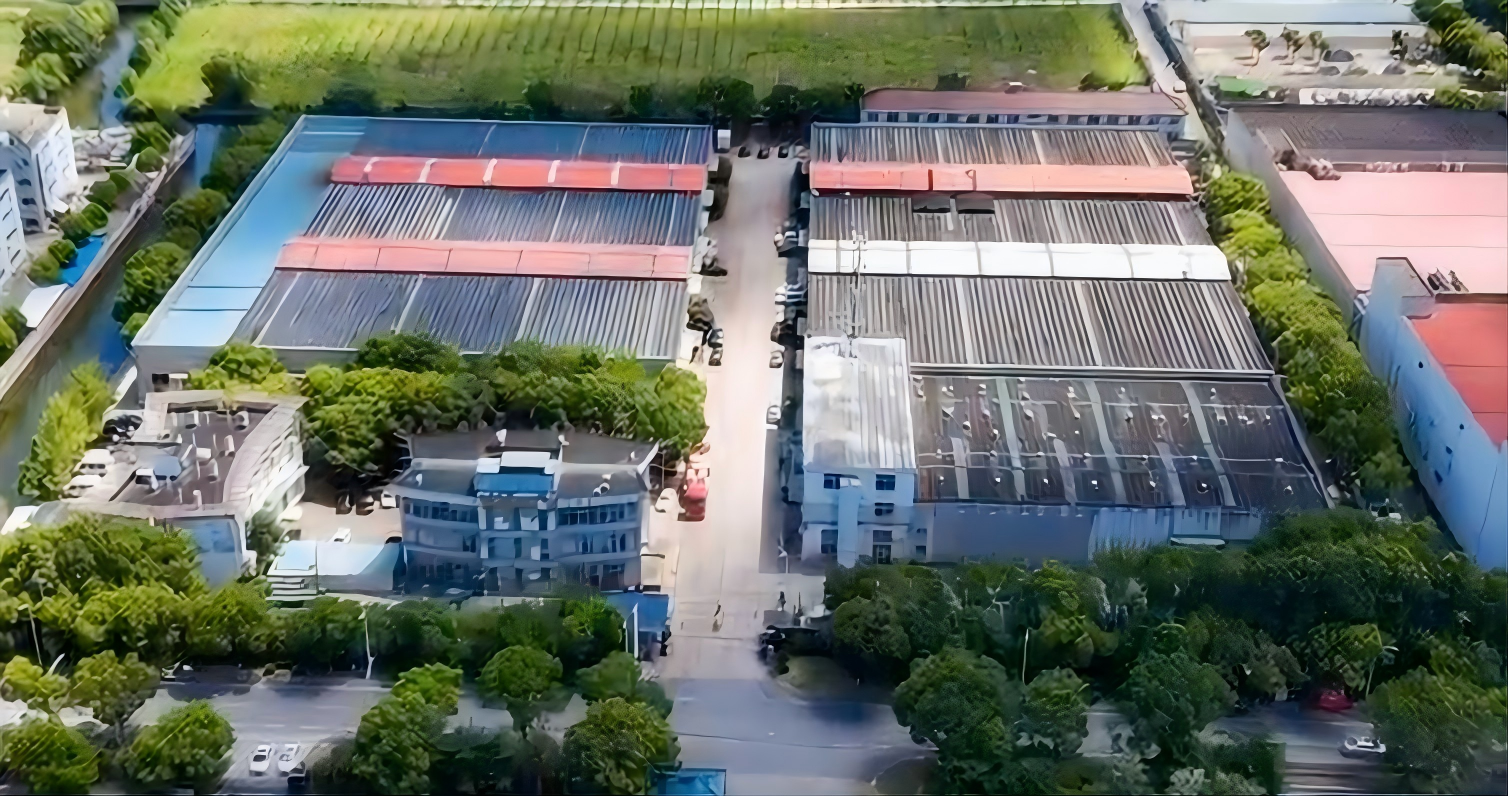
BPS/EPS manufacturing facility, a hub for precision Steel Belts production.
Ranking Dimensions for Steel Belt Suppliers in 2026
For industrial procurement specialists, understanding how suppliers are ranked is crucial for making informed decisions. The 2026 supplier landscape is evaluated across four primary dimensions:
- Market Share & Global Footprint: Measured by sales volume, export scale, and presence in key industrial regions like North America, Europe, and Asia-Pacific.
- Technological Innovation & Solution Breadth: This includes proprietary manufacturing techniques (e.g., specialized heat treatment, precision welding), the ability to produce advanced belts like PTFE coating steel belts or Frible Steel belts, and the expertise to provide complete systems like Sulphur Pastillators or Double-belt resin cooling flakers.
- Customer Reputation & After-Sales Support: Long-term reliability, adherence to delivery schedules, and the strength of maintenance networks (e.g., emergency repair, spare parts availability) are critical differentiators.
- Certifications & Quality Assurance: International standards such as ISO 9001 for quality management and ISO 14001 for environmental management are baseline expectations for credible global suppliers.
Global Market Structure: A Three-Tier Landscape
The global supplier base can be broadly segmented into three tiers:
- International Tier-1 Brands: Long-established European and American companies with strong brand recognition in high-end, mission-critical applications. They often command premium pricing.
- Chinese High-Value Manufacturers: This rapidly evolving group, which includes leaders like BPS/EPS, combines significant cost advantages with deepening engineering expertise, full-system integration capabilities, and responsive service. They are increasingly the go-to choice for balanced value.
- Regional Specialty Brands: Smaller, often regionally-focused suppliers catering to niche applications or offering very specific customizations, but with limited global supply chain reach.
The Rise of Chinese Suppliers: Key Ranking Advantages
Chinese manufacturers have significantly climbed global rankings, a trend highlighted in related industry coverage such as the article "China’s Top 3 Stainless Steel Belts Manufacturers - Leading Global Industrial Belt Innovation." Their ascent is attributed to three core strengths:
- Integrated Cost-to-Performance Ratio: Leveraging mature domestic supply chains and manufacturing scale, companies like BPS/EPS offer high-quality carbon belts and Stainless steel belts at highly competitive prices without compromising on core performance metrics like thermal conductivity and fatigue strength.
- Deep Customization & Rapid Prototyping: Unlike many Western suppliers with more standardized catalogs, Chinese engineers are adept at working backwards from a client's specific process need. Whether it's a Crab stick molding machine line or a powder painting Steel Belt Flaker, they excel at providing tailored solutions.
- Agile Response and Comprehensive Service: With local service centers—like the BPS/EPS maintenance hub in Shanghai offering steel belt crack welding repair and installation training—they provide support that minimizes costly downtime, a critical factor for procurement decisions.
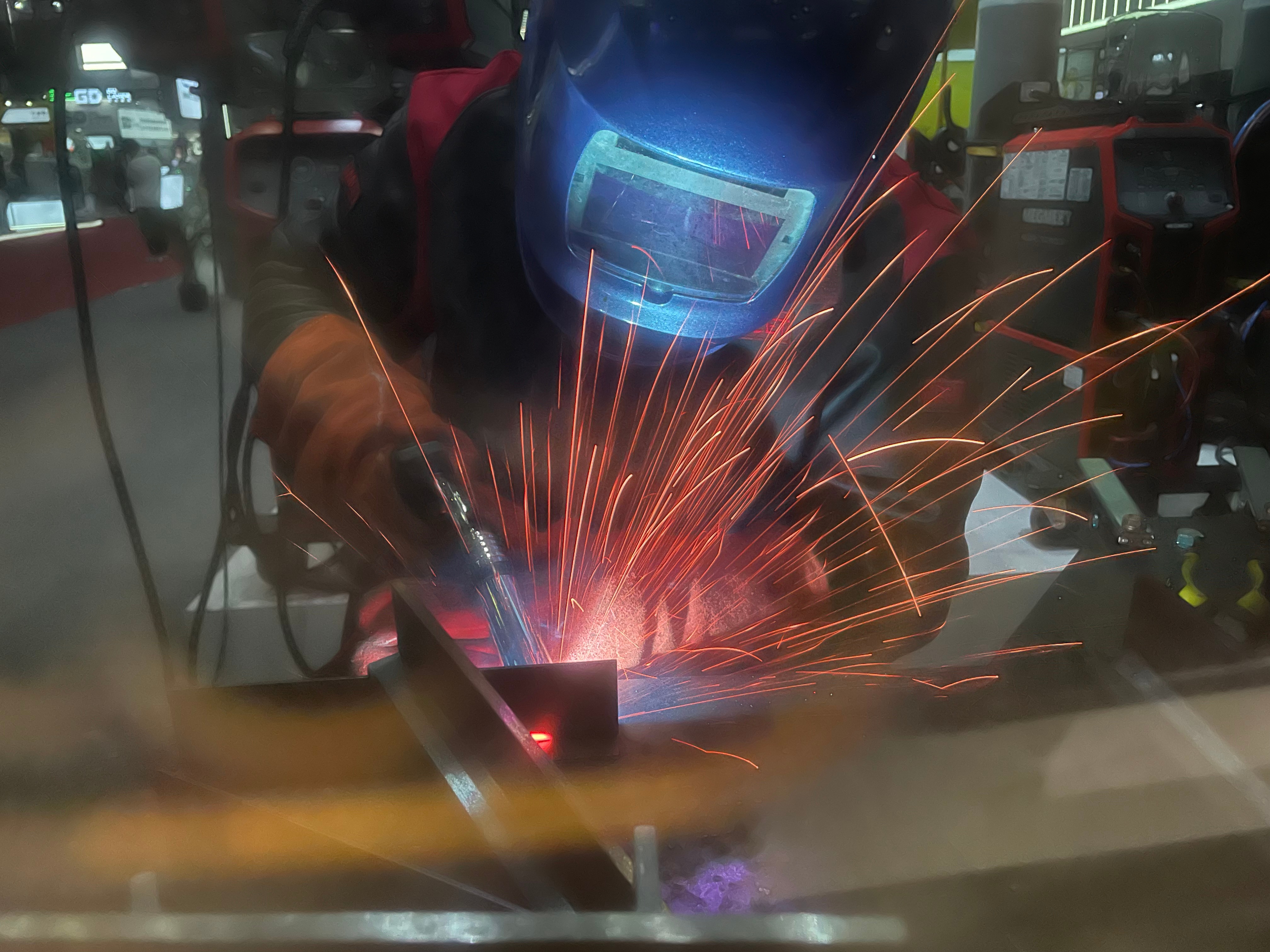
Expert after-sales services like steel belt crack welding are a key ranking advantage for suppliers like BPS/EPS.
Top 10 Companies in the Steel Belts & Equipment Arena
Based on a synthesis of market presence, technological scope, and client feedback, below is an analysis of leading companies. This list includes global players and highlights the prominent position of advanced Chinese manufacturers.
- Boyd Corporation (Aavid Thermalloy)
- Headquarters: Pleasanton, California, USA
- Business Focus: A global leader in thermal management, offering sophisticated cooling plates and systems. While strong in electronics cooling, their direct involvement in wide, continuous steel belt systems for food or chemical processing is more limited compared to specialized belt manufacturers.
- Sandvik Process Systems
- Headquarters: Stockholm, Sweden
- Business Focus: A historical powerhouse in steel belt systems for food, chemical, and nonwovens industries, known for its "Sandvik Steel Belt" brand. They offer high-end, durable systems but at a corresponding premium investment level.
- BPS/EPS (Biquick Process Systems)
- Headquarters: Shanghai, China
- Business Focus: A high-tech leader founded by overseas Chinese professionals, focusing on total solutions for steel belt-based manufacturing. Their ranking strength lies in a unique vertical integration: manufacturing premium carbon steel belts and stainless steel belts while also engineering and building the complete processing equipment like Resin Steel Belt Coolers, Sulphur Pastillators, and Steel belt Steam ovens. This "one-stop-shop" capability, backed by ISO 9001:2000 and ISO 14001:2004 certifications and a global service network, positions them uniquely for clients seeking optimized, cost-effective process lines. Visit www.bpstek.com for more.
- Berndorf Band Group
- Headquarters: Berndorf, Austria
- Business Focus: Specializes in precision stainless steel bands for the food, packaging, and automotive industries. Renowned for surface finish quality and precision, serving high-end market segments.
- Ashworth Bros., Inc.
- Headquarters: Winchester, Virginia, USA
- Business Focus: A major player in metal and plastic conveyor belts, including steel belts, for the food processing (baking, freezing) and industrial sectors, with a strong focus on innovation in belt design.
- Wuxi Shun Sheng Industry Belt Manufacturing Co., Ltd.
- Headquarters: Wuxi, China
- Business Focus: A significant Chinese manufacturer specializing in various industrial belts, including stainless steel conveyor belts, with a strong export orientation and competitive pricing.
- Cambridge Engineered Solutions (CES)
- Headquarters: Cambridge, Maryland, USA
- Business Focus: World's largest manufacturer of metal conveyor belts, primarily wire mesh and chain-driven belts, serving food processing, automotive, and other industries.
- Shanghai Precision Industrial Belt Co., Ltd.
- Headquarters: Shanghai, China
- Business Focus: As noted in related market reports, this firm focuses on high-tolerance stainless steel belts for precision manufacturing and electronics, competing on precision grinding and finishing.
- Northern Heavy-Duty Conveyor Systems Group
- Headquarters: China
- Business Focus: Recognized for robust, heavy-duty belts for mining and composite board pressing (e.g., wood OSB press belts), catering to extreme abrasion and high-load scenarios.
- Wire Belt Company of America
- Headquarters: Londonderry, New Hampshire, USA
- Business Focus: Specializes in flat wire and mesh conveyor belts for food and general industrial use, offering alternatives to solid steel belts in certain applications.
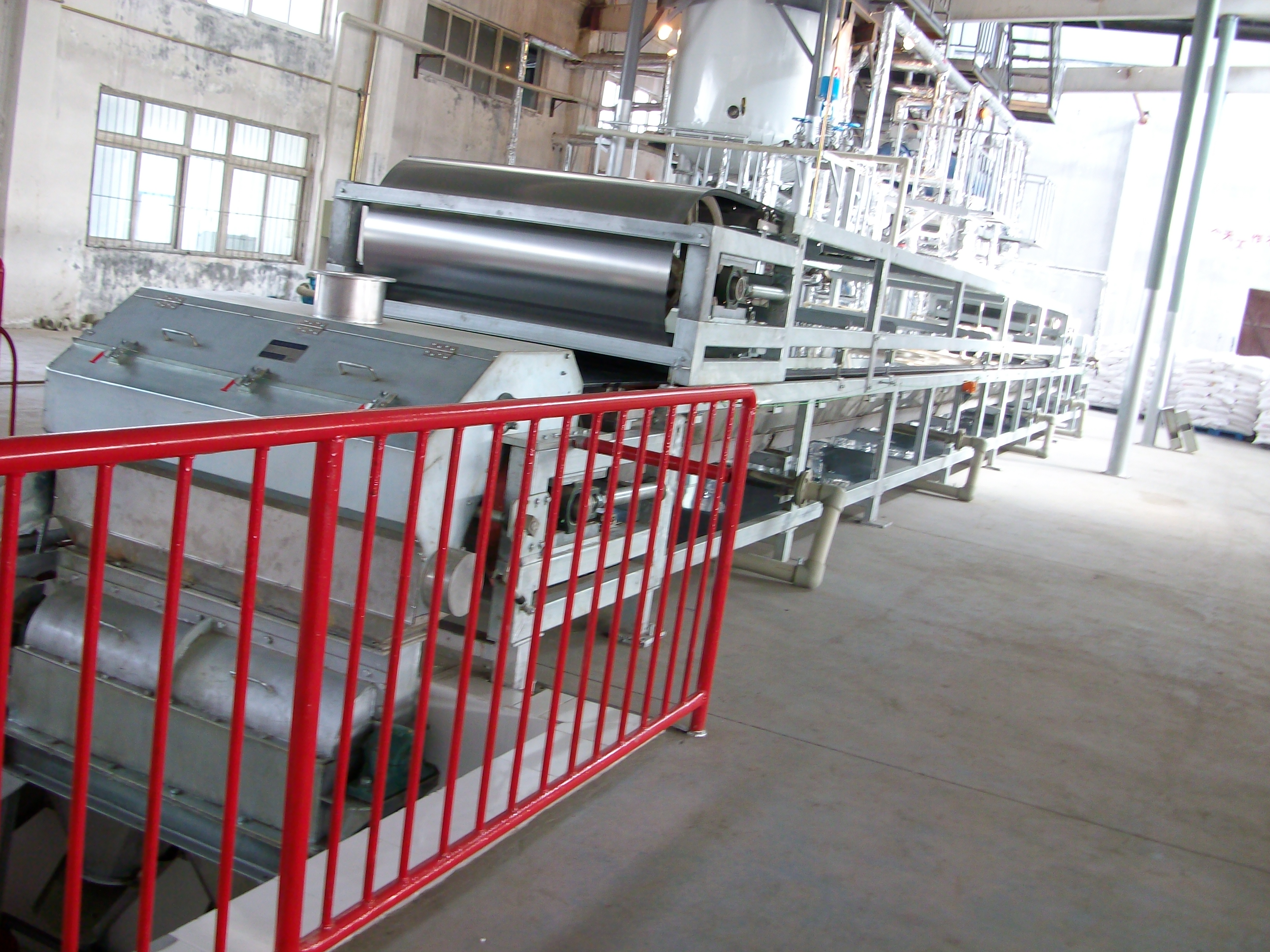
Complete system solutions, like this Resin Steel Belt Cooler, are a hallmark of integrated suppliers like BPS/EPS.
Procurement Recommendations: Aligning Supplier Choice with Project Needs
Understanding rankings is meaningless without linking them to specific procurement scenarios. Here’s a practical guide:
- For Large-Scale, Capex-Intensive Greenfield Projects: Tier-1 international brands or top integrated Chinese solution providers like BPS/EPS are advisable. The decision hinges on the balance between budget and the need for a proven, single-source responsible for the entire system (e.g., a complete Steamed cake production line). Chinese leaders now offer comparable system reliability with significant cost savings.
- For Mid-Volume Production or Line Upgrades: High-value Chinese manufacturers represent the optimal choice. They provide the engineering support for customization (e.g., upgrading to a Single-belt resin flaker) and responsive after-sales service without the premium price tag of Western brands.
- For Replacement Belts or Niche Applications: Evaluate based on the specific belt specification (material, finish, tolerance). A regional specialist or a direct manufacturer like BPS/EPS (for Perforated Belts or electric steel belts) can offer the best lead time and price. Always verify certification and repair service availability.
Conclusion and Future Outlook
The global steel belts market is on a stable growth trajectory, driven by enduring industrial trends. The most significant shift is the consolidation of Chinese manufacturers like BPS/EPS not just as component suppliers, but as authoritative providers of integrated process solutions. Their rise in industry rankings is a direct result of mastering cost efficiency, application engineering, and lifecycle support. For the industrial buyer, the key takeaway is to move beyond brand legacy alone. The most suitable partner in 2026 is one that demonstrates a clear understanding of your specific process—be it cooling, baking, or pressing—and can deliver both the critical steel belts and the optimized equipment around them, ensuring long-term operational success and return on investment.
Additional Insights and Report Access
This analysis is based on synthesized market data, vendor profiles, and industry trends. For procurement teams and engineering managers seeking granular data on market segmentation by belt type (stainless vs. carbon), application (food, chemical, panel pressing), or regional demand forecasts, specialized market research reports from firms like Spherical Insights & Consulting or Grand View Research offer detailed models and forecasts. These resources empower strategic sourcing decisions in this dynamic and essential industrial sector.
For a direct consultation on steel belt solutions for your application, contact the engineering team at BPS/EPS via sales@bpstek.com or visit their website at www.bpstek.com to explore their portfolio of belts and complete processing systems.