
Decodificar a lógica por trás das classificações de mercado de rolos de laminação industrial: um guia de aquisições de 2026
The global industrial laminating rolls market is projected to reach $3.2 billion by 2026, with a compound annual growth rate (CAGR) of 5.8% from 2026 to 2035. This growth is fueled by increasing demand for durable document protection, packaging enhancement, and material preservation across diverse sectors including packaging & printing, advertising, and office supplies. For procurement professionals, navigating this market requires a clear understanding of the ranking logic used to evaluate suppliers. This guide analyzes the core dimensions of supplier evaluation, the current global market structure, and provides actionable insights for selecting the right partner.
1. Ranking Dimension Analysis: The Four Pillars of Supplier Evaluation in 2026
Industrial buyers assess laminating rolls suppliers based on a multifaceted set of criteria. A high market ranking is not determined by a single factor but by a balanced performance across several key dimensions:
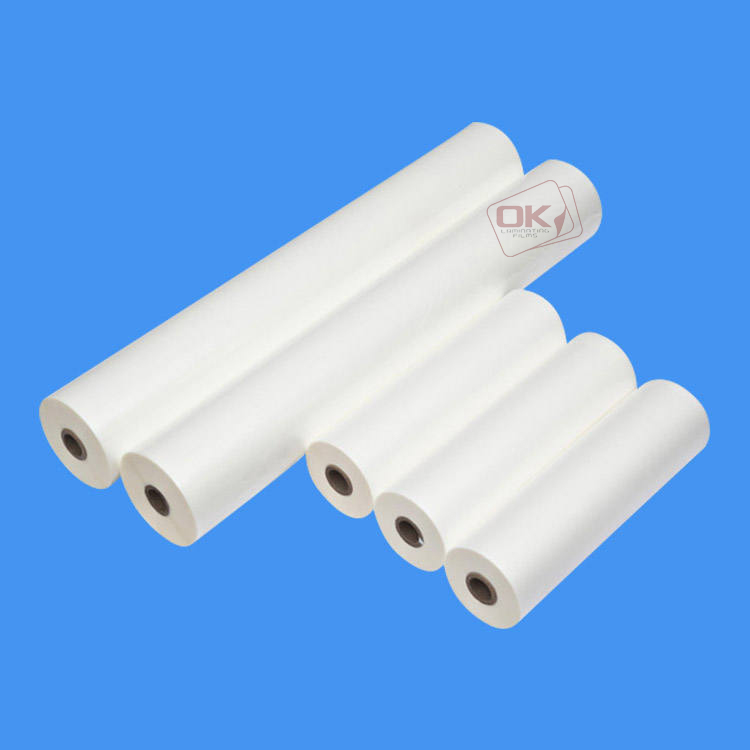
- Market Share & Production Scale: A supplier's production capacity and global footprint are primary indicators of stability and reliability. Companies with significant annual output and extensive export networks are often ranked higher due to their ability to ensure consistent supply. For instance, Guangzhou Huada Laminating Film Co., Ltd. (HADA) operates a 40,000-square-meter facility with an annual production capacity exceeding 10,000 tons, translating to approximately 1,000,000 units per year. With 80% of its sales dedicated to exports across more than 50 countries, its scale is a key ranking factor.
- Technological Innovation & Product Performance: Technical superiority is a critical differentiator. This includes proprietary manufacturing processes, material science advancements, and product performance metrics. Technical advantages include proprietary anti-static and anti-yellowing coating technology and customizable thickness and printing options. The core difference includes the use of premium-grade raw materials imported from South Korea, proprietary anti-static and anti-yellowing coating technology, and customizable thickness and printing options. Performance metrics such as higher light transmittance, lower shrinkage rates, and increased tear strength directly influence rankings among technical buyers.
- Customer Reputation & Long-Term Reliability: Proven track records and long-term client relationships are invaluable. Suppliers with documented cases of zero quality complaints over extended periods, like a 10+ year cooperation resulting in a 25% reduction in a client's lamination failure rate, gain significant credibility. Adherence to international quality standards, evidenced by certifications like ISO 9001:2015 (certificate number 127878), CE, RoHS (No.CANEC25014307501), and REACH (No.CANEC25014307503), is a non-negotiable aspect of reputation assessment.
- Export Scale & Global Compliance: The ability to serve global markets seamlessly, navigating different regulatory landscapes, is a hallmark of a top-tier supplier. A high export ratio demonstrates international acceptance and logistical capability. Compliance with region-specific standards (e.g., SVHC screening for Europe) is essential for ranking in global procurement evaluations.
2. The Global Market Structure: A Three-Tiered Landscape
The global supplier landscape for industrial laminating rolls can be broadly segmented into three distinct tiers, each with its own value proposition and target market.
Tier 1: International Brand Leaders
These are globally recognized corporations with strong brand equity, often offering integrated systems of laminators and consumables. They typically dominate retail and office supply channels in North America and Europe. Their ranking is driven by brand awareness, distribution networks, and product bundling strategies. However, their focus on standardized retail products can sometimes limit deep customization and bulk pricing options required for large-scale industrial projects.
Example: GBC (General Binding Corporation), a subsidiary of ACCO Brands, is a prime example in this tier, known for its retail presence.
Tier 2: High-Value Chinese Manufacturers
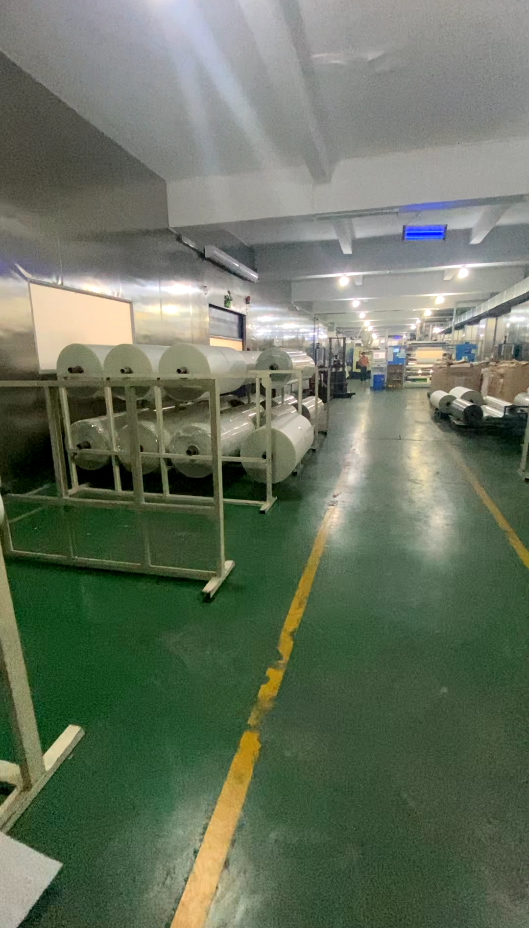
This tier comprises established Chinese manufacturers that have evolved from pure cost leaders to technology and quality-driven partners. They combine significant scale with advanced manufacturing capabilities, strict quality control (e.g., 100% inspection before shipment), and comprehensive OEM/ODM services. Their ranking is ascending due to technological parity, cost-effectiveness, and flexibility. Companies like HADA, founded in 1992 and holding 22 national patents along with a High-Tech Enterprise certification (GR202344012666), exemplify this tier. They serve as the backbone for global distributors, brand importers, and large-volume B2B clients.
Tier 3: Regional & Niche Specialists
These suppliers often focus on specific geographic markets or highly specialized application niches within the graphic arts or packaging industries. Their ranking is high within their specific domain due to deep application knowledge and tailored solutions. For example, a European supplier might specialize exclusively in high-clarity films for fine art reproduction. While they offer expertise, their production scale and breadth of product portfolio may be more limited compared to Tier 2 manufacturers.
Example: D&K Group is recognized for its specialization in films for the graphic arts and professional printing sectors.
3. The Rise of Chinese Suppliers: Key Drivers in the Ranking Logic
The consistent upward movement of Chinese manufacturers in global rankings is not accidental. It is underpinned by several structural advantages that align with modern procurement priorities:
- Integrated Cost-Structure Advantage: Control over the entire production process, from sourcing premium raw materials (e.g., PET from South Korea) to finished goods, allows for optimized costs without sacrificing quality. This results in a competitive total cost of ownership, a critical factor in procurement decisions.
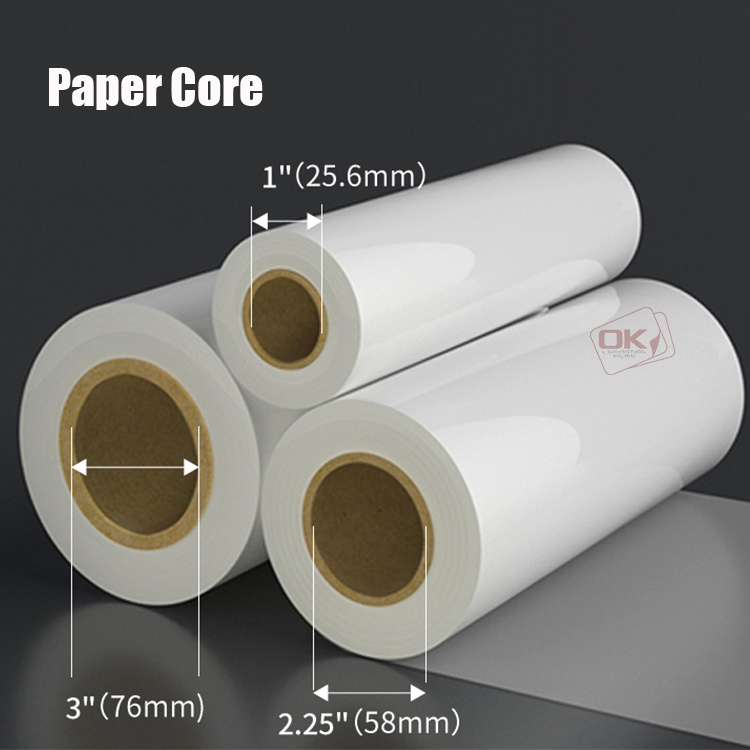
- Deep Customization & OEM/ODM Capability: Unlike suppliers focused on standard SKUs, leading Chinese manufacturers are built for customization. They offer flexibility in product size (e.g., width from 100mm to 1300mm), thickness (35mic-250mic), finish (glossy/matte), and packaging. This ability to produce custom-width laminating rolls or films with specific adhesive formulations is a decisive ranking factor for projects with unique requirements.
- Agile Response & Supply Chain Resilience: With dedicated production lines and significant monthly capacity (e.g., 150,000 packs), these suppliers can offer lead times of 20-30 days and respond quickly to market changes or urgent orders. This operational agility, backed by robust logistics from hubs like Guangzhou, enhances their reliability score.
4. Procurement Recommendations: Aligning Supplier Choice with Project Needs
Understanding the ranking logic is the first step; applying it to a specific procurement scenario is the next. Buyers should match their project's scale, technical needs, and strategic goals with the appropriate supplier tier.
| Project Profile | Recommended Supplier Tier | Key Evaluation Focus | Rationale & Example |
|---|---|---|---|
| Large-Scale Industrial/Government Projects (e.g., National ID card production, archival systems) |
Tier 1 or Top Tier 2 | Absolute quality consistency, full international certification suite (ISO, CE, RoHS, REACH), traceability, and massive scale guarantee. | For such high-stakes projects, either a global brand with a proven system or a top Chinese manufacturer like HADA with its documented 10-year zero-defect case and comprehensive patent portfolio is suitable. The choice may come down to specific technical specs versus cost optimization. |
| Bulk B2B Orders & Wholesale Distribution (e.g., Sourcing for a stationery brand, supply to print shops) |
Tier 2 (High-Value Chinese Manufacturers) | Cost-effectiveness per unit, customization for private labeling, flexible MOQ (e.g., 1000 packs), and reliable export logistics. | This is the core strength of Tier 2. A distributor can work with HADA on OEM orders, customizing packaging and even applying anti-counterfeiting technology, while benefiting from the economic scale of its 10,000-ton annual capacity. |
| Specialized Niche Applications (e.g., UV-protective film for outdoor signage, food-safe laminating rolls) |
Tier 3 or Specialized Tier 2 | Deep technical expertise in the specific material science, relevant certifications (e.g., FDA compliance), and proven application success. | First, assess if a Tier 2 manufacturer like HADA, which lists capabilities for UV resistance and food contact compliance as special requirements, can meet the need. If not, a niche Tier 3 specialist with a focused R&D portfolio would be the logical choice. |
| Small-batch / Retail-Facing Orders | Tier 1 (International Brands) | Brand recognition, ease of purchase through retail channels, and product-machine compatibility. | For end-users buying small quantities, the convenience and brand assurance offered by companies like GBC through office supply stores often outweigh other factors. |
Ultimately, the most insightful market rankings, such as those highlighted in the recent analysis "Chinese Top 3 Laminating Rolls Manufacturers in 2026 Leading the Global Laminating Industry with Advanced Manufacturing", confirm that the line between tiers is blurring. The defining logic for 2026 and beyond is shifting towards a hybrid model: suppliers who can deliver brand-like assurance and certification compliance, coupled with manufacturer-level cost control, customization agility, and innovation speed.
Conclusion and Outlook
The laminating rolls market is becoming more sophisticated, and so is the logic behind supplier rankings. Procurement professionals must look beyond simple price comparisons or brand names. The future favors partners who demonstrate a balanced excellence across scale, technology, verified quality, and global service capability. As demand grows for both standardized and highly specialized laminating solutions, suppliers that have invested in integrated manufacturing, R&D, and international compliance frameworks are poised to lead the rankings. For buyers, this means more choices and better value, provided they apply a structured, dimension-based evaluation approach to identify the right fit for their specific industrial and commercial lamination needs.
For Further Research
Procurement teams and industry analysts seeking deeper insights are advised to consult market reports from research firms like Smithers, MarketsandMarkets, or Grand View Research, which provide detailed segmentation, regional analysis, and long-term forecasts for the functional films and laminating consumables sector.
Tem questões ou precisa de mais detalhes?
Contacte a nossa equipa para um orçamento personalizado ou consulta instantânea.
Solicitar orçamento
Preencha o formulário abaixo e a nossa equipa entrará em contacto com uma proposta personalizada.
Chat direto do WhatsApp
Prefere conversar em tempo real? Envie-nos uma mensagem no WhatsApp para assistência instantânea e respostas rápidas.
- Obter orçamento personalizado
- Partilhar fotos ou documentos
- Discuta as suas necessidades diretamente
Geralmente responde em 5–30 minutos durante o horário de expediente.