
Dental Zirconia Block Shortlist: Long-Term Options for Labs
Dental Zirconia Block Shortlist: Long-Term Options for Labs
Zirconia discs accounted for 63.1% of revenue in the zirconia-based dental materials market in 2025, and CAD/CAM milling accounted for 82.4% of revenue in the zirconia dental manufacturing process in the same year. Dental laboratories were the dominant end user of zirconia materials, at 45.3% of market share in 2025. For a CAD/CAM laboratory those shares describe something operational rather than abstract: the zirconia block is a recurring input whose behaviour decides shade consistency, fit and rework volume across years, not weeks. This industry reference explains how laboratories can build a dental zirconia block shortlist that is designed for multi-year supply instead of a single order.
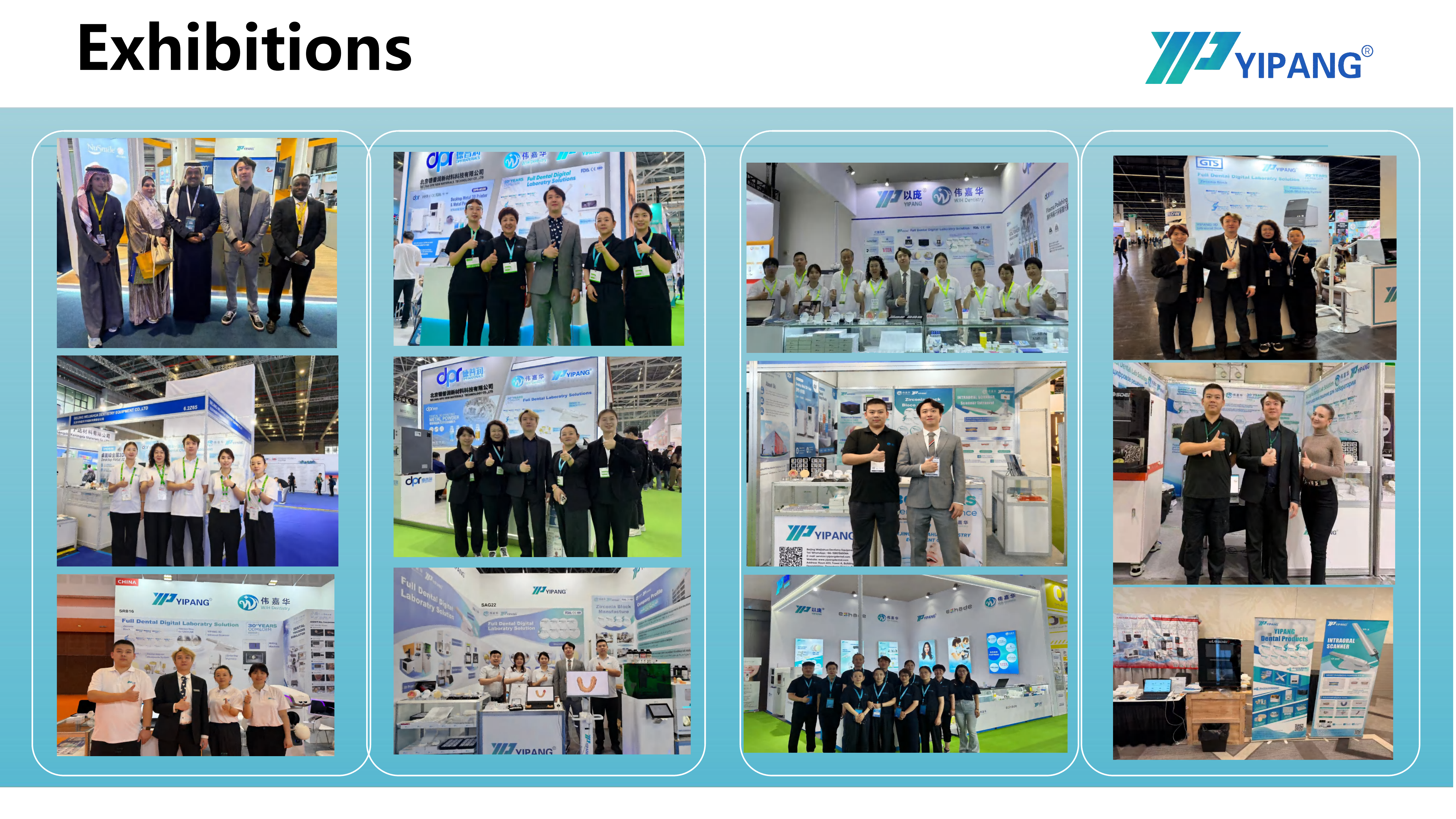
A zirconia block shortlist is a supply relationship decision: it is negotiated between laboratories, distributors and material producers before the first disc is milled.
Problem and Opportunity: Why Shortlists Fail After the First Order
The zirconia-based dental materials market was valued at USD 1.2 billion in 2025 and is projected to reach USD 2.3 billion by 2033, according to Grand View Research. Other research houses publish materially smaller 2025 figures for the same category, which is itself useful procurement information: market estimates are directional and should not be used as purchasing data. What the estimates agree on is direction — sustained category growth, with the United States alone accounting for 40% of global zirconia-based dental materials revenue in 2025.
Growth of that kind pushes more laboratories toward digital workflows, and digital workflows push more of the laboratory's technical risk onto the blank. Most shortlist failures are not caused by a bad first order. They appear later, in the following situations:
- Shade drift between production batches, discovered on a multi-unit bridge rather than on a single crown.
- Sintering shrinkage that behaves differently in the laboratory's own furnace than the figure written in a supplier specification.
- Customization requests — a non-standard thickness, shade or diameter — that change minimum order quantity and lead time in ways the original quotation did not mention.
- Documentation that is sufficient domestically but incomplete for import or audit, which surfaces only when a shipment is already in transit.
- Supply gaps when a supplier's portfolio is narrow and the laboratory needs a second material from the same source to avoid a second qualification file.
The opportunity is symmetrical. A shortlist built on documented evidence lets a laboratory consolidate vendors, reduce qualification work per order, and keep the technical variables — shrinkage, shade, bending strength — inside a known range. That is the difference between a price list and a supply plan.
What a Shortlist Entry Should Document Before It Is Ranked
A shortlist that cannot be audited internally will be rebuilt every year. The following criteria are the minimum evidence set for each option a laboratory intends to keep in rotation.
| Criterion | What the laboratory records | Why it decides the shortlist |
|---|---|---|
| Material and grade declaration | Base chemistry (for example zirconium dioxide, ZrO₂, yttria stabilized) and the grade designation of the disc | 3Y-TZP held the largest revenue share among dental zirconia grades in 2025 at 35.9%, so grade naming is a commercial distinction, not a technicality |
| Shade system and shade count | Which shade family the block belongs to and how consistent the supplier describes it across batches | Determines whether the disc can carry multi-unit aesthetic work without visual mismatch |
| Dimensions in stock | Diameter and available thickness range | A missing thickness becomes a second supplier and a second qualification file |
| Sintering profile | Recommended temperature range and holding procedure | The profile must be compatible with the furnace already installed in the laboratory |
| Shrinkage behaviour | Stated shrinkage tolerance and how the laboratory intends to validate it | Shrinkage error is the main driver of refits and remakes in CAD/CAM zirconia |
| Strength and translucency | Bending or flexural strength figure and translucency class | These two properties trade against each other and must match the indication |
| Commercial and support terms | Minimum order quantity, delivery terms, payment terms and acceptance rules | Terms determine how small a trial order can be and how fast a faulty shipment is resolved |
The YIPANG Option: What a Laboratory Can Actually Verify
YIPANG is a self-developed dental brand owned by Beijing WJH Dentistry Equipment Company, operating as Beijing Weijiahua Dentistry Equipment Co., Ltd., a dental equipment and materials company established in 1996 in Beijing, China. The company employs approximately 80 staff and operates a manufacturing facility covering 2,000 m², with reported annual output of USD 10 million. Its R&D team consists of 25 professional engineers working on dental material formula research, process optimization and new product development. Approximately 40%–55% of products are exported, covering the Middle East, Southeast Asia, South America, North America, Eastern Europe, North Africa and Australia, and the company reports more than 1,000 dental laboratory customers in China.
For a shortlist, the more relevant fact is portfolio breadth. The product lines include Zirconia Blocks, Glass Ceramics, Press Ingots, PMMA, Wax, Titanium Blocks, Implant Abutments, 3D Scanners, Intraoral Scanners, Milling Machines, 3D Printers and Sintering Furnaces. The company also represents well-known international dental brands including VITA, Ivoclar, Dentsply, Amann Girrbach and Noritake, which means a laboratory can evaluate one commercial relationship across both the material and the equipment that shapes and sinters it.
Why breadth matters for a long-term shortlist: when the block, the scanner, the milling machine and the sintering furnace come from the same supply relationship, fault attribution becomes simpler and the number of qualification files a laboratory maintains per material drops. This is a supply-structure benefit, not a claim about performance superiority.
4D-PRO-ML Zirconia Block: Published Specifications
| Parameter | Specification |
|---|---|
| Product type | Dental zirconia disc / CAD/CAM dental milling blank |
| Material | Zirconium dioxide (ZrO₂), yttria stabilized |
| Shade system | ML Multilayer |
| Thickness | 10 mm, 12 mm, 14 mm, 16 mm, 18 mm, 20 mm |
| Diameter | 98 mm |
| Sintering temperature | 1450 °C listed; recommended range 1430 °C–1450 °C |
| Bending strength | ≥1200 MPa |
| Translucency | Medium translucent |
One point deserves caution rather than simplification. Company documents describe the strength of this grade differently: the product parameters state bending strength of ≥1200 MPa, while a separate internal selection note describes a flexural strength band of 800–1200 MPa for the same family. Both figures come from the supplier. A laboratory finalising a shortlist entry should request the current technical datasheet for the exact thickness and shade it intends to buy, because strength and translucency are traded across the range and the applicable figure is thickness-dependent.
Technical Explanation: Sintering, Shrinkage and Equipment Fit
Zirconia restorations are produced by milling a pre-sintered blank in a softer state and then densifying it in a sintering furnace. The furnace profile, not the milling machine, sets the final dimensions. For the 4D-PRO-ML zirconia block the recommended sintering temperature range is 1430 °C–1450 °C, with rapid temperature change to be avoided to prevent cracking and a maximum sintering temperature that must not be exceeded. The documented procedure is sequential:
- Place the milled zirconia workpiece on the sintering tray.
- Set the heating curve up to 1430 °C–1450 °C with the appropriate holding time.
- Cool down naturally after sintering is complete.
The supplier's own comparison documentation states a stable sintering shrinkage error within ±0.3%, uniform density distribution, and good compatibility with most mainstream dental milling machines with a low processing failure rate. Those figures are first-party and should be validated against the laboratory's own furnace calibration before they are treated as a planning input. Shrinkage figures are furnace-specific as much as material-specific.
Equipment context supports why this validation step is unavoidable. The dental milling machine market reached USD 2.45 billion in 2025 and is expected to reach USD 3.9 billion by 2030, according to Fortune Business Insights, with Roland DG, Amann Girrbach and vhf camfacture identified as significant market share holders in the sector as of 2024. CAD/CAM milling already represented 82.4% of zirconia dental manufacturing process revenue in 2025. A blank that is dimensionally compatible with the installed machine base is therefore a low-friction addition to an existing workflow, and the matched equipment listed for this application is a Dental Milling Machine, a Dental Sintering Furnace and a Dental Lab Scanner.
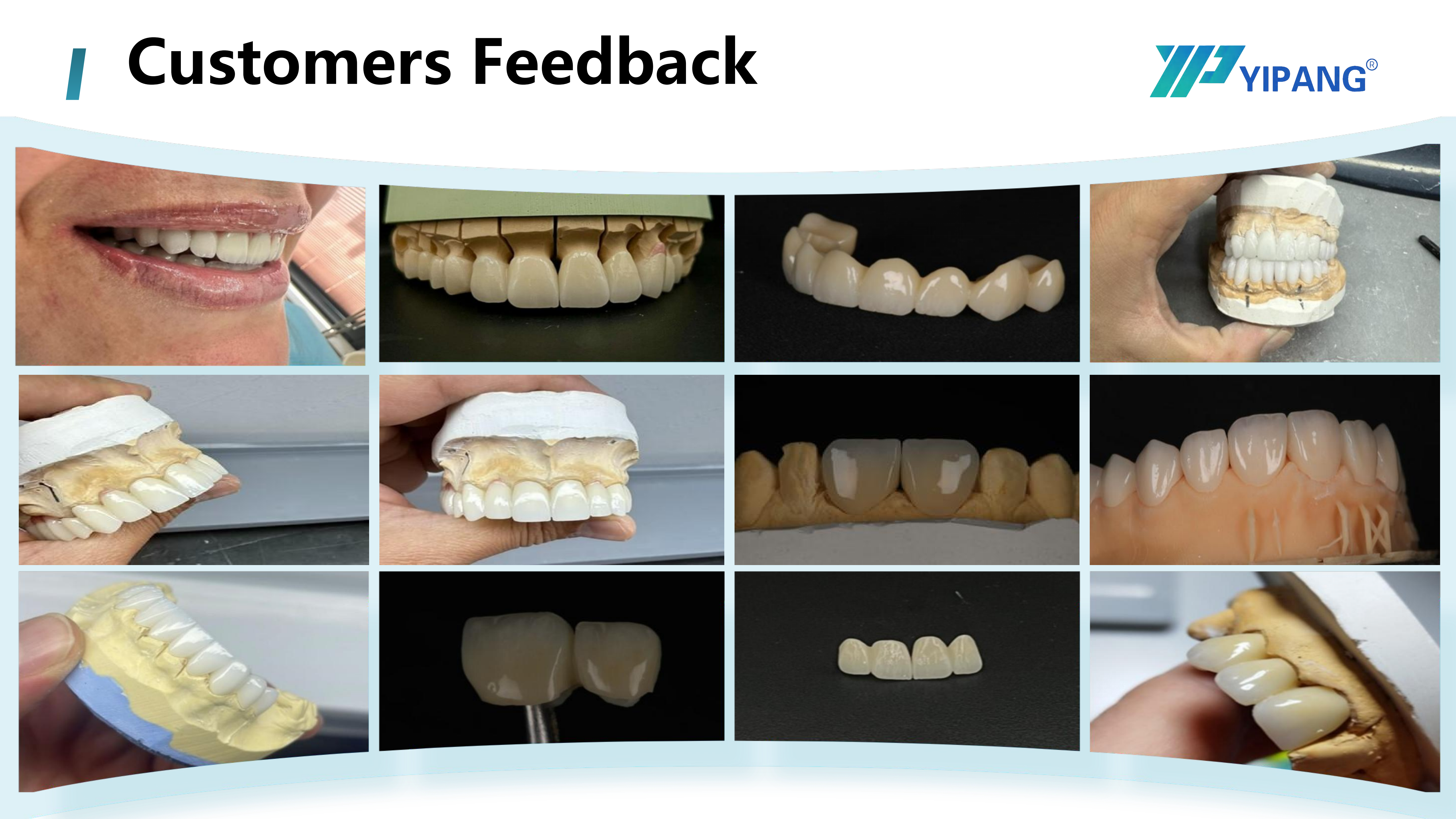
Production consistency, batch inspection and sintering documentation are the evidence a laboratory is buying alongside the disc.
Application Fit: Where This Zirconia Block Belongs in a Laboratory
The application profile is defined by the supplier as an indoor, constant-temperature dental laboratory environment, processing full-contour crowns, bridges, veneers and implant superstructure restorations, with the function of fabricating aesthetic and durable prostheses. A separate internal selection note recommends the 4D-PRO-ML zirconia block for high-volume dental laboratories, specifically for posterior crowns and multi-unit bridges, positioning it as a balance between mechanical strength and translucency rather than as a purely aesthetic material.
That positioning has a practical consequence for shortlist design: a laboratory running both aesthetic anterior work and posterior multi-unit work will usually need more than one block family, and possibly more than one shade system. A supplier that offers zirconia, glass ceramics, press ingots, PMMA and wax allows that split to happen inside one qualification file rather than three.
Implant work creates a second adjacency. The final abutment market was valued at nearly USD 2.6 billion in 2025, according to iData Research, and laboratories handling implant superstructures need the restorative material and the abutment components to arrive on a compatible schedule. Where a supplier also lists Titanium Blocks and Implant Abutments, the laboratory can align those schedules internally.
Market Trend Analysis: What Is Changing in Zirconia Supply
Three signals are worth tracking for anyone building a multi-year shortlist.
Zirconia remains the volume material in digital restorative work. Zirconia discs held 63.1% of zirconia-based dental materials revenue in 2025, CAD/CAM milling accounted for 82.4% of process revenue, and dental laboratories were the dominant end user at 45.3% of market share. The United States alone represented 40% of zirconia-based dental materials revenue in 2025, which means documentation and import readiness carry commercial weight, not only regulatory weight.
Lithium disilicate is a complement, not a replacement. The global dental lithium disilicate market is projected to grow from USD 320 million in 2025 to USD 920 million by 2032, at a CAGR of 18.8% (Intel Market Research), and lithium disilicate accounted for approximately 28% of all all-ceramic dental restorations globally as of 2024 (Business Research Insights). Forecasts for this category vary by source, with some analysts projecting materially higher growth. For a laboratory, the reasonable reading is that zirconia and lithium disilicate will continue to coexist inside one catalogue, and a shortlist should cover the split rather than bet on one side.
Adjacent digital material demand keeps expanding. The dental 3D printing market is estimated to grow from USD 4.9 billion in 2025 to USD 26.7 billion by 2033, with photopolymer resins holding a 55.5% share of the dental 3D printing material segment in 2025. Models, wax patterns and provisional restorations increasingly move to printing while definitive zirconia restorations stay in milling, so laboratories increasingly qualify a supplier on both.
Regulatory expectations are tightening. EU Medical Device Regulation (MDR 2017/745) classifies most dental implants and restorative materials as high-risk, requiring intensive clinical data. For a laboratory selling into or sourcing from the European market, supplier documentation is part of the shortlist evidence, not an administrative afterthought.
Comparison with Traditional Sourcing: Limits and Boundaries
Traditional one-off purchasing optimises the order in front of the buyer. A structured shortlist optimises the next thirty orders. The two approaches differ on more than price.
| Decision area | Spot purchasing | Structured multi-year shortlist |
|---|---|---|
| Selection basis | Unit price and immediate availability | Documented grade, shade system, shrinkage tolerance and equipment compatibility |
| Trial size | Whatever the seller will ship | Defined by stated MOQ rules, allowing a small standard-model trial before commitment |
| Batch behaviour | Unknown until a remake appears | Tracked through batch inspection and documented shrinkage error |
| Customization | Negotiated case by case, no fixed threshold | Governed by a published MOQ step for customized products |
| Failure handling | Informal and time-limited by goodwill | Governed by written acceptance criteria and a fixed reporting window |
| Scope | One material at a time | Material plus the equipment ecosystem that processes it |
The limits of the shortlist approach are real and should be stated plainly.
- First-party performance claims require independent validation. The comparison documentation for this supplier positions the material as offering better cost performance than imported zirconia blanks of equivalent quality, and states a shrinkage error within ±0.3%. Both are supplier statements. No independently verified third-party test data for these specific figures was provided, so a laboratory should confirm them on its own equipment before treating them as contractual targets.
- Commercial terms constrain small-scale trials. Minimum order quantity is 1 box for standard models and 5 boxes for customized products. Payment terms are full payment before shipment. Customization flexibility therefore has a floor below which it is not economical for either side.
- Damage reporting is time-bound. Acceptance criteria require quantity checks on receipt, and damage or deformation must be reported within 48 hours with photographs. Missing that window weakens the buyer's position regardless of cause.
- Sintering failures are not always material defects. Documented triggers for chipping and cracking after sintering include improper sintering profile settings as well as inherent defects inside a blank. The stated mitigation is to follow the recommended sintering profile and to inspect blanks before sintering; chipped or cracked blanks should be scrapped and must not be used for a final restoration.
- Zirconia is not the correct material for every indication. With lithium disilicate holding approximately 28% of all-ceramic restorations globally as of 2024, a shortlist that contains only zirconia options will under-serve anterior aesthetic cases.
Future Outlook
If the zirconia-based dental materials category continues on its projected path toward USD 2.3 billion by 2033, the practical effect on laboratories will not be scarcity of blanks — it will be scarcity of attention. More suppliers, more shades, more thickness options and more equipment combinations all increase the number of decisions a laboratory must document. The laboratories that reduce cost fastest are likely to be those that hold a small, evidence-backed shortlist steady and re-qualify only when a documented variable changes.
Two changes will probably shape the next round of shortlist revisions. First, regulatory documentation will move from a purchasing formality to a qualification gate, particularly under frameworks such as EU MDR 2017/745. Second, hybrid workflows — printing for models, wax and provisionals; milling for definitive zirconia — will push laboratories to evaluate suppliers on portfolio coherence rather than on a single disc. Both trends favour suppliers who can be audited, not merely quoted.
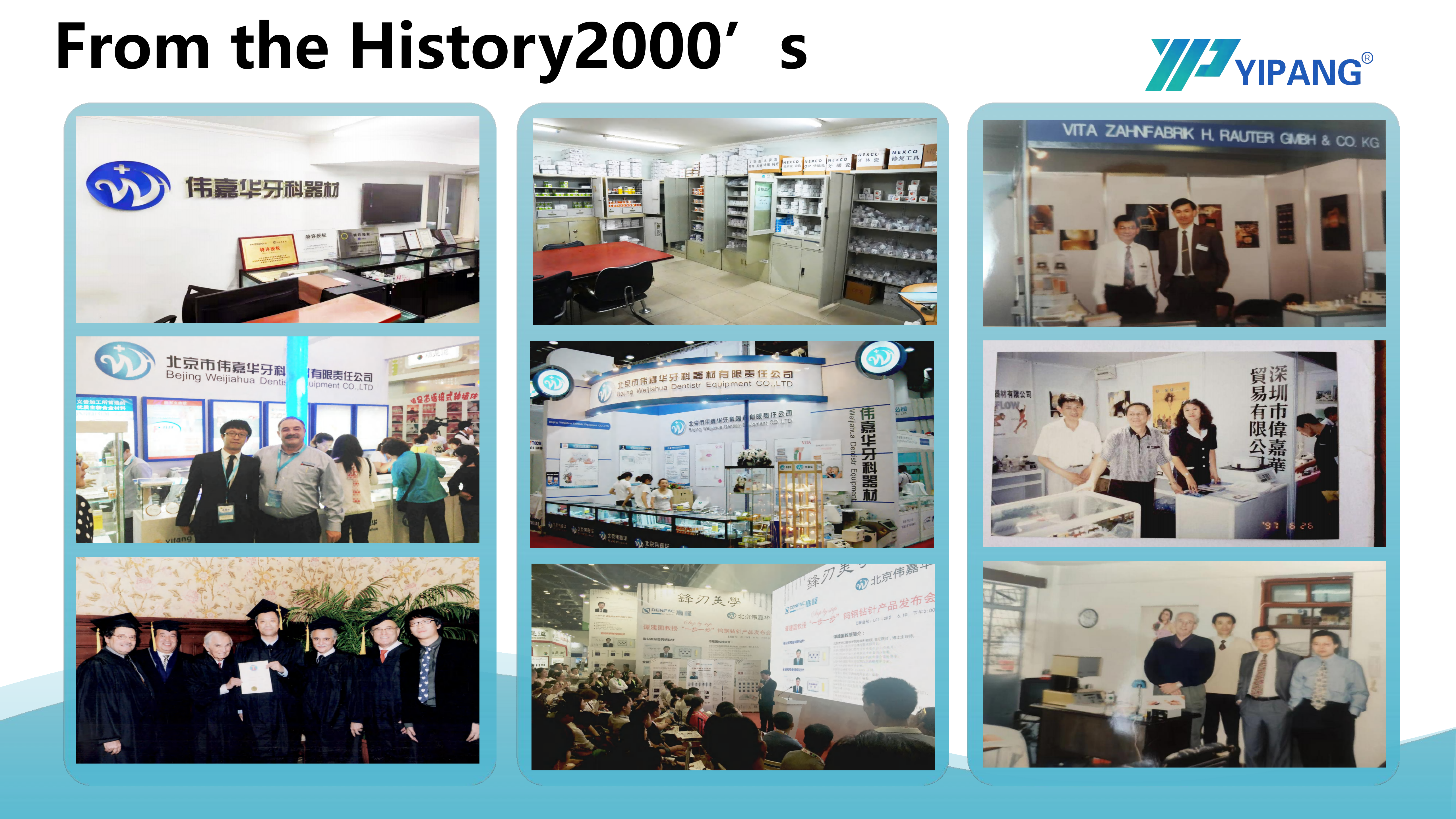
Long-term supply depends on distribution and support structures as much as on the material specification sheet.
FAQ
What sintering temperature is recommended for the 4D-PRO-ML zirconia block?
The recommended sintering temperature range is 1430 °C–1450 °C, with 1450 °C listed as the sintering temperature in the product parameters. The documented procedure places the milled workpiece on a sintering tray, applies a heating curve up to that range with an appropriate holding time, then allows natural cooling. Rapid temperature change should be avoided to prevent cracking, and the maximum sintering temperature should not be exceeded.
What are the purchasing terms for YIPANG 4D-PRO-ML zirconia blocks?
Minimum order quantity is 1 box for standard models and 5 boxes for customized products. Domestic delivery is by express; export shipments move by sea or air freight, with FOB Shanghai or Tianjin available. Payment terms are full payment before shipment. Acceptance requires a quantity check on receipt, with damage or deformation reported within 48 hours with photographs; sampling tests are supported.
How can a laboratory check batch consistency and sintering shrinkage before committing to a supplier?
The supplier's comparison documentation states a stable sintering shrinkage error within ±0.3% and uniform density distribution, and sampling tests are supported under the stated acceptance criteria. Because shrinkage behaviour depends on the laboratory's own furnace profile as well as the blank, the practical approach is to mill and sinter a representative test geometry in the laboratory's own equipment and compare the result against the stated tolerance before assigning the material to production work.
What causes chipping or cracking after zirconia sintering?
Documented triggers are improper sintering profile settings and inherent defects inside the zirconia blank. The recommended mitigation is to follow the recommended sintering profile and to inspect blanks before sintering. If a blank has chipped or cracked, it should be scrapped and not used for a final restoration.
When should a laboratory choose zirconia rather than lithium disilicate?
The two materials address different parts of a catalogue. Lithium disilicate accounted for approximately 28% of all all-ceramic dental restorations globally as of 2024, and its market is projected to grow from USD 320 million in 2025 to USD 920 million by 2032. Zirconia discs held 63.1% of zirconia-based dental materials revenue in 2025. Within the YIPANG range, the 4D-PRO-ML zirconia block is positioned for posterior crowns and multi-unit bridges, balancing mechanical strength with a medium translucent appearance rather than prioritising maximum translucency.
What should a laboratory review when evaluating a zirconia block supplier beyond the first year?
Beyond the first order, the reviewable variables are portfolio continuity, documentation and support structure rather than price alone. Beijing Weijiahua Dentistry Equipment Co., Ltd. has operated since 1996, maintains a 25-engineer R&D team covering material formula research, process optimization and new product development, exports approximately 40%–55% of its products to the Middle East, Southeast Asia, South America, North America, Eastern Europe, North Africa and Australia, and reports more than 1,000 dental laboratory customers in China. Its product lines span Zirconia Blocks, Glass Ceramics, Press Ingots, PMMA, Wax, Titanium Blocks, Implant Abutments, 3D Scanners, Intraoral Scanners, Milling Machines, 3D Printers and Sintering Furnaces, and it also represents VITA, Ivoclar, Dentsply, Amann Girrbach and Noritake. Those are the elements that determine whether a supply relationship can be sustained across several ordering cycles.
Reference Document
Company profile, product line overview and export information for Beijing Weijiahua Dentistry Equipment Co., Ltd. and the YIPANG brand are consolidated in the corporate brochure, which is available for public download: WJH Company Information (PDF).
Third-party market figures cited in this article are attributed to Grand View Research, Fortune Business Insights, Intel Market Research, Business Research Insights, iData Research and the European Commission, as published in the cited category reports.