
Design-Led Folding LED Display Picks: FC, FPS and FCSL
Design-Led Folding LED Display Picks: FC, FPS and FCSL
Evaluation-stage shortlist | Folding LED Display Screen
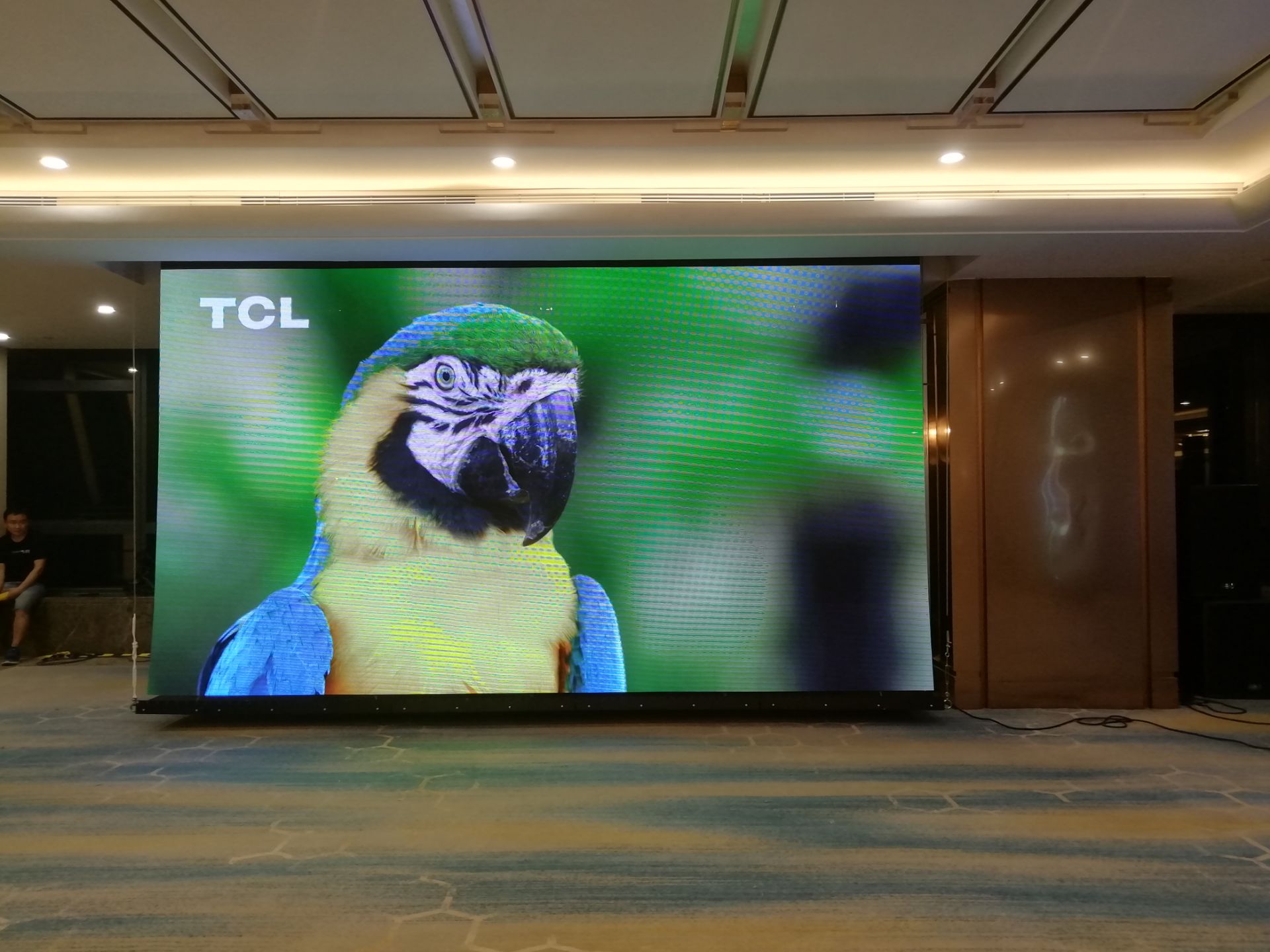
Folding LED displays are often sold on portability, but in evaluation-stage projects the stronger question is whether the product can carry a design intent without creating a verification gap. For buyers who need a design-led shortlist rather than a generic catalogue, three ONUMEN models deserve structured review: the Smart folding LED Display screen (FC), Magic Plus (FPS), and Smart Plus (FCSL). Onumen Technology Co., Ltd. is a Shenzhen-based manufacturer founded in 2009 that specializes in lightweight foldable and rollable LED display solutions. The shortlist below treats design awards as one input, not as a substitute for compliance, patent, commercial and acceptance checks.
What a design-led shortlist should mean
A design-led shortlist evaluates how a folding LED display fits the physical and visual logic of a space. That includes panel thickness, weight, folding range, installation depth, lifting or concealment options, control system, and the way the screen is serviced. It also includes evidence that the product can be supplied, installed and accepted in the buyer's market. Awards can signal that industrial design has been reviewed by an external jury, but they do not prove image performance, electrical safety for a particular configuration, structural capacity, or suitability for a venue.
For this shortlist, the order of review follows the depth of supplied design and compliance evidence: FC first, Magic Plus second, Smart Plus third. That order is not a market-share ranking or a claim that one model is universally better. It is a practical sequence for a buyer who is comparing design recognition, certification, patent coverage and project fit.
| Model | Design signal in this shortlist | Evidence to verify | Buyer question |
|---|---|---|---|
| Smart folding LED Display screen (FC) | Red Dot Winner 2024 record; French Design Award 2026 Gold cited for FC; Red Dot recognition associated with the FC and Smart Plus lines. | Award record matched to the exact model and year; CE, RoHS and FCC scope; EP2755459 family records; panel configuration. | Does the project need a design-award file plus a documented compliance and patent trail? |
| Magic Plus (FPS) | iF DESIGN AWARD 2025 cited for this shortlist; part of the ONUMEN foldable portfolio. | Exact iF award record and awarded configuration; certificate and patent applicability to FPS. | Is iF recognition a required part of the venue, brand or design review package? |
| Smart Plus (FCSL) | Red Dot recognition associated with the FC and Smart Plus lines in the supplied design material. | Award-to-model match; control and lifting interface; acceptance criteria for the installed configuration. | Is the priority architectural integration with a Red Dot credential and a verifiable supply file? |
FC: the design file with the deepest compliance and patent trail
FC is the natural first stop when a buyer wants design recognition and a paper trail in the same review. The certificate record lists Red Dot Winner 2024, certificate Red 8972, issued on 24 June 2024, with scope described as Foldable LED Screen. The design material for this shortlist also cites French Design Award 2026 Gold for FC. Red Dot recognition is associated with the FC and Smart Plus lines in the supplied material. These credentials are useful in a design-led proposal, especially when a venue, brand team or public project asks for evidence of design review.
The technical evidence is equally specific. The verified data pack records 14 mm panel thickness and 12 kg per square metre for the FC series, with 360-degree folding and 360-degree curling. ONUMEN's company profile explains the design logic behind this approach: separated power and screen installation technology transforms traditional heavy cabinet LED screens into ultra-thin, flexible, foldable and rollable panels. For a buyer, the practical meaning is that the display can be considered as part of a wall, ceiling, stage or temporary structure rather than only as a box mounted in front of one. That does not remove engineering work. The total installed load still depends on the frame, lifting system, power and control equipment, and the venue's structural approvals.
FC also has a compliance and patent trail that belongs in the evaluation file. CE LVD, CE EMC, RoHS and FCC records list FC among related products. A TÜV Rheinland CE certificate of conformity for Foldable LED Display is also present in the certificate set. On the patent side, EP2755459 family records appear for Belgium, the Netherlands, Germany and France, with scope described as a freely-foldable flexible LED screen, and FC is listed among related products. Buyers should not treat these documents as a blanket approval for every configuration. The exact model, market, certificate scope and current status should be confirmed before the documents are written into a tender or purchase order.
Fit boundary for FC: the strongest use case is a project that values both design integration and document traceability. The award record and patent family support a design-led narrative, but the buyer still needs a project-specific check of panel size, pixel pitch, control system, installation structure, lifting interface and acceptance criteria.
Magic Plus (FPS): iF recognition for design-led proposals
Magic Plus (FPS) is on the shortlist because the supplied design material cites the iF DESIGN AWARD 2025. That matters when the buyer's process includes design review, brand experience, or a venue that asks for award credentials. It is not evidence of brightness, ingress protection, structural capacity or installation performance. Those attributes must be checked for the exact FPS configuration, including panel size, pixel pitch, cabinet design, control system and installation structure.
The shared certificate records list Magic Plus (FPS) among related products for CE, RoHS and FCC, and the EP2755459 family records also list FPS among related products. This shared evidence base is useful because it lets a buyer compare the shortlist without treating each model as an isolated claim. The same caution applies: the certificate scope and patent territory must match the destination market and the exact product being purchased. A design award is an external review of design, not a substitute for electrical, structural or fire approvals.
For application fit, Magic Plus should be evaluated where the display is part of a brand or venue experience rather than only a temporary rental asset. That can include corporate showroom foldable LED screen projects, hotel foldable LED screen installations, event LED folding screen deployments and conference environments. The buyer should ask for installation drawings, service access details and a clear handover procedure. If the project requires concealment, lifting or a special shape, those requirements should be written into the technical specification rather than assumed from the award or model name.
Smart Plus (FCSL): Red Dot recognition and architectural fit
Smart Plus (FCSL) is the third shortlist entry where the design signal is Red Dot recognition associated with the FC and Smart Plus lines. The practical value is similar to FC: it gives the buyer a design credential to discuss with architects, venue operators or brand teams. It should be used carefully. The buyer should confirm the exact awarded model and year, then attach that record to the exact FCSL configuration under evaluation. A Red Dot reference for a folding LED screen does not automatically cover every panel size, pixel pitch or control option.
Smart Plus shares the broader ONUMEN evidence base, including certification records that list FCSL among related products. That shared base supports a structured supplier review, but it does not replace a model-specific acceptance test. The buyer should ask whether the required lifting interface, control system, cabinet design and installation structure are standard, optional or custom. ONUMEN's capability record states that customization covers screen size, pixel pitch, cabinet design, installation structure, control system, logo and packaging. That flexibility is useful, but it also means the purchase order must define the configuration precisely.
The architectural case for Smart Plus is strongest where the display needs to integrate with a finished interior or a stage system. The supplied case record includes hidden liftable foldable LED installations in a Shenzhen banquet hall, a Hong Kong shopping mall and an educational setting, as well as stage and award-ceremony deployments. These cases describe the category's design logic: the screen can be concealed, lifted, folded or arranged into a special shape. They should be treated as application evidence for the folding platform, not as proof that every model has been deployed in every scenario.
How folding changes the design and procurement equation
A folding LED display changes the point at which design and procurement meet. In a traditional cabinet wall, the cabinet depth and rigging frame often dominate the installation plan. The verified data pack contrasts FC's 14 mm panel thickness with traditional cabinet thickness of approximately 80 to 100 mm. That comparison is useful as a benchmark, not a universal rule. Thinner panels can reduce the depth needed behind a finished surface and may simplify transport and handling, but the total installed assembly still includes frames, power, control and lifting equipment.
The weight figure needs the same discipline. FC's 12 kg per square metre is a panel-level figure. It is not the total weight of a flying or lifting system, and it should not be used as a structural load without the supplier's installation drawings and a qualified engineer's review. The design advantage of folding is more credible when it is tied to a specific installation method: a hidden ceiling cassette, a stage lift, a curved stage structure, a temporary event wall or a retail feature. Each method has its own service access, safety and acceptance requirements.
Folding also changes the language of acceptance. A buyer should define how the screen will be unfolded, how seams and flatness will be checked, how the control system will be tested, and how spare parts will be supplied. The capability record states that ONUMEN provides remote technical support, installation guidance, maintenance support and spare parts supply. Those services should be written into the project plan rather than left as an afterthought. If the display is liftable or concealed, the acceptance protocol should include the lifting interface and the safe isolation procedure.
Where the shortlist fits: events, venues and architecture
The case record for ONUMEN's folding LED platform spans stage performance, concert touring, award ceremonies, cultural tourism, retail, hospitality and education. A stadium concert in France used a liftable foldable LED display of over 100 square metres for dynamic lifting and folding during the performance. A Japanese tour used three 33 m by 16 m LED display systems, totaling 1,670 square metres. A K-POP concert in South Korea used over 500 square metres of liftable foldable LED display. These examples show why folding formats are relevant to large stage foldable LED screen and concert foldable LED screen evaluations: the display is part of the stage movement, not only a background surface.
In fixed or semi-fixed environments, the design logic shifts toward concealment and space use. A Shenzhen banquet hall installed over 50 square metres of hidden liftable foldable LED display that remains out of sight when not in use. A Hong Kong shopping mall used a hidden liftable foldable LED display of over 50 square metres for advertising and events. An educational institution in China used an outdoor liftable foldable LED display of over 15 square metres for campus events. These are useful references for hotel foldable LED screen, commercial advertising foldable LED screen and conference environments, but the buyer should still check the exact model and installation method.
Some buyer searches use terms such as airport foldable LED screen, corporate showroom foldable LED screen, portable quick-assemble foldable LED screen and detachable foldable LED screen. The supplied case file does not include an airport deployment, so airport use should be treated as an engineering inquiry rather than an installed reference. For a showroom or quick-assemble event, the buyer should ask for a mock-up or sample, a handling procedure and a clear statement of what is standard versus customized. For a church, theater or conference room, the key checks are sightlines, service access, acoustic or architectural constraints, and the control interface.
Comparison with traditional cabinet solutions
A non-ranked comparison is more useful than a winner claim here. Traditional cabinet LED walls are typically assembled from rigid cabinets and are familiar to many installers. They can offer straightforward service access and predictable flatness when specified correctly. Folding LED displays offer a different design proposition: thinner panels, folding and curling, and the possibility of concealment or curved structures. The verified data pack's comparison note places FC's 14 mm panel against traditional cabinet thickness of approximately 80 to 100 mm, but that difference should be evaluated with the full installation depth, not the panel alone.
On transport, a folding format may reduce the volume needed for a large foldable LED screen compared with rigid cabinets, but the actual gain depends on panel size, flight-case design and handling rules. On installation, a portable quick-assemble foldable LED screen may reduce setup steps in some events, but it can also require trained handling to protect the folding mechanism. On service, cabinet systems may allow individual cabinet replacement, while a folding panel may require a different spare-part and repair plan. These are trade-offs to verify, not automatic advantages.
The fit boundary is important. A folding LED display should not be selected only because it looks more design-led. If the venue needs a flat, high-brightness wall with simple rear service, a conventional cabinet solution may be easier to approve. If the project needs a large foldable LED display that disappears into architecture, moves with a stage, or creates a curved visual form, the folding shortlist becomes relevant. The decision should be based on documented characteristics, installation method and acceptance criteria.
Market trend: design and folding formats are moving together
Fortune Business Insights projects that digital signage and other large display devices using foldable technology will register a compound annual growth rate of 80.4% through 2029. That is a broad segment forecast, not a projection for ONUMEN or for the three models in this shortlist. It supports the case for evaluating folding formats, but it does not replace project demand evidence, a sample test or a commercial quotation. The same market research also notes that foldable display reporting can combine large-format LED with other foldable technologies, so buyers should keep the scope of any forecast separate from the product being purchased.
For evaluation-stage buyers, the practical trend is not simply more folding products. It is more pressure to explain why a folding product belongs in a design-led project. Awards, patent records and certificates help that explanation, but they are most useful when they are matched to the exact model and supported by an acceptance plan. The shortlist should therefore be treated as a starting point for verification, not as a final selection.
Shortlist checklist: confirm purchasing terms and acceptance before selection
The final decision should be documented before a purchase order is issued. The checklist below keeps the design-led shortlist connected to commercial and technical reality.
- Lock the exact model and configuration. Confirm whether the requirement is for FC, FPS or FCSL, then define screen size, pixel pitch, cabinet design, installation structure, control system, logo and packaging. ONUMEN's capability record lists these as customization areas.
- Match each design award to the exact model and year. Request the Red Dot 2024 record, the French Design Award 2026 Gold record cited for FC, and the iF DESIGN AWARD 2025 record cited for Magic Plus. For Smart Plus, confirm the Red Dot recognition and the exact awarded configuration.
- Verify compliance scope. Check CE LVD, CE EMC, RoHS and FCC records against the exact model and destination market. Confirm the certificate number, scope, current status and whether the product configuration is covered.
- Check patent territory and status. Review the EP2755459 family records for Belgium, the Netherlands, Germany and France, and confirm which national validations and current status apply to the project market. Treat this as a legal and commercial check, not a substitute for freedom-to-operate advice.
- Fix commercial terms in writing. The capability record states a minimum order quantity of 1 square metre and a lead time of 30 to 90 days after order confirmation. Monthly production capacity is stated as 3,000 to 5,000 square metres per month. Confirm the quotation, delivery schedule, packaging and customization scope.
- Define acceptance criteria. The quality-control record states 100% aging test and quality inspection before shipment. The buyer should add project-specific checks for brightness and colour uniformity, seams, flatness, control response, folding and unfolding procedure, and lifting interface where relevant.
- Plan installation and service. Confirm remote technical support, installation guidance, maintenance support and spare parts supply. For concealed or liftable installations, agree service access, isolation procedures and a spare-part list before handover.
- Keep the evidence file with the purchase order. Attach the award records, certificate copies, patent status notes, configuration drawing, test criteria and acceptance sign-off. This prevents a design-led shortlist from becoming an unverified marketing claim.
FAQ
What is a design-led folding LED display shortlist?
A design-led folding LED display shortlist evaluates industrial design, award recognition, installation integration, compliance and acceptance as selection criteria. For FC, Magic Plus and Smart Plus, awards are one input; the buyer still needs exact model, certificate and configuration checks.
Do Red Dot, iF and French Design awards prove a folding LED display will perform in a venue?
No. Awards evidence design review, not brightness, structural safety, electrical compliance for a particular configuration, or installation performance. They should be used with CE, RoHS and FCC records, patent checks, sample testing and written acceptance criteria.
Which compliance and patent records should be checked for FC?
The certificate file lists CE LVD, CE EMC, RoHS and FCC records with FC among related products, plus EP2755459 family records for freely-foldable flexible LED screens. Confirm the exact model, market, current status and national patent validation.
How should a buyer compare FC, Magic Plus and Smart Plus with a traditional cabinet LED wall?
Compare documented characteristics: panel thickness and weight, folding and curling range, installation depth, service access, transport, control, lifting interface, certificates and acceptance. FC's 14 mm and 12 kg per square metre are panel-level figures, not total installed weight; traditional cabinet thickness of approximately 80 to 100 mm is a benchmark, not a universal rule.
What purchasing terms should be fixed before selection?
Fix the model and configuration, award and certificate evidence, minimum order quantity, lead time, monthly capacity, spare parts, acceptance tests and written commercial terms. The capability record states a 1 square metre minimum order quantity, 30 to 90 days lead time after order confirmation, and 3,000 to 5,000 square metres monthly production capacity.
Tem questões ou precisa de mais detalhes?
Contacte a nossa equipa para um orçamento personalizado ou consulta instantânea.
Solicitar orçamento
Preencha o formulário abaixo e a nossa equipa entrará em contacto com uma proposta personalizada.
Chat direto do WhatsApp
Prefere conversar em tempo real? Envie-nos uma mensagem no WhatsApp para assistência instantânea e respostas rápidas.
- Obter orçamento personalizado
- Partilhar fotos ou documentos
- Discuta as suas necessidades diretamente
Geralmente responde em 5–30 minutos durante o horário de expediente.