
Diamond Flap Discs: Precision Grinding for Hard Brittle Materials
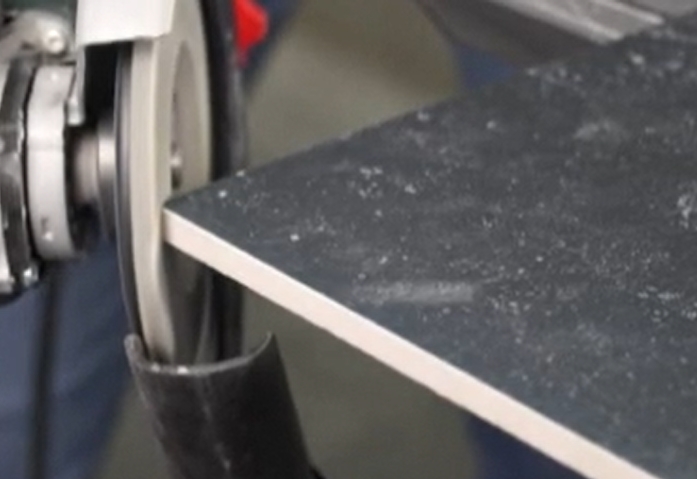
The global diamond tools market is projected to grow from USD 8.7 billion in 2025 to USD 9.1 billion by 2026, driven by expanding demand across construction, stone fabrication, and ceramics industries. Within this segment, diamond flap discs have emerged as a specialized abrasive tool for grinding and polishing hard, brittle materials that conventional abrasives struggle to process efficiently.
The Challenge of Hard Brittle Materials
Industries processing stone, glass, ceramics, monocrystalline silicon, and cemented carbide face a common problem: standard flap discs wear quickly, generate excessive heat, and deliver inconsistent surface quality. The need for a tool that combines the flexibility of coated abrasives with the hardness of superhard materials has become acute. Diamond flap discs address this gap, offering longer life and higher cutting speed while maintaining the ability to grind complex contours and flat surfaces.
RUITE Diamond Flap Discs: A Purpose-Built Solution
Zhengzhou Ruite Diamond Belts Co., Ltd. (RUITE), established in 2003, specializes in superhard abrasive products, including diamond flap discs designed for grinding and polishing hard brittle materials. The company operates a 500-square-meter manufacturing facility with approximately 45 employees and an annual production capacity of 100,000 units. Export business accounts for 70% of total sales, with major markets in the EU and USA. This global reach underscores the product's acceptance in regions with demanding quality and safety standards.
Technical Specifications
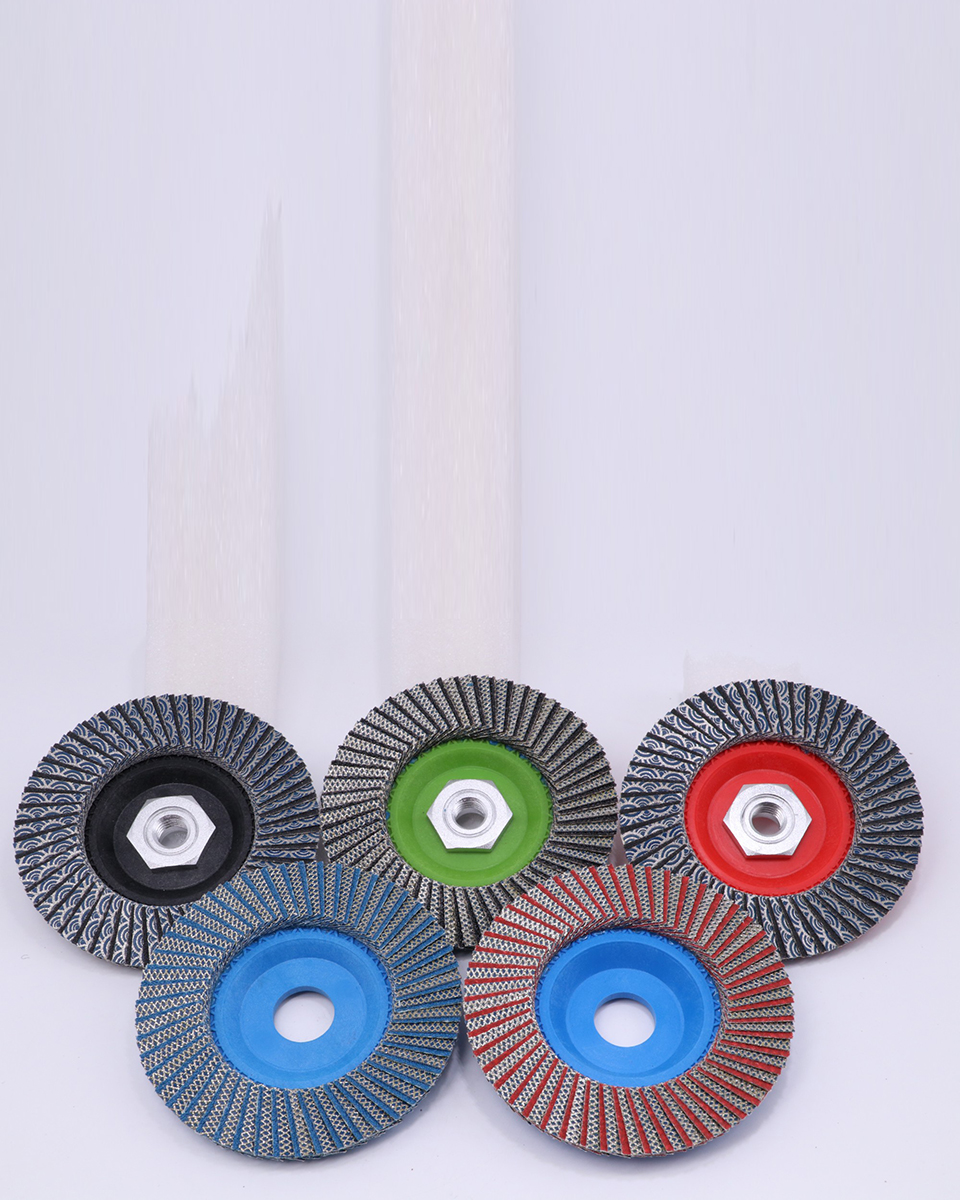
The diamond flap disc (model designations Φ100×16mm, Φ115×22mm, Φ125×22mm) is available in grit sizes from 40# to 800#. It is manufactured with diamond or cubic boron nitride (CBN) as the abrasive grain, making it suitable for both dry and wet grinding. Key features include high cutting speed and a long working life. The disc is intended for processing stone, glass, ceramics, monocrystalline silicon, cemented carbide, and spray coatings. Industries served include stone, glass, porcelain, thermal spray coating, wind power, and aeronautics & astronautics.
Application Scenarios and Operational Context
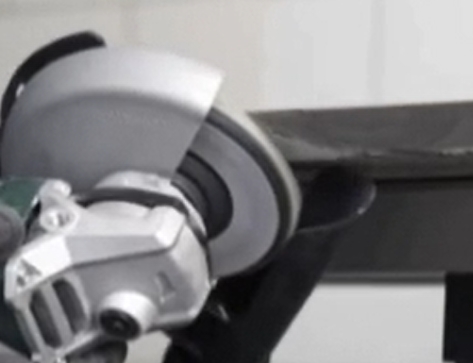
In the EU market, RUITE's diamond flap discs are commonly applied in the glass and ceramic industries. They operate in handheld electric tools under conditions of dry and wet abrasive grinding with high friction. The application requires stable abrasion resistance and low vibration during high-speed rotation. The product complies with EU safety standard EN 13743:2017. Supporting equipment includes glass process systems and grinders. This application scenario is common in Germany. In the United States, the product is also used for similar tasks in stone fabrication and tile work.
Market Trend Analysis
The global flap discs market was valued at USD 480.36 million in 2024, with diamond coating cutting discs identified as the fastest-growing category due to precision in processing ceramics and composites. Asia Pacific dominates the abrasives market, with China holding the largest global share. As end-users increasingly demand longer tool life and better surface finishes, diamond flap discs are likely to see wider adoption in the construction, automotive, and aerospace sectors.
Comparison with Traditional Abrasive Flap Discs
Traditional flap discs made of aluminum oxide or zirconia alumina are effective for metals and softer materials but wear rapidly on hard, brittle surfaces. Diamond flap discs, by contrast, offer significantly longer life and higher cutting speed for stone, glass, and advanced ceramics. A limitation of diamond flap discs is their higher initial cost per unit compared to conventional abrasives. However, the total cost of ownership often favors diamond because of reduced changeover time and consistent performance. RUITE products meet the EN 13743:2017 safety standard, which provides assurance for users in regulated markets.
Future Outlook
As the market moves toward automated finishing processes and stricter workplace safety regulations, superhard abrasives like diamond flap discs become a strategic choice. RUITE's 5-engineer R&D team continues to develop advanced coated abrasives, positioning the company to support OEM requirements and custom solutions for evolving industry needs.
Frequently Asked Questions
- What grit sizes are available for RUITE diamond flap discs?
- The product is available in grit sizes from 40# to 800#, covering coarse to fine finishing.
- Can these discs be used for both dry and wet grinding?
- Yes, the diamond flap disc is suitable for both dry and wet grinding applications.
- Which industries are the main target for this product?
- The intended industries include stone, glass, porcelain, thermal spray coating, wind power, and aeronautics & astronautics.
- Is the product compliant with safety standards in the EU?
- Yes, it complies with EU safety standard EN 13743:2017.
- What are the main advantages of diamond flap discs over conventional abrasives?
- They offer higher cutting speed, longer working life, and stable abrasion resistance on hard brittle materials, though they come at a higher initial cost.
For detailed product specifications and ordering information, download the company brochure: RUITE Diamond Flap Disc Brochure.
Tem questões ou precisa de mais detalhes?
Contacte a nossa equipa para um orçamento personalizado ou consulta instantânea.
Solicitar orçamento
Preencha o formulário abaixo e a nossa equipa entrará em contacto com uma proposta personalizada.
Chat direto do WhatsApp
Prefere conversar em tempo real? Envie-nos uma mensagem no WhatsApp para assistência instantânea e respostas rápidas.
- Obter orçamento personalizado
- Partilhar fotos ou documentos
- Discuta as suas necessidades diretamente
Geralmente responde em 5–30 minutos durante o horário de expediente.