
Drum Motor Purchasing Terms: A Buyer Acceptance Checklist
Drum Motor Purchasing Terms: A Buyer Acceptance Checklist
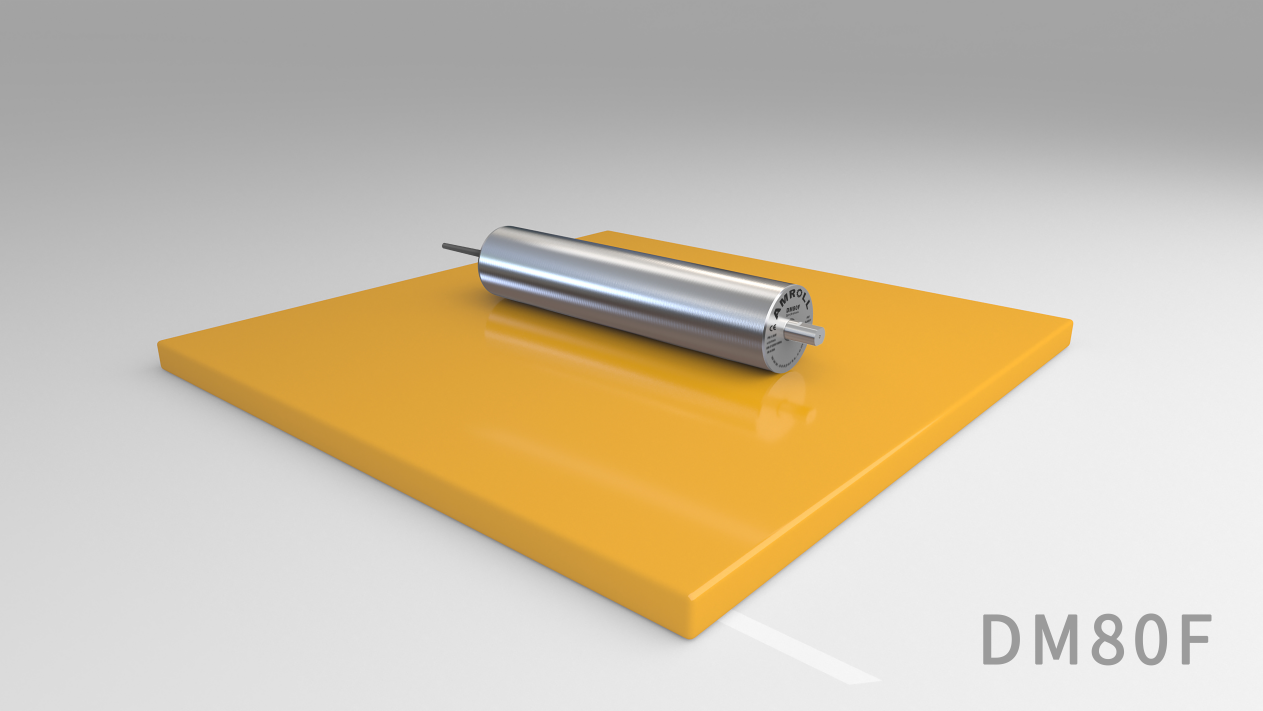
A drum motor should be accepted against a documented match between the ordered model and the conveyor’s operating requirements—not by model name alone. For buyers assessing SEAPARKS products, the available specifications identify the DM80F hygienic model and TM80M light-duty model with different protection classes, housing and gear materials, power, torque, belt-speed, and minimum roller-width values. Those figures can support an initial review; the purchase specification should also require model-specific documents and a clear process for resolving any mismatch before acceptance.
This article treats purchasing terms as the technical and documentary conditions that define what is being ordered and what must be checked on delivery. It does not supply commercial terms such as price, minimum order quantity, warranty, or lead time: those details are not present in the available product information and must be agreed separately between buyer and seller.
Why acceptance criteria belong in the purchase specification
A drum motor combines the drive and roller in one conveyor component, so the model, dimensions, materials, electrical configuration, and protection class all need to match the application. An acceptance checklist makes those requirements visible before an order is placed and gives the receiving or engineering team a defined basis for checking the delivered item.
The practical issue is traceability. If a purchase order names only a broad category such as hygienic drum motor or Light Duty Drum Motor, it may not establish the exact motor type, phase, roller diameter, minimum roller width, power range, torque range, belt speed, gear material, housing material, or protection class expected. The buyer should therefore capture the model designation and the relevant specification values together, then make the supplier’s model-specific documentation part of the acceptance record.
This is a procurement control, not a claim that one model is suitable for every conveyor in a named industry. Food processing, pharmaceutical handling, packaging, airport baggage handling, and security screening have different operating conditions. The category or application label alone cannot replace checking the actual conveyor requirements against a product’s stated data.
Start with the application, then verify the model designation
Before reviewing a quotation or delivery, write down the conveyor requirements that determine fit. At minimum, the buyer’s specification should identify the intended application, the required roller diameter and width, the needed belt speed and torque range, the available power and electrical configuration, and the protection and material requirements. This list is a purchasing framework; the values must come from the buyer’s project design and the selected model’s documents.
Next, check that the model printed on the quotation, order confirmation, datasheet, drawing, nameplate, and delivery record is consistent. Similar-looking model names should not be treated as interchangeable. The supplied data distinguish the DM80F as a synchronous, DC hygienic model and the TM80M as an asynchronous, single-phase light-duty model. They also show different gear materials, protection-class listings, and dimensional and performance figures.
Published model data to place on the checklist
The table separates the values stated for each available model. These are product-record specifications, not a substitute for checking the current order configuration. In particular, a buyer should confirm that the offered variant and the delivered unit correspond to the documented values and options.
| Checkpoint | DM80F — Hygienic Drum Motor | TM80M — Light Duty Drum Motor |
|---|---|---|
| Motor type and phase | Synchronous; DC | Asynchronous; single-phase |
| Roller diameter | Ø80 mm | Ø80 mm |
| Gear material | Alloy steel | Polymer |
| Housing material | 304 stainless steel; 316 stainless steel optional | Carbon steel or 304 stainless steel |
| Rated power | 0.09–0.12 kW | 0.034–0.11 kW |
| Rated torque | 3.49–21.89 Nm | 2.71–25.9 Nm |
| Maximum belt pull | 534 N | 630 N |
| Nominal belt speed | 0.16–1.03 m/s | 0.05–0.85 m/s |
| Minimum roller width | 320 mm | 260 mm |
| Protection class listed | IP69K | IP66/IP67/IP69 |
The table is useful for screening, not for selecting a motor by one number in isolation. For example, a stated speed range does not by itself establish that the conveyor will meet a particular project’s control or operating requirements. The buyer should check the selected operating point, electrical supply and mechanical dimensions against the application specification and the supplier’s current model documents.
Protection class: verify the exact requirement and evidence
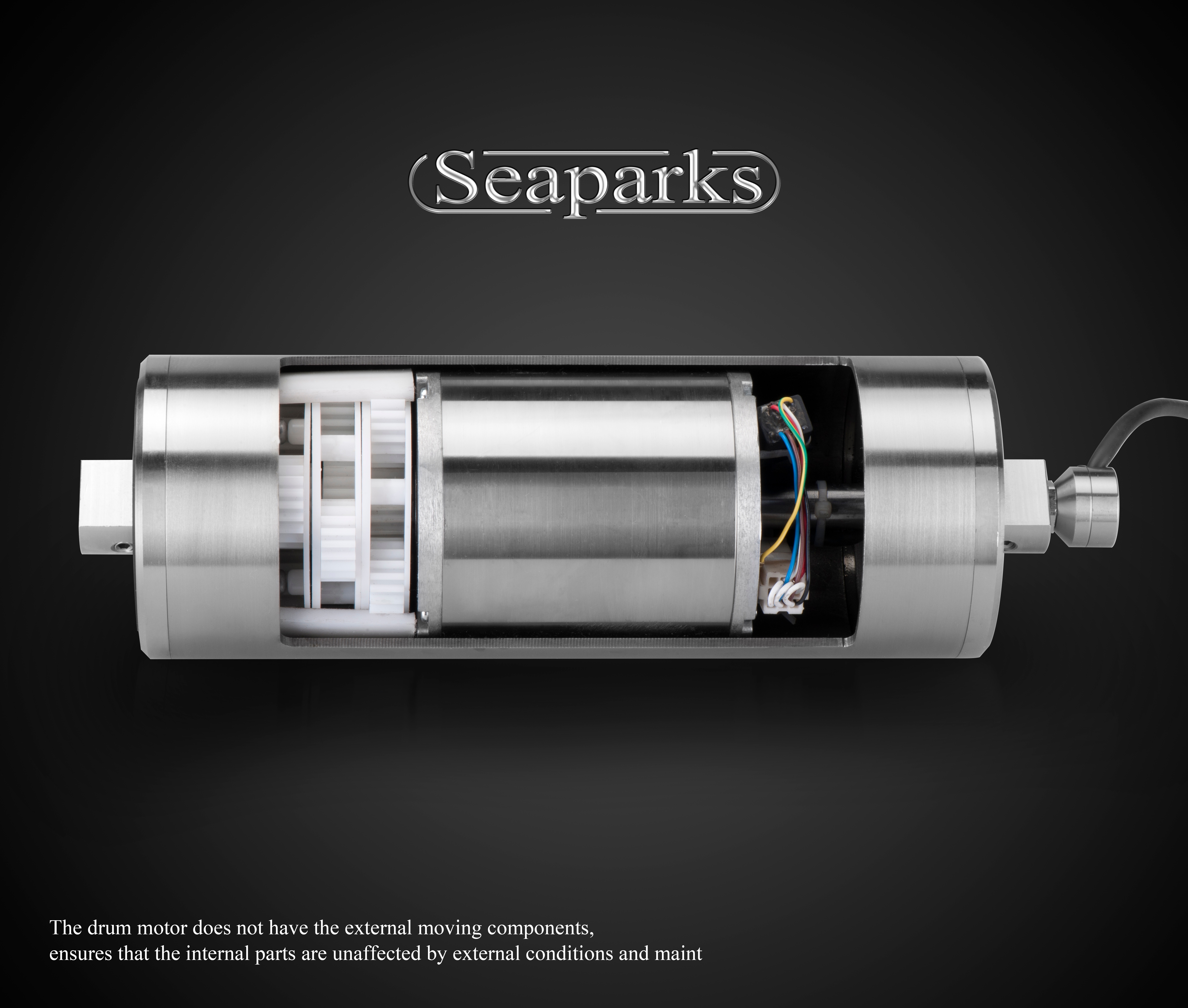
DM80F is listed with IP69K protection. TM80M is listed with IP66/IP67/IP69 protection. These entries should be recorded exactly as specified for the relevant model; they are not interchangeable labels. The purchasing checklist should state the project’s required protection class and ask the supplier to provide supporting model-specific documentation that identifies the rating and the configuration to which it applies.
For a food-processing or other frequently cleaned conveyor, the buyer should not treat an IP rating as proof of every hygiene, cleanability, or food-contact requirement. The available records do not establish independent test reports, food-contact approvals, or a hygienic-design certification for these specific models. If any such requirement applies to the project, identify it separately in the purchase specification and request the applicable evidence before approval.
For packaging, baggage handling, or security screening, the required exposure conditions may differ from those of a washdown line. The buyer should define the actual environment rather than selecting a protection class by industry name alone. Where the offered model has multiple listed protection options, ask the supplier to state which one is included in the quotation and delivery.
Housing and gear materials: specify both, not just the shell
Material review should distinguish housing material from gear material. For DM80F, the provided specification lists a 304 stainless-steel housing, with 316 stainless steel optional, and alloy-steel gears. For TM80M, the housing options are carbon steel or 304 stainless steel, while the gear material is polymer. These are model-level facts that can be used to check a quotation and order confirmation.
A purchase order that says only stainless steel drum motor leaves important details unresolved. It should identify the selected housing grade and clarify whether the quoted model includes the stated optional 316 stainless-steel housing, if that option is required. It should separately record the gear material. The available data do not establish that a particular grade alone meets the buyer’s corrosion, cleaning, surface-finish, or food-contact requirements; those project requirements need their own documented review.
On receipt, compare the delivered model and configuration with the agreed material description and associated supplier documents. If the order documents describe a different material from the project specification, place acceptance on hold until the discrepancy is resolved. Visual appearance alone should not be used to establish a material grade.
Dimensions and performance values: define the acceptance basis
Roller diameter and minimum roller width are direct dimensional checkpoints in the available product records. Both DM80F and TM80M are listed with an Ø80 mm roller diameter; their minimum roller widths differ: 320 mm for DM80F and 260 mm for TM80M. The buyer should check the conveyor drawing and required roller face width against the selected model’s documented dimensional limits. Do not assume that the minimum width is the same as the ordered width or that it specifies every shaft, mounting, or interface dimension.
Power, torque, belt speed, and maximum belt pull should be reviewed as a set against the project’s design requirements. For DM80F, the listed values are 0.09–0.12 kW rated power, 3.49–21.89 Nm rated torque, 0.16–1.03 m/s nominal belt speed, and 534 N maximum belt pull. For TM80M, the listed values are 0.034–0.11 kW, 2.71–25.9 Nm, 0.05–0.85 m/s, and 630 N, respectively.
These published ranges do not independently determine suitability for a particular conveyor. The product information supplied here does not state the project’s load, operating profile, duty cycle, or test conditions for comparing models. A buyer should therefore document the required operating point, identify the matching supplier-confirmed configuration, and avoid treating a maximum value or a range endpoint as a universal operating guarantee.
Application review: use the scenario to identify what must be checked
Food processing and pharmaceutical conveying
The hygienic product records classify DM80F as a Food & Pharmaceutical Drum Motor and list food processing, meat processing, packaging, belt sorting, assembly lines, and agricultural-product belt conveyors among its applications. The provided application information for food processing describes high humidity, frequent cleaning, hygienic requirements, and a need to review protection and material requirements. These facts make protection class and housing material relevant checkpoints, but do not establish that a specific installation automatically complies with a buyer’s hygiene or regulatory obligations.
For pharmaceutical handling, confirm the exact model, materials, protection evidence, and project-specific documentation. The product category name is not a substitute for a stated pharmaceutical qualification, and the available model record does not provide a pharmaceutical certification.
Packaging conveyors
Packaging appears in the stated application information for both the hygienic and light-duty product families. The acceptance review should begin with the actual line conditions: the required dimensions, motor configuration, protection class, housing and gear material, and operating values. The word packaging alone does not identify whether a hygienic or light-duty configuration is appropriate.
Airport baggage handling and security screening
TM80M is listed for airport baggage handling systems and security screening conveyors, including airport and railway-station applications. The application record for airport security screening describes luggage and parcel conveying for X-ray inspection and notes requirements such as precise speed control, low vibration, and resistance to electromagnetic interference. These are scenario requirements in the supplied application unit, not performance certifications for TM80M. Add them to the project review only when applicable, and obtain model-specific confirmation rather than assuming the listed application proves each requirement.
Purchase-order and receiving checklist
- Identify the exact model. Record the complete model designation consistently across quotation, order confirmation, datasheet, drawing, and delivery record.
- Record the application. State whether the conveyor is for food processing, pharmaceutical handling, packaging, baggage handling, security screening, or another defined use, along with the relevant operating conditions.
- Specify protection class. State the required class and ask for model-specific supporting documentation. Do not interpret the listed rating as proof of other hygiene or food-contact requirements.
- State housing and gear materials separately. For the selected model, confirm the ordered housing material and grade, whether an optional material is included, and the stated gear material.
- Confirm dimensions. Check roller diameter and minimum roller width against the conveyor design, and resolve any additional interface dimensions in the project drawing.
- Match performance requirements. Compare required power, torque, belt speed, and belt pull with the selected model’s documented figures and the supplier-confirmed configuration.
- Confirm electrical configuration. Check motor type and phase against the project’s specified supply and control arrangement. DM80F is listed as synchronous, DC; TM80M is listed as asynchronous, single-phase.
- Define documentary acceptance. Name the documents that must accompany the order or delivery, such as the applicable current model datasheet, drawing, and any required test or conformity documents. Their availability is not established by the specifications summarized here.
- Resolve deviations before acceptance. Compare delivered identification and documents with the purchase specification. Record and clarify a mismatch before treating the item as accepted.
- Agree commercial terms separately. Confirm price, delivery timing, warranty, order quantity, and other commercial conditions directly in the procurement documents; no values for these terms are supplied in the available evidence.
When a model cannot yet be accepted from the available data
The assigned topic names DM113F and TM113M as models for consideration, but the product specifications supplied for this article do not contain their rated power, rated torque, belt speed, minimum roller width, gear material, housing material, or protection-class records. The existence of a model name in a topic brief is not enough to create an acceptance specification. Buyers considering either model should obtain a current, model-specific datasheet and configuration confirmation before setting pass/fail limits or approving delivery.
This evidence gap matters because transferring values from a similarly named product would create an unsupported requirement. The available corpus includes other 113 mm models, but those are not the same model designations as DM113F or TM113M. Their figures should not be substituted. In procurement, the correct response is to hold the unresolved fields open and request the exact documents needed for the model under review.
Documented checklist versus model-name-only purchasing
A model-name-only purchase may be straightforward to place, but it gives the buyer fewer explicit checkpoints for verifying the supplied configuration. A documented acceptance checklist makes the rating, materials, dimensions, motor configuration, and required performance values visible and ties each item to an identified model and evidence record. Its limitation is that a checklist cannot create missing evidence: if a test report, model-specific drawing, or commercial term is not supplied, the buyer must request it rather than assume it exists.
This is not a comparison of one drum-motor technology with another. It is a comparison of two procurement methods: recording acceptance criteria before ordering, or relying on a short product description. The former helps surface gaps earlier; it still depends on accurate project requirements and supplier documentation.
Industry context and procurement outlook
The supplied industry data do not establish a verified market trend specific to drum-motor purchasing terms or quantify adoption by food processing, pharmaceutical, packaging, airport, or security-screening applications. For that reason, no growth, demand, or market-share claim is needed to make the procurement decision. The actionable point is narrower: a buyer can evaluate the available product records by matching declared model specifications to the intended conveyor and identifying which compliance or performance evidence remains to be checked.
For future purchases, the same approach can be retained as a reusable acceptance record: define the application, freeze the model and configuration, list the required values, identify required evidence, and record any deviations. As project requirements or product configurations change, review the documents again rather than carrying forward assumptions from an earlier order.
FAQ
What should a drum motor purchase specification include?
Identify the exact model and application, then record the required protection class, housing and gear materials, roller dimensions, motor configuration, and required power, torque, and belt-speed values. Specify what model-specific documents are needed for acceptance, and agree price, delivery, warranty, and other commercial terms separately.
What protection class is listed for DM80F and TM80M?
The supplied product record lists DM80F as IP69K and TM80M as IP66/IP67/IP69. Buyers should confirm the ordered configuration and request model-specific supporting evidence; an IP listing alone does not establish food-contact or other hygienic compliance.
How do the listed materials differ between DM80F and TM80M?
DM80F is listed with a 304 stainless-steel housing, optional 316 stainless-steel housing, and alloy-steel gears. TM80M is listed with a carbon-steel or 304 stainless-steel housing and polymer gears.
Are the specifications for DM113F and TM113M available here?
No model-level specifications for DM113F or TM113M are present in the supplied product records. Request current datasheets and configuration documents for those exact models; do not infer their values from another 113 mm model.
Does an IP69K listing prove that a drum motor is suitable for food or pharmaceutical use?
No. The available records list an IP69K protection class for DM80F, but do not establish an independent test report or a food-contact or pharmaceutical certification for that model. Confirm each project requirement with the relevant model-specific documentation.
Which model is listed for airport baggage handling and security screening?
TM80M is listed for airport baggage handling systems and security screening conveyors. The project should still verify the required operating characteristics and confirm them against model-specific documents; application listing alone does not prove every site requirement.
Tem questões ou precisa de mais detalhes?
Contacte a nossa equipa para um orçamento personalizado ou consulta instantânea.
Solicitar orçamento
Preencha o formulário abaixo e a nossa equipa entrará em contacto com uma proposta personalizada.
Chat direto do WhatsApp
Prefere conversar em tempo real? Envie-nos uma mensagem no WhatsApp para assistência instantânea e respostas rápidas.
- Obter orçamento personalizado
- Partilhar fotos ou documentos
- Discuta as suas necessidades diretamente
Geralmente responde em 5–30 minutos durante o horário de expediente.