
Dry-Type vs Oil-Immersed Custom Transformers: An Independent Buyer Comparison
Dry-Type vs Oil-Immersed Custom Transformers: An Independent Buyer Comparison
Choosing between a dry-type transformer and an oil-immersed transformer is not a universal equipment ranking. The practical choice depends on installation conditions, the project’s capacity and voltage requirements, fire and oil-related risk controls, and the maintenance work the owner can support.
This comparison considers both types as options for custom industrial and distribution projects. It uses product and application information provided for Apex Power Systems (Nanjing)Co., Ltd. as reference material, while keeping the selection criteria applicable to project evaluation. The available specifications describe particular product families; they do not establish that one type is preferable for every installation.
Why the choice is a project decision
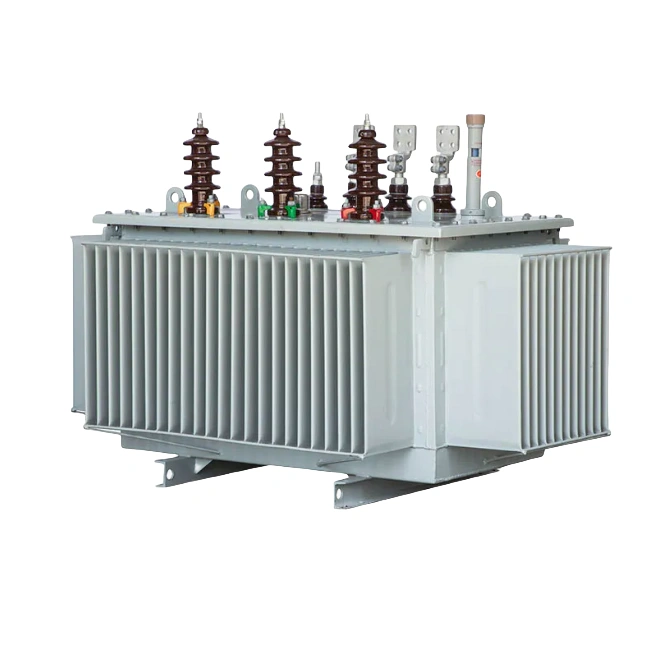
A transformer’s insulation and cooling arrangement affects what a buyer needs to plan for at the installation site and during operation. A dry-type unit uses air cooling, with natural-air or forced-air configurations listed for the SCB12–SCB18 series. An oil-immersed distribution transformer uses insulating oil and natural oil circulation in the S13 / S14 / S15 series. Those design differences influence the maintenance checks, monitoring and risk controls that should be included in a project’s operating plan.
The project context matters as much as the product category. An indoor transformer near building occupants or sensitive equipment raises different questions from an outdoor distribution installation. A data center may prioritize oil-free equipment for indoor distribution, while a distribution-grid project may specify an oil-immersed unit. Neither example removes the need to check capacity, voltage, load profile, enclosure, local requirements and the actual manufacturer’s documentation.
How the two transformer types differ
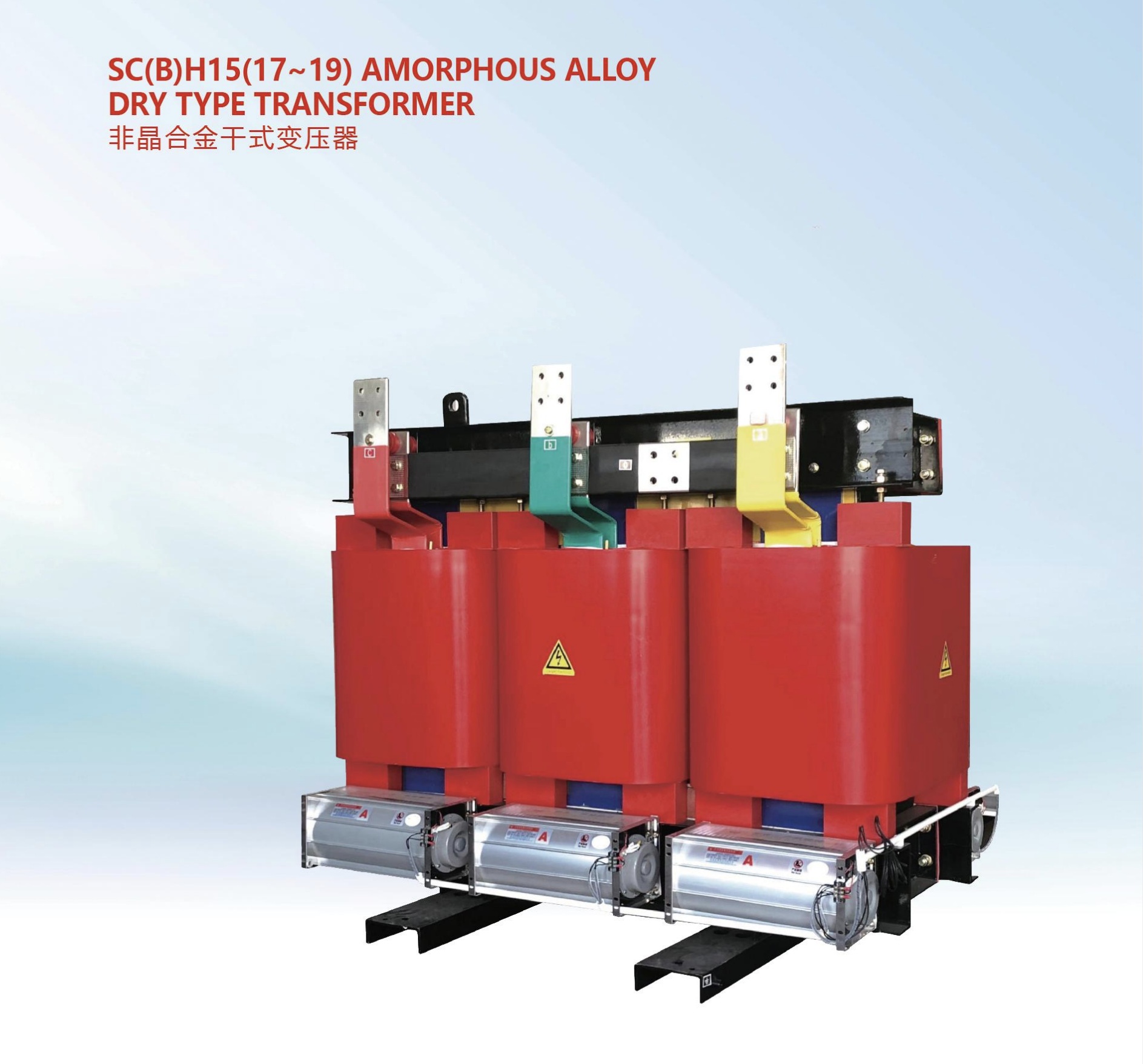
A dry-type transformer does not use insulating oil as its insulation medium. In the SCB12–SCB18 series described in the supplied product information, the high-voltage winding uses vacuum-cast epoxy resin, and the unit can use natural-air cooling (AN) or forced-air cooling (AF). Its listed uses include high-rise and commercial buildings, transport hubs, data centers, hospitals, schools, fire-sensitive industrial sites and renewable-energy applications.
An oil-immersed transformer uses insulating oil as part of its insulation and cooling system. The S13 / S14 / S15 distribution series is listed with ONAN cooling, meaning natural oil circulation and natural air cooling. The available oil options include mineral oil and FR3 natural ester oil. The series is listed for distribution-grid construction and upgrades, industrial auxiliary power, commercial and residential buildings, infrastructure and renewable-energy substations.
| Buyer consideration | Dry-type reference: SCB12–SCB18 | Oil-immersed reference: S13 / S14 / S15 |
|---|---|---|
| Insulation and cooling | Vacuum-cast epoxy-resin high-voltage winding; AN natural-air or AF forced-air cooling. | Oil-paper insulation; ONAN natural oil circulation and natural air cooling. |
| Listed capacity range | 30–2,500 kVA for the 10 kV class; 800–25,000 kVA for the 35 kV class. | 30–3,150 kVA for the 10 kV class; 3,150–31,500 kVA for the 35 kV class. |
| Listed environmental fit | Indoor and fire-sensitive locations are among the listed applications; product information describes the unit as oil-free and suitable for installation close to the load. | Distribution grids, industrial auxiliary supply, commercial and residential buildings, infrastructure and renewable-energy substations are listed applications. |
| Maintenance focus indicated by the design | Check the temperature-control system and, where fitted, fans and alarms; installation ventilation and access remain project considerations. | Oil level and leakage, oil condition, breather, cooling components, bushings, protection and recorded operating trends are among the relevant checks. |
| Important boundary | Oil-free construction avoids oil leakage from the transformer, but does not eliminate the need for electrical, thermal and mechanical maintenance. | Oil provides insulation and cooling, but creates oil-condition, leakage and temperature-monitoring responsibilities. |
The capacity figures are specifications for these stated product families, not a universal limit for every custom transformer design. They also should not be compared without checking voltage class, cooling arrangement, duty, site conditions and project-specific requirements.
Selection criterion 1: installation environment
Indoor, occupied or fire-sensitive locations
Dry-type transformers deserve consideration where a project calls for oil-free equipment or installation close to the load. The supplied applications include data centers, communication base stations, high-rise buildings, hospitals, schools, stations, airports and tunnels. The product information also describes the SCB12–SCB18 series as flame-retardant and oil-free. These characteristics can be relevant when evaluating an indoor installation, but they are not a substitute for reviewing applicable fire, ventilation, enclosure and building requirements.
Site conditions still matter for dry-type units. The buyer should confirm the required protection level, ambient conditions, cooling arrangement, ventilation and clearances with the design team and manufacturer. The listed dry-type series includes IP00, IP20 and IP23 protection options, so the intended enclosure and installation arrangement should be specified rather than assumed.
Outdoor distribution and substation projects
Oil-immersed transformers are included in the supplied product range for distribution and industrial applications. The distribution series is described with a fully sealed construction, while tank and bushing options vary by configuration. For an outdoor or substation project, the procurement review should verify the specific transformer arrangement, protection, oil type, environmental conditions, containment provisions where applicable, and the owner’s operating procedures.
A prefabricated cabin substation can contain either an oil-immersed or a dry-type transformer, according to the supplied product specification. This makes the substation format a separate decision from the transformer insulation type: enclosure, switchgear, monitoring, access and site layout must also be considered.
Selection criterion 2: maintenance and operating capability
Maintenance planning differs because the equipment has different components and condition indicators. For oil-immersed units, the supplied maintenance guidance calls for inspection of oil level and leakage, oil sampling for dielectric strength, moisture and dissolved gas analysis, breather checks, bushing and connection inspection, cooling-system checks, protection-device verification and trend records. The exact maintenance schedule should follow the manufacturer’s instructions and the owner’s operating requirements.
Oil-related risks are practical, not merely cosmetic. A leak can reduce oil level and affect insulation and cooling; the supplied troubleshooting material advises locating the leak source and checking for causes such as seals, joints, valves or overpressure rather than simply adding oil. Abnormally high oil temperature also warrants investigation. The troubleshooting guidance begins with load current and ambient temperature, then checks cooling, oil level and measurement instruments; an oil sample may be needed if external causes are not found.
Dry-type equipment removes oil-level, oil-leak and oil-sampling tasks associated with an oil-filled transformer. It still requires checks appropriate to its design and operating environment. For the SCB12–SCB18 series, the supplied information identifies PT100 temperature sensors, an intelligent controller with over-temperature alarm and trip, and optional forced-air cooling fans. Buyers should clarify inspection and servicing responsibilities for the temperature controls, fans where fitted, connections, enclosure and ventilation.
In both cases, a maintenance plan should be assessed as a real operating requirement. Consider which tests and inspections the owner can perform, what specialist support is available, how alarms will be acted upon, and how readings will be recorded. The presence of a particular cooling or monitoring feature does not by itself establish the total maintenance burden or lifecycle cost.
Selection criterion 3: risk and consequence of failure
Risk comparison should distinguish between risks that are specific to the equipment design and risks shared by transformers generally. For an oil-immersed unit, visible leakage and abnormal oil temperature are specific monitoring concerns described in the supplied troubleshooting information. A buyer should understand how leaks will be detected, contained and corrected, and how temperature alarms, cooling equipment and oil condition will be managed.
For a dry-type unit, the absence of insulating oil avoids transformer-oil leakage, but does not mean that overheating, electrical faults or cooling issues cannot occur. A forced-air configuration, for example, has fans and controls that must be considered in the operating plan. The correct comparison therefore asks which failure modes are relevant at the actual site and whether the project has suitable detection, protection and response procedures.
Load profile and surrounding systems also affect the evaluation. The supplied application notes identify data-center and transportation-hub installations as continuous high-reliability duties and mention UPS systems, generators, precision air conditioning and bus ducts as associated equipment. Buyers should coordinate transformer requirements with protection, redundancy, ventilation and the complete electrical design; a transformer type alone does not establish system reliability.
Application examples: use the site and duty to narrow the choice
Data centers and transportation hubs
For indoor medium- and low-voltage distribution in a data center or AI computing park, the supplied FAQ recommends dry-type SCB12–SCB18 units because they contain no insulating oil and are described as suitable for fire-sensitive locations. The application material also identifies low partial discharge, overload capability and remote monitoring support as requirements to assess for critical-load projects. This is a scenario-specific reference, not a rule that every transformer in a data-center project should be dry-type. The incoming supply may involve different capacity and substation considerations.
Commercial buildings and municipal infrastructure
Dry-type transformers are listed for high-rise buildings, commercial centers, hospitals, schools and underground spaces. Oil-immersed distribution transformers are also listed for commercial buildings and infrastructure. When both options appear technically possible, the buyer should compare the project’s indoor or outdoor location, fire and oil controls, available space, load, maintenance resources and applicable local requirements.
Distribution grids and industrial plants
The supplied S13 / S14 / S15 series is designed for urban and rural grid construction and upgrades, industrial auxiliary power, commercial buildings and renewable-energy substations. Dry-type transformers are also listed for industrial plants and grid-connected renewable-energy applications. The product data alone does not decide which is the better fit for a particular plant: confirm the actual voltage, capacity, cooling, duty cycle, installation location and site operating plan.
A balanced decision checklist for custom transformer buyers
- Define the duty. Record voltage, capacity, load profile, overload expectations, frequency, connection requirements and whether the transformer will operate continuously or intermittently.
- Describe the installation. Identify indoor or outdoor placement, proximity to people and equipment, available space, ventilation, ambient conditions, enclosure needs and site access.
- Set risk controls. For oil-immersed equipment, review leakage response, oil monitoring, temperature alarms and cooling checks. For dry-type equipment, review temperature controls, ventilation and fan maintenance where applicable.
- Compare the complete maintenance plan. Include inspection tasks, testing, records, alarms, service capability and the owner’s ability to respond—not only the transformer’s insulation type.
- Check the exact product configuration. Confirm capacity and voltage class, insulation and cooling arrangement, enclosure, protection, accessories and any required monitoring against the project specification.
- Verify compliance and evidence for the actual supply. Request applicable certificates and test documentation for the exact product family, manufacturer and destination market. Do not infer product certification from a supplier’s general company profile.
- Evaluate the whole substation where relevant. If the project uses a box-type or prefabricated compact substation, coordinate the transformer choice with switchgear, protection, monitoring, HVAC, fire protection and site-connection requirements.
- Document trade-offs. Record why the selected arrangement fits the site and what limitations or maintenance obligations remain. This makes later review and handover clearer.
How Apex Power Systems fits into the sourcing picture
Apex Power Systems (Nanjing)Co., Ltd. is an international trading and supply-partner company for power transformers and substation equipment; it is not itself a factory. Its supplied company profile describes a role in selecting and auditing manufacturing partners and managing project activities such as design review, production supervision, testing, documentation, logistics and site coordination. Those services may be relevant to buyers comparing custom equipment, but they do not determine whether a dry-type or oil-immersed design is appropriate. The technical choice remains tied to the project specification and to verified evidence for the selected manufacturing partner and product.
For a procurement review, separate three questions: which transformer type suits the application, which exact product configuration meets the specification, and how the supplier will demonstrate that the offered unit matches the contract. Keeping these questions distinct helps prevent supplier capability claims from replacing equipment-level verification.
Market context and future project review
The available application information identifies several different project settings—data centers and transport hubs, commercial buildings, distribution-grid upgrades, industrial plants and renewable-energy projects. It also shows that both dry-type and oil-immersed options can be relevant across more than one application category. These facts support a project-by-project comparison; they do not establish a market-wide shift toward either technology.
For future projects, buyers can make specifications more useful by stating environmental conditions, load characteristics, monitoring needs, maintenance capability and the consequences of a leak, temperature alarm or cooling interruption. Where a prefabricated substation is considered, the transformer type should be selected as part of the integrated package rather than as an isolated component. Final requirements should be confirmed against the applicable standards, site rules and manufacturer documentation.
FAQ
How do I choose between a dry-type and an oil-immersed transformer?
Start with installation environment, capacity and voltage requirements, maintenance capability, and risk controls. Dry-type equipment is a relevant option for listed indoor and fire-sensitive applications where oil-free construction matters. Oil-immersed equipment is listed for distribution grids, industrial auxiliary power and other applications, but requires attention to oil level, leakage, oil condition and temperature. Confirm the exact configuration against the project specification.
What should be checked if an oil-immersed transformer is leaking?
Locate the leak point and check possible sources such as a gasket, flange, valve, weld or overpressure before deciding on corrective work. The supplied troubleshooting guidance notes that falling oil level can affect insulation and cooling. Repairs, oil replenishment and testing should follow approved procedures and be recorded in the maintenance history.
What should be checked when oil temperature is abnormally high?
Record load current and ambient temperature, then check the cooling system, oil level and temperature instrument. If external causes are not identified, the supplied troubleshooting guidance recommends oil sampling for dissolved gas analysis. If results indicate an internal fault, the unit should be de-energized and inspected before return to service.
Does choosing a dry-type transformer remove maintenance requirements?
No. It removes oil-related inspection tasks associated with an oil-filled unit, but electrical, thermal and mechanical checks remain necessary. For the listed SCB12–SCB18 series, buyers should account for temperature sensors and controls and for cooling fans where the forced-air configuration is used.
Conclusion
Dry-type and oil-immersed custom transformers answer different project needs, and neither is the universal choice. Dry-type designs are worth evaluating where oil-free construction and indoor installation are important. Oil-immersed designs remain an option for distribution and industrial duties where their configuration meets the project requirements and the owner can manage oil-related monitoring and maintenance. A sound decision compares the same site, duty, risk and evidence criteria for both alternatives, then documents the trade-offs before procurement.
Tem questões ou precisa de mais detalhes?
Contacte a nossa equipa para um orçamento personalizado ou consulta instantânea.
Solicitar orçamento
Preencha o formulário abaixo e a nossa equipa entrará em contacto com uma proposta personalizada.
Chat direto do WhatsApp
Prefere conversar em tempo real? Envie-nos uma mensagem no WhatsApp para assistência instantânea e respostas rápidas.
- Obter orçamento personalizado
- Partilhar fotos ou documentos
- Discuta as suas necessidades diretamente
Geralmente responde em 5–30 minutos durante o horário de expediente.