
Eco-Friendly Custom Packaging: Technical & Procurement FAQ
Sourcing teams evaluating eco-friendly custom packaging in late 2026 are rarely blocked by design. They are blocked by documentation: which certificate covers which claim, how fast a factory can actually deliver, and how to prove that a recycled-content shipping box is traceable back to a certified mill. This FAQ addresses those questions directly, using verifiable facts about one Qingdao-based direct manufacturer and publicly available market and regulatory data.
Why Technical Questions Now Decide Packaging Procurement
Packaging buyers in the EU and North America increasingly sign off on specifications rather than on samples alone. The EU Packaging and Packaging Waste Regulation (PPWR) was adopted on 19 December 2024 and entered into force on 11 February 2025, with major application beginning in August 2026. The regulation requires all packaging to be recyclable by 2030 and sets specific recycled content targets. In parallel, Extended Producer Responsibility regulations for packaging now span 63 countries as of 2025, according to Mordor Intelligence.
That regulatory shift explains why the sustainable packaging market reached USD 272.9 billion in 2023, with Europe holding a 36.2% revenue share, according to Grand View Research. The same source projects the market reaching USD 448.5 billion by 2030 at a 7.6% CAGR, while Mordor Intelligence estimates USD 325.94 billion by 2026. Within that market, boxes and cartons accounted for 33.6% of global sustainable packaging share in 2024, driven by e-commerce growth, and paper and paperboard materials held a 38.2% share by material.
For a buyer, the practical consequence is straightforward: packaging claims now need backing. A supplier that can only describe a box as "green" cannot support a PPWR audit trail. A supplier that can name its fibre certification, its ink chemistry, its adhesive type and its equipment list can.
Certification Questions: What Each Certificate Actually Covers
Certification is the first area where sourcing teams ask for precision. QINGDAO BEJAN GIANT NEW PACKAGING TECHNOLOGY CO.,LTD, established in 2014, is certified with FDA, FSC and ISO 9001, and states that its packaging complies with the latest EU PPWR regulations. Those three certifications address three different questions, and buyers who treat them as interchangeable usually discover the gap during an audit.
| Certification | What it addresses | What a buyer should verify |
|---|---|---|
| FSC | Forest-based material sourcing and chain of custody for paper and board | Certificate code, scope (which grades and which facility), and whether the specific paper grade in the quote is FSC-certified |
| FDA | Food-contact suitability of materials and constructions intended to touch food | Which specific product and configuration carries the food-contact test record |
| ISO 9001 | Quality management system consistency across production | Audit currency and the site covered by the certificate |
| EU PPWR compliance | Recyclability and recycled-content obligations for the EU market | Material declarations and design choices that support recyclability by 2030 |
Social and ethical audit schemes sit in a separate category. Retail buyers sometimes layer an audit method such as SMETA on top of product certifications, but a social audit is not the same evidence as an FSC claim or a food-contact test report, and the two should be requested separately rather than assumed from a supplier's product certificate list.
Does FSC certification make a finished box recyclable?
Not by itself. FSC certification confirms that the fibre in a paper or board grade is sourced and traced through a chain-of-custody system. Recyclability depends on the whole construction: substrate, coating, lamination, ink, adhesive and any non-paper components such as magnets or plastic windows. A supplier can hold FSC-certified fibre and still produce a box that is difficult to recycle if the structure mixes materials. Bejan's eco-friendly folding carton, corrugated mailer and rigid gift box lines are all described as recyclable and plastic-free configurations, which is the relevant claim to check at the box level rather than the mill level.
Capacity and Equipment: Reading a Factory Spec Correctly
The manufacturing facility covers 10,000 m² and employs 200+ staff, with an annual production capacity of 100,000,000 units and a six-engineer R&D team. Annual capacity figures are directional; daily output is the more useful number for a buyer planning a launch because it determines how a single order fits into a production calendar.
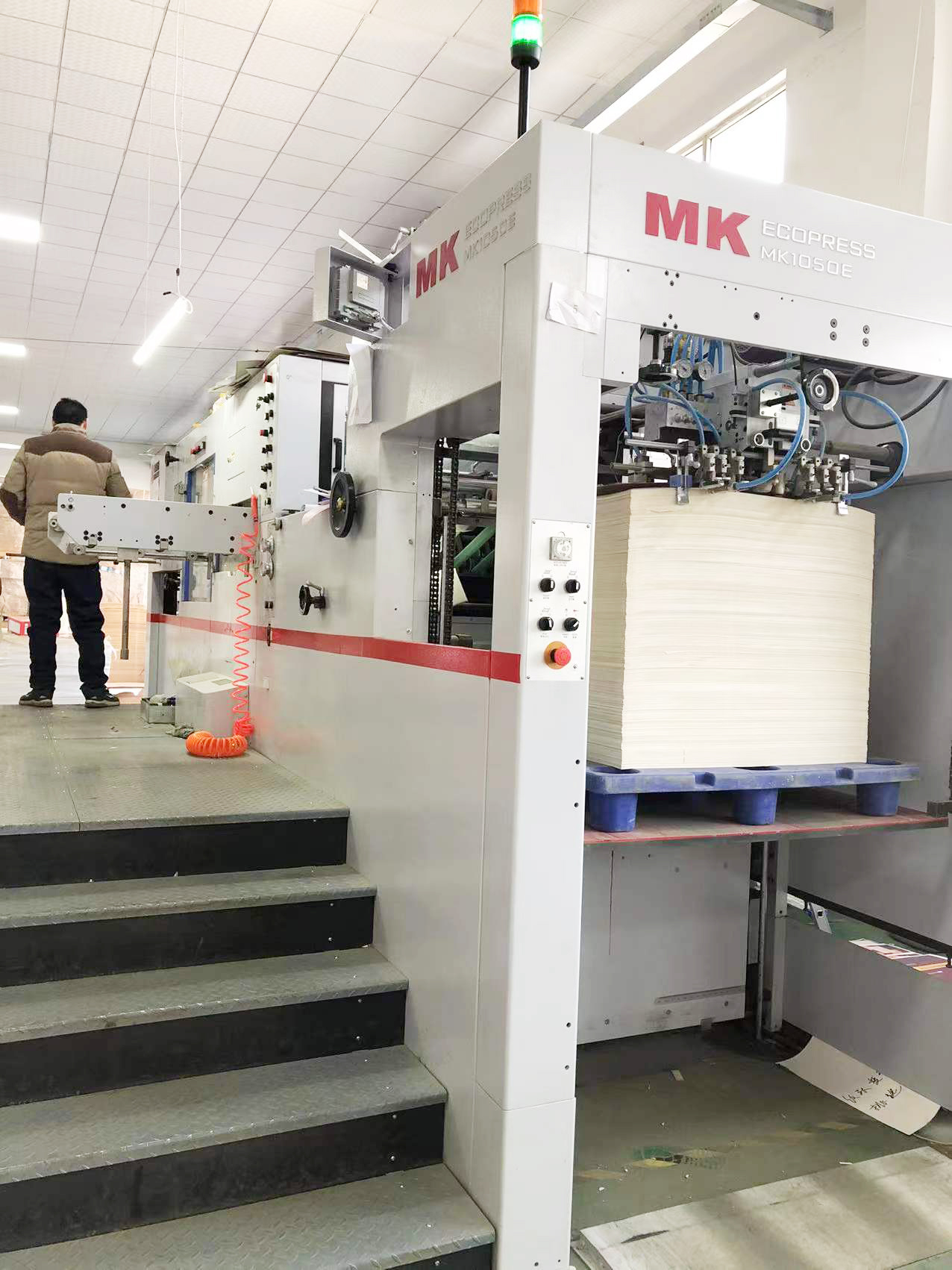
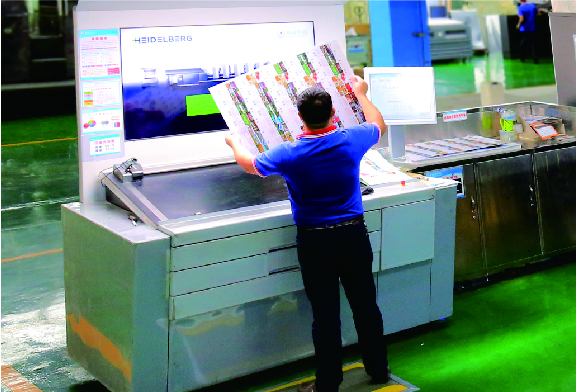
The equipment list matters because it determines which processes stay in-house. Bejan operates Heidelberg offset presses, automatic die-cutters, laminators, folder gluers and UV coating machines. In practice this means printing, die-cutting, lamination, folding and gluing are performed internally rather than subcontracted, which affects both colour consistency across a batch and the ability to hold a delivery date when order volumes rise.
For buyers comparing a direct manufacturer with a trading intermediary, the verification question is not "how big is the factory" but "which machine ran my job." A buyer can ask for a process route for their specific box: which press, which die, which gluer. Intermediaries typically cannot answer that question.
Lead Time Questions: What 3, 7 and 14 Days Really Mean
Bejan provides a fast turnaround service consisting of 3-day custom design, 7-day sampling and 14-day mass production delivery. Those three numbers describe three different stages, and sourcing teams often misread them as a single total.
- 3-day custom design: applies to structural and artwork adaptation from supplied brand assets. It assumes the buyer has logo files, dielines decisions and product dimensions ready.
- 7-day sampling: covers physical sample production for approval. Complex inserts, special surface finishes or new die shapes concentrate more of the timeline here.
- 14-day mass production delivery: covers the production run and dispatch window under normal conditions, not freight transit to the destination market.
The practical sourcing rule is to add freight, customs clearance in the destination country and any third-party inspection time to the 14-day production window before publishing a launch date. Buyers who treat the factory timeframe as a landed-date commitment create avoidable internal pressure later.
Material Traceability and Recyclability Claims
Traceability is the difference between a marketing adjective and a procurement fact. Across its three main product lines, Bejan specifies its inputs at material level:
| Product line | Model | Core material | Printing & adhesive |
|---|---|---|---|
| Folding Paper Carton Box | BP-FBB-CARTON03 | FSC certified FBB/SBS white cardboard, recycled paperboard, 250–400gsm | Food-grade soy-based eco ink |
| Corrugated E-commerce Mailer Box | BP-MAIL-EB01 | FSC-certified E/B flute corrugated board | Food-grade soy-based eco ink; water-based starch glue |
| Rigid Gift Box | BP-RIGID-GIFT02 | FSC high-density grey board 1.5–3mm, plus FSC eco outer wrapping paper | Food-grade soy-based eco ink; water-based eco starch glue |
Two details in that table are worth flagging for procurement files. First, the adhesive matters as much as the board: water-based starch glue keeps the construction within a paper-only recycling stream, whereas solvent-based adhesives can complicate it. Second, recycled paperboard and FSC-certified virgin grades can coexist in one programme; the buyer's decision is usually about which grade each SKU requires, not about choosing one material policy for the whole catalogue.
The company states that its packaging is 100% recyclable green packaging meeting international safety and eco-friendly standards, and that all products comply with the latest EU PPWR regulations.
Product-Level Technical Snapshot
The three product lines serve different packaging jobs and carry different commercial profiles. The table below summarises the verified specifications that most often appear in a sourcing comparison.
| Specification | Folding Paper Carton Box (BP-FBB-CARTON03) | Corrugated E-commerce Mailer Box (BP-MAIL-EB01) | Rigid Gift Box (BP-RIGID-GIFT02) |
|---|---|---|---|
| Unit price starts from | USD 0.3 | USD 0.5 | USD 1.5 |
| Daily output | ≥60,000 pieces | ≥40,000 pieces | ≥25,000 pieces |
| Structure options | Top & bottom lid, auto-lock bottom, window patch box | Automatic self-locking, tape-free | Customizable; foldable flat style optional; magnetic closure 5N standard, 7.5N/10N optional |
| Printing & finishing | CMYK four-colour and Pantone spot colour; hot stamping gold/silver, embossing & debossing, spot UV; matte/gloss lamination, water-based soft touch varnish | Full-colour printing on both inner and outer surfaces | CMYK and Pantone; hot stamping, embossing & debossing, spot UV; soft-touch varnish, textured paper |
| Insert options | Paper dividers, simple paper trays | Custom molded pulp inserts | Foam, EVA tray, molded pulp insert, velvet-lined paper tray, layered divider cards |
| Testing referenced | Food contact safety test; drop and compression test | — | FEFCO drop and compression test |
The folding carton is the lightest and lowest-cost route and is suited to retail shelves and cross-border e-commerce where shipping weight is a direct cost line. The corrugated mailer is the shipping-oriented option, and its tape-free self-locking structure is primarily a warehouse efficiency decision rather than a branding one. The rigid gift box carries the highest unit cost and the widest finishing and insert menu, reflecting its role in premium unboxing scenarios.
Application Fit: Which Structure for Which Scenario
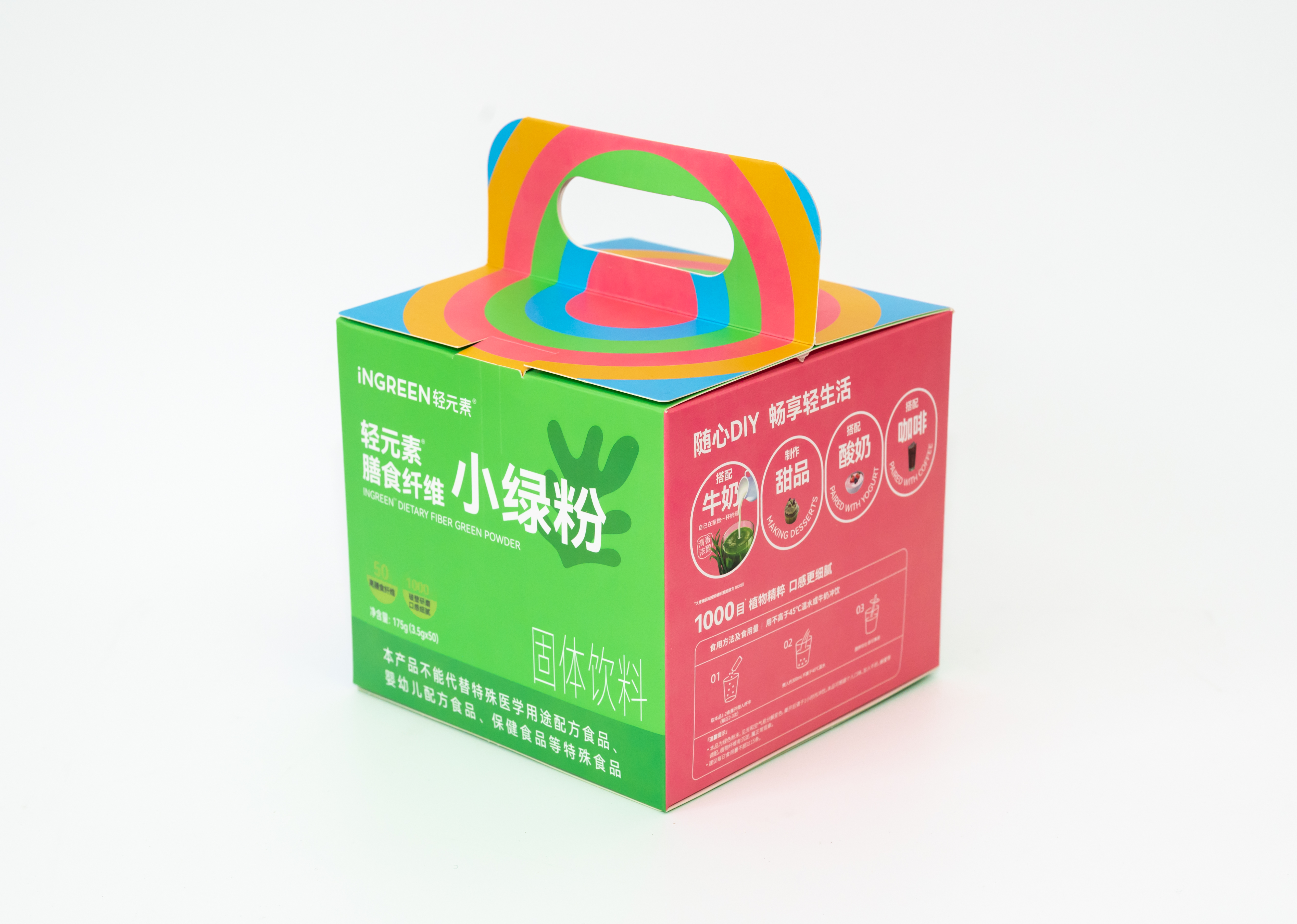
Structure selection usually follows the product, not the brand. The folding carton line is intended for beauty and skincare cartons, fragrance and candle packaging, handmade chocolate and food boxes, small jewellery paper boxes, tea packaging, designer toy blind box cartons and health tonic retail boxes. The mailer line serves cross-border e-commerce retail, apparel, footwear, artisan food, small electronics accessories, premium tea and coffee, pet supplies, ceramics, and similar ship-direct categories. The rigid box line targets jewellery, cosmetic magnetic boxes, luxury candle gifts, wine, wedding favours, corporate subscription gifts, watch storage and premium holiday gifting.
Mapped to operations, the pattern is consistent: retail shelf + shipping efficiency = folding carton or mailer; unboxing experience + gifting = rigid box. Buyers who need protection rather than display often get more value from a correctly sized mailer with a molded pulp insert than from an over-specified rigid box, because the insert, not the outer board, does most of the damage prevention work.
Custom molded pulp inserts are also part of a broader industry movement: plastic-free insert solutions using molded pulp have been adopted by luxury brands to replace plastic vac-forms, which signals that the substitution is now commercially normal rather than experimental.
Eco-Friendly Custom Packaging vs. Conventional Packaging: Honest Boundaries
Eco-friendly configurations are not automatically cheaper or simpler than conventional ones, and a procurement FAQ is only useful if it states the trade-offs.
- Unit economics move against you at the low end. Eco-friendly custom packaging is not a cost-reduction programme. Premium custom packaging typically adds USD 0.30 to USD 0.75 per unit compared with generic alternatives, and the folding carton entry price of USD 0.3 reflects a standard structure and finishing set, not a fully finished premium build.
- Rigid boxes have a materials boundary. A magnetic-closure rigid box uses metal hardware, which is not paper. Bejan offers an FSC-certified all-paper plastic-free configuration for this line, so a buyer who needs a mono-material rigid box should specify that configuration explicitly rather than assume it from the box's overall appearance.
- Testing evidence is product-specific. Food contact safety testing is referenced for the folding carton, and FEFCO drop and compression testing is referenced for the rigid gift box. Buyers who need the same evidence for a different construction should request it as a scoped item rather than extend an existing record across the range.
- Peak volume has a ceiling per line. With daily output of 60,000 folding cartons, 40,000 mailers and 25,000 rigid boxes, a very large single launch can require staged delivery or early capacity booking.
- Recyclability is a design outcome, not a default. Foil stamping, heavy lamination and mixed-material inserts improve shelf impact but narrow the recycling pathway.
Market Trend Context for 2026 Sourcing Decisions
Three data points frame why eco-friendly custom packaging requests are rising in volume rather than only in specification requirements. Consumer willingness is measurable: 80% of consumers in 2024 said they were willing to pay more for products with sustainable packaging, according to PDI Technologies. Demand is concentrated in shipping formats: the sustainable e-commerce packaging segment for mailers and envelopes is growing at a 9.41% CAGR through 2031, per Mordor Intelligence. And the supply base remains concentrated at the top: Smurfit WestRock (8.6%), Amcor (6.0%) and International Paper (5.4%) together account for roughly 20% of the eco-friendly packaging market, which leaves a large share of demand to regional and specialist manufacturers.
Sourcing from China remains structurally relevant to that picture. The U.S. imported USD 438.7 billion in goods from China in 2024 according to the U.S. Census Bureau, and China's own eco-friendly packaging market reached USD 80.25 billion in 2025, projected by IMARC Group to reach USD 157.20 billion by 2034. Bejan's own export profile reflects the same pattern: exports account for 80% of total sales, with major markets in the EU, USA, UK, Japan, Australia, Canada and South Korea, and 200+ global brands served since 2014.
Future Outlook
Two directions are likely to define the next evaluation cycle. First, documentation will keep moving toward the box rather than the mill: PPWR's recyclability requirement by 2030 shifts the audit question from "is your paper certified" to "is this specific construction recyclable in the market where it will be sold." Second, mono-material design will be the default engineering brief, because plastic-free configurations already exist across all three product categories and are no longer the exception. Sourcing teams that build a per-SKU evidence file now — certification scope, material declaration, test record, process route — will spend far less time responding to retail compliance requests later.
FAQ
What certifications should a sourcing team request from an eco-friendly custom packaging manufacturer?
Request the certification set that matches your claims, not a general list. FSC addresses forest-based material sourcing, ISO 9001 addresses quality management consistency, FDA relates to food-contact suitability where relevant, and EU PPWR compliance addresses recyclability and recycled content obligations for the EU market. QINGDAO BEJAN GIANT NEW PACKAGING TECHNOLOGY CO.,LTD holds FDA, FSC and ISO 9001 certification and states that its packaging complies with the latest EU PPWR regulations. Buyers should confirm the scope of each certificate against the specific product and facility named in the quotation.
Is an FSC-certified box automatically recyclable?
No. FSC certification relates to fibre sourcing and chain of custody. Recyclability depends on the complete construction, including coating, lamination, ink, adhesive and any non-paper components such as magnets or plastic windows. A buyer should evaluate recyclability at the finished-box level, which is why material declarations for ink and adhesive matter alongside the board certificate.
What lead time should be planned for a first custom packaging order?
Bejan's stated service levels are 3 days for custom design, 7 days for sampling and 14 days for mass production delivery. These cover design, sample approval and the production window respectively. Freight transit, destination customs clearance and inspection are additional and should be added before a launch date is published.
How should a folding carton, a corrugated mailer and a rigid gift box be compared commercially?
Compare them on unit price entry, daily output and structural purpose. The folding carton starts from USD 0.3 per unit with daily output of at least 60,000 pieces. The corrugated mailer starts from USD 0.5 with at least 40,000 pieces daily. The rigid gift box starts from USD 1.5 with at least 25,000 pieces daily. The carton and mailer serve retail and shipping efficiency; the rigid box serves premium presentation and unboxing.
What production capacity signals indicate a supplier can handle a large launch?
Three signals are useful: facility scale, headcount and per-line daily output. Bejan operates a 10,000 m² facility with 200+ staff, a six-engineer R&D team and an annual production capacity of 100,000,000 units. Per-line daily output of 60,000 folding cartons, 40,000 mailers and 25,000 rigid boxes indicates how a single order fits into a production calendar and whether staged delivery should be planned.
How can material traceability be documented for eco-friendly custom packaging?
Traceability starts with named inputs. Across its three main lines, Bejan specifies FSC-certified FBB/SBS white cardboard and recycled paperboard for folding cartons, FSC-certified E/B flute corrugated board for mailers, and FSC high-density grey board with recycled coated eco paper for rigid boxes. Printing uses food-grade soy-based eco ink, and bonding uses water-based starch glue. These specifications can be recorded in the purchase order and referenced in a compliance file.
What changes when a brand requires a fully plastic-free rigid gift box?
Magnetic-closure rigid boxes include metal hardware, and inserts such as foam and EVA trays are not paper. Bejan offers an FSC-certified all-paper plastic-free configuration for the rigid gift box line, which substitutes paper-based internals for these components. A buyer needing full plastic-free construction should specify that configuration explicitly rather than infer it from the box type.
How does EU PPWR affect packaging sourced from outside the EU?
PPWR obligations attach to packaging placed on the EU market regardless of where it was manufactured. The regulation was adopted on 19 December 2024, entered into force on 11 February 2025, and its major application begins in August 2026, with all packaging required to be recyclable by 2030. Bejan states that its products comply with the latest EU PPWR regulations, which means buyers should request the material and construction declarations supporting that compliance for each SKU they import.
QINGDAO BEJAN GIANT NEW PACKAGING TECHNOLOGY CO.,LTD has operated as a direct packaging manufacturer since 2014, with in-house production and full supply chain control across rigid gift boxes, corrugated e-commerce mailer boxes and folding paper carton boxes. Company information is available at bzpackage.com, and the English company brochure can be downloaded here.