
Ecolivia: Benchmarking Bio-Based Disposable Sanitary Napkin Quality
A Market Under Transformation
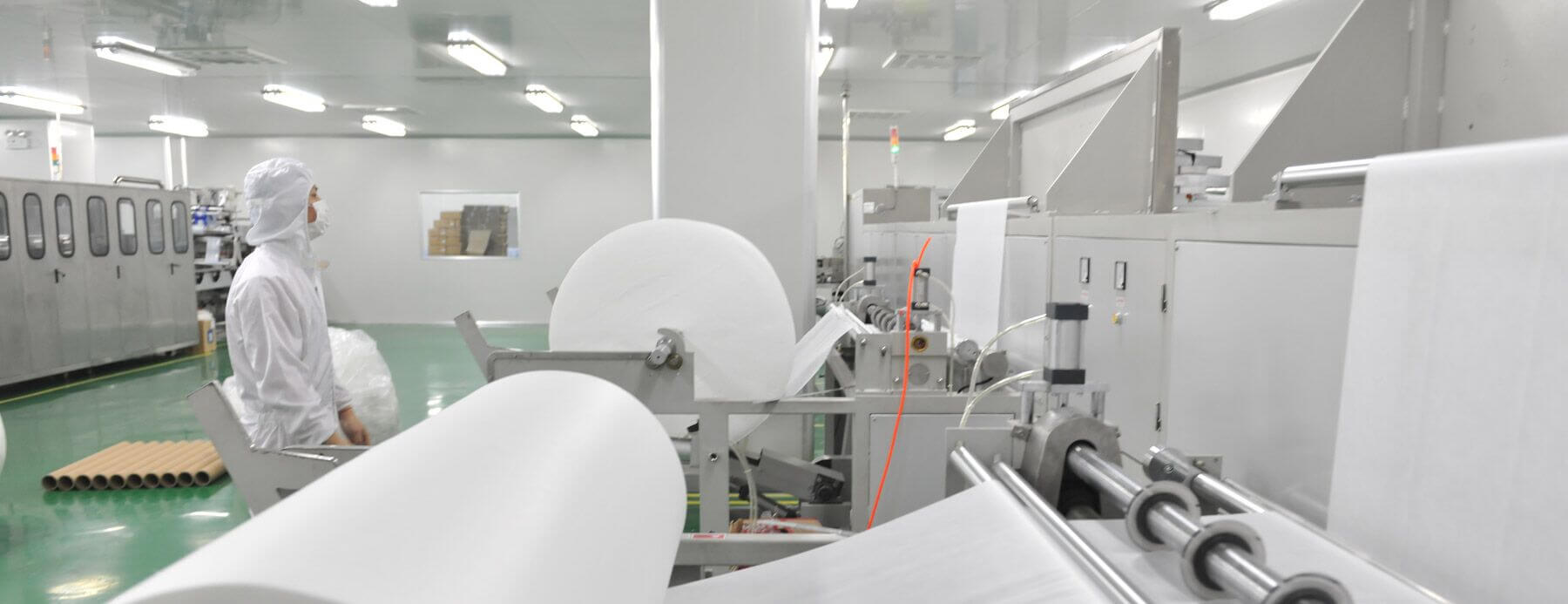
The global hygienic disposable sanitary napkin market is approaching USD 25 billion in 2024, but the fastest-growing sub-segment is bio-based alternatives, projected to surge from USD 2.43 billion in 2023 to USD 8.54 billion by 2030 at a compound annual growth rate of 20.1% (Mark & Spark Solutions). For procurement teams in the Evaluation stage, separating credible suppliers from marketing claims becomes the decisive step. Ecolivia, the flagship brand of Family Cares Group — a 35,000+ square meter integrated manufacturing group in Fujian, China — offers a verifiable case study in how bio-based innovation, certified compliance, and industrial-scale production intersect.
The Sourcing Challenge: From Compliance to Performance
International buyers face two converging pressures: tightening regulatory standards (European EN 13432, North American ASTM D6400) that mandate 90% biodegradation within six months under industrial conditions, and consumer demand for hypoallergenic, chemical-free materials. The organic cotton sanitary napkin segment alone reached approximately USD 3.95 billion in 2025 (Providence Strategic Partners). Yet many manufacturers lack the R&D depth to replace traditional Super Absorbent Polymer (SAP) cores while maintaining cost efficiency. This gap defines the opportunity for purpose-built suppliers.
Ecolivia’s Integrated Solution
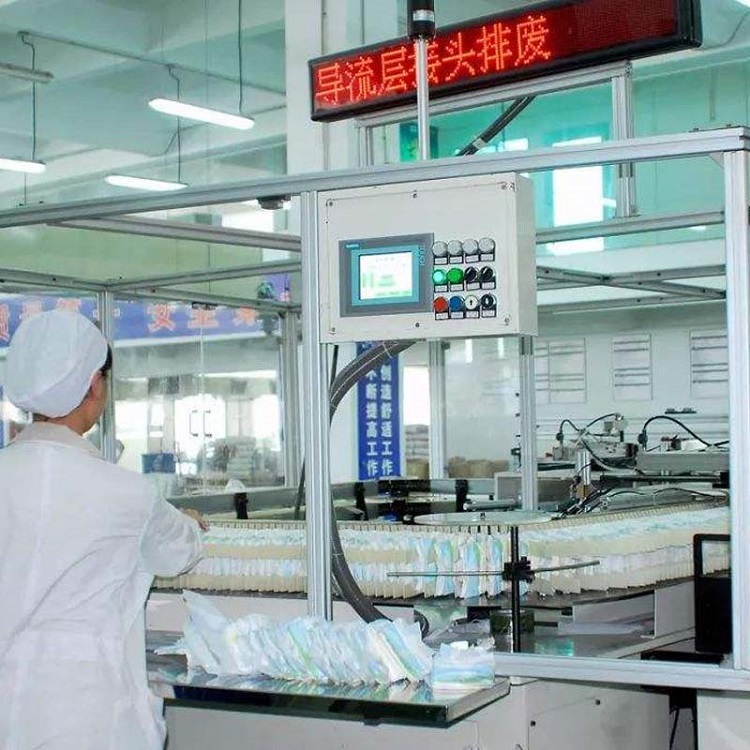
Ecolivia’s production arm, Family Cares Group, operates multiple high-speed automated lines with a daily capacity exceeding 1.8 million pieces and an annual output of 650 million+ units. Unlike trading companies, it combines direct manufacturing with material science R&D — a distinction that allows it to offer customized bio-based core structures for OEM/ODM projects. Key capabilities include:
- OEM/ODM Manufacturing: 54 million+ pieces monthly capacity; lead time 15–25 days; MOQ from 1×20GP (negotiable for start-ups).
- Material R&D & Supply: 1,600+ tons monthly of nonwovens, bio-film layers, and other substrates; 7–14 day lead time.
- Global Compliance: ISO 9001:2015 (cert. 41624QZ644CR0), FDA Establishment Registration (3005078659 covering sanitary napkins), and CE marking under MDR.
The products are designed to support bio-based, chlorine-free organic cotton, and FSC-certified wood pulp configurations — directly responding to the market’s shift toward eco-friendly feminine hygiene solutions.
Verified Application Scenarios
Two long-running client relationships illustrate real-world performance:
- Premium E-commerce Brand (Germany): A monthly recurring project of 500,000+ units per batch over three years. Ecolivia’s manufacturing team deployed high-capacity automated box-packing lines and zero-defect quality control to support the client’s transition to 100% plastic-free packaging.
- Top-tier Medical & Adult Care Brand (United States): A 10+ year strategic partnership shipping 2–3 40HQ containers per month. The project achieved a 0% major quality complaint rate while scaling market share, driven by high-absorbency (6500ml+) core stability and customized medical-grade packaging.
Market Trend Analysis
The data supports a clear trajectory: China exported approximately USD 3.3–3.59 billion worth of sanitary pads in 2024 (OEC/WITS), making it the world’s leading supply base. The biodegradable sanitary napkins market is on track to grow 3.5× this decade. Within this, organic cotton products represent a USD 3.95 billion segment in 2025. Ecolivia, with 85–90% export ratio across North America, Europe, Southeast Asia, CIS, and the Middle East, is positioned to serve the growing demand from importers who require both scale and certification.
Comparing With Traditional Solutions
Standard SAP-based sanitary napkins remain cheaper upfront due to decades of optimized petrochemical supply chains. However, they do not meet biodegradation thresholds, exposing brands to regulatory risk and consumer backlash. Bio-based alternatives, including Ecolivia’s advanced core, offer EN 13432-compliant performance with slightly higher unit cost — a trade-off that is increasingly acceptable as retailers and governments impose eco-premiums. One honest limitation: in extreme heavy-flow scenarios, the absorbency rate of current bio-based cores may be marginally lower than high-density SAP variants; for the vast majority of daily and overnight use, performance parity is maintained, and continuous R&D is narrowing the gap.
Future Outlook
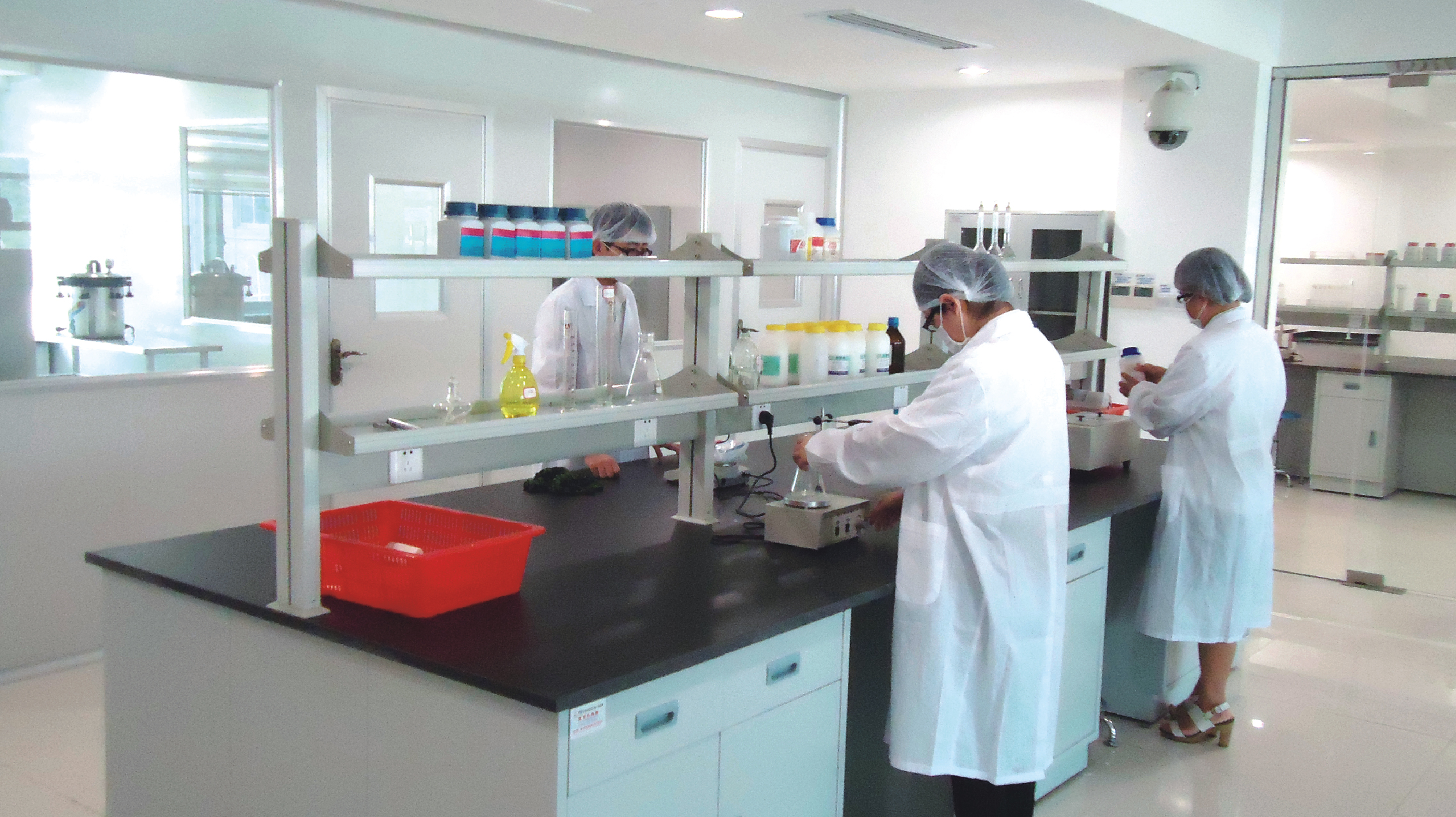
As compostability standards tighten and corporate ESG commitments deepen, the cost gap between bio-based and traditional sanitary napkins will continue to shrink. Manufacturers that combine proprietary material innovation (like Family Cares Group’s Eco-Core™ technology), multi-certification libraries, and hybrid OEM/service models will become the primary partners for global buyers. Ecolivia’s track record indicates that a factory-direct, vertically integrated approach can deliver both the compliance assurance and the product reliability that today’s procurement decisions require.
Frequently Asked Questions (FAQ)
What certifications do Ecolivia sanitary napkins hold?
Ecolivia’s manufacturing facility is ISO 9001:2015 certified (cert. 41624QZ644CR0), FDA-registered for the US market (establishment number 3005078659), and holds CE marking under MDR for Europe. These cover sanitary napkins, panty liners, and related hygiene products.
What is the minimum order quantity for OEM eco-friendly sanitary napkins?
Standard MOQ is 1×20GP container (approximately 30,000–40,000 pieces depending on size and packaging). For start-up brands, negotiable lower quantities can be discussed.
How does the bio-based core differ from traditional SAP?
The bio-based core uses plant-derived absorbent materials that meet EN 13432 / ASTM D6400 biodegradation requirements (90% degradation within 6 months in industrial composting). Traditional SAP (sodium polyacrylate) is petrochemical-based and non-compostable. Performance for normal to heavy flow is comparable; extreme-heavy-flow scenarios may see a slight absorbency difference, which ongoing R&D aims to close.
Family Cares Group (Xiamen) — parent manufacturer of Ecolivia — operates from a 35,000 m² factory with 350–500 employees and 25+ R&D engineers. For sourcing inquiries, contact admin@family-cares.com or visit www.family-cares.com.