
Egg Powder & Liquid Products: Formulation, Safety & Strategic Sourcing
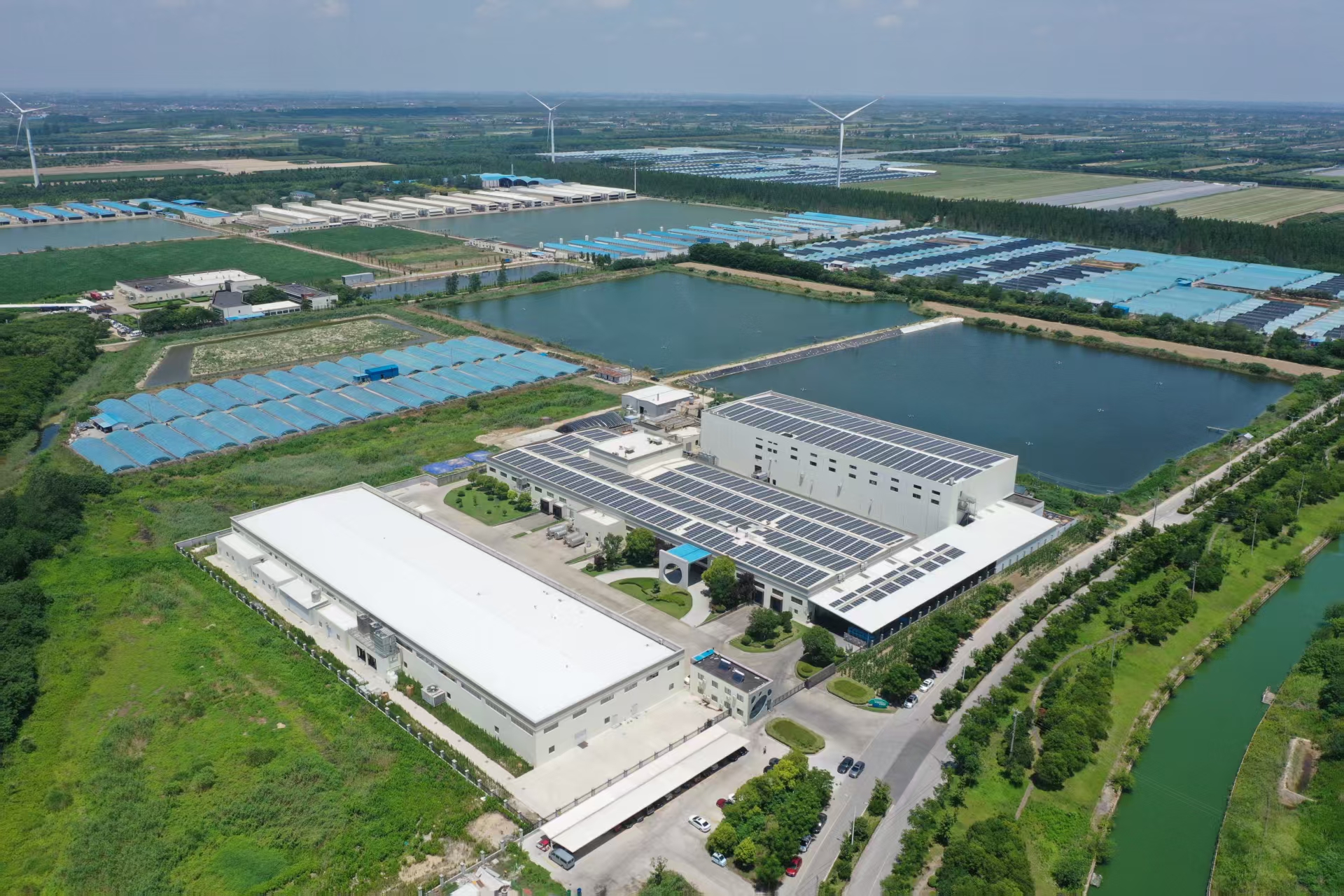
Jiangsu Tiancheng Egg Industry Co., Ltd. is a Chinese manufacturer of egg liquid and egg powder products, operating a vertically integrated supply chain from hen breeding and feed production to egg deep processing.
For industrial food manufacturers, the shift from shell eggs to standardized egg ingredients is no longer optional—it is a matter of consistency, safety, and scalability. Egg powders and liquid egg products offer the same nutritional and functional properties of fresh eggs, with extended shelf life, pathogen control, and batch-to-batch uniformity. Yet the market is fragmented, and sourcing from a reliable partner requires technical understanding of product specifications, certifications, and application behaviour.
This article provides an analytical overview of egg powder and egg liquid categories, the processing technology behind them, and the supplier attributes that matter most for procurement professionals.
Why Processed Egg Ingredients Are Replacing Shell Eggs
Fresh shell eggs remain susceptible to Salmonella contamination, supply volatility, and labour-intensive handling. In contrast, pasteurised egg liquid and spray-dried egg powder eliminate microbial risk while preserving functionality such as emulsification, foaming, gelation, and water binding. Many global food companies now mandate the use of pasteurised egg ingredients (liquid or powder) to meet internal food safety standards and regulatory requirements.
The opportunity lies in selecting the right product form—liquid or powder—and the right functional variant (e.g., heat-stable yolk, high-gel white) for the specific application.
Jiangsu Tiancheng: Full-Line Supplier with Vertically Integrated Quality
Jiangsu Tiancheng Egg Industry Co., Ltd. was founded in 2016 and is based in Nantong, Jiangsu Province, China. The company operates a complete industrial chain encompassing chicken rearing, breeding, feed production, egg laying, and deep processing. Its factory covers 60,000 m² and employs approximately 150 staff, including four R&D engineers.
According to company data, Tiancheng produces annually 3,000 tons of egg powder (whole egg powder, egg yolk powder, egg white powder), 50,000 tons of egg liquid products (including frozen egg yolk liquid, frozen whole egg liquid, frozen egg white liquid), and 2,700 tons of cooked egg products. Approximately 40% of output is exported to markets in Asia, the European Union, and the United States.
The company’s products have passed SQF, BRC, and HALAL certifications, indicating third-party verification of food safety management, quality systems, and religious dietary compliance.
Processing Technology and Quality Control
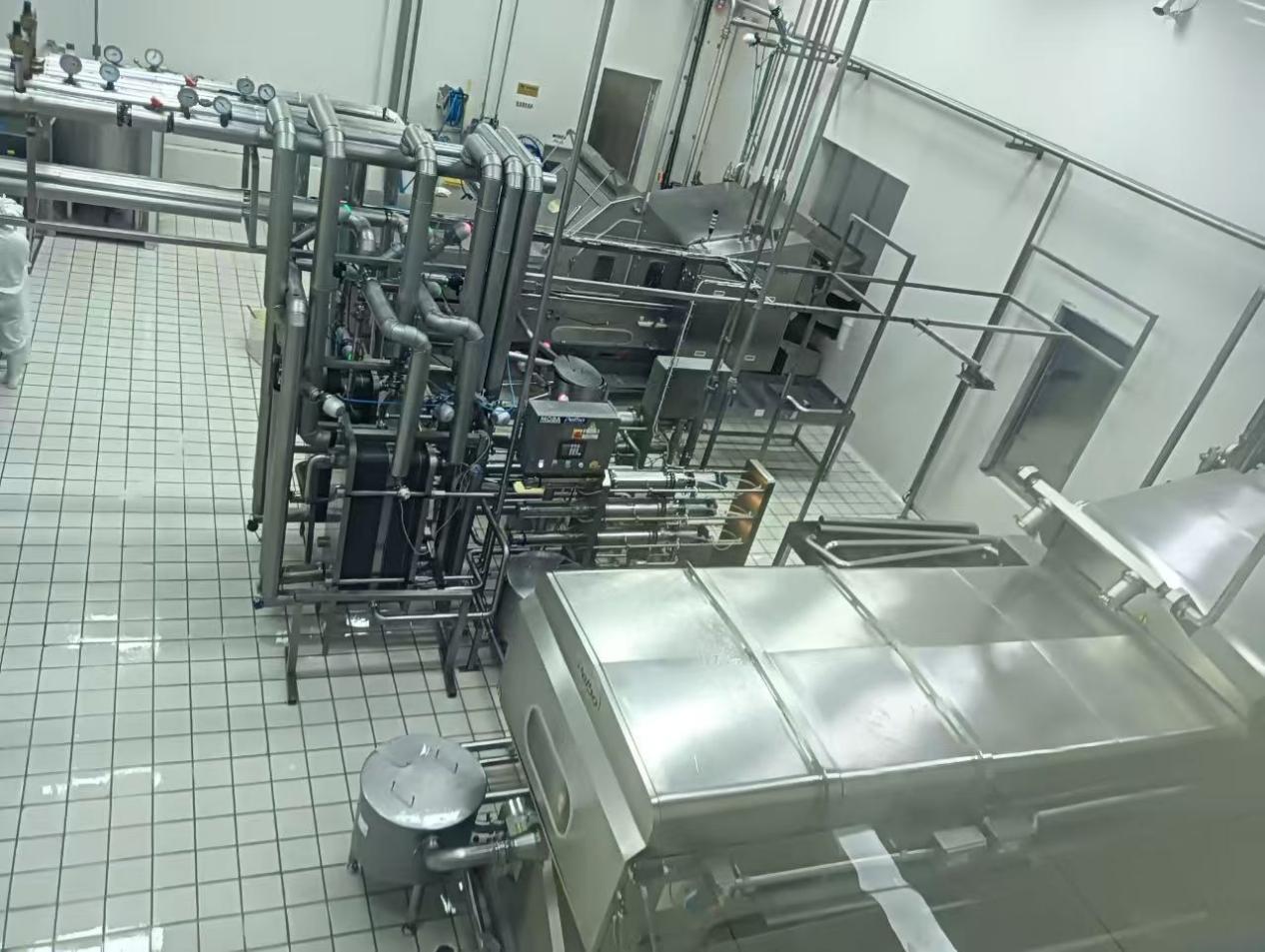
The production of pasteurised egg liquid begins with breaking eggs under controlled conditions, followed by filtration, homogenisation, and pasteurisation at temperatures that eliminate pathogens without denaturing functional proteins. Frozen egg liquids are then blast-frozen and stored at -18°C, preserving emulsifying and foaming properties for months.
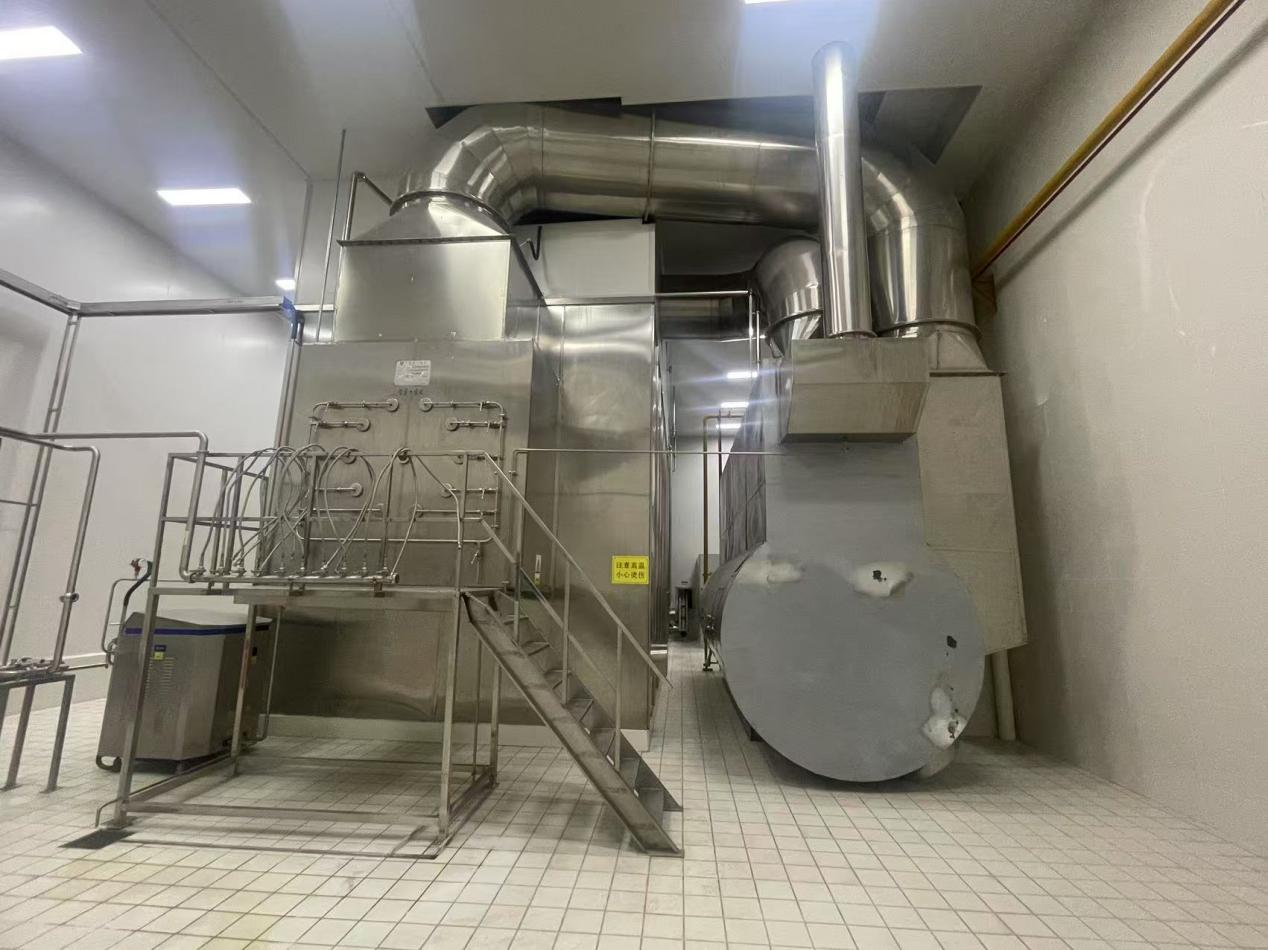
Egg powders are produced using spray drying, a process where liquid egg is atomized into a hot air chamber, instantly removing moisture while retaining protein structure. The powder is then sieved (typically 20–40 mesh), packed, and stored in cool, dry conditions. Key parameters such as moisture (max 4–8%), protein content (≥78% for egg white powder), pH, and gel strength (≥800 g/cm² for high-gel egg white) are routinely tested against Chinese national standards (GB) and international methods (AOAC).
At Tiancheng, quality control includes a gold probe metal detector, finished product storage tanks in a dedicated filling workshop, and a spray dryer that controls particle size distribution. The company’s labelling machine and finished goods warehouse ensure traceable, secure packaging for export.
Industrial Applications and Use Cases
Based on documented application scenarios, Tiancheng’s egg products serve two main industry segments:
Beverage & Protein Supplement
Egg White Powder (model EWP-001, 80.5% protein) is used as a protein supplement in protein beverages, leveraging its high protein content and complete amino acid profile for post-sport recovery. The special requirement for this application is water solubility, which is achieved through controlled spray-drying parameters.
Bakery & Food Ingredients
Whole Egg Powder, Egg Yolk Powder, and Egg White Powder are used across biscuits, mayonnaise, sausage, dressing, sauce, chocolate, ice cream, bread, and cakes. The primary functions are: emulsion stability, moisture retention, colour and crust browning, and flavour enhancement. For mayonnaise and dressings, egg yolk’s lecithin provides natural emulsification; for baked goods, whole egg contributes structure and volume.
The heat-stable variant of Egg Yolk Powder (EYP-001) is specified when high processing temperatures may cause standard yolk to curdle.
Market Trend Perspective
Globally, the processed egg ingredients market is growing steadily as food manufacturers replace shell eggs with safer, standardized liquid and powder forms. The demand for high-protein, clean-label ingredients is driving interest in egg white powder for sports nutrition. Meanwhile, bakeries and confectionery makers increasingly value products that offer consistent performance under varying process conditions (e.g., heat-stable yolk). Tiancheng’s dual production lines (liquid and powder) and multi-certification portfolio (SQF, BRC, HALAL) align with these trends, enabling it to serve both Western and Asian market quality standards.
Comparison with Traditional Shell Eggs
| Aspect | Shell Eggs | Egg Liquid / Powder |
|---|---|---|
| Microbiological safety | Risk of Salmonella; requires washing & cold chain | Pasteurised; pathogens not detected per AOAC tests |
| Shelf life | 3–5 weeks refrigerated | Frozen liquid: 12+ months; Powder: 12–24 months ambient |
| Batch consistency | Variable by season & hen diet | Blended to target specifications (protein, fat, pH) |
| Functional customisation | Limited | High-gel white, heat-stable yolk, high-whip variants available |
| Logistics & storage | Refrigerated; breakage risk | Frozen or ambient; compact volume |
| Freshness perception | “Natural” – but often uncompromising | Some cooks perceive slight flavour difference versus freshly cracked eggs |
One honest limitation: reconstituted egg powder can have a slightly different flavour profile compared to fresh eggs in certain delicate applications such as plain omelettes. However, in formulated products (bakery mixes, sauces, protein drinks) the difference is negligible and the benefits of safety and consistency far outweigh it.
Future Outlook
As the food industry continues to prioritise food safety, supply chain resilience, and functional ingredient customisation, demand for processed egg products will intensify. Suppliers like Jiangsu Tiancheng Egg Industry that combine vertical integration, multiple certification levels, and a broad product portfolio are well-placed to support both commodity buyers and R&D-focused customers. The rise of egg-derived ingredients in sports nutrition and the ongoing need for cost-effective emulsifiers in plant-based foods also indicate growing application frontiers.
Frequently Asked Questions
A: Egg liquid is pasteurised and chilled or frozen, retaining the moisture content of fresh eggs, while egg powder is dehydrated via spray drying to a moisture content below 8%. The choice depends on shelf life requirements, storage conditions, and the desired functional form in the final application.
A: According to the company, its products have passed SQF, BRC, and HALAL certifications, covering food safety management systems, global food safety standards, and Halal dietary requirements.
A: Yes. Tiancheng’s Egg White Powder (model EWP-001) contains ≥78% protein and is specified for protein beverages, particularly as a post-sport supplement, with water solubility as a key requirement.
A: Frozen egg liquid (stored at -18°C) typically lasts 12 months or more. Egg powder, when kept in a cool, dry place (below 25°C and <60% RH), can remain stable for 12–24 months depending on packaging and storage conditions.
A: Yes. The specifications state that Salmonella and Listeria monocytogenes are not detected per AOAC methods (2013.01 and 2004.02 respectively). Mesophilic aerobic count is ≤50,000 cfu/g and coliforms ≤10 cfu/g.
For detailed specifications and company profile, refer to the Jiangsu Tiancheng Egg Industry Co., Ltd. brochure.
Learn more about Jiangsu Tiancheng Egg Industry Co., Ltd.
Visit website: www.tcegggroup.com
Contact: Alen Yu, Sales Manager
Email: alenyu@tcegggroup.com
Tel: +86 513 88868899
Tem questões ou precisa de mais detalhes?
Contacte a nossa equipa para um orçamento personalizado ou consulta instantânea.
Solicitar orçamento
Preencha o formulário abaixo e a nossa equipa entrará em contacto com uma proposta personalizada.
Chat direto do WhatsApp
Prefere conversar em tempo real? Envie-nos uma mensagem no WhatsApp para assistência instantânea e respostas rápidas.
- Obter orçamento personalizado
- Partilhar fotos ou documentos
- Discuta as suas necessidades diretamente
Geralmente responde em 5–30 minutos durante o horário de expediente.