
Electric Start Single Cylinder Diesel Engines: A Supplier Evaluation Guide
The global shift toward operator convenience and reduced physical strain is reshaping the single cylinder diesel engine market. Electric start systems, once a premium option, are becoming a baseline expectation for many agricultural and industrial applications. For procurement professionals evaluating suppliers, understanding how a manufacturer balances traditional hand-start capability with electric start readiness is critical. This article examines the electric start landscape, key supplier evaluation criteria, and how Willson—a brand of CHANGZHOU VISION INTERNATIONAL TRADING CO., LTD—positions itself in this evolving space.
The Problem: Manual Start Limitations in Modern Operations
Traditional hand-start single cylinder diesel engines, while reliable and cost-effective, require significant physical effort, especially in cold weather or after prolonged inactivity. For large-scale irrigation, generator sets, or power tillers, repeated manual starting reduces operational efficiency and increases labor fatigue. Electric start systems mitigate these issues by offering key-turn or push-button convenience, improving uptime and safety.
Supplier Solution: Willson's Approach to Starting Systems
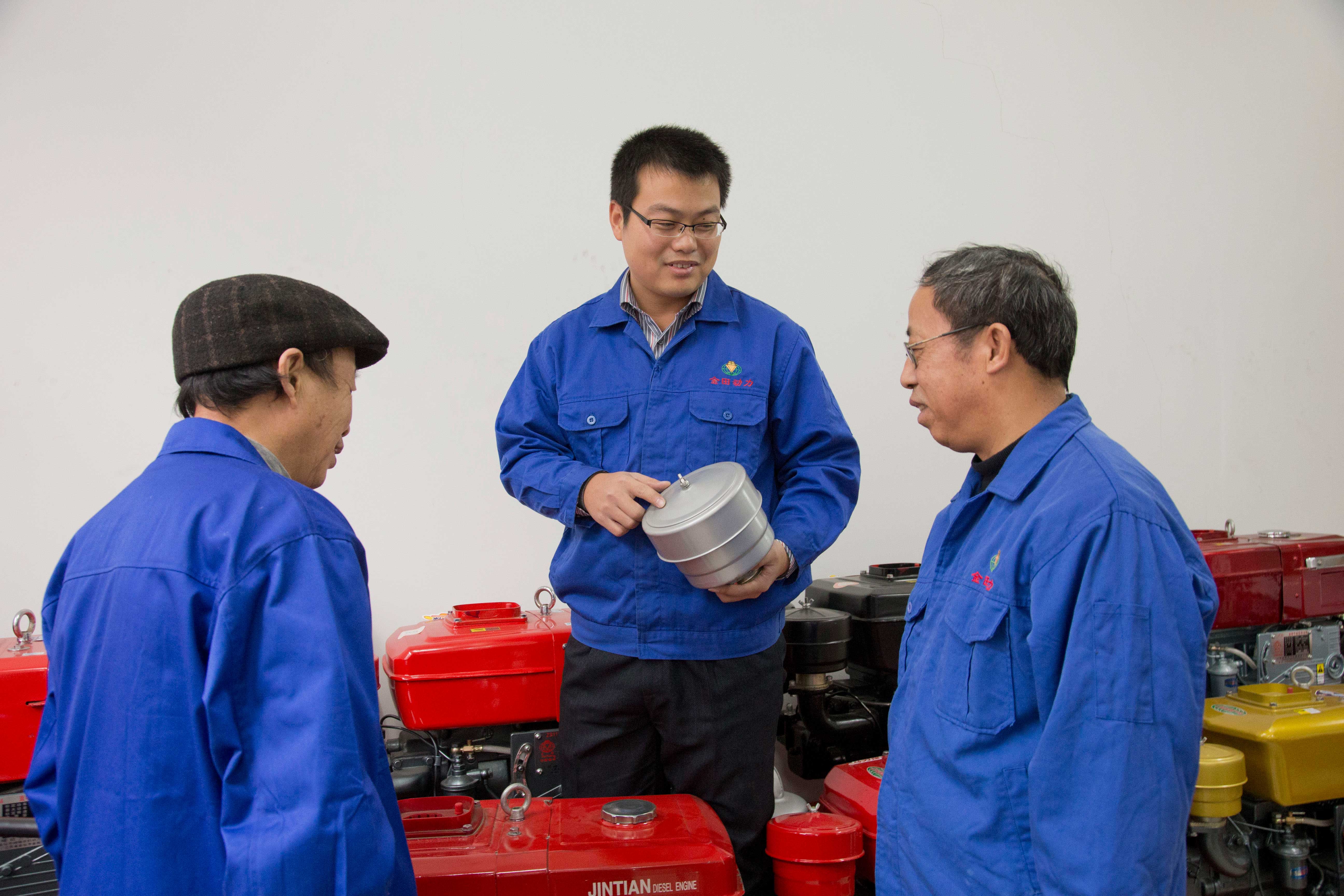
Willson is a Chinese manufacturer of single cylinder diesel engines, with a factory based in Changzhou, Jiangsu. The company's standard product line—spanning 3 to 45 horsepower, air-cooled and water-cooled models—is primarily equipped with hand-start mechanisms. However, Willson's production capabilities include OEM/ODM customization for packaging, logo, and nameplate, and the company's monthly capacity of 10,000 units and flexible 25-45 day lead time provide room for tailored specifications, including electric start integration upon customer request.
Technical Insights: Electric Start vs. Hand-Start Architectures
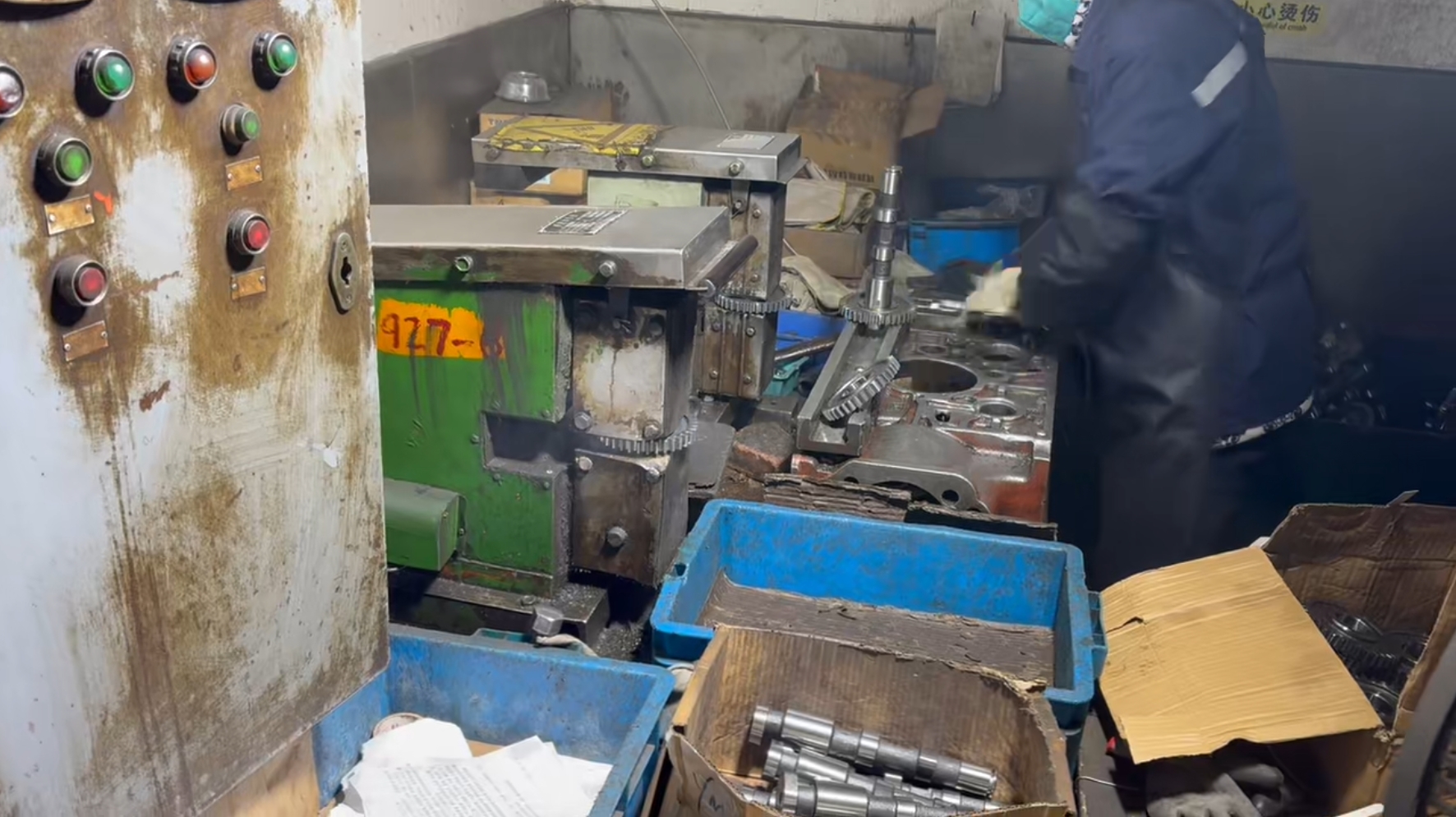
An electric start diesel engine incorporates a starter motor, battery, solenoid, and ignition switch, adding a wiring harness and mounting points to the engine block. The core engine—cylinder block, crankshaft, piston assembly—remains identical to its hand-start counterpart. Willson uses heavy-duty cast iron cylinder blocks, forged steel crankshafts, and wear-resistant cylinder liners across its range, ensuring that the base engine is robust enough to accommodate electric start components without compromising reliability.
Application Scenarios Where Electric Start Shines
In Pakistan, a long-term agricultural client operates 96 units of the ZS1115 (20 HP, hand-start) model for irrigation pumping. Over a decade of service, the engines reported no major failures, thanks in part to fuel-efficient design and easy maintenance. For operators transitioning to electric start, the same engine architecture can be adapted, reducing worker fatigue during peak irrigation seasons. Other high-potential use cases include:
- Generator sets in remote construction sites where quick restart is needed.
- Power tillers and threshers operated by aging workforces.
- Water pumps in cold climates where manual cranking is difficult.
Market Trend: Electrification of Small Power Units
Across South America, Africa, and Southeast Asia—Willson's primary export markets—demand for electric start small diesel engines is rising. Government subsidies for farm mechanization and stricter labor safety regulations are driving the shift. While many suppliers still offer only hand-start, those that can provide electric start as an option—or through OEM partnerships—gain a competitive edge.
Comparison with Traditional Solutions
Compared to pure hand-start engines, electric start models come with a modest cost premium due to added components. They also require battery maintenance and proper wiring. However, the operational convenience and reduced downtime often offset these drawbacks. One honest limitation: electric start adds weight and complexity; for ultra-light portable equipment, hand-start remains preferable. Willson's standard hand-start engines weigh less and have a simpler service profile, making them suitable for price-sensitive or weight-critical applications.
Future Outlook: Toward Hybrid or Smart Start Systems
As battery technology improves and IoT connectivity expands, we may see remote-start or auto-start diesel engines in agriculture. Suppliers with strong manufacturing foundations—like Willson, with ISO 9001:2015 certification (certificate number: 02925Q3D160R6M, valid until 2028) and 100% testing of every engine—are well-positioned to integrate these features while maintaining quality.
Frequently Asked Questions
Q: Does Willson offer electric start single cylinder diesel engines as a standard option?
Willson's standard catalog models feature hand-start systems. Electric start integration can be discussed during OEM/ODM negotiations, depending on order quantity and specification.
Q: What is the lead time for Willson engines?
Typical lead time is 25–45 days, depending on model, quantity, and customization level.
Q: What certifications does Willson hold?
Willson is certified under GB/T 19001-2016 / ISO 9001:2015 (certificate number: 02925Q3D160R6M), covering production and sales of single cylinder diesel engines and accessories.
Q: How does Willson ensure product quality?
Every engine undergoes 100% testing before shipment. The factory also uses a complete quality assurance system aligned with ISO standards.
Q: What is the minimum order quantity (MOQ)?
The MOQ is one 20-foot container, with a monthly production capacity of 10,000 units.
For detailed technical specifications and customization inquiries, download the Willson product brochure.
This article is for informational purposes only. For accurate product specifications and availability, please contact the supplier directly.
Tem questões ou precisa de mais detalhes?
Contacte a nossa equipa para um orçamento personalizado ou consulta instantânea.
Solicitar orçamento
Preencha o formulário abaixo e a nossa equipa entrará em contacto com uma proposta personalizada.
Chat direto do WhatsApp
Prefere conversar em tempo real? Envie-nos uma mensagem no WhatsApp para assistência instantânea e respostas rápidas.
- Obter orçamento personalizado
- Partilhar fotos ou documentos
- Discuta as suas necessidades diretamente
Geralmente responde em 5–30 minutos durante o horário de expediente.