
Electrophoretic Coating Specifications: Salt Spray, Thickness & Certifications
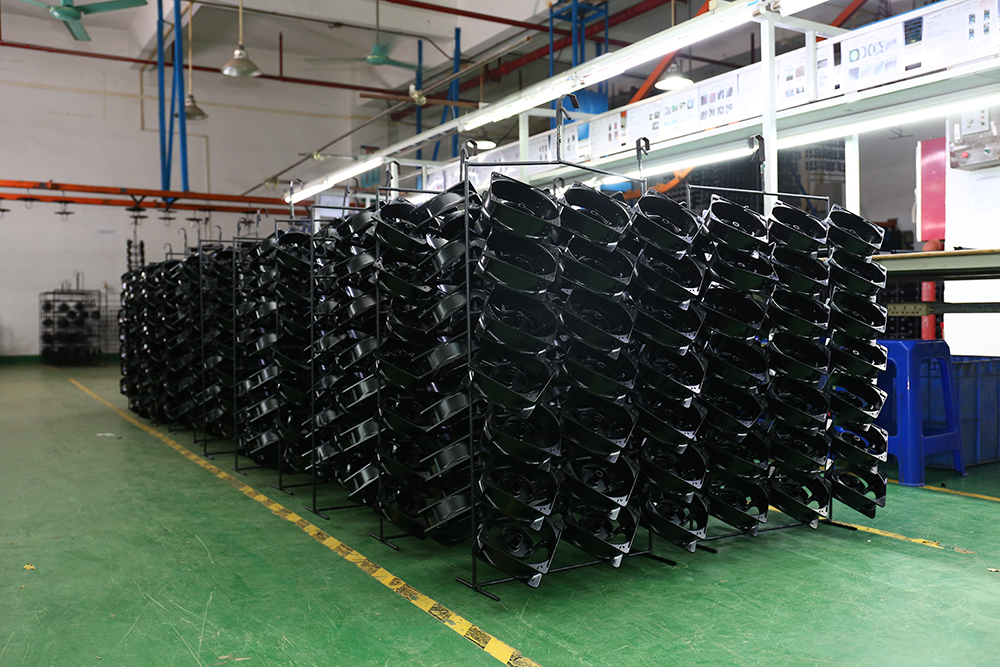
Electrophoretic coating, also known as e-coating or ED coating, is a surface treatment technology that delivers high corrosion resistance and uniform coverage on metal parts. Dongguan Yongxin Industrial Co., LTD (Yongxin) is a China-based high-tech enterprise specializing in electrophoretic processing services, with production capabilities covering a wide range of metal substrates and coating types.
The Problem & Opportunity in Modern Metal Surface Treatment
Manufacturers across automotive, electronics, and industrial equipment sectors increasingly demand coatings that can withstand harsh environments—high humidity, road salts, UV exposure—while maintaining consistent thickness on complex geometries. Traditional spray painting often leaves dead corners and lacks the adhesion needed for long-term durability. Electrophoretic coating addresses these gaps by using an electrochemical deposition process that ensures 95–98% coverage even on intricate parts. With the global e-coat market projected to grow from approximately USD 3.5 billion in 2023 to USD 6.1 billion by 2032 (Dataintelo), suppliers with robust technical credentials and certifications are well-positioned to serve quality-conscious buyers.
Yongxin: A Certified Electrophoretic Coating Service Provider
Yongxin operates six professional electrophoresis production lines supported by over 20 general processing machines (sandblasters, polishers, shot blasting) and 20+ CNC machines. The company holds ISO 9001:2015 (Quality Management System, cert# 24CN34506942Q), ISO 14001:2015 (Environmental Management System, cert# 24CN34506943E), and the National High-Tech Enterprise certification (GR202344016867) in China. These credentials demonstrate compliance with international standards for quality and environmental management, which is critical for OEMs and tier-1 suppliers.
Technical Explanation: How Electrophoretic Coating Works
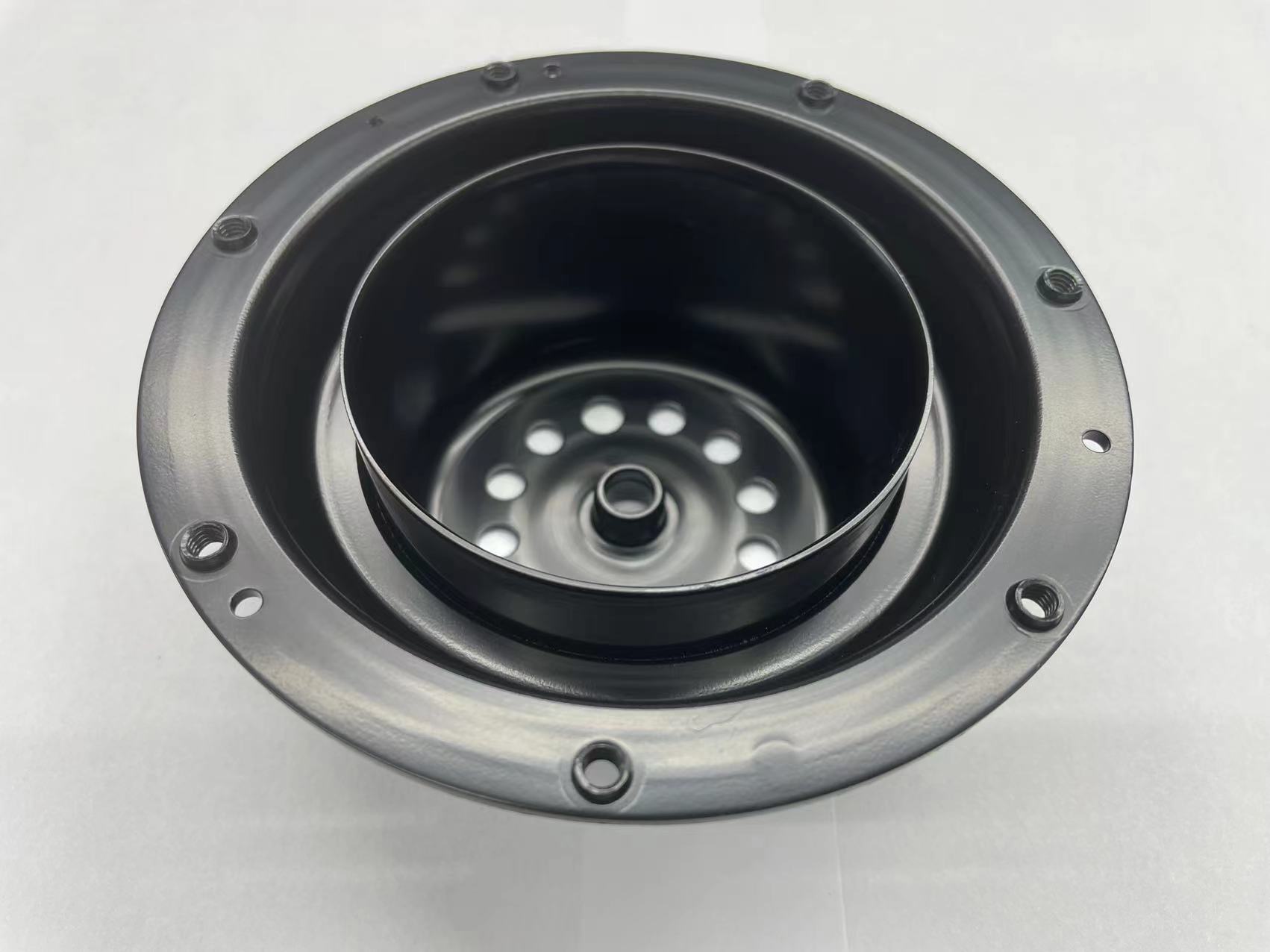
In the coating process, metal parts are immersed in a water-based paint bath and a direct current is applied. Charged paint particles migrate to the workpiece, depositing a uniform film. Yongxin supports both anionic and cationic (epoxy resin) systems. Cationic epoxy coatings typically pass 1,000+ hours of neutral salt spray testing (ASTM B117), while anodic coatings maintain around 500 hours. Standard film thickness ranges from 15 to 25 μm, with tolerances of ±1 μm. The paint material options include acrylic resin and epoxy resin, and colors such as black, white, and custom colors are available.
Application Scenarios & Industry Use Cases
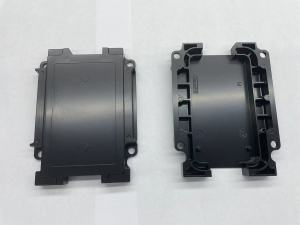
Yongxin’s electrophoretic coating services are applicable to a wide range of industries: automotive (chassis, fasteners, motor housings), consumer electronics (smartphone frames, heat sinks), communication equipment, security systems, and home appliances. For example, the company has processed over 15 million motor components for a Japanese motor manufacturer, achieving over 720 hours of neutral salt spray resistance, extending product lifespan by 5 to 10 years compared to non-e-coated parts. In another case, CNC precision machining parts from a Chinese manufacturer received uniform full coverage with strong adhesion and corrosion resistance, supported by a full-inspection quality control process.
Market Trend Analysis
The electrophoretic coating market is expected to grow at a CAGR of 6.5% from 2024 to 2032, driven by automotive and construction demand (Dataintelo). Asia-Pacific accounts for over 46% of global coatings revenue (Grand View Research), with China being a key production hub. Cathodic epoxy coatings dominate due to their superior salt spray resistance. The shift toward water-based, low-VOC systems aligns with stricter environmental regulations such as RoHS, making certified providers like Yongxin increasingly relevant.
Comparison with Traditional Coating Methods
| Method | Coverage | Salt Spray (Hours) | Thickness Control | VOC |
| Spray Painting | ~60-80% | 200-500 | ±5 μm | High |
| Powder Coating | ~80-90% | 300-800 | ±3 μm | Low |
| Electrophoretic Coating | 95-98% | 500-1500 | ±1 μm | Very Low |
However, electrophoretic coating requires a higher initial investment in line equipment and is less suited for very large or heat-sensitive substrates. For most metal components with complex geometry, the total cost of ownership often favors e-coating due to its durability and material efficiency.
Future Outlook
As manufacturing moves toward smart, automated production, e-coating lines are integrating inline thickness measurement and real-time bath chemistry monitoring. Yongxin has expanded its factory to 10,000 m² and added CNC, die casting, and stamping services to offer one-stop solutions. The company’s investment in high-precision inspection instruments (FISCHER film thickness gauge, Zehntner gloss meter, etc.) ensures consistent quality for large-volume orders. Future improvements will focus on energy reduction and AI-driven process optimization.
For detailed technical parameters and processing capabilities, the company provides a downloadable brochure: Electrophoretic Coating Solutions Brochure.
FAQ (Frequently Asked Questions)
What salt spray resistance levels can electrophoretic coating achieve?
Yongxin’s electrophoretic coating typically achieves 500–1,500 hours without red rust in neutral salt spray testing (NSS), depending on the paint system and film thickness. High-salt-spray products can reach 300–1,000 hours as per product specifications.
What materials can be electrophoretically coated?
The process is suitable for carbon steel, alloy steel, aluminum alloy, magnesium alloy, zinc alloy, and other metal substrates. Yongxin offers specialized formulations for aluminum, zinc, and magnesium alloys.
What certifications does Yongxin hold for its e-coating services?
Yongxin is certified under ISO 9001:2015 (Quality Management), ISO 14001:2015 (Environmental Management), and is recognized as a National High-Tech Enterprise in China. All certifications are currently valid.
What is the typical coating thickness range?
Standard film thickness is 15–25 μm for ordinary parts, with tolerance controlled within ±1 μm. Custom thicknesses are available upon request.
Can the coating be customized in color?
Yes, black and white are standard, and custom colors can be developed. Both matte and gloss finishes are available.
What is the minimum order quantity (MOQ)?
Yongxin’s MOQ for electrophoretic coating services is 100 pcs, with lead times ranging from 3 to 45 days depending on order volume and complexity.