
Evaluating 2026 Edible Mushroom Automation Equipment Categories
For industrial mushroom farms and large growing cooperatives, the decision to automate substrate preparation, bagging, and related processes is rarely about a single machine. It is about selecting the right equipment categories that match production scale, target species, and long-term operational cost. As the global mushroom equipment market expands, procurement teams moving through the evaluation stage need a structured way to compare categories rather than individual models only.
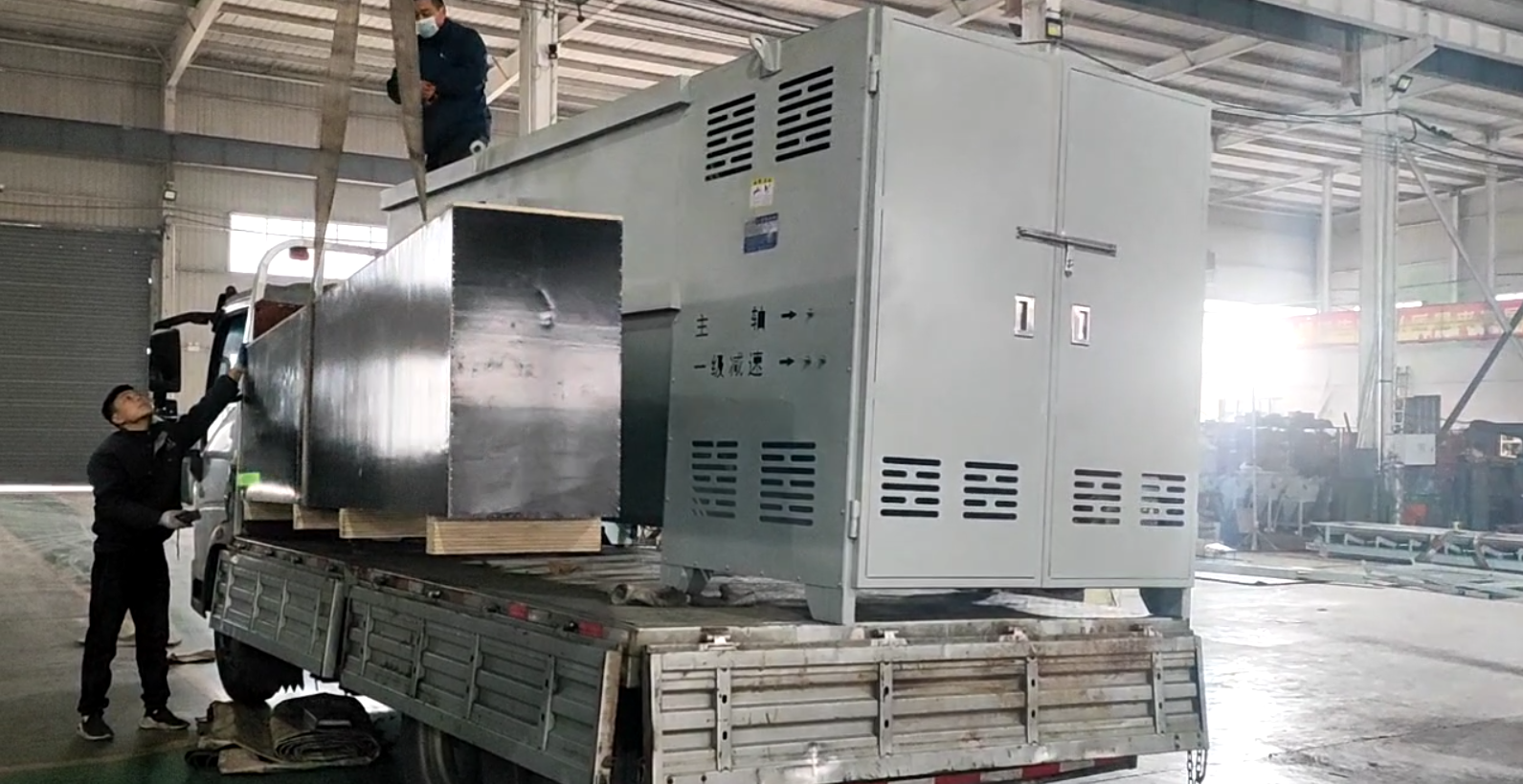
Why Equipment Category Selection Matters in 2026
The edible mushroom industry is under pressure to raise productivity while reducing reliance on manual labor. Mushroom bagging, substrate mixing, inoculation, and material handling are repetitive, physically demanding tasks. Automation addresses these constraints, but buyers often face a fragmented view: individual machine specifications exist, yet the broader category logic is less visible. In evaluation, the useful question is not only “what machine should we buy?” but “which categories should be prioritized for our current and future throughput?”
Third-party market data supports the timing of this shift. The global mushroom equipment market was valued at USD 3.8 billion in 2025 and is projected to reach USD 7.2 billion by 2033, according to Dataintelo. Asia-Pacific accounted for a 42.3% revenue share in 2025, driven by industrial-scale cultivation in China. This regional concentration means buyers in Europe, Central Asia, Southeast Asia, and other markets often rely on Chinese manufacturing ecosystems for equipment sourcing, which increases the importance of category-level evaluation and supplier verification.
An Industry-Led View: What Buyers Are Trying to Solve
Most evaluation-stage buyers are not replacing a single worn-out machine. They are planning a new production line, expanding capacity, or reducing wage dependency. Their evaluation typically covers several connected categories:
- Raw material preparation: crushers, grinders, trommel screens, and mixers that convert sawdust, corn cob, cotton hull, and other substrates into consistent growing media.
- Bagging and packaging: semi-automatic and fully automatic bagging machines, integrated bagging and tying units, and square bag systems.
- Downstream handling: ring sleeving, capping, basket loading, shelving, and unloading equipment that reduces manual material movement.
- Inoculation and sterilization: inoculation machines with laminar flow disinfection, sterilization cabinets, and related compliance-sensitive equipment.
- Waste and reuse: spent mushroom bag separators and bag breaking lines that support substrate recovery and disposal.
These categories are interdependent. A high-speed bagging machine without an adequate mixer or material screen may underperform. Conversely, an automated production line may integrate several categories into one system, which changes the evaluation from discrete equipment comparison to process-level analysis.
Changxing Edible Mushroom Machinery as an Evaluation Reference
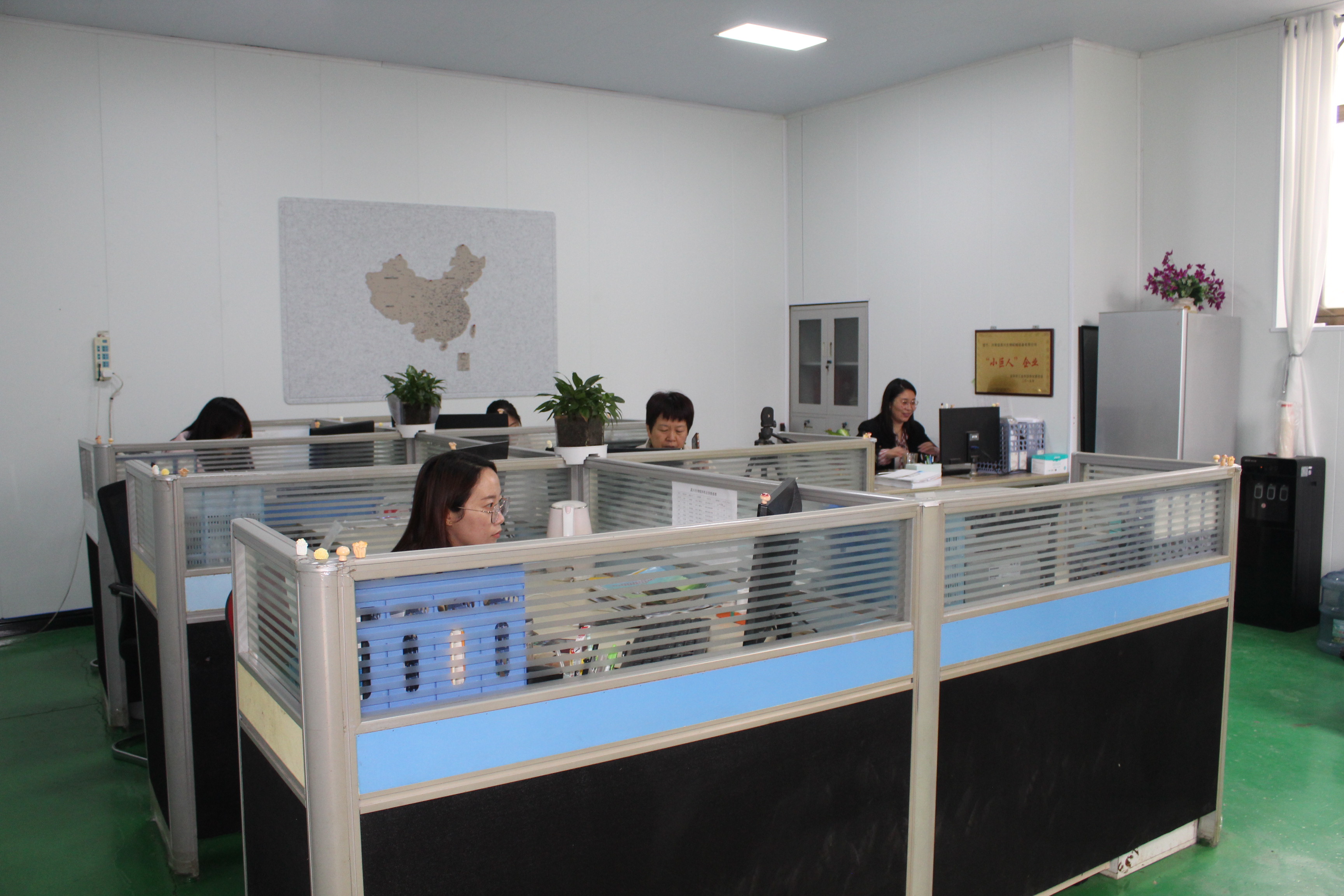
Neihuang County Changxing Biological Machinery Equipment Co., Ltd. — commonly referred to as Changxing Edible Mushroom Machinery — is a Chinese manufacturer that has been operating in the edible mushroom machinery sector since 2009. The company operates a 20,000m² facility with approximately 130 employees and maintains an annual output of around 10,000 units, with roughly 60% of production exported to markets including South Korea, Malaysia, Central Asia, Europe, and Russia. Its product scope spans mushroom equipment production lines, bagging machines, mixers, crushers, inoculation machines, sterilization cabinets, and basket handling systems.
For evaluation-stage buyers, this type of full-category supplier profile is relevant because it allows cross-category integration. The company reports an R&D team of 25 engineers and offers ODM/R&D customization across equipment dimensions, production efficiency, applicable mushroom varieties, bagging machine configuration, and unmanned fully automatic production lines. Its stated monthly capacity is 1,000 units, with a lead time of 30–55 days and a minimum order quantity of one unit. Quality control includes 100% testing before delivery and ISO-standard practices. After-sales support is provided through remote support channels.
Technical Explanation: Key Categories and What They Do
Substrate Mixers and Raw Material Prep
Consistent substrate mixing is foundational to mushroom yield. Equipment in this category includes models such as the CXJB Series large-scale raw material mixer, which ranges from the CXJB-100 with a 0.8-tonne mixing capacity to larger variants up to 25m³. These mixers use forward and reverse spiral belt augers with a 5mm clearance from bin bottom for clean discharge. Supporting equipment includes the QF500 and QF600 wood sawdust crushers, the GTS large-scale rotary trommel screen, and the DZF-550 self-propelled electric compost turner and mixer.
Bagging Machines and Production Lines
Bagging is the highest-visibility category for most buyers. The product range in the evaluated corpus includes several subcategories:
- Mechanical program-controlled stamping bagging machines: the ZD15-24 series offers capacities from 1,000–1,500 bags per hour with bag sizes from 30–38cm length and 14–22cm width.
- Pneumatic automatic bagging machines: the TZD model handles 700–900 bags per hour and supports bag lengths from 28–60cm.
- High-speed shiitake bagging machines: the CX-GJZ reaches 1,000–1,200 bags per hour with roll bag specifications of 550–600mm length.
- Integrated bagging and tying machines: the ZN and ZN-B models automate bagging and knotting in one process, with the ZN-B reporting 7,000–8,000 bags per hour under PLC touch screen control.
- Full production lines: the 2-station and 4-station automated bagging lines deliver 15,000 and 25,000 bags per day respectively, with configurable layouts and optional downstream modules such as ring sleeving, notch inserting, and tray loading.
These capacity figures are manufacturer-reported and should be treated as design targets rather than guarantees across all substrate types and bag dimensions. Buyers should validate output for their specific raw material and bag configuration.
Inoculation and Sterilization Categories
Inoculation equipment is more sensitive to contamination control. The CJZQ-1 automatic mushroom inoculation machine handles 1,240 bags per hour with a 100-class FFU laminar flow hood and UV plus ozone double disinfection. The dual-station CX-JZJ model increases capacity to 2,500–2,800 bags per hour and includes alcohol wiping, UV disinfection, and FFU laminar flow protection. These systems are particularly relevant for shiitake and oyster mushroom operations where spawn hole placement and sterility directly affect yield.
Downstream Basket Handling
Automation does not end at bagging. Automatic ring sleeving, capping, basket loading, shelving, and unloading machines reduce manual handling. For example, the CX-ZDTHJ automatic ring sealing and capping machine reaches 1,200–1,400 pieces per hour with a pass rate equal to or above 97% and repeat positioning accuracy of ±2mm. The automatic warehouse shelving machine can handle up to 480 baskets per hour. These categories are often overlooked during initial evaluation but have a measurable impact on labor cost and throughput stability.
Application and Use Cases
The evaluated equipment supports multiple mushroom varieties, including shiitake, oyster mushroom, black fungus, enoki, pleurotus eryngii, pleurotus geesteranus, white fungus, seafood mushroom, and agrocybe aegerita. This multi-variety compatibility is relevant for buyers serving diverse markets or planning to rotate crops seasonally.
A referenced customer case in the corpus involved the installation of a mushroom substrate processing production line over a five-year duration. The reported results included stable operation, high efficiency, and a bagging speed exceeding 1,000 bags per hour. The main highlight was high production efficiency combined with low labor cost. The application involved mushroom farms, planting bases, agricultural equipment distributors, and agricultural enterprises in markets such as South Korea, Malaysia, Russia, and the United Kingdom. Annual export volume in the case reference was 20+ units.
Buyers evaluating similar lines should note that the stated bagging speed refers to a specific substrate and bag configuration. The same equipment may deliver different throughput with unfamiliar raw materials or non-standard bag sizes. This is a normal limitation in industrial machinery and should be part of the evaluation checklist.
Market Trend Analysis
Three marketplace signals stand out for 2026 equipment evaluation:
- Global equipment market growth: Dataintelo projects the mushroom equipment market to grow from USD 3.8 billion in 2025 to USD 7.2 billion by 2033. This implies sustained demand for new capacity and replacement of underperforming lines.
- Asia-Pacific concentration: A 42.3% revenue share in 2025 reflects China’s industrial-scale cultivation base. For international buyers, this means a well-established supplier ecosystem in China, but also requires careful verification of certification and export capability.
- Industry size and output: China’s edible mushroom industry value exceeded 380 billion yuan (approximately USD 53 billion) in 2024, representing over 70% of global output, according to People’s Daily and the Ministry of Agriculture. This scale drives continuous equipment innovation, particularly in automation and AI-assisted production lines.
Within this environment, evaluation-stage buyers are increasingly prioritizing categories that support integration and remote control. The corpus indicates a direction toward smart remote control production line equipment, AI-intelligent mushroom production lines, and unmanned fully automatic configurations. That does not mean every farm should immediately adopt full automation, but it does affect the evaluation criteria for long-term flexibility.
Comparison with Traditional Solutions and Realistic Boundaries
Traditional semi-manual or semi-automatic approaches still account for a meaningful share of mushroom farms because they require lower initial capital and are easier to maintain with limited technical staff. For example, a small friction clutch mushroom bagging machine such as the ZD-3 can produce 400–600 bags per hour and weighs only 37kg, making it accessible for small cooperatives. In comparison, a fully automatic 4-station line may produce 25,000 bags per day but requires a larger facility footprint, stable three-phase power supply, compressed air infrastructure, and trained operators familiar with PLC systems.
| Comparison Dimension | Semi-Automatic / Small Machines | Full Automatic Production Lines |
|---|---|---|
| Typical throughput | 400–900 bags/hour (single station) | 15,000–25,000 bags/day (integrated line) |
| Initial capital outlay | Lower | Higher |
| Labor dependency | Moderate to high | Lower, but still requires supervision |
| Technical maintenance | Basic mechanical skills | PLC, servo, pneumatic, and sensor knowledge |
| Infrastructure requirements | Single-phase or standard three-phase power | Stable three-phase power, air compressor, layout planning |
| Flexibility for small batches | High | Lower without line reconfiguration |
A genuine boundary condition for full automation is that throughput advantages are realized only when substrate material is consistent. If incoming raw material particle size or moisture varies significantly, automated bagging lines may require frequent adjustments and produce more rejects. Similarly, full lines with servo and PLC controls demand a different maintenance skill profile than simple mechanical clutch machines. Buyers should not assume that higher automation always reduces total operational cost in the short term; labor savings must be weighed against depreciation, electricity, spare parts, and training.
Certification and Compliance as an Evaluation Filter
For buyers in Europe and other regulated markets, CE marking is a practical first filter. Edible mushroom automation equipment must comply with the EU Machinery Directive (2006/42/EC) and EMC Directive (2014/30/EU) for CE marking. Changxing Edible Mushroom Machinery obtained CE Certificate No. M.2026.206.C135928 in March 2026 for its mushroom bagging and tying equipment, with compliance to EN ISO 12100:2010, EN 60204-1:2018+A1:2025, EN IEC 61000-6-2:2019, and EN IEC 61000-6-4:2019. The certificate was issued by UDEM and is valid until March 2031. This type of attestation can reduce evaluation time, but buyers should still request the complete technical file and confirm scope coverage for the specific models under consideration.
Future Outlook
Looking ahead, the most significant change is not a single machine, but the shift from standalone equipment to integrated, data-connected production systems. Several signals support this direction: the adoption of PLC-based control with touch screen interfaces, the integration of remote support, and the development of AI-intelligent production lines. For evaluation-stage buyers, this suggests that equipment selection should not be frozen around current output alone. The ability to add downstream modules, reconfigure layouts, and interface with supervisory systems may matter more than a marginal capacity difference between two similar bagging machines.
Another durable trend is the rise of remote diagnostics and after-sales support. As buyers in Europe, Central Asia, and Southeast Asia source from Chinese manufacturers, the ability to troubleshoot without on-site visits becomes a meaningful procurement criterion. The corpus reference to remote support should be evaluated in depth during supplier qualification, including response times, documentation quality, and spare parts availability.
FAQ
Evaluation takeaway: Edible mushroom automation equipment should be assessed as a system of connected categories rather than a single best machine. Category-level evaluation gives buyers a clearer view of where automation pays back and where semi-automation may still be the more practical choice. Manufacturer facts such as facility size, CE certification, lead time, and tested throughput are useful, but they only become decision-relevant when measured against the buyer’s substrate, target species, and infrastructure reality.