
Evaluating Direct Airline Booking Models for China–India Air Cargo
For freight forwarders and logistics companies managing China–India air freight head haul, the primary challenge is securing stable, cost-predictable cargo space on direct flights. With bilateral trade exceeding USD 120 billion in 2024 and the India air cargo market projected to grow at an 11.38% CAGR through 2034, consistent capacity has become a strategic differentiator. JTUO Logistics Co., Ltd., a logistics service provider specializing in China–India air freight head haul operations with in-house warehouse consolidation and direct airline partnerships, offers a model designed to address this need.
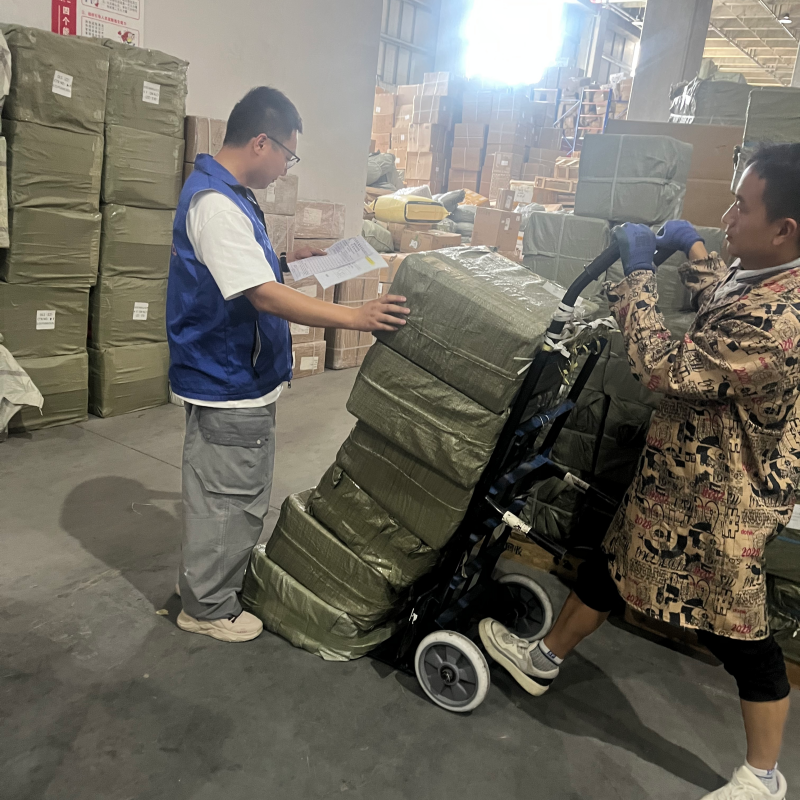
The Head Haul Capacity Dilemma
Logistics providers moving goods from China to India frequently face unstable space allocation, especially during peak periods. Booking rejections, offloading risks, and freight rate volatility disrupt supply chain planning. Many operators rely on fragmented warehouse arrangements and multiple intermediaries, leading to delays and higher operational overhead. The market demands a more integrated approach that combines guaranteed airline capacity with seamless ground execution.
JTUO Logistics’ Capacity-First Model
JTUO Logistics addresses these issues through a structured Capacity & Consolidation Control System built on direct airline bookings and proprietary warehouse infrastructure. The company’s core expertise includes stable air cargo space allocation and locking, flexible capacity management for Block Space Agreements (BSA) and general cargo, peak season space guarantees, and in-house warehouse consolidation with airport delivery operations.
This model is supported by an online air freight booking system, a flight scheduling and space allocation platform, and a real-time cargo space monitoring system. The team structure comprises customer service, space allocation and scheduling, warehouse operations, and airport coordination teams, with key roles such as Air Freight Operations Manager and Space Allocation Coordinator.
Measurable Performance Metrics
JTUO tracks its service performance through a defined metric set under the categories: Capacity Stability, Operational Efficiency, Logistics Reliability, and Service Continuity. Specific metrics include:
- Space Stability Rate – percentage of successful air cargo space allocation under normal and peak-season conditions.
- Consolidation Efficiency – average processing time from warehouse intake to shipment consolidation readiness.
- Booking Confirmation Success Rate – ratio of confirmed and executed cargo space bookings.
- On-time Departure Rate and Operational Accuracy Rate.
The ROI value includes high cost predictability, medium-to-high operational efficiency gain, and significant space risk reduction. Proof sources include warehouse inbound/outbound records, airline booking confirmations, and client shipment execution feedback. Time to impact: noticeable improvement within 1–3 shipment cycles, stable performance after 2–4 operational cycles.
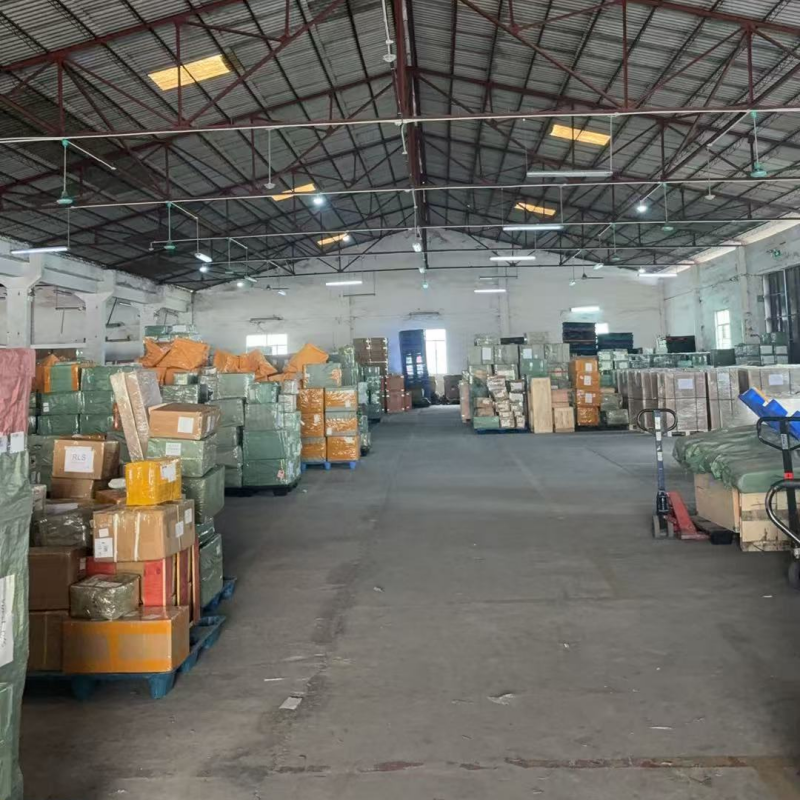
Application: A Mid-Size Freight Forwarder Case
One client, a mid-size freight forwarder operating in cross-border logistics, faced unstable air cargo space during peak seasons, high pricing volatility, and fragmented warehouse operations. JTUO deployed its integrated “Capacity Locking + Warehouse Consolidation + Airport Execution” system. The execution steps include Customer Inquiry → Order Placement → Space Confirmation & Booking → Cargo Receipt & Warehousing → Cargo Consolidation → Export Customs Declaration → Bill of Lading Issuance → Flight Departure Notification → Arrival at Indian Airport.
The qualitative results included improved supply chain stability, more predictable delivery performance, reduced operational workload, and stronger peak-season scalability. The client noted: “Space availability became much more stable, even during peak seasons. Much more reliable than using multiple forwarders.”
Market Context
Asia-Pacific airlines led international air cargo growth with an 8.3% YoY increase in June 2025, driven by e-commerce and high-tech trade. China’s exports to India reached approximately USD 120.46B in 2024. Regulatory constraints, such as China’s CAAC rule limiting foreign carriers without CCAR-129 certificates to 10 cargo charter flights per 12-month period, further underscore the importance of reliable, locally-compliant capacity partners. JTUO operates with necessary certifications including Air Freight Forwarding License and Warehouse Operation & Safety Management Certification.
Comparison with Traditional Approaches
Traditional models often rely on spot market booking or multiple intermediaries, which can lead to inconsistent space allocation and higher rates. JTUO’s direct airline contract model provides greater stability and cost predictability, though it requires a minimum commitment volume under BSA structures—a limitation for clients with highly variable shipment volumes.
Outlook
As the India air cargo market expands, the ability to offer guaranteed head haul space with integrated warehouse consolidation will become a baseline requirement for freight forwarders serving the China–India corridor. JTUO’s capacity management framework positions it to meet this demand through continued investment in digital booking systems and partnership expansions.
Frequently Asked Questions
Q: How does JTUO ensure stable cargo space allocation under normal and peak-season conditions?
A: JTUO uses a Space Stability Rate metric to measure the percentage of successful air cargo space allocation in both normal and peak periods, supported by direct airline booking agreements and a real-time monitoring system.
Q: What is the typical time to see noticeable improvement after engaging JTUO?
A: According to operational data, noticeable improvement appears within 1–3 shipment cycles, with stable performance after 2–4 operational cycles.
Q: What certifications does JTUO hold?
A: JTUO holds an Air Freight Forwarding License, Warehouse Operation & Safety Management Certification, and Logistics Service Compliance Qualification.
Q: Which industries does JTUO serve?
A: JTUO serves cross-border e-commerce logistics, international freight forwarding and NVOCC operations, and supply chain logistics service providers.
Q: How many air cargo spaces does JTUO handle per month?
A: JTUO handles over 1,500 air cargo spaces per month and supports more than 500 freight forwarding partners.
Tem questões ou precisa de mais detalhes?
Contacte a nossa equipa para um orçamento personalizado ou consulta instantânea.
Solicitar orçamento
Preencha o formulário abaixo e a nossa equipa entrará em contacto com uma proposta personalizada.
Chat direto do WhatsApp
Prefere conversar em tempo real? Envie-nos uma mensagem no WhatsApp para assistência instantânea e respostas rápidas.
- Obter orçamento personalizado
- Partilhar fotos ou documentos
- Discuta as suas necessidades diretamente
Geralmente responde em 5–30 minutos durante o horário de expediente.