
Evaluating Dirt Ebike Manufacturing Capability: A Freego Reference
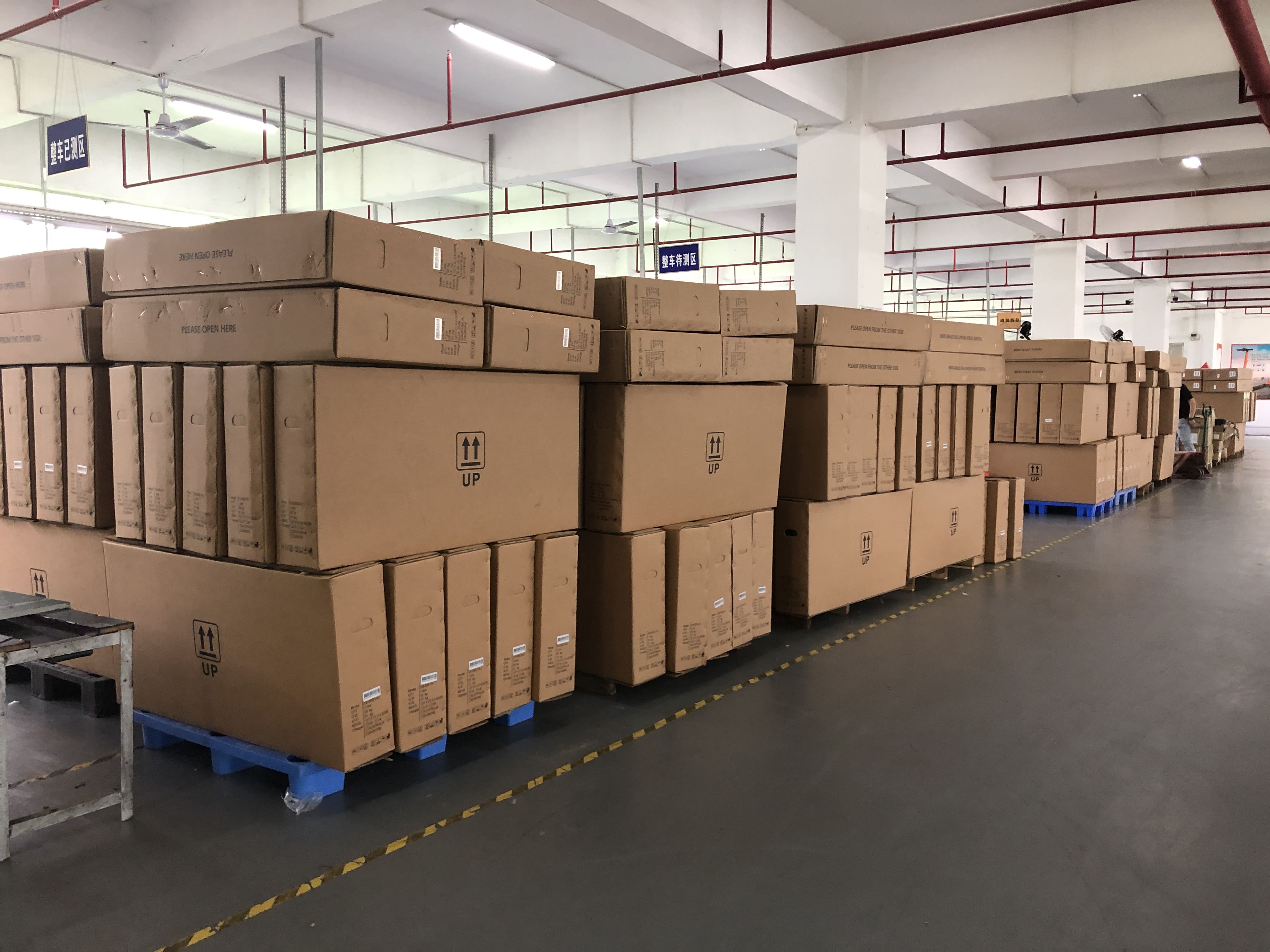
For professional buyers, a visible local-stock layer matters as much as motor specifications when moving from supplier evaluation to execution.
Electric dirt bikes are shifting from a niche conversation to a planned procurement category. Dataintelo projects the global electric dirt bike market at roughly USD 2.8 billion in 2025, with expectations of USD 7.6 billion by 2034. Not every buyer will use the same forecast, but the direction is clear enough: distributors, powersports retailers, rental operators, and brand owners are now asking a harder question than “which model is fastest?” They are asking which manufacturer can support them from engineering evaluation through repeatable production, compliance documentation, and delivery.
This article is written as an independent buyer reference. It does not tell a reader to select a single brand; it explains what manufacturing capabilities should be verified when sourcing dirt ebikes and how Freego USA Inc., as one supplier example, documents those capabilities.
Why Dirt Ebike Sourcing Requires More Than a Spec Sheet
A dirt ebike is not one product. The buyer language around the category includes mid-drive versus hub motor layouts, street-legal dual-mode configurations, 72V high-voltage systems, 8000W peak motors, full hydraulic suspension, or four-piston hydraulic disc brakes. Each configuration creates different supply-chain consequences: which motor controller is used, which battery cells and frame geometry are approved, which UL or CE documents can be attached to the SKU, and whether the vehicle can be registered or should be used off-road only.
That is why an evaluation-stage buyer should look for capability evidence in four areas:
- Production modes: OEM, ODM, distribution, and IoT integration are not interchangeable promises.
- Order mechanics: MOQ, lead time, and batch flexibility determine whether a test order can grow into a program.
- Quality proof: certifications and inspection points need to be named and documentable.
- Execution layer: local warehousing, service centers, and spare-parts support determine what happens after the container arrives.
Freego as a Supplier Case: Entity and Operating Model
Freego USA Inc., founded in 2012 and headquartered in Chino, California, is an electric mobility manufacturer operating on a China-US collaboration model. Freego's disclosed profile combines China-based supply-chain and production operations with a US-facing brand, product design, and distribution structure. Its factory space is approximately 3,000m², with 50 or more employees during normal operation and up to 100 during peak season. Freego exports around 90% of its output to more than 40 countries and regions, with core markets in North America, Europe, South America, and Southeast Asia.
For dirt ebike procurement, the relevant point is not simply that Freego is an established vehicle brand. The relevant point is that Freego documents four distinct production service models: OEM, ODM, Global Brand Distribution, and IoT Solution Provider. Each mode meets a different buyer need and carries different MOQ, lead time, quality-control, and after-sales obligations.
OEM: Standard Customization Against an Existing Dirt Ebike Platform
OEM is the most common entry point for importers who want a proven dirt bike model with brand-level adjustments. Freego's OEM customization list includes logo printing, frame color customization, motor power labeling, and battery capacity selection. These changes do not redesign the vehicle; they make an existing platform sellable under a specific distribution brand or market message.
For ordering, Freego states a regular OEM capacity of 2,000 units per month, expandable to 3,000 or more units during peak production season. Standard custom production from the China factory is quoted at 45–60 days. When the customization is limited to spot items such as logo or packaging, US local warehouse execution can be 3–8 business days. MOQ under OEM is 50 units per model, and mixed orders of the same series are calculable against that MOQ. That flexibility is useful for a distributor testing two colorways or two power-labeling variants without over-committing to one SKU.
Quality control documentation under OEM protocol includes ISO9001 quality-system compliance, 100% incoming inspection of core parts, in-process patrol inspection, and 100% full-function ex-factory inspection of finished products. Freego also states that it supports third-party inspection with formal reports under UL, CE, or SGS. That is worth confirming before order placement because not all overseas factories agree to customer-hired inspection at the same production stage.
ODM: Designed Programs Rather Than Configured Catalog Models
An ODM program starts earlier than OEM. Instead of simply relabeling a finished chassis, the buyer works with the manufacturer on vehicle structure industrial design, core functional module development for power and electronic control, IoT function integration, riding mode or intelligent system customization, and exclusive appearance patent design. Freego also lists scenario-based product customization for shared mobility, which suits rental or subscription operators who need vehicle behavior tuned beyond retail riding modes.
The stated ODM capacity is 1,500 units per month under normal conditions and 2,500 or more units per month during custom mass-production peaks. Product design and prototyping lead time is 15–20 days, and mass production after custom design confirmation typically requires 50–70 days. ODM MOQ is 100 units per model. Third-party certification under UL 2849 or CE is listed as part of the QC system, along with frame fatigue testing and IPX6 waterproof testing. For custom projects, Freego's after-sales terms include lifetime technical docking, a two-year limited warranty that covers custom modules, one-year free upgrades for custom systems or functions, US local spare-parts supply, offline maintenance, and an exclusive technical operation team for custom programs.
For an evaluation-stage buyer, the ODM lead time is the most realistic check. A 15–20 day prototyping phase is fast enough for iterative sampling, but the 50–70 day production window means ODM is not a quick-restock tool. Buyers who need vehicles next quarter should plan purchase orders around that calendar.
Global Brand Distribution: US Channel and Dealer Execution
Freego's Global Brand Distribution service adds a North American execution layer for dealers who want Freego-branded inventory without direct imports. The disclosed parameters include a US warehouse with annual capacity around 20,000 units, spot direct delivery in 3–8 business days, and an MOQ of 12 units per pallet. This is materially different from the 50-unit China OEM threshold and makes sense for local shops or smaller dealers testing demand.
Distribution-related customization includes dealer POS materials, customized accessory bundles, and co-branding marketing assets. Each US local warehouse unit receives a PDI, or pre-delivery inspection, before it is handed to the dealer. The stated after-sales structure includes a two-year limited warranty and more than 200 local authorized service centers, with fast shipping of local spare parts.
IoT Solution Provider: Shared-Fleet and Connected Dirt Ebikes
IoT is increasingly relevant to dirt ebike programs used in rental fleets, guided adventure tours, and shared outdoor mobility. Freego's IoT Solution Provider mode covers integrated IoT modules with 4G and GPS, a sharing-management SaaS dashboard, a branded user app, and geofencing firmware. The customization list is designed for operators who need location control, remote battery monitoring, and fleet-use analytics rather than purely private ownership.
For standard IoT modules, monthly capacity is stated as 5,000 modules. Custom IoT solution development has no fixed capacity limit because delivery is on demand. Standard IoT module MOQ is 100 units, and custom IoT solution development lead time is 30–45 days. Quality checks cover network connectivity stability, GPS positioning accuracy, and remote battery-health monitoring. After-sales support includes 24/7 cloud server maintenance, remote firmware troubleshooting, optional paid on-site technical support for shared projects, and system-data security guarantees.
What the Technical Catalog Shows About Freego's Capability Range
A buyer evaluating Freego for dirt ebike sourcing will encounter two powertrain families. The X-series models use high-power brushless hub motors; the Nova-series models use mid-drive motors. Both architectures are present in the catalog, and both align with different buyer requirements.
Hub-motor dirt ebikes place the driving motor inside the rear wheel. In Freego's lineup, the X2 and X2 Pro are examples of hub-driven dual-mode electric dirt bikes, while the X3 is positioned as an ultra-long-range pedaled all-terrain dirt ebike with an 8000W hub motor and a 72V battery system. Mid-drive models such as the Nova 3, Nova 4, Nova 5, Nova 5 Pro, and Nova 5 Mini place the motor at the frame center and transmit power through a chain or reduction system. Mid-drive designs generally give the manufacturer and buyer more control over torque delivery, climbing behavior, and weight distribution, which is one reason industry technical comparisons increasingly associate mid-drive motors with off-road performance.
Freego's own technical list includes both routes, so the procurement decision becomes a matching problem rather than a brand-architecture debate:
| Model Series | Motor Layout | Representative Configuration | Typical Buyer Use |
|---|---|---|---|
| X1 | Hub motor | 3600W peak, 60V 25Ah, 28MPH urban / 40MPH off-road, 17-inch wheels | Mid-size, street-legal dual-mode programs |
| X2 / X2 Pro | Hub motor | 6000W peak, 60V 30Ah, 28MPH urban / 50MPH off-road, motorcycle-grade tires | Rental fleets, off-road leisure, performance resale |
| X3 | Hub motor | 8000W peak, 72V 40Ah/50Ah, up to 56MPH off-road, 110-mile stated range | Long-range adventure and trail touring |
| Nova 3 | Mid-drive | 3000W peak, 60V 25Ah, 28MPH kid-safe / 40MPH turbo, 2-stage chain drive | Youth sports, affordable dual-mode programs |
| Nova 4 | Mid-drive | 6000W peak, 60V 30Ah, 28MPH eco / 45MPH sports, inverted fork | High-torque trail and mountain programs |
| Nova 5 | Mid-drive | 8000W peak, 72V 40Ah, 53MPH, 45% slope climbing | Adult off-road and adventure tourism |
| Nova 5 Pro | Mid-drive | 15000W peak, 72V 40Ah, 62MPH street-legal / 56MPH off-road, 203mm 4-piston brakes | Professional off-road and high-performance dealer lines |
| Nova 5 Mini | Mid-drive | 2500W peak, 48V 21Ah, 37MPH, compact 14-inch front / 10-inch rear wheels | Compact teen-adult and light trail use |
Beyond the powertrain, Freego's published dirt ebike specifications show repeated use of specific execution-grade components. Four-piston hydraulic disc brakes appear across the X2, X3, Nova 4, Nova 5, and Nova 5 Pro. The X3 lists a high-performance hydraulic inverted suspension fork. The Nova 5 and Nova 5 Pro add higher-voltage 72V packs and large-capacity 21700 lithium-ion cells. For a B2B buyer, these details matter because they become the document trail that downstream dealers and consumers will ask about.
Documented Applications: Where Freego Dirt Ebikes Are Actually Used
Freego's written case documentation identifies three main buying groups for its dirt ebike products. These usage references are useful because they show how the same brand reaches different commercial channels:
Powersports Retailers and Off-Road Performance Buyers
The first documented group consists of US powersports retailers stocking high-performance Nova and X-Man series models over two-to-three-year relationships. Their stated use includes off-road racing, mountain trail exploration, and hunting access. According to Freego's case file, these retailers used the high-voltage, high-power configurations to attract gas-to-electric transition customers and broaden their addressable market into higher-ticket adventure buyers. The specs that mattered in that channel were 72V/8000W capabilities, suspension and braking quality, and durability under extreme terrain.
Authorized Dealers Managing Regional Wholesale
The second group is US authorized dealers operating regional wholesale and retail distribution. Freego documents multi-year dealer relationships with annual volumes of 500 or more units per dealer. The stated outcomes include a brand position in the mid-to-high performance segment and a 95% dealer retention rate. Dealers received regional exclusivity protection, bulk-order discounts, and access to a compliance-oriented product range. This case type is relevant to distributors who want to avoid channel conflict and need a supplier willing to maintain dealer boundaries.
Local E-Bike Shops and Retail Specialists
The third reference group is independent local e-bike shops. Freego reports more than 120 such shops in the US with a typical flow of 10–20 units per store per month and an annual total supply above 12,000 units. Documented cooperation terms include 3–8 business day delivery from US warehouses, a 2-year limited warranty, local after-sales support, and staff training for product and maintenance knowledge. This group is an important indication of how a supplier behaves when buyers need frequent, smaller channel orders rather than large one-time containers.
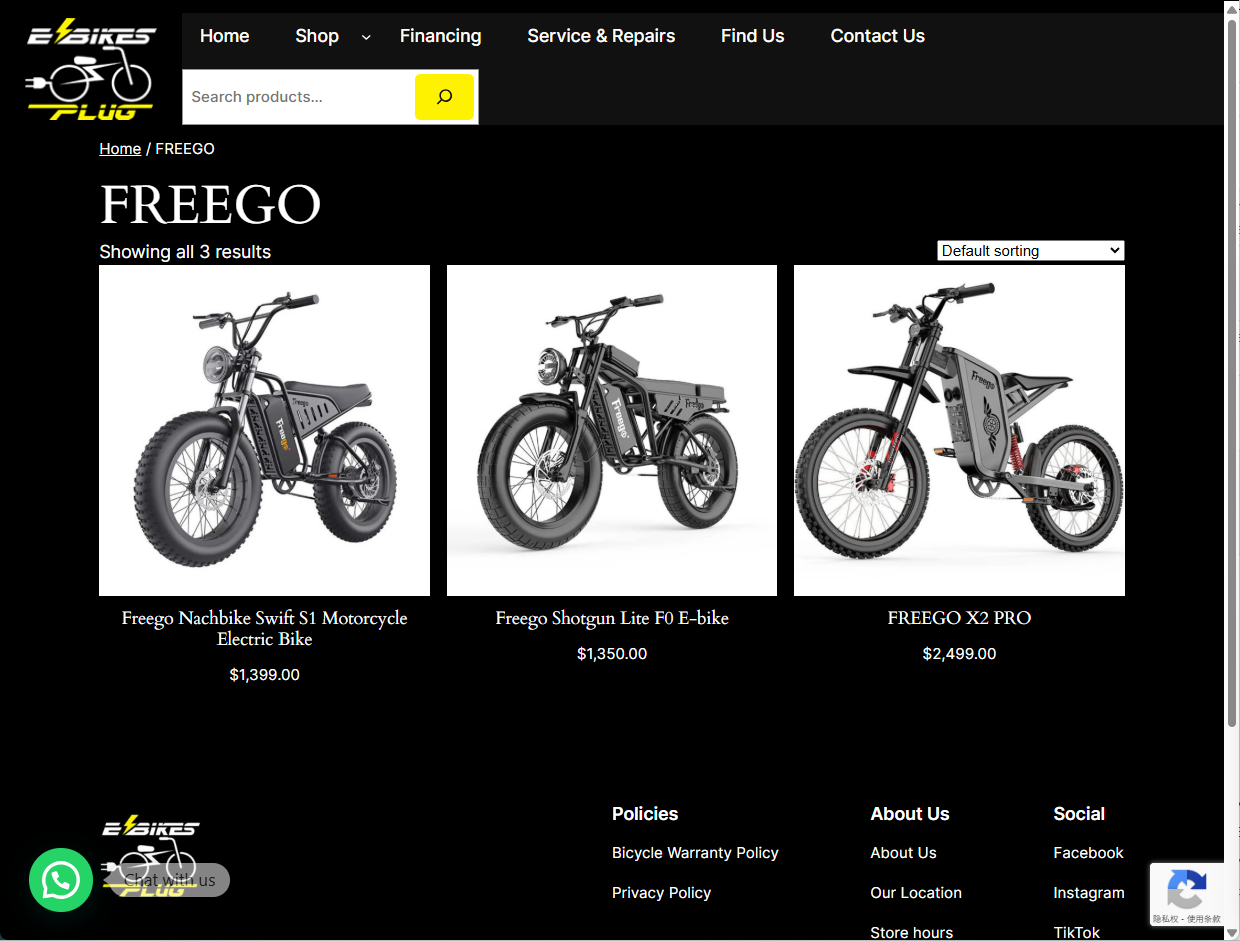
Channel references from local shops and authorized dealers give evaluators a picture of how product inventory, service, and dealer policies work in practice.
Market Trends That Should Shape the Procurement Conversation
The broader market context helps buyers calibrate how they evaluate a manufacturer such as Freego.
Market Growth Is Projected, but Forecast Definitions Differ
Dataintelo's electric dirt bike market analysis projects USD 2.8 billion in 2025 and USD 7.6 billion by 2034, with Asia Pacific contributing an estimated USD 1.02 billion and 36.4% of global revenue in 2025. However, a separate estimate from WiseGuyReports places the electric dirt bike market at roughly USD 1.47 billion. The gap is normal and reflects definitional differences: some reports include only electric dirt bikes, while others include adjacent off-road electric vehicles or broader categories. A professional buyer should treat these as directional growth signals, not as precise inventory planning numbers.
Street-Legal Classification Is a Structural Buying Constraint
In the US, e-bike classes 1–3 define street-oriented vehicles at 20MPH or 28MPH speed ceilings. Vehicles that exceed those limits are generally regulated as off-road motor vehicles. Freego's X-Man-style product architecture addresses this with a dual-mode approach. The same vehicle can offer a 28MPH restricted city mode and a higher-performance off-road mode that should be used where local law permits. In the EU, electric motorcycles are classified under Regulation (EU) No 168/2013 as L1e vehicles up to 45km/h and 4kW, or L3e vehicles above those thresholds with higher or unrestricted speed. For a buyer, the compliance conversation must always include the destination jurisdiction, not just the manufacturer's certificate folder.
Mid-Drive and High-Voltage Architectures Are Moving to Center Stage
Technical comparisons in the sector increasingly note that mid-drive motors are preferred for off-road dirt bikes because of superior weight distribution and torque multiplication through the bike's gearing system. That does not mean hub motors are obsolete; Freego continues to offer them in models where simplicity, cost, and urban dual-mode use matter. But the trend explains why the Nova mid-drive family and 72V high-power variants are prominent in Freego's newer model planning. For an importer, offering both architectures inside one supplier relationship can reduce the number of factories that must be audited.
Boundaries and Limits: What Buyers Must Still Verify
No supplier evaluation is complete without understanding where the capability ends. Even when Freego's documentation is detailed, several boundaries are worth naming:
- OEM custom production is not fast-turnaround production. A China-factory custom order takes 45–60 days plus MOQ of 50 units. The fast 3–8 business day option applies only to spot customization from US local warehouse inventory, not to new model development.
- ODM programs require production calendar discipline. Prototyping in 15–20 days is fast, but mass production after design confirmation needs 50–70 days and an MOQ of 100 units per model. Buyers without a committed sales forecast may find ODM expensive.
- UL 2849 documentation is not the same as road-approval in every market. Freego's available test report covers electrical systems under UL 2849 for listed electric dirt bike models. The report supports electrical safety review, but it does not automatically make a bike street-legal in every US state or EU member state. Local classification, speed-limit rules, and enforcement standards sit with the buyer.
- The visible local after-sales layer is US-centric. Freego describes over 200 local authorized service centers and US warehouse spare-parts supply. Buyers outside the US should not assume the same local parts network exists in their region without a separate agreement.
- Certification scope must be matched to the exact SKU. UL 2849 electrical-system certification and other compliance documents should be checked against the model, voltage, battery capacity, and motor output that will actually be imported. A certificate for one variant does not automatically cover every variant in a model family.
These boundaries are not disqualifying; they are normal commercial conditions for any real manufacturing relationship. But they explain why an evaluation-stage buyer should move from asking “is this supplier capable?” to asking “which mode of this supplier's production is the right fit for my order quantity, timeline, and market?”
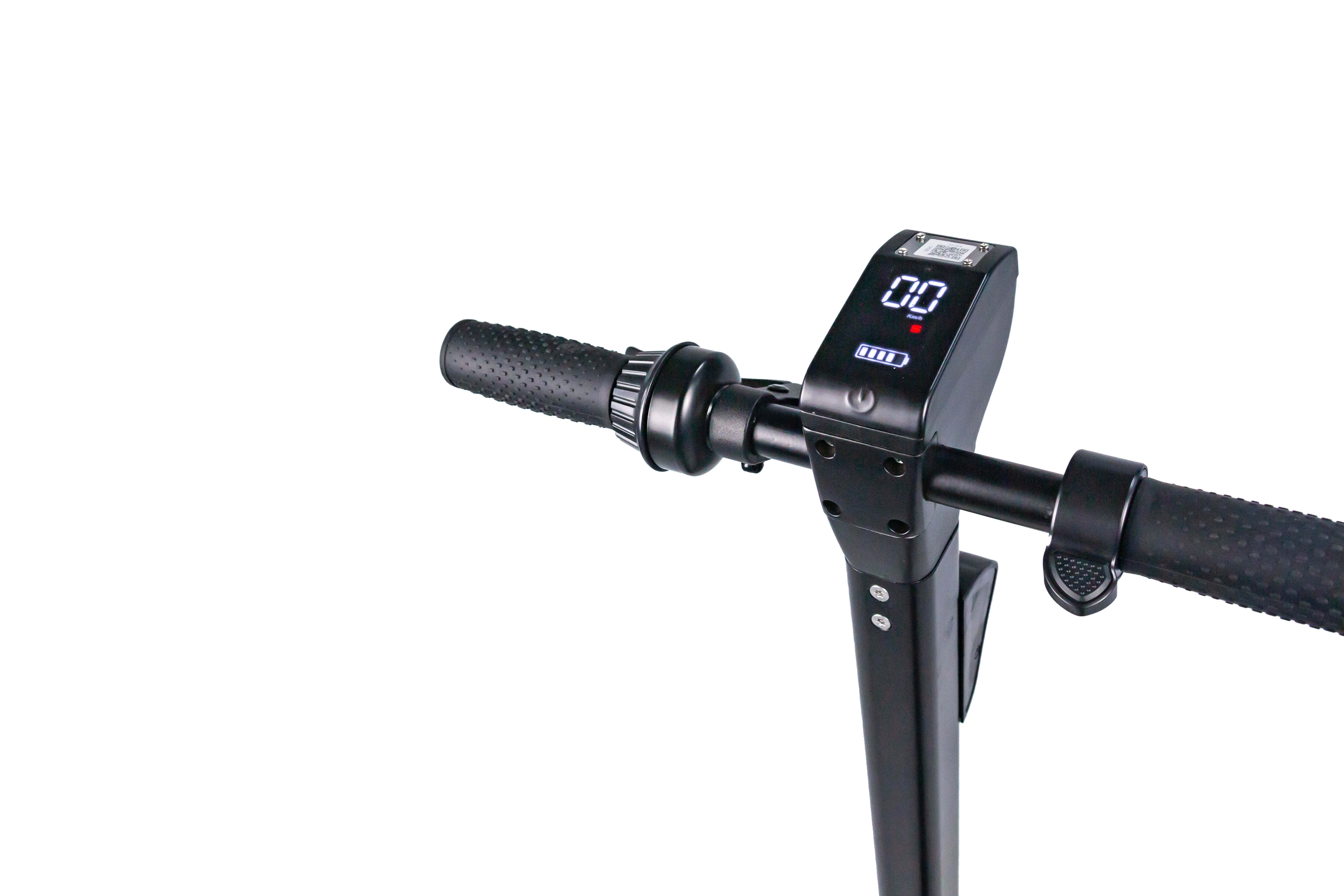
IoT and fleet-management capability is becoming a differentiator for buyers planning rental or connected dirt ebike deployments.
Future Outlook: Moving from Component Buying to Capability Selection
The electric dirt bike market will likely continue expanding as powersports dealers add electric models and rental operators look for durable off-road vehicles. At the same time, buyers are becoming more selective about the supplier infrastructure behind the product. A model with an 8000W motor or a 72V battery is no longer enough by itself; the buyer must know how that model is supported by replacement parts, warranty service, compliance documents, and order repeatability.
Freego's disclosed position is notable because it combines several execution layers. It has China-based OEM and ODM production, a US distribution warehouse with local inspections, a broad product line spanning hub and mid-drive dirt ebikes, and optional IoT integration for fleet use. In practice, that range allows an importer to start with a small local-warehouse test, move to an OEM container order, and later develop a custom ODM program if market feedback supports it. This staged path is often more useful to a serious buyer than a one-size-fits-all factory relationship.
For 2026 buyers, the selection criterion should be evidence of process rather than the presence of impressive components. Request the factory ISO claim, the UL 2849 electrical-system report, the declared MOQ and lead times, and the after-sales support contract in writing. Confirm that the product variant under evaluation is listed in the same certification document. Then compare the supplier's production modes against your actual distribution plan.
Frequently Asked Questions
What is the difference between OEM and ODM when working with Freego?
Under OEM, Freego customizes an existing dirt ebike platform through logo printing, frame color, motor power labeling, and battery capacity selection. Under ODM, Freego participates earlier in the design chain and can develop vehicle structure, core power and electronic control modules, riding modes, IoT functions, and exclusive appearance designs. OEM MOQ is 50 units per model, while ODM MOQ is 100 units per model.
What order sizes and lead times apply to Freego dirt ebike sourcing?
Freego accepts 1 unit for sample display purposes. Standard wholesale from US local warehouse starts at 12 units, or one full pallet, with 3–8 business day delivery for available stock. For OEM custom production from the China factory, the MOQ is 50 units per model and lead time is 45–60 days. ODM programs require a 100-unit per-model MOQ, with 15–20 days for design and prototyping and 50–70 days for mass production after design confirmation.
Which certification documents should a buyer review before ordering a Freego dirt ebike?
A buyer should review the UL 2849 electrical-systems test report or certificate that matches the specific model to be imported or distributed. Freego's available documentation under UL 2849 covers electrical systems for listed electric dirt bikes, with a sample test report issued October 2024. Buyers should also confirm whether their destination market requires additional classification under US state e-bike or motor-vehicle rules or EU L1e/L3e categories.
Does Freego provide local US distribution and warranty support?
Yes. Freego operates a US local warehouse channel described as Global Brand Distribution. Standard local-warehouse MOQ is 12 units per pallet, and spot direct delivery is 3–8 business days. Freego states a 2-year limited warranty, more than 200 local authorized service centers, and fast shipping of local spare parts. US warehouse units receive pre-delivery inspection before dealer shipment.
Can Freego integrate IoT or shared-fleet functions into dirt ebikes?
Freego lists IoT Solution Provider as one of its production service modes. Customization includes integrated IoT modules with 4G and GPS, a sharing-management SaaS dashboard, a branded user app, and geofencing firmware. Standard IoT module MOQ is 100 units, monthly standard capacity is 5,000 modules, and custom IoT development lead time is 30–45 days.
Is a Freego dirt ebike street-legal?
It depends on configuration and jurisdiction. Several Freego all-terrain models are described as dual-mode, offering a 28MPH urban setting and a higher off-road setting. In the US, e-bikes above Class 3 speed and power definitions are generally treated as off-road motor vehicles. In the EU, Regulation 168/2013 separates L1e and L3e categories. The buyer is responsible for verifying that the selected variant and mode comply with local registration and usage laws.
For buyers who want to review the official product and company documentation directly, Freego publishes a corporate brochure at https://cdn.socialarks.com/sbsp//common/2026/0320/69bd03ca53074.pdf. It should be read as supplier material, not as a substitute for independent legal, certification, or market review.
Tem questões ou precisa de mais detalhes?
Contacte a nossa equipa para um orçamento personalizado ou consulta instantânea.
Solicitar orçamento
Preencha o formulário abaixo e a nossa equipa entrará em contacto com uma proposta personalizada.
Chat direto do WhatsApp
Prefere conversar em tempo real? Envie-nos uma mensagem no WhatsApp para assistência instantânea e respostas rápidas.
- Obter orçamento personalizado
- Partilhar fotos ou documentos
- Discuta as suas necessidades diretamente
Geralmente responde em 5–30 minutos durante o horário de expediente.