
Evaluating Dual Cooling Water Cooling Vests: 3–4 Hour Endurance vs. the 30-Minute Norm
The industrial heat-protection buying decision is rarely about whether a cooling vest is needed. In foundries, metal-roof factories, construction sites and outdoor maintenance work, the practical question is narrower: which cooling mechanism can hold up for the duration of a real shift? A vest that stops cooling after 30 minutes may solve a short burst of heat exposure, but it does not align well with continuous work cycles, shift lengths or multiple rotations per day. That distinction is central to evaluating the dual cooling water cooling vest category.
Active ice-water circulation vests have become a more common procurement option in industrial settings because they move chilled fluid across the torso rather than relying only on passive evaporation or phase-change packs. Buyers evaluating this category in 2026 are looking past basic comfort claims and focusing on measurable endurance, energy efficiency, maintenance burden and field suitability.
This article compares the current dual water-circulation approach with conventional cooling vests, and explains what procurement teams should verify before committing to a supplier.
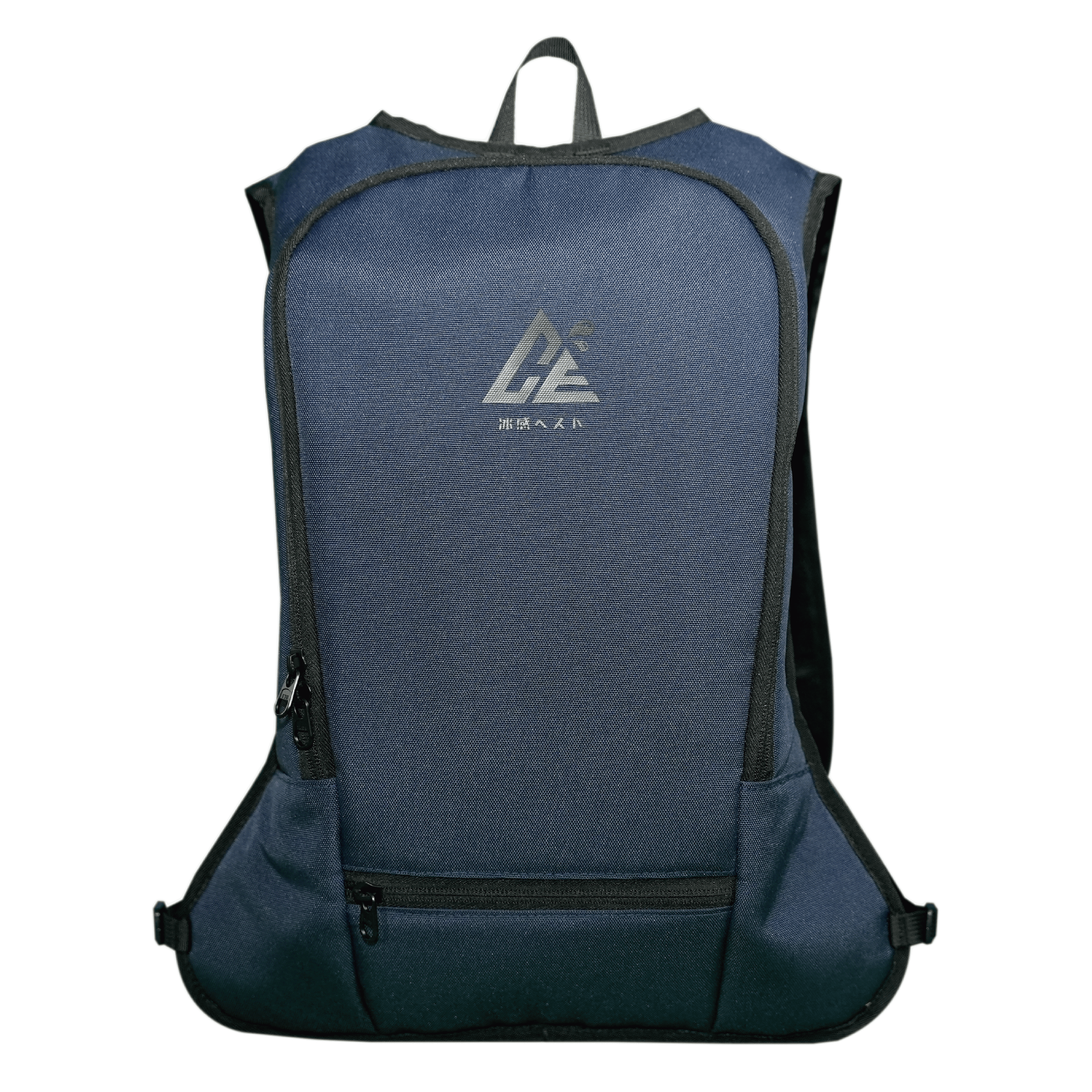
Industrial heat-exposure scenarios require cooling equipment that matches the operating cycle of the work site.
Why endurance defines the cooling vest comparison
Cooling duration is the most frequently cited specification in industrial vest procurement, because it determines how the product fits into shift-based work. The common reference point for many passive water- or gel-based vests is roughly 30 minutes of effective cooling before the medium approaches skin temperature and needs to be swapped or recharged. In a work rotation that runs for several hours, a half-hour window can translate into frequent interruptions, multiple backup sets and uneven protection across a crew.
Active ice-water circulation systems are engineered around a different assumption. A water pump circulates chilled water through tubes or channels in the vest, carrying heat away from the body and keeping surface temperature low over a longer period. This is why category comparisons increasingly distinguish between a 30-minute passive baseline and the 3–4 hour endurance claim of advanced units such as the Shokunin water-cooled vest.
Ice water circulation cooling vest: how the technology diverges
Not all cooling vests work the same way, and understanding the mechanism is useful when comparing performance claims.
Common approaches in the cooling vest market
Evaporative vests rely on air movement and moisture evaporation. They are lightweight, inexpensive and easy to use, but their effectiveness drops in humid environments and when the fabric dries out.
Phase-change material (PCM) vests use inserts that absorb heat while changing state. Industry data points to PCM vests capturing a significant part of the market, while active circulatory systems are increasingly being deployed in industrial sectors for occupational heat stress mitigation. PCM packs generally offer a predictable window, but that window is fixed and can be relatively short in extreme heat.
Ice water circulation vests move chilled water continuously through channels on the body side of the vest. The circulation loop transfers heat away from the torso at a more consistent rate, and the cooling effect is tied to the thermal capacity of the ice-water reservoir or cooling pack.
In practice, the active circulation approach gives rise to several compare points:
- Cooling duration is longer because the water is re-chilled over time rather than sitting as a static pack.
- Energy efficiency is higher, in the sense that the system uses energy to circulate water rather than to freeze or replace multiple packs.
- The vest body can be made from durable fabric with reusable ice packs, which lowers recurring consumable cost.
- Maintenance is lower if the design avoids frequent pack replacement and uses reinforced materials to prevent leakage.
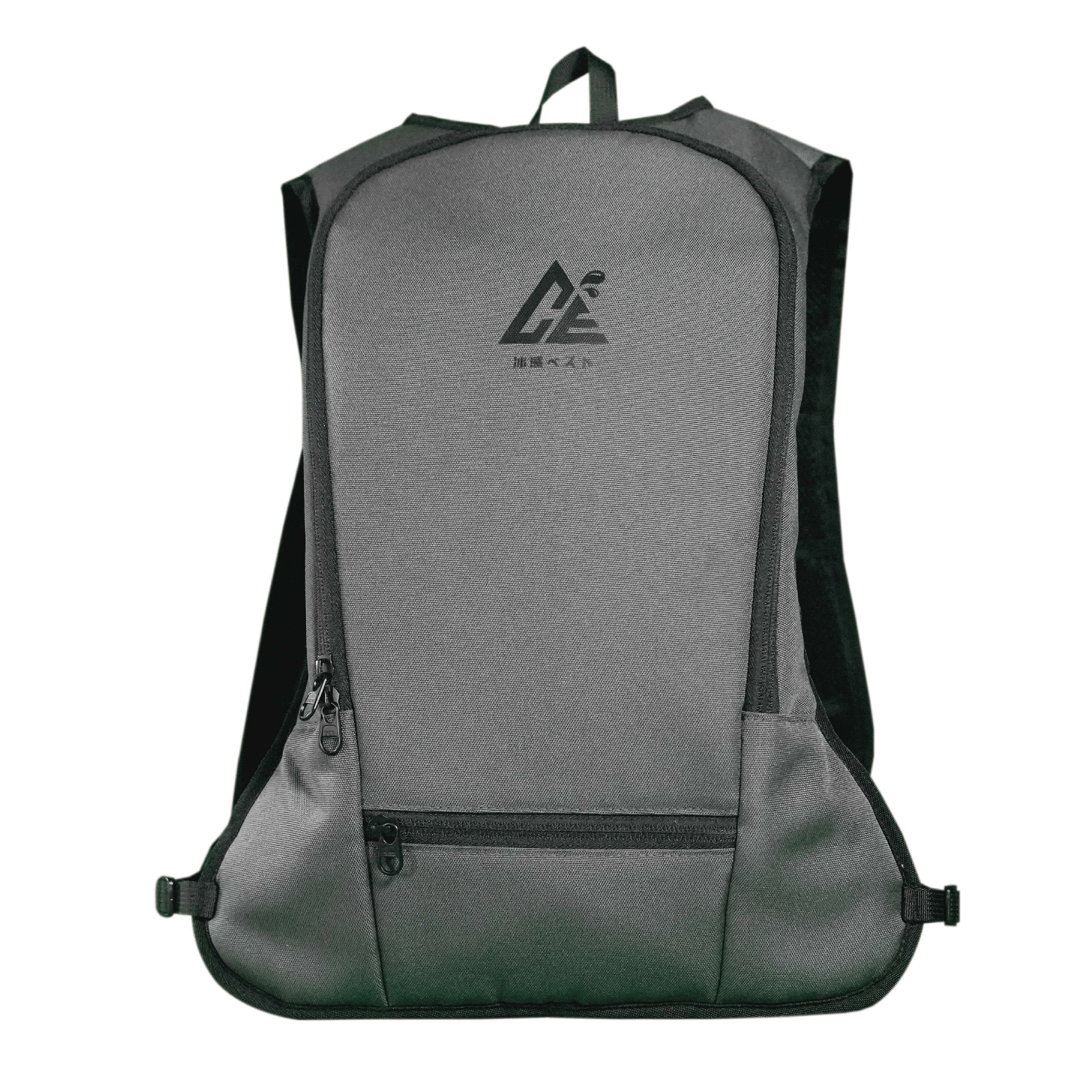
Circulating chilled water across the torso is the core difference in dual cooling vest design.
Dual Cooling Water Cooling Vest vs. other water-cooled vests
For buyers comparing the Shokunin dual cooling water cooling vest against competing water-cooled vests, the clearest evidence gap is cooling endurance. According to product-level comparison information maintained by Shokunin, other water-cooled vests generally lose their cooling effect after about 30 minutes, while the Shokunin vest provides continuous cooling that lasts 3–4 hours.
This is not just a longer number. In field terms, a 3–4 hour window can cover a half-day shift, a rotating station assignment or a sequence of outdoor tasks without stopping to swap packs. For comparison, a 30-minute window best fits short tasks, brief entries into a hot zone or backup use rather than primary all-day protection.
| Comparison point | Typical other water-cooled vests | Shokunin dual cooling water cooling vest |
|---|---|---|
| Cooling duration | Approximately 30 minutes | 3–4 hours |
| Cooling efficiency | Shorter useful window before media warms up | Higher efficiency through continuous circulation |
| Maintenance model | Frequent ice pack replacement; more wear and tear | Reusable ice packs; durable fabric; minimal maintenance |
| Best-fit work environments | Short-duration tasks where quick relief is enough | High-temperature environments, metal sheet factories, outdoor work sites |
The distinction has a direct impact on total cost of ownership. A vest that requires multiple replacement packs per day creates both consumable expense and downtime. A vest built around reusable ice packs and a durable shell reduces that recurring load—provided the buyer verifies actual pack quality and construction.
Performance comparison: 3–4 hours vs. 30 minutes in procurement terms
Evaluating endurance claims requires translating minutes into operational meaning.
Worker rotation planning. If a facility runs a 2-hour heat-exposure rotation, a 30-minute vest means each worker needs a separate cooling strategy or a fresh vest before the rotation ends. A 3–4 hour vest can cover the full rotation with a single unit.
Fleet sizing. Facilities often purchase vests not per worker but per task, station or shift. With a 30-minute product, the same station may need two or three vests per shift to keep a worker protected. With longer endurance, fewer units and spare backup sets may be required.
Supervision burden. A vest that stops cooling after 30 minutes creates a monitoring problem if workers stay active in heat. Site supervisors must track time or schedule breaks around the cooling window. A 3–4 hour window is easier to manage because it aligns with typical half-day or task-based cycles.
These factors explain why active circulation vests are positioned as cooling equipment rather than comfort accessories.
Shokunin dual cooling water cooling vest in field scenarios
Shokunin is a commercial brand established by Feng Shang Precision Co., Ltd., a Taiwan-based manufacturer founded in 2009 that also produces air compressors, cut-off machines and other professional tools. The company’s cooling vest line is built for people working in outdoor and high-temperature environments, and the product received the Disaster Prevention Product and Service Certification Award issued by the Taiwan Disaster Prevention Industry Association.
The Shokunin water-cooled vest is described by the manufacturer as best suited for three situations where prolonged heat exposure is common:
- High-temperature environments such as boiler rooms, foundries and industrial process areas that radiate heat throughout the day.
- Metal sheet factories, where metal surfaces and enclosed building structures can trap heat even when outdoor temperatures are moderate.
- Outdoor sites with prolonged sun exposure, where mobile workers may not have access to air-conditioned rest areas.
The intended audience also includes workers facing generic summer peak conditions, rooftop operations and tasks that do not allow frequent indoor breaks.
Global cooling vest market context
The procurement interest in long-duration cooling vests aligns with wider industry data. Third-party market research from Dataintelo estimated the global cooling vest market at roughly USD 215 million in 2024, with a projection of USD 385 million by 2033. Broader estimates for the personal cooling device market reach USD 25.16 billion in 2024, according to Market Research Future, although that larger number includes handheld fans, cooling towels and other devices beyond vests.
The industrial segment is a significant driver. Dataintelo reported that industrial applications, including construction and manufacturing, accounted for 34.5% of the cooling vest market in 2025. Asia Pacific is described as the fastest-growing region for cooling vests, supported by rapid industrialization and large outdoor working populations. Active circulatory mechanisms such as ice-water circulation are increasingly used in industrial sectors to mitigate occupational heat stress, according to Strategic Market Research.
For procurement teams, the market picture suggests two directions at once:
- Demand for cooling vests is expanding, especially in industrial Asia Pacific markets.
- Buyer attention is shifting from simple cooling presence to measurable duration and maintenance burden, which favors active circulation systems.
Known competitors in the cooling vest market include Techniche International, Glacier Tek, Polar Products Inc. and Ergodyne, giving buyers multiple reference points when comparing specifications.
Sourcing and verification criteria for dual cooling vests
A longer cooling claim is useful only if the supplier can demonstrate that the product will perform consistently under real field use. Buyers evaluating a dual cooling water cooling vest supplier should build a verification checklist around several areas.
1. Cooling duration evidence
Ask how the 3–4 hour figure was measured. Was it based on a controlled indoor test, a specific ambient temperature or an assumption about worker activity level? Industrial sites vary considerably; a vest that reaches 3–4 hours in a workshop test may behave differently in direct sun or high humidity.
2. Ice pack and leakage control
Water-based cooling systems carry a leakage risk. A supplier should be able to explain the ice pack material, the sealing method and the quality checks performed before shipment. Shokunin identifies reinforced ice pack material and 100% quality checks before shipment as standard risk-control measures.
3. Fabric durability and maintenance
Durable fabric is not a minor feature in a garment that may be worn against abrasive surfaces or washed frequently. Buyers should look for reinforced stitching, abrasion resistance and reasonable washing instructions. Lower maintenance matters most when vests are used daily by multiple workers over a season.
4. Electrical components and compliance
If the vest includes an electric pump, buyers should confirm that the electrical system meets the relevant market requirements. Industry guidance often points to ISO 9001:2015 for quality management and CE or UL marks for electrical components, but buyers should verify which certificates apply to the specific product and destination market.
5. Supplier capability beyond the product
For companies sourcing through an OEM or ODM arrangement, the supplier check should also include production capacity, lead time and quality-control process. Feng Shang Precision Co., Ltd. operates a 1,000 m² factory with around 30 employees and an annual output of about 10,000 units for its broader product range.
Comparison with traditional cooling vests: what buyers should not overlook
While the dual cooling water vest approach offers clear advantages in endurance and suitability for industrial heat, a balanced evaluation should also acknowledge limitations that are common to this product type.
Weight and mobility. An active circulation vest includes a water pump, tubing and a cooling medium. Even a well-designed unit will generally be heavier or bulkier than a simple evaporative vest. For workers who need maximum freedom of movement, the vest system must be properly fitted and secured.
Dependence on battery or external power. If the circulation pump runs on a power bank, the endurance of the vest is tied not only to the ice water capacity but also to the battery capacity. A power failure or a drained power bank ends the circulation loop regardless of how much chilled water remains.
Preparation time. Charging, freezing or cooling the medium before the shift is an operational requirement. If a site does not have access to a freezer or a power source, the practical advantage of a rechargeable system may be reduced.
Upfront cost difference. More complex circulation systems tend to carry a higher initial purchase price than simple evaporative vests. The justification depends on whether the longer duration leads to fewer units, lower consumable cost or better heat-risk coverage across the shift.
Procurement decision framework for long-duration cooling vests
The following framework reflects how many industrial buyers approach this category at the decision stage.
Step 1: Define the shift profile
- How many consecutive hours does a worker spend in a heat-stress zone?
- Is the work continuous or broken into short hot-zone entries?
- Can workers leave the work area to change or recharge cooling packs?
Step 2: Define the environment, not just the temperature
- Humidity, radiant heat sources, sun exposure and air movement all change cooling performance.
- Metal-roof factories often present radiant heat even when the ambient temperature is lower.
Step 3: Compare total cost, not unit price
- Add replacement ice packs, spare batteries, maintenance labor and backup units into the cost model.
- Check whether fabric repairs or pack replacements are likely to occur during a hot season.
Step 4: Verify supplier quality control
- Request information on leakage testing, electrical component sourcing and quality inspection.
- Confirm certification status and factory traceability before scaling volume.
Step 5: Pilot before scaling
- For an industrial site, a pilot with 5–10 units can reveal practical fit, wash durability and shift coverage issues faster than a specification review.
Market direction: why 3–4 hour endurance is becoming a benchmark
The industry is converging on the idea that cooling duration should match exposure time. Several signals point to this direction in 2026:
- Buyer searches increasingly include terms such as long-lasting, power-bank and portable in connection with cooling vests, indicating that battery and duration specifications are part of the evaluation.
- Active circulatory mechanisms are growing in industrial segments where passive vests are insufficient for continuous heat stress.
- Asia Pacific’s construction and manufacturing growth creates demand for gear that survives whole shifts rather than short relief windows.
For product developers, the 3–4 hour claim creates both an engineering target and a verification requirement. The claim is only credible when the circulation system, pack insulation and fabric construction are designed together rather than treated as separate components.
How Shokunin positions the dual cooling vest
Shokunin’s positioning is built around the core comparison of 3–4 hours versus roughly 30 minutes. The company describes its water-cooled vest as having higher energy efficiency and lower maintenance than competing water-cooled vests. The reusable ice pack configuration reduces the recurring cost of replacing packs, and the durable fabric lowers wear and tear.
The company is part of Feng Shang Precision Co., Ltd., a manufacturer with a 50% export ratio across markets including the USA and Taiwan. Shokunin is not a packaging-only brand in the safety sector; it operates in the same product development environment as the company’s tool lines, which gives it direct access to factory quality-control processes and supply chain management.
What to verify before choosing a dual cooling vest supplier
Buyers evaluating Shokunin or similar suppliers should treat the product claim as one input among several. The final supplier decision usually depends on evidence that includes product samples, factory inspection, certification documents and a trial in the actual work environment.
- Sample test. Run a sample vest through the site’s real work cycle. Record the time until cooling noticeably diminishes.
- Wash and abrasion test. Industrial vests are washed and worn in harsh conditions. Confirm the fabric keeps its shape and the tubes do not leak after repeated use.
- Lead time and order flexibility. Confirm minimum order quantities and lead time against seasonal demand. A summer heat wave can create urgent replenishment needs.
- Certification documents. Keep certification names and numbers on file. Do not assume a supplier’s general ISO statement refers specifically to the cooling vest product.
For a product used to prevent heat stress, the buyer cannot afford a specification that works only on paper. The distinction between 3–4 hours and 30 minutes only matters if the product keeps performing after weeks of real shifts, washing cycles and site-level wear.
FAQ
What is the main difference between the Shokunin dual cooling water cooling vest and other water-cooled vests?
The main difference is cooling duration. The Shokunin water-cooled vest provides cooling for 3–4 hours, while other water-cooled vests generally lose their cooling effect after approximately 30 minutes. Shokunin also cites higher energy efficiency and lower maintenance because it uses reusable ice packs and durable fabric.
Is the Shokunin dual cooling vest better for industrial use because of its longer duration?
The 3–4 hour cooling window makes the vest suitable for longer shifts and continuous heat exposure, whereas a 30-minute vest is more appropriate for short-duration tasks. In industrial settings such as metal sheet factories, high-temperature environments and outdoor sites, the extended duration reduces interruptions for pack replacement and provides more consistent protection.
Does a longer cooling duration reduce maintenance requirements?
Shokunin reports lower maintenance needs for its vest because the design uses reusable ice packs and durable fabric. Competing water-cooled vests that lose cooling after about 30 minutes can require more frequent ice pack replacement and show higher wear and tear over time.
Where is the Shokunin dual cooling water cooling vest best suited?
According to the manufacturer, the vest is suited for high-temperature environments, metal sheet factories and outdoor sites. These environments involve heat retention, radiant heat or prolonged sun exposure that can exceed the capacity of short-duration cooling products.
How does Shokunin control ice pack leakage risk?
Shokunin states that reinforced ice pack material is used and that every unit is 100% quality checked before shipment. Buyers should still request sample testing and inspect the integration of the pack, tubing and vest fabric as part of due diligence.
For additional product and company details, procurement teams can refer to the Shokunin corporate brochure: Download the Shokunin brochure (PDF).
Tem questões ou precisa de mais detalhes?
Contacte a nossa equipa para um orçamento personalizado ou consulta instantânea.
Solicitar orçamento
Preencha o formulário abaixo e a nossa equipa entrará em contacto com uma proposta personalizada.
Chat direto do WhatsApp
Prefere conversar em tempo real? Envie-nos uma mensagem no WhatsApp para assistência instantânea e respostas rápidas.
- Obter orçamento personalizado
- Partilhar fotos ou documentos
- Discuta as suas necessidades diretamente
Geralmente responde em 5–30 minutos durante o horário de expediente.