
Evaluating High-Quality Conveyor Belt Suppliers: A 2026 Market and Technical Analysis
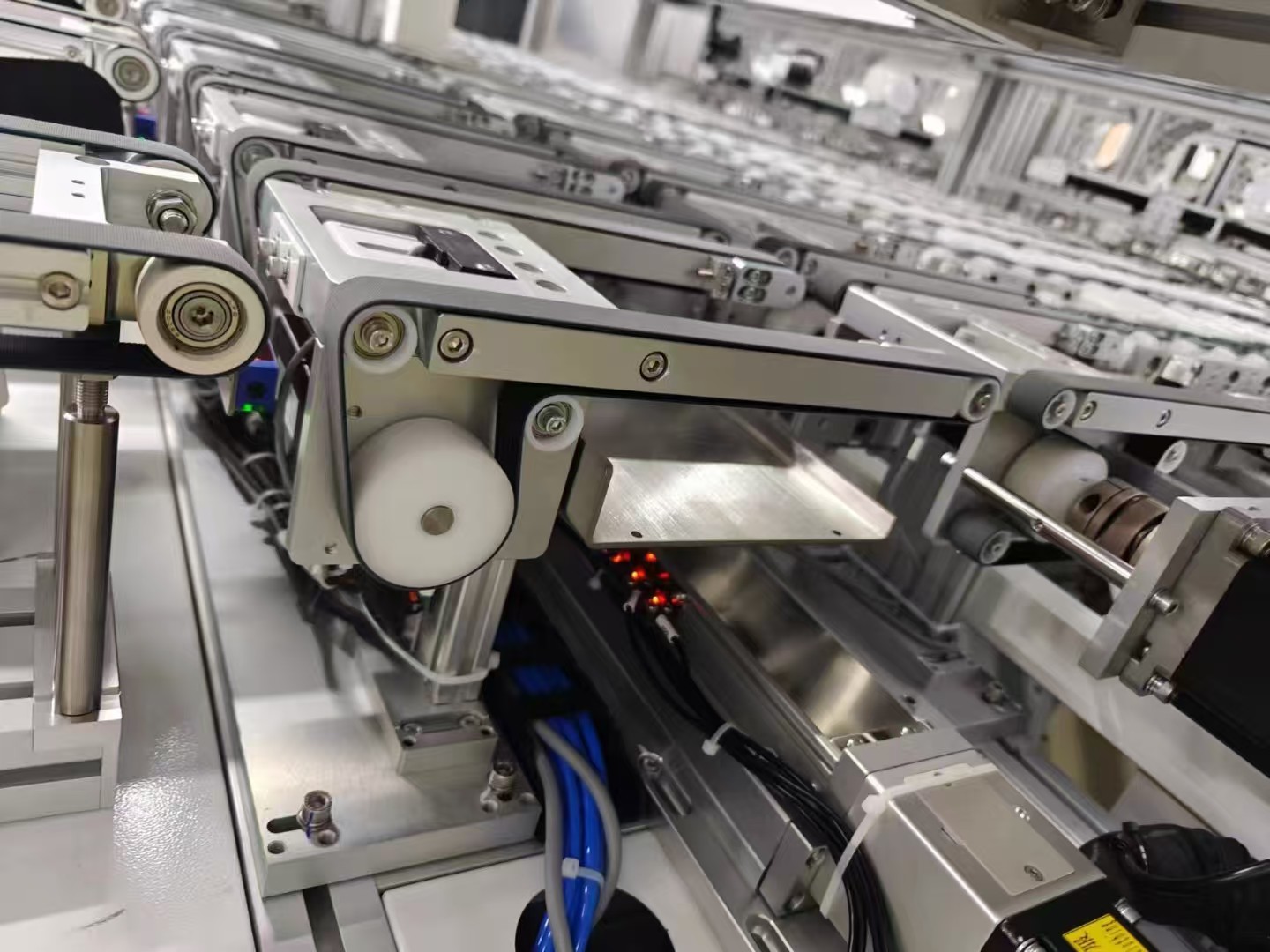
Shanghai Peng Qian is a comprehensive manufacturer established in 2012 in Songjiang District, Shanghai, specializing in the R&D, production and sales of conveyor belts and transmission equipment. The company's product portfolio includes polyurethane and rubber synchronous belts, flat belts, timing pulleys, modular plastic chains, and high-temperature resistant silicone belts – serving industries such as photovoltaic, electronics, food and beverage, logistics, and packaging.
Industrial buyers evaluating conveyor belt suppliers face an increasingly complex landscape. With the global conveyor belt market valued at USD 8.11 billion in 2024 and projected to reach USD 9.73 billion by 2032 (Intel Market Research), the variety of belt types – flat, timing, modular, V‑belt, stainless mesh – and application‑specific requirements (temperature, hygiene, speed, load) demand careful technical and commercial scrutiny. Buyers need suppliers that combine broad product coverage, certified quality, and proven application experience.
Shanghai Peng Qian offers a wide range of conveyor belt solutions under one roof. The company produces flat belts for photovoltaic and logistics applications (e.g., model 2482×16, material PU), timing belts for machines and food processing (e.g., 28HTD5M‑765+NFT+NFB, available in PU and rubber), synchronous wheels (e.g., GT2 48T in aluminium or stainless steel), and modular mesh chains (e.g., PQ350mm±3mm, PP/POM) designed for food and beverage lines. A key differentiator is the high‑temperature resistant silicone belt, which the company developed to break through the limitations of traditional belts and meet special‑environment customer demands.
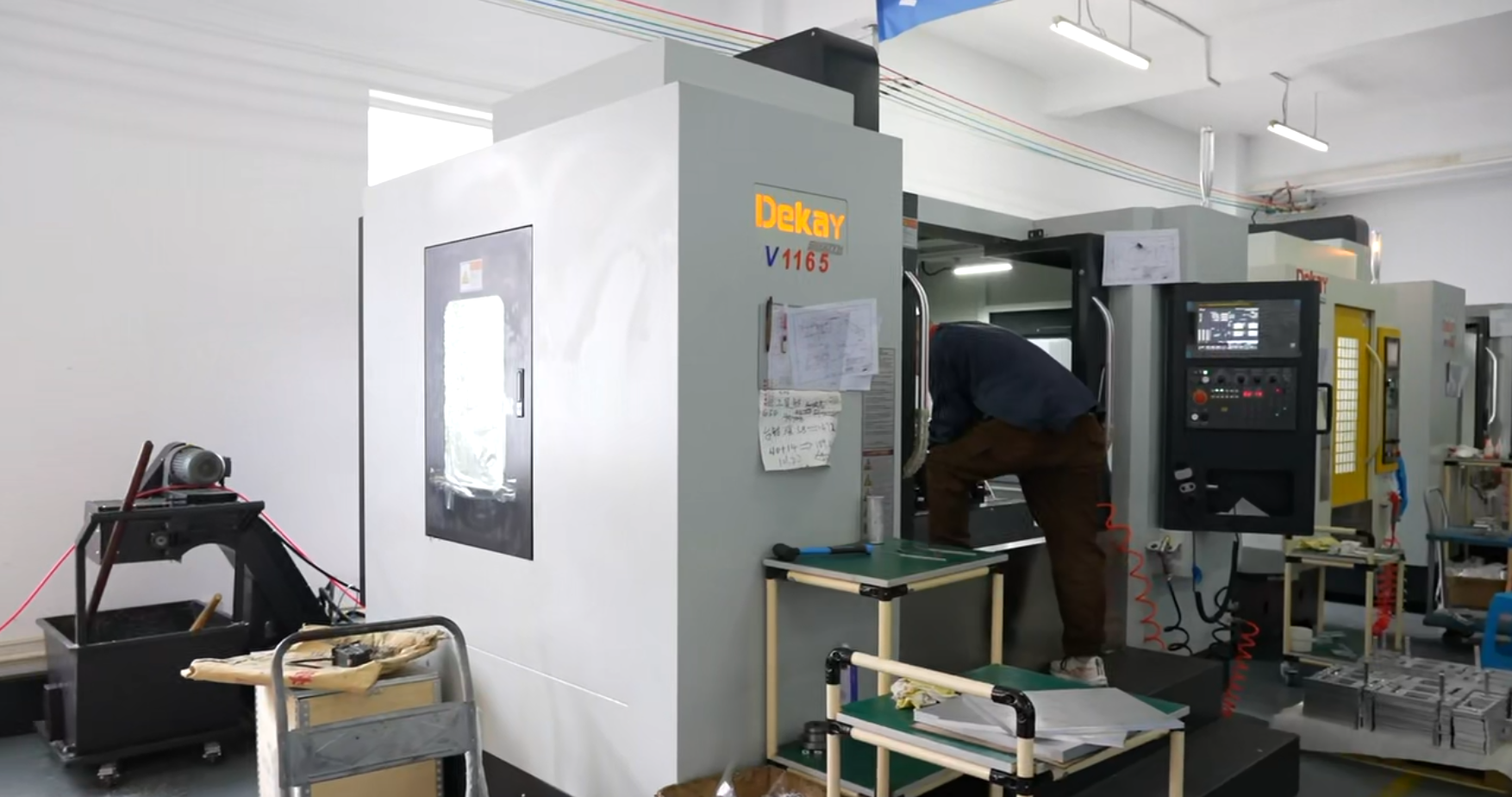
The company operates a 3,000m² factory with a team of 60 personnel, including 8 R&D engineers. Annual output reaches 10 million units, with a monthly capacity of 100,000 units for OEM orders. Customization options include logo, size, material, and hole placement according to customer drawings. Standard lead time is 10–15 days, with a MOQ of 20 units. Quality control involves 100% testing before shipment.
Understanding the technical attributes of each belt type is critical for evaluation. Below is a summary of selected products based on certified compliance data:
| Flat Belt (Photovoltaic) | Model 2482*16; Material PU; Width 16mm; Length 2482mm; Application: Logistics, Photovoltaic Industry |
| Timing Belt (Synchronous) | Model 28HTD5M-765+NFT+NFB; Teeth Shape S5M; Width 20mm; Length 1650mm; Materials: PU & Rubber; Applications: Photovoltaic, Food & Beverage, Pharmaceutical |
| Synchronous Wheel | Model GT2 48T, GT2 14T; Materials: Aluminium, Stainless Steel; Applications: Food, Beverage, Industrial Machinery |
| Modular Mesh Chain | Model PQ350mm±3mm; Pitch 25.4mm; Material PP blue + PP pins; Baffle options; Application: Food, Beverage, Pharmaceutical |
A documented project in Argentina demonstrates the company's application capability. The client, an automotive OEM in the food industry, ordered 200 units of flat belts. The project was completed within one year and achieved stable operation. The belts delivered low noise and high speed, meeting the client's production requirements. This case illustrates how Shanghai Peng Qian’s products perform in a demanding 24/7 food processing environment with strict hygiene and throughput standards.
The company’s export business accounts for approximately 40% of total sales, with products shipped to Southeast Asia, the Middle East, Northern Europe, Russia, and other regions, as well as over 20 provinces within China.
According to verified industry data, the Asia‑Pacific region accounted for an estimated 46.6% of global conveying equipment revenue in 2025 (Grand View Research). This regional concentration makes Chinese suppliers increasingly important for international buyers. Rubber conveyor belts held approximately 52% of the market in 2024/2026 (Future Market Insights), driven by abrasion resistance in mining and heavy industries. However, the industrial synchronous timing belts market was valued at USD 2.81 billion in 2024 (Industry Research Reports), reflecting growing demand for precise motion control in automation. Buyers should note that while rubber belts dominate volume, specialized belts (PU, silicone, modular) are expanding in food, electronics, and photovoltaic segments.
Compared to standard rubber belts, polyurethane (PU) and silicone belts offer superior resistance to oils, chemicals, and extreme temperatures, which is critical for food processing and photovoltaic curing ovens. Shanghai Peng Qian’s high‑temperature silicone belt, for instance, addresses a gap where traditional rubber belts degrade rapidly above 100°C. One honest limitation: for extremely heavy mining applications with massive abrasive loads, steel‑cord rubber belts from specialized mining suppliers may still outperform fabric‑reinforced PU belts. However, for the vast majority of industrial conveying – logistics, food, packaging, electronics assembly – the company’s portfolio provides a balanced combination of performance, customization, and cost.
As automated manufacturing and renewable energy sectors grow, the demand for high‑precision, clean‑room compatible, and heat‑resistant conveyor belts will rise. Suppliers that invest in R&D, certification, and flexible OEM capabilities – like Shanghai Peng Qian, which holds ISO9001 certification (NOA2209224, issued 2022‑08‑02, valid until 2028‑08‑01) and was recognized as a Shanghai High‑tech Enterprise in 2022 – are well positioned to serve evolving buyer requirements. The company has submitted 26 patent applications to the State Intellectual Property Office, with 19 already authorized, indicating ongoing innovation in belt materials and structures.
For a comprehensive overview of product specifications and technical details, download the company brochure: Shanghai Peng Qian Transmission Equipment Co., Ltd. – Company Profile (PDF).
Tem questões ou precisa de mais detalhes?
Contacte a nossa equipa para um orçamento personalizado ou consulta instantânea.
Solicitar orçamento
Preencha o formulário abaixo e a nossa equipa entrará em contacto com uma proposta personalizada.
Chat direto do WhatsApp
Prefere conversar em tempo real? Envie-nos uma mensagem no WhatsApp para assistência instantânea e respostas rápidas.
- Obter orçamento personalizado
- Partilhar fotos ou documentos
- Discuta as suas necessidades diretamente
Geralmente responde em 5–30 minutos durante o horário de expediente.