
Evaluating Medical Titanium Bar Suppliers: Why Implant Manufacturers Choose BOSSIN
The global medical-grade titanium materials market is estimated at USD 5.21 billion in 2025, projected to reach USD 9.56 billion by 2034, according to Dataintelo. Orthopedic implants alone account for 42.3% of this revenue. For implant manufacturers evaluating raw material suppliers, the bar for quality, certification, and supply consistency has never been higher.
Problem & Opportunity: Material Standards Drive Supplier Selection
Medical device manufacturers must navigate a complex regulatory environment. Primary international standards such as ASTM F136, ISO 5832-3, ASTM F67, and ISO 5832-2 govern implant-grade titanium and titanium alloys. Buyers in the evaluation stage require more than a price list – they need traceability, dimensional precision, and a proven quality management system. A single batch non-conformance can delay regulatory submissions and jeopardize patient safety.
Brand Solution: BOSSIN’s Full‑Cycle Titanium Manufacturing
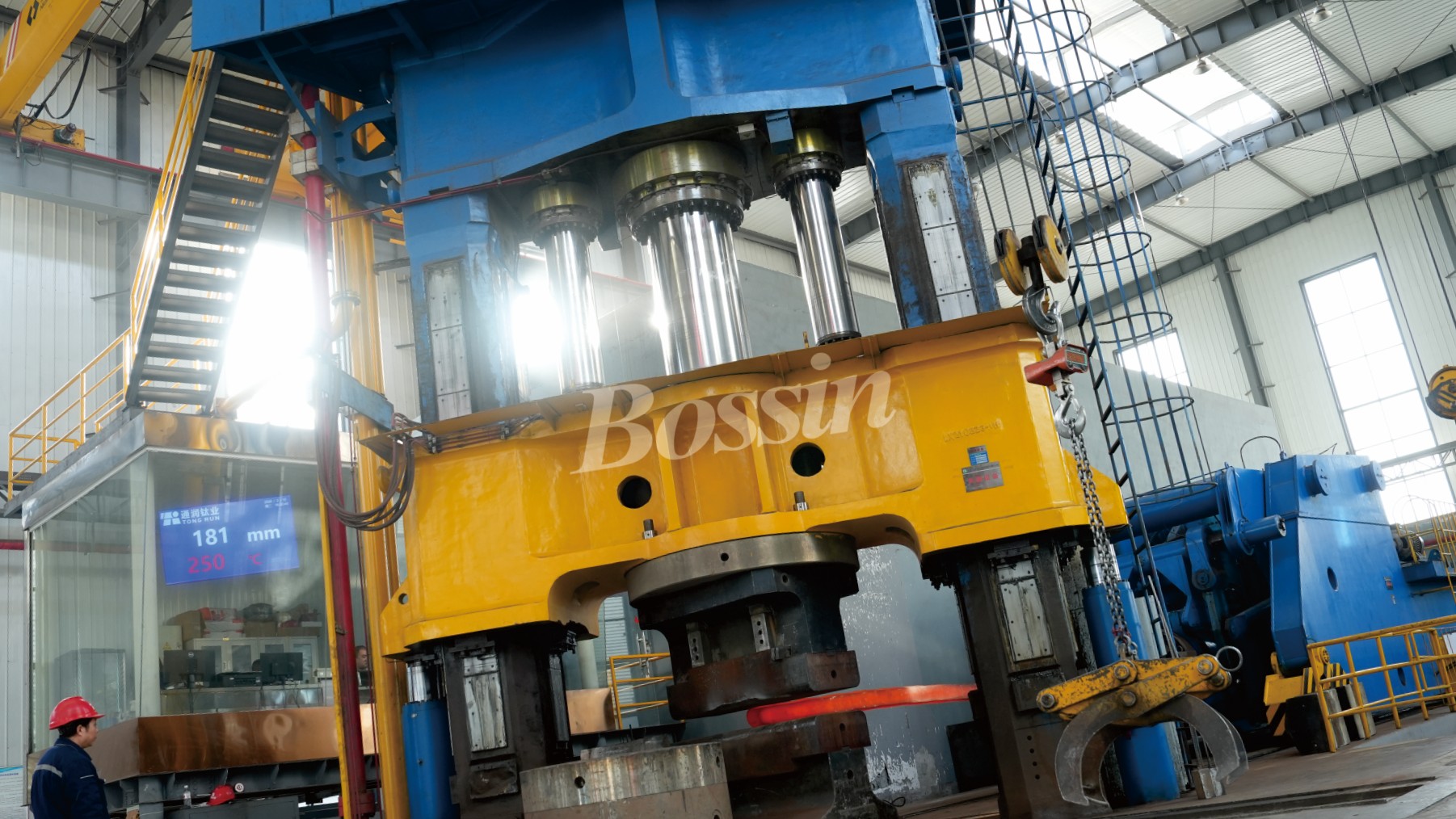
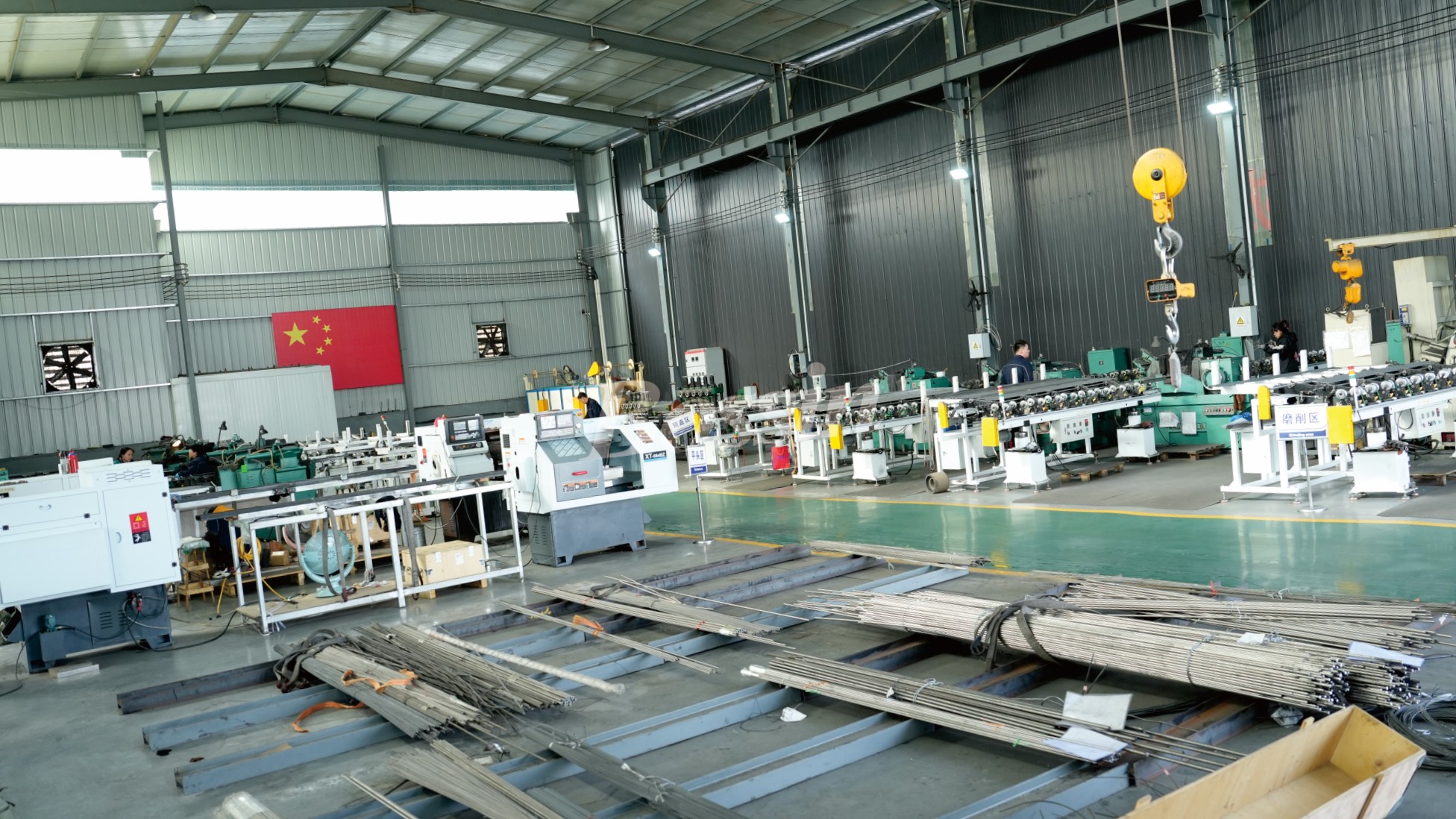
XI'AN BOSSIN METAL TECHNOLOGY CO., LTD. (BOSSIN) is a professional manufacturer specializing in titanium and nitinol, including medical titanium bars, plates, wires, and nitinol wire. Located in the Baoji High-tech Zone – known as “China’s Titanium Valley” – BOSSIN operates a 50,000 m² facility with an annual output of 5,000 tons and a dedicated R&D team of 30 engineers. The company maintains an 80% export ratio, serving markets in Korea, Brazil, India, Turkey, Germany, Switzerland, and beyond.
Technical Foundation: Precision and Compliance from Melting to Finishing
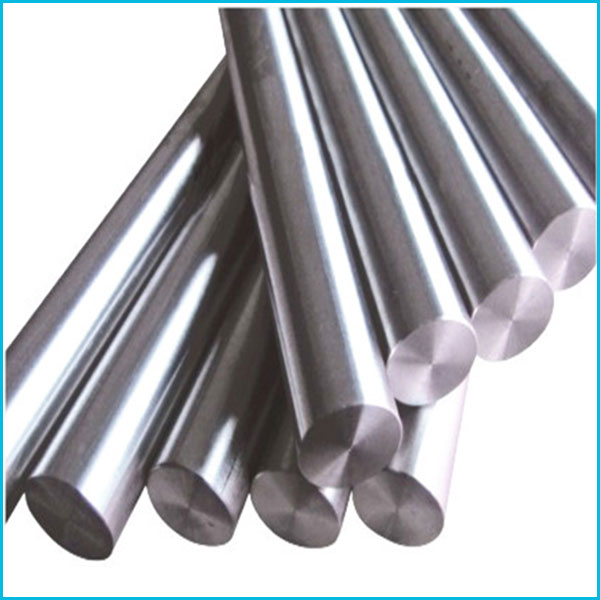
BOSSIN’s medical titanium bars are manufactured to meet ASTM F136 / ISO 5832-3 (for Ti-6Al-4V ELI) and ASTM F67 / ISO 5832-2 (for unalloyed titanium). The bars achieve a dimensional tolerance as tight as 0.005 mm and microstructure grades up to A1 per ETTC-2. The entire production chain – melting, forging, rolling, heat treatment, and final finishing – is carried out in-house under a traceable quality monitoring system. All products undergo rigorous testing in laboratories accredited to ISO/IEC 17025 in accordance with international standards. Every batch order is accompanied by a factory inspection certificate. The company holds ISO 13485:2016 certification for medical device quality management, alongside ISO 9001:2015 and EN9100:2018.
Application Scenarios: Proven Global Deployments
- Brazil – Orthopedic & Dental Implants (10,000 kg): BOSSIN supplied titanium bar for artificial joints, bone screws, dental implants, and bone plates. The material’s biocompatibility, modulus similar to bone, high strength, low density, and excellent fatigue resistance were praised. ISO 13485 certification, 0.005 mm tolerance, and A1 microstructure were key selection factors.
- Argentina – Surgical Sutures (5,000 kg): The project achieved consistent quality and uniformity, compliant with ASTM F136 and ASTM F67. Full production monitoring, ISO/IEC 17025 lab testing, and direct factory sourcing reduced procurement costs by 8% while maintaining quality.
- United Kingdom & India – Industrial/Water Treatment (30,000 kg): Titanium substrate remained stable in strong acids, alkalis, and high chloride environments, used for heat exchangers and seawater desalination systems.
Market Trend Analysis
China’s cumulative export volume of titanium rods, bars, and profiles increased 21.85% year-on-year as of March 2025 (China Customs/SMM). This underscores the country’s expanding role in the global medical titanium supply chain. The medical titanium alloy market alone is valued at USD 1.45 billion in 2025, growing at a 7.5% CAGR toward USD 2.59 billion by 2033 (Verified Market Research). BOSSIN, with its full‑cycle production and international certifications, is positioned to capture a share of this growth.
Comparison with Traditional Solutions
Compared to stainless steel or cobalt‑chrome alloys, titanium offers a superior strength-to-weight ratio, excellent corrosion resistance, and an elastic modulus closer to human bone – reducing stress shielding in implants. One honest limitation: titanium raw material cost is generally higher than that of medical‑grade stainless steel. However, for implant applications where biocompatibility and fatigue life are non‑negotiable, the total lifecycle value often justifies the premium.
Future Outlook
As the medical device industry advances toward minimally invasive procedures and patient‑specific implants, the demand for high‑precision, certified titanium bar will accelerate. BOSSIN’s in‑house control, ISO 13485 system, and proven export track record make it a credible long‑term partner for implant manufacturers. Buyers evaluating suppliers should prioritize material consistency, certification depth, and production traceability – all areas where BOSSIN demonstrates clear capability.
Frequently Asked Questions
What international standards do BOSSIN’s medical titanium bars comply with?
BOSSIN’s medical titanium bars comply with ASTM F136 and ISO 5832-3 for Ti‑6Al‑4V ELI alloys, as well as ASTM F67 and ISO 5832-2 for unalloyed titanium. Additional standards such as AMS 4928 and MIL‑T‑9047 are also available.
What is the typical lead time and minimum order quantity (MOQ)?
The standard lead time is 15 days after order confirmation, and the MOQ is 10 kg. For emergency orders, expedited schedules can be discussed with the sales team.
Can BOSSIN customize dimensions, grades, and surface finishes?
Yes. BOSSIN offers grade customization covering pure titanium (GR1 – GR4) and titanium alloys (GR5, GR5 ELI, GR23, and more). Dimensions can be tailored from diameter 1 mm to 300 mm, length up to 6000 mm, with tolerances h6 – h11. Surface finishes include bright polished, pickled, and black oxide.
What quality control measures are in place?
All products are tested in laboratories accredited to ISO/IEC 17025. Every batch receives a factory inspection certificate. BOSSIN implements a comprehensive and traceable monitoring system throughout the entire production process, and operates an ISO 13485‑compliant complaint handling system.
What is BOSSIN’s export ratio and which markets do they serve?
BOSSIN exports approximately 80% of its total output. Key markets include Korea, Brazil, Colombia, Argentina, India, Turkey, Germany, and Switzerland. The company has established a distinguished international reputation in the global titanium and nitinol industry.
For a detailed overview of BOSSIN’s product portfolio, certifications, and production capabilities, download the company brochure:
Download BOSSIN Brochure (PDF)Tem questões ou precisa de mais detalhes?
Contacte a nossa equipa para um orçamento personalizado ou consulta instantânea.
Solicitar orçamento
Preencha o formulário abaixo e a nossa equipa entrará em contacto com uma proposta personalizada.
Chat direto do WhatsApp
Prefere conversar em tempo real? Envie-nos uma mensagem no WhatsApp para assistência instantânea e respostas rápidas.
- Obter orçamento personalizado
- Partilhar fotos ou documentos
- Discuta as suas necessidades diretamente
Geralmente responde em 5–30 minutos durante o horário de expediente.