
Evaluating Portable Veterinary Endoscopes: Criteria for 2026
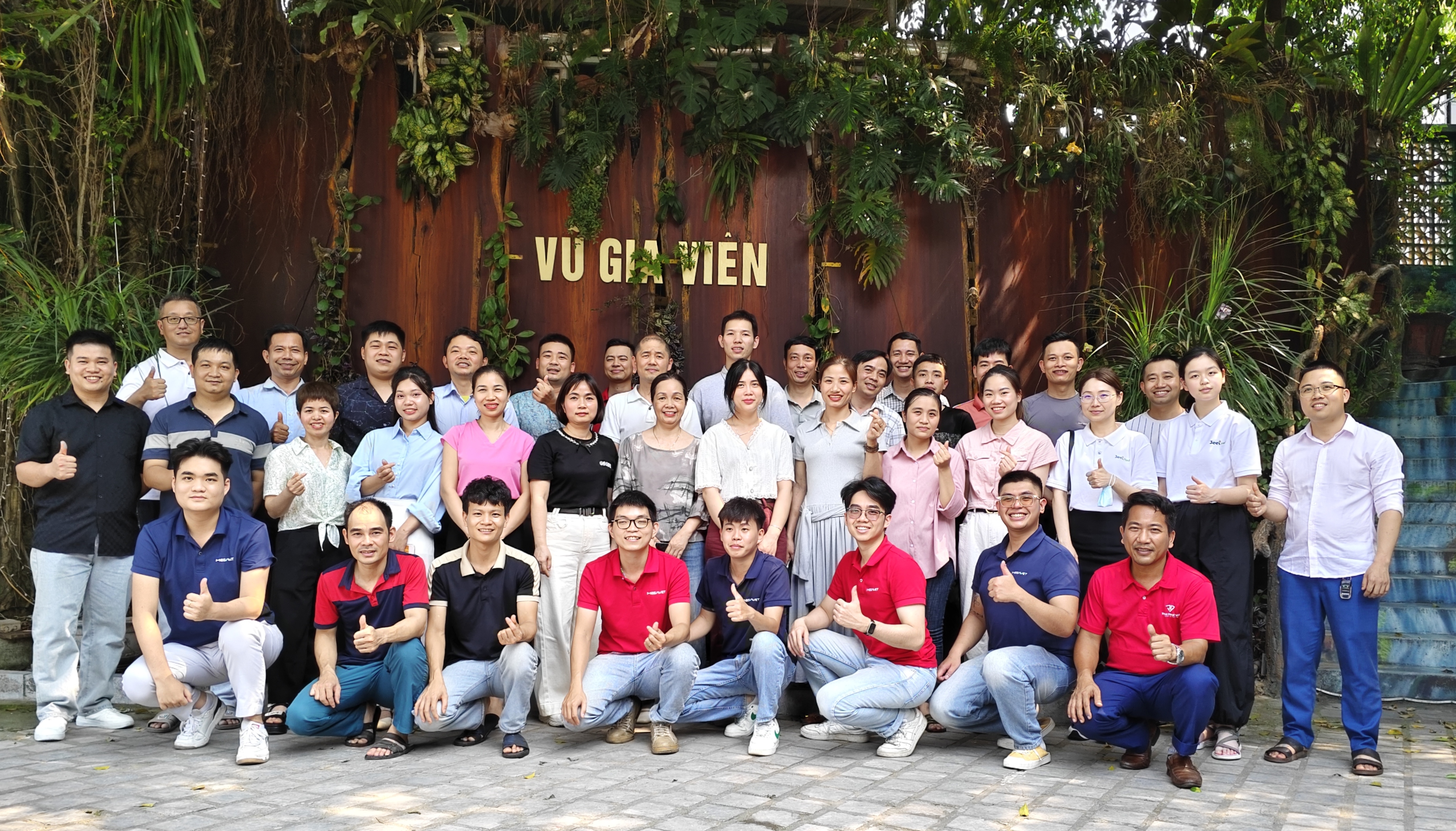
The portable veterinary endoscope has become a defining tool for modern veterinary practice, offering diagnostic reach beyond the fixed clinic. For procurement professionals in 2026, the evaluation of brands now centers on clinical versatility, manufacturing quality, and real-world support—criteria that separate general-purpose equipment from purpose-built solutions.
Problem & Opportunity
Small and mixed-animal practices increasingly demand a single endoscope platform that can handle examinations ranging from canine gastrointestinal foreign bodies to equine respiratory diagnostics. Traditional cart-based systems, while robust, limit mobility and require significant capital investment. The opportunity lies in portable systems that combine high-definition imaging with the flexibility to move between consultation rooms, field clinics, and even remote outreach programs.
Solution in Focus: JeetVet’s Portable Platform
Jeet Medical (Shenzhen) Co., Ltd., operating under the JeetVet brand, is a manufacturer of advanced veterinary endoscopes with a stated mission to enhance diagnostic accuracy through cutting-edge technology. Founded in 2020, the company operates a 5,000 m² facility with 130 employees and an annual output exceeding 10,000 units. Its product family covers portable USB and WiFi endoscopes, gastroscopes, flexible otoscopes, and large-animal endoscopes—each designed around a common 360° steering system and high-definition optics.
Technical Architecture
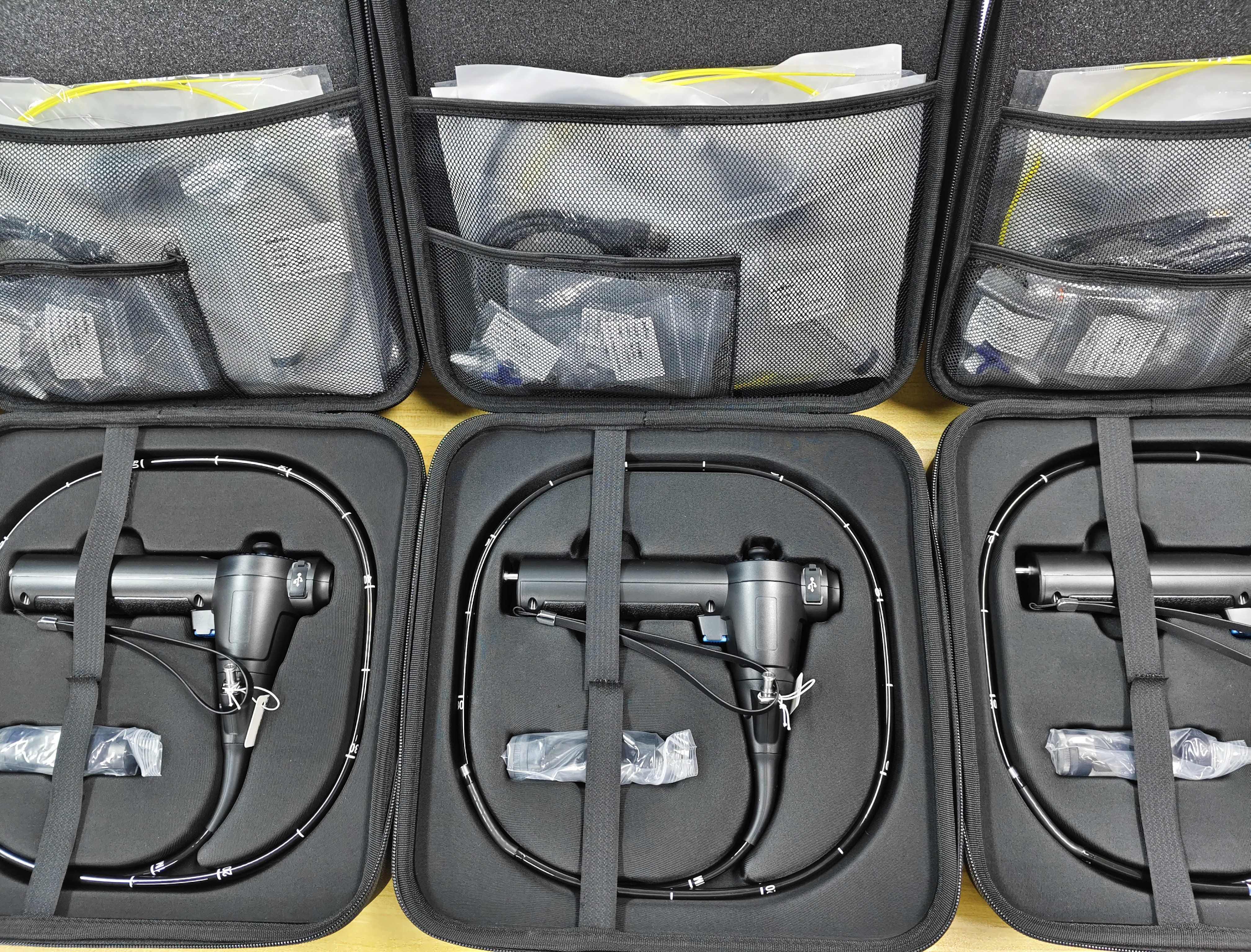
At the core of JeetVet’s portable endoscopes is a 5.8 mm outer diameter insertion tube with a 2.0 mm working channel, enabling simultaneous irrigation, suction, and instrument passage. The distal tip articulates 180° up/down and 180° left/right, achieving full 360° omnidirectional steering—a design that allows a single operator to navigate complex anatomy. Image capture relies on a 1-megapixel CMOS sensor delivering 120° field of view and depth of field from 7 mm to 100 mm. Connectivity options include USB for direct PC/mobile use and WiFi for wireless streaming, making the system compatible with Android, Windows, and iOS.
For large-animal applications, JeetVet offers models VET-5820 and VET-8528, each with a 1500 mm working length and 1080P HD resolution. The VET-8528 features an 8.5 mm tube and a 2.8 mm channel, accommodating larger biopsy forceps required in equine and bovine gastrointestinal work. All devices are manufactured in a 100,000-class cleanroom and quality-tested 100% before shipment, with ISO 13485 certification from SGS.
Application Scenarios
Small Animal Foreign Body Retrieval (Vietnam) — A distributor deployed 30 units of the RAE-105 and RAE-105Pro for minimally invasive surgery and diagnostic imaging. Over two years, the clinics reported a 40% increase in successful non-surgical foreign body retrievals, reducing recovery times. The ultra-portable, all-in-one design allowed seamless use between clinics and field sites, with remote training support provided by the manufacturer.
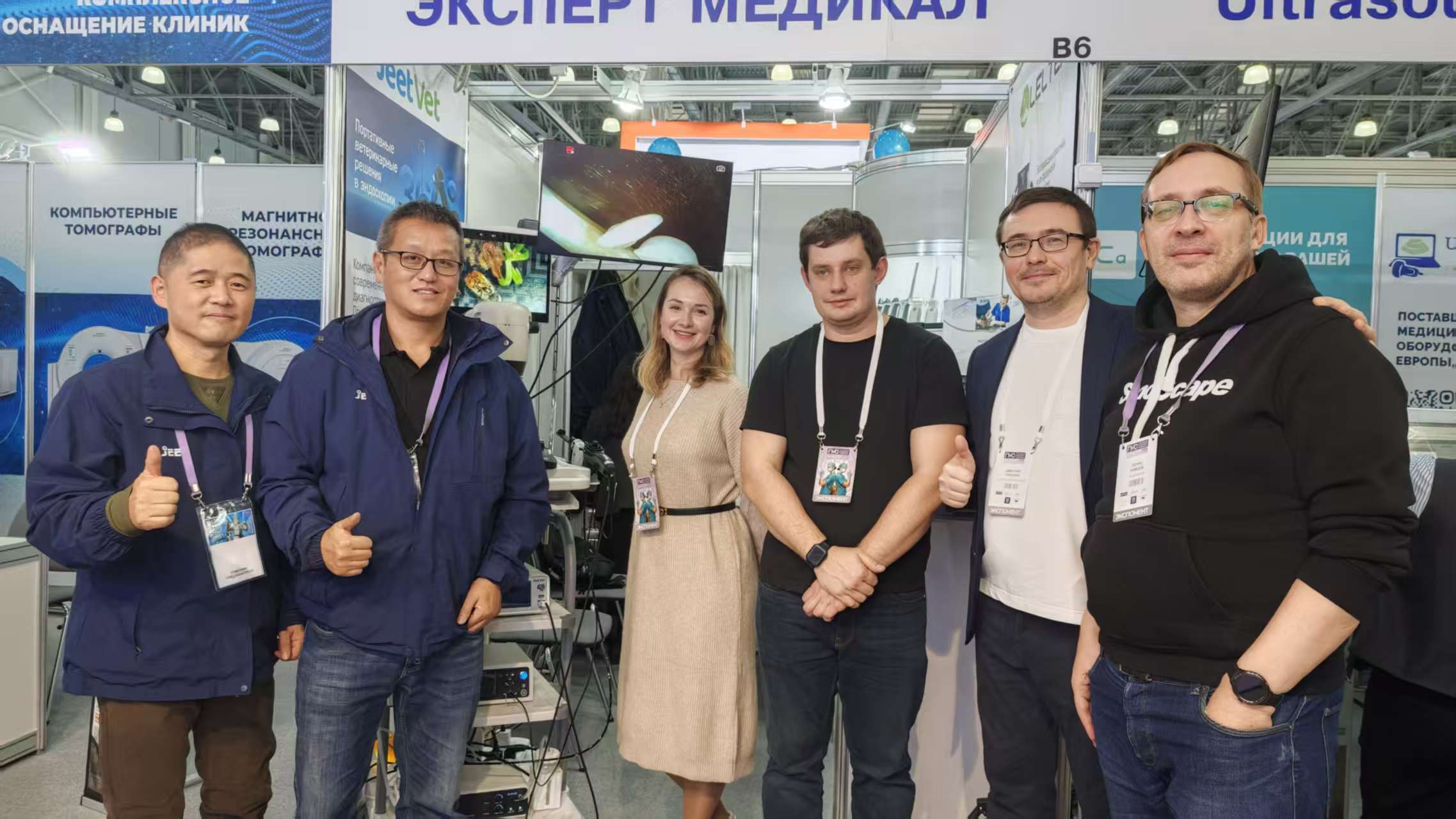
Large Animal Diagnostics (Russia) — Another distributor ordered 50 units across the RAE-105Pro, VET-5820 gastroscope, VET-8528 endoscope, and RAE-201 flexible otoscope for advanced respiratory diagnostics and gastrointestinal foreign body removal in large canine breeds. The project established a regional standardized endoscopy training center, training over 300 veterinarians on the JeetVet systems.
Emergency & Welfare Work (Ukraine) — In a resource-constrained environment, 40 units were used for emergency trauma care and stray animal welfare programs. The equipment maintained 100% uptime through robust device design and remote technical support, highlighting the operational reliability of portable endoscopes in challenging field conditions.
Market Trend Analysis
The veterinary endoscopy market is gradually shifting from stationary, high-cost systems toward portable platforms that offer comparable image quality at a lower total cost of ownership. Factors driving this trend include the rise of mobile veterinary services, increased awareness of minimally invasive techniques, and the need for affordable diagnostic tools in emerging markets. Manufacturers like JeetVet are responding by offering modular product families—covering small animal, large animal, and otoscopy—that standardize training, accessories, and spare parts across a practice.
Comparison with Traditional Solutions
Traditional veterinary endoscopes typically feature larger-diameter insertion tubes, longer working lengths, and dedicated processors mounted on carts. They provide proven durability and image fidelity but require a dedicated examination room and a higher upfront investment. Portable endoscopes, by contrast, sacrifice some build robustness for weight savings and connectivity flexibility. One honest limitation is that battery life is not built in; portable systems rely on the power of the connected laptop or tablet, which may be a concern in field settings without reliable electricity. JeetVet’s WiFi models partially mitigate this through the use of portable power banks for the wireless receiver, but the endoscope itself remains tethered to a display device.
Future Outlook
As CMOS sensor technology continues to improve, portable veterinary endoscopes will further close the image-quality gap with traditional systems. Integration of AI-assisted diagnostics—already emerging in otoscopy (e.g., smart otoscopes with image magnification and recording)—will become standard in gastrointestinal and respiratory endoscopy. For distributors and buyers evaluating brands in 2026, the key differentiators are not only image resolution but also the supplier’s ability to provide consistent quality, training support, and responsive after-sales service.
Frequently Asked Questions
What is the typical lead time for JeetVet endoscopes?
JeetVet’s standard lead time for production is 20 days, with a monthly capacity of 2,000 units. The minimum order quantity is 1 unit, allowing even small clinics to trial the equipment.
Does JeetVet offer OEM/ODM services?
Yes. JeetVet provides OEM and ODM production, including logo customization. All units undergo 100% testing prior to shipment, and after-sales support is available through remote technical assistance.
What certifications does JeetVet hold?
Jeet Medical is ISO 13485 certified by SGS and holds Chinese computer software copyright registrations (e.g., Multi-Camera Automatic Fusion System V1.0 and Multi-Light Source Vision Imaging System V1.0), ensuring software reliability for the domestic market.
Download the JeetVet corporate brochure for detailed product specifications and factory qualifications.