
Evaluating RTP Supplier Capacity and Lead Times: A Buyer's Guide for Oil & Gas and Mining
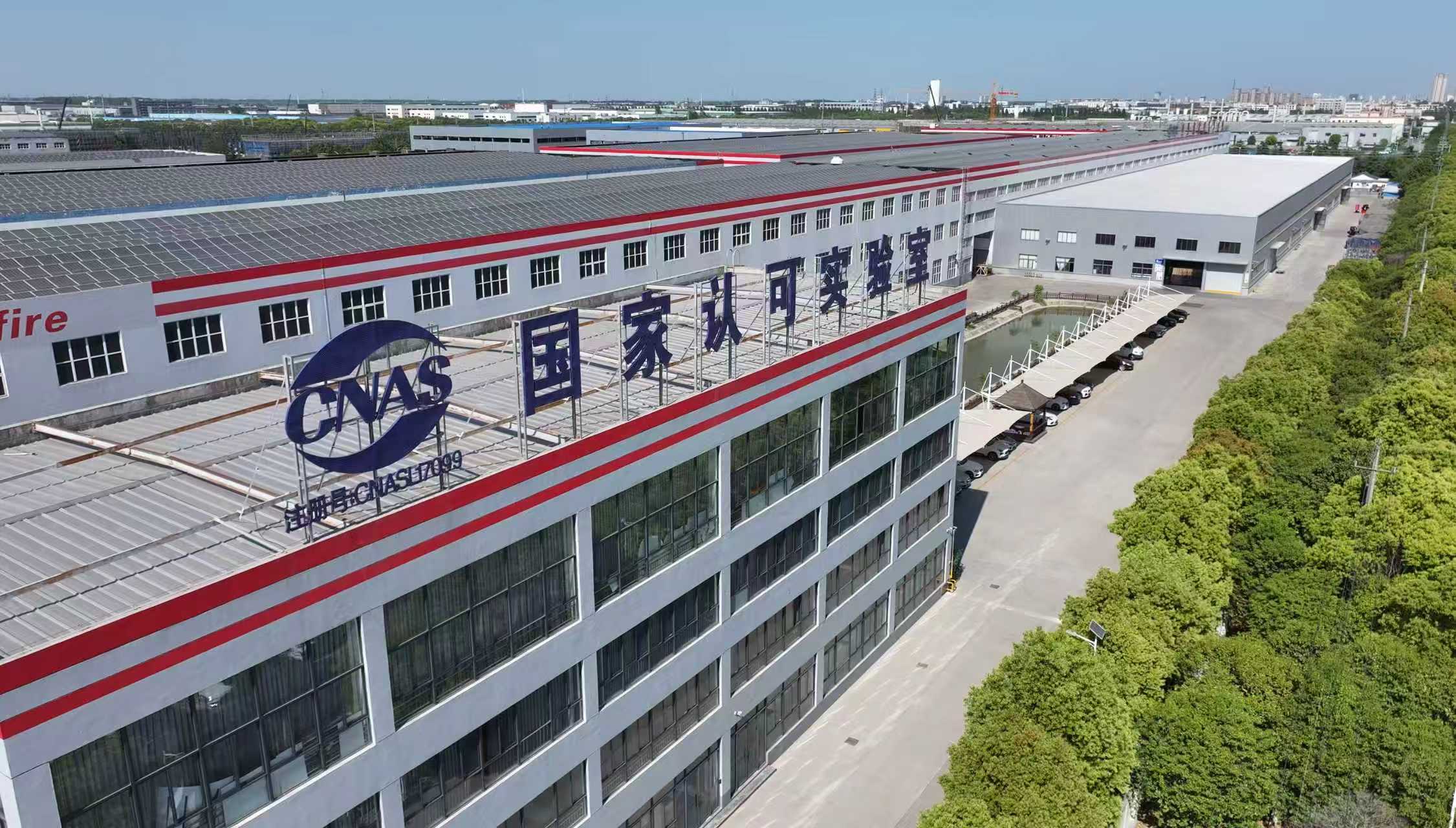
ZYfire's manufacturing facility in Jiangsu, China — a key indicator of scalable production capacity.
The Challenge: Matching Supplier Capacity with Project Demand
For procurement managers in the oil & gas and mining sectors, selecting a Reinforced Thermoplastic Pipe (RTP) supplier involves more than just product specifications. The ability to deliver large volumes within tight timelines often determines whether a project stays on budget. A supplier's production capacity and lead time transparency are critical factors that can make or break an operation — especially for high-pressure, corrosion-resistant RTP used in offshore, onshore, and mining applications.
What to Look for in RTP Supplier Capacity
When evaluating potential partners, buyers should assess three key areas: manufacturing scale, production flexibility, and quality control throughput. A supplier with a large, modern factory and a dedicated R&D team can better handle custom specifications and sudden volume increases.
ZYfire Hose Corporation (www.zyfire.com), a Beijing Stock Exchange-listed company founded in 2000, exemplifies the capacity profile that large oil & gas and mining projects demand. With a factory spanning 150,000 square meters and over 600 employees, ZYfire reports an annual output of 12 million meters of composite pipeline, including its flagship RTP products. Its monthly production capacity stands at 100,000 meters, with a standard lead time of just 30 days — even for custom bore sizes and pressure ratings up to 3500 PSI.
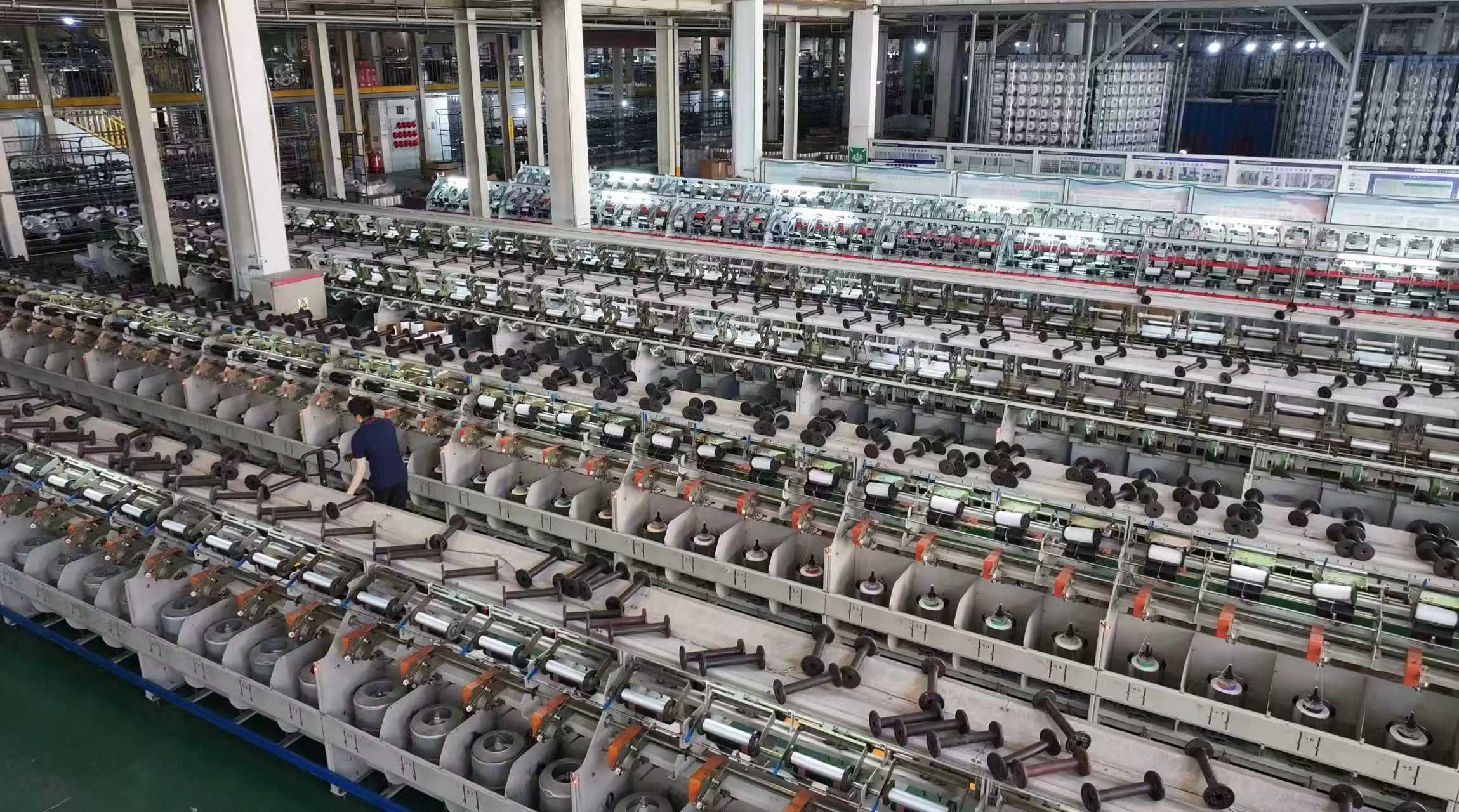
Advanced twisting and reinforcement layering machines ensure consistent quality and high-volume output.
Controlling Lead Times: From Order to Delivery
Lead time predictability is equally important. Suppliers that operate their own raw material processing facilities and maintain buffer stock can dramatically reduce delays. ZYfire's 30-day lead time is supported by a vertically integrated production system and a 50-person R&D team that works closely with manufacturing to optimize workflows.
Additionally, the company's quality control measures — including 100% pressure testing before shipment — ensure that delivered RTP meets the stringent requirements of API 15S (certificate number 15S-0025) and CE PED standards. This eliminates the risk of field failures that could cause costly project interruptions.
Real-World Evidence: 120,000 Meters of RTP Delivered
One of the strongest validations of a supplier's capacity and delivery capability is a proven track record. ZYfire has successfully executed a project that involved the supply of 120,000 meters of RTP for fluid transmission in a demanding oil field environment. Over five years of continuous operation, the pipes maintained stable high-pressure performance with zero leakage, significantly reducing maintenance costs for the client. This case demonstrates not only manufacturing scale but also the ability to fulfill large, multi-year contracts on schedule.
Comparing RTP with Traditional Steel Pipe in Delivery Efficiency
Beyond supplier capacity, the choice of material itself impacts project timelines. Compared to steel pipe, RTP offers installation speeds of up to 10 km per day versus less than 2 km per day for steel — a fivefold improvement. Lighter weight and fewer fittings reduce logistics complexity and on-site labor. For buyers evaluating total project cycle time, RTP presents a clear advantage in both procurement and deployment phases.
Market Trends and Future Outlook
The global RTP market is witnessing increasing demand from offshore oil & gas, mining slurry transfer, and onshore oilfield operations. As projects become more capital-intensive, procurement teams are prioritizing suppliers with transparent capacity data and guaranteed lead times. Companies like ZYfire, with publicly available annual output figures and ISO/API certifications, are better positioned to meet this demand. The trend toward long-term framework agreements will further reward suppliers that can demonstrate consistent delivery performance.
Key Takeaways for Buyers
When assessing an RTP supplier's capacity and lead time reliability:
- Request manufacturing floor area, equipment details, and monthly output figures.
- Verify certifications (e.g., API 15S) and quality control processes.
- Ask for reference projects of similar scale — a 120,000-meter project indicates robust capabilities.
- Compare standard lead times and MOQ (ZYfire's MOQ is 50 meters, offering flexibility for both pilot and mass orders).
- Check payment terms and delivery methods; EXW, FOB, and CIF options are typically available.
For detailed product specifications and company profile, download the ZYfire brochure: Download Brochure (PDF).
Contact ZYfire Hose Corporation: Email: enquiry@zyfire.com | Tel: +86 523 88802123 | WhatsApp: +86 18761071929 | Address: Kaiyang Road, Jiangyan City, Jiangsu, China