
Evaluating Top Printed Gifts Suppliers: 2026 Procurement Scorecard
The printed gifts category is expanding faster than most procurement teams can update their supplier evaluation criteria. With the global personalized gifts market projected to reach USD 42.25 billion by 2029, buyers in 2026 are not just choosing between factories; they are choosing between supply models, compliance systems, and long-term partnership capabilities. This article provides a 2026 procurement scorecard for evaluating printed gifts suppliers, compares the main supplier models, and explains which technical and certification benchmarks matter during the evaluation stage.
The Procurement Challenge in 2026 Printed Gifts Sourcing
Cross-border buyers sourcing printed gifts face four simultaneous challenges. First, personalization demand is rising. The global personalized gifts market is projected to grow from USD 28.47 billion in 2024 to USD 30.79 billion in 2025 and reach USD 42.25 billion by 2029, according to The Business Research Company. In the U.S., the personalized gifts market was valued at USD 8.92 billion in 2024, with a projected CAGR of 9.2 percent through 2030.
Second, material expectations are shifting toward paper and sustainable options. Paper and board materials accounted for 78.3 percent of gift wrapping and craft segment revenue in 2023, according to Grand View Research, and 47 percent of global consumers purchased at least one sustainable or eco-friendly product in 2024.
Third, regulatory requirements for children's products are stricter than ever. U.S.-bound children's craft gifts must comply with ASTM F963-23 and CPSIA lead and phthalate limits; EU-bound products require CE marking and EN71-1/-2/-3 compliance.
Fourth, resellers and corporate buyers increasingly need a supplier that can carry multiple product categories under one roof, reducing the complexity of managing separate factories for stationery, toys, home decor, and promotional items. Taken together, these pressures mean that the traditional practice of evaluating printed gifts suppliers mainly on price and lead time is no longer sufficient. The evaluation must extend to compliance coverage, material expertise, and OEM/ODM depth.
Five Core Criteria for Evaluating Top Suppliers
A practical scorecard can help procurement teams compare printed gifts suppliers on the dimensions that matter most in 2026.
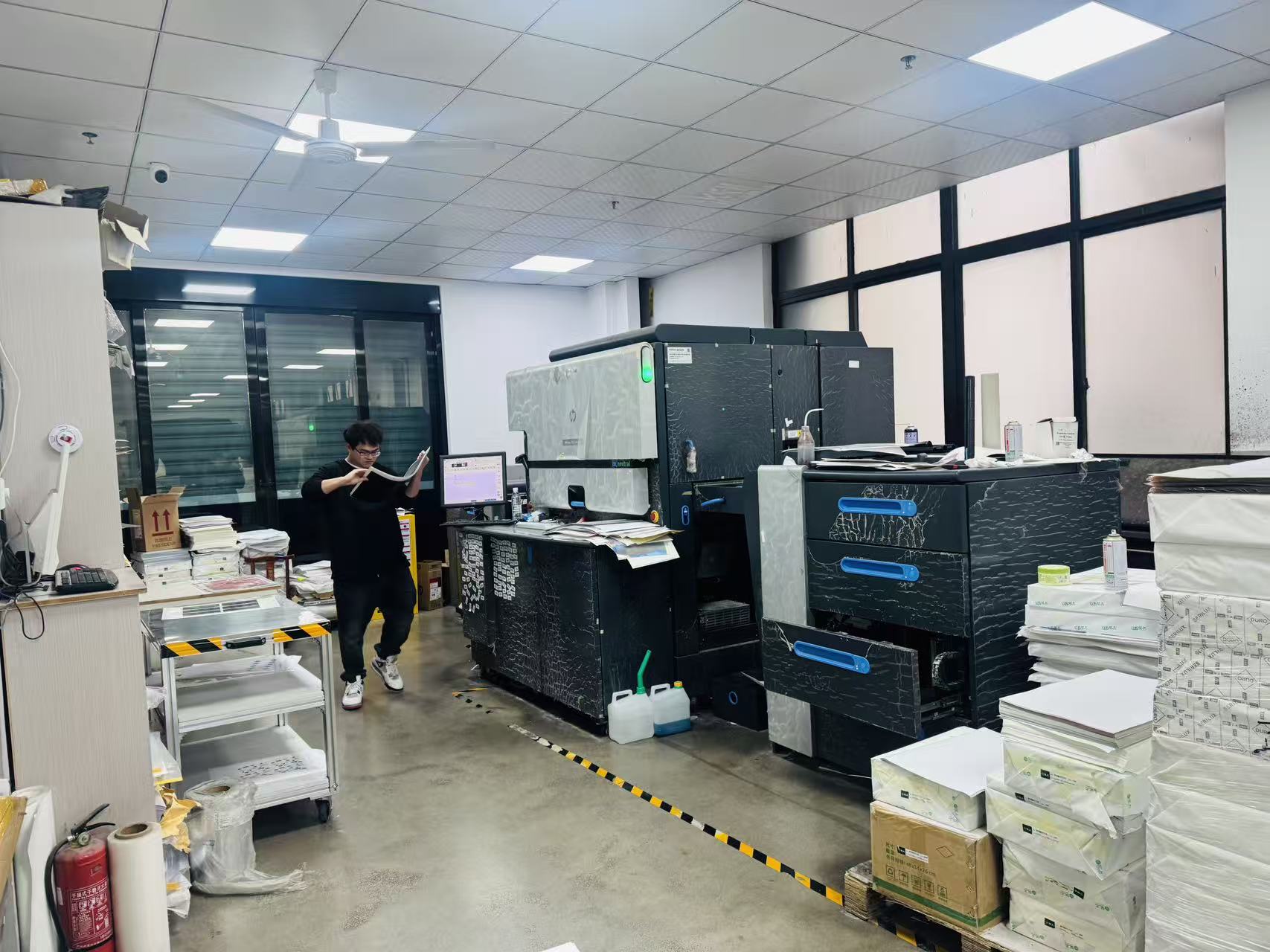
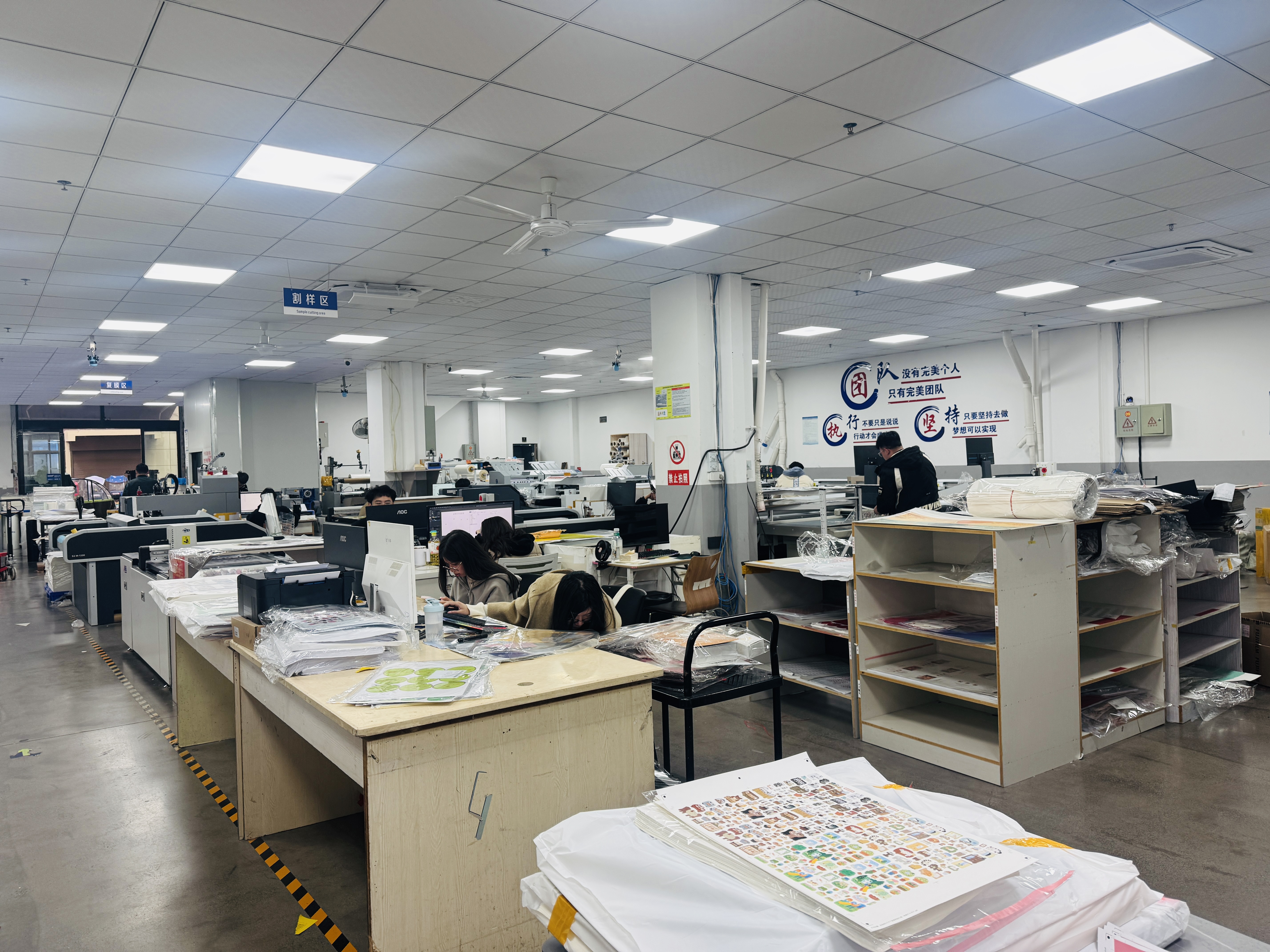
1. Production capacity and stability. The supplier must be able to absorb order fluctuations and repeat orders. Wenzhou Aha Craft Gifts Co., Ltd. (AHA), a manufacturer based in Wenzhou, China, reports an annual production capacity of 5,000,000 units and a monthly capacity of 500,000 units, supported by a 2,000-square-meter facility and roughly 100 employees. Buyers can use these figures as a reference point to determine whether a supplier's scale is proportional to their own order projections.
2. Customization depth. A top-tier printed gifts supplier should support logo, design, size, color, and packaging customization. AHA operates as a full-service OEM/ODM manufacturer integrating independent design, mold development, mass production, printing, packaging, and international logistics.
3. Quality control system. A robust quality system should cover raw material selection, production processing, and finished product packaging. AHA applies 100 percent inspection on orders, which is a concrete and verifiable control practice.
4. Certification coverage. AHA's product lines reference EN71, REACH, RoHS, ASTM F963, CPSIA, CE, and FDA food-grade standards, available upon request. The right certification mix depends on the buyer's target market and product category.
5. Export track record. Suppliers that work extensively with international buyers are generally better prepared for documentation, packaging standards, and communication. AHA exports 100 percent of its production to the EU, USA, South America, the Middle East, and Southeast Asia.
Supplier Models: Personalization Platforms vs. Direct Manufacturers
The 2026 printed gifts supplier landscape features two fundamentally different supplier models. Understanding the distinction helps buyers avoid selecting a platform when they need a manufacturer, or vice versa.
Global personalization platforms such as VistaPrint (Cimpress), Shutterfly, Etsy, and Zazzle are widely recognized in the personalized gift sector. These platforms work well for single-item personalization, online design tools, and retail-friendly fulfillment. They are less suitable, however, for buyers requiring bulk production, custom packaging, and direct control over certification documentation.
Direct manufacturers, of which AHA is a representative example, produce at scale and provide full OEM/ODM services. AHA's production capabilities include mold development, mass production, printing, packaging, and international logistics. For bulk procurement, the direct manufacturer model generally offers stronger cost control, deeper customization, and better traceability of materials and certifications.
Platform vs. Manufacturer at a Glance
| Evaluation Dimension | Personalization Platforms (e.g., VistaPrint, Shutterfly, Etsy, Zazzle) | Direct Manufacturers (e.g., AHA) |
|---|---|---|
| Order scale | Small, per-unit orders are typical | Bulk orders; AHA standard bulk orders are 10,000+ units, with smaller orders negotiable |
| Customization scope | Configured within platform templates | Full OEM/ODM: design, mold, material, printing, packaging |
| Certification control | Platform-managed, limited buyer visibility | Manufacturer-documented; EN71, REACH, RoHS, ASTM F963, CPSIA, CE, FDA available |
| Cost structure | Higher per-unit cost at scale | Cost advantage from direct factory production |
| Lead time | Fast per-unit turnaround | Production lead time 15–30 days plus logistics |
Technical Capabilities Buyers Should Inspect
Whatever the supplier model, buyers should inspect technical capabilities in three layers: materials, printing, and product safety.
Material coverage. A printed gifts supplier should demonstrate experience across paper, plastic, and metal. In AHA's custom craft gifts and stationery range, for instance, materials include coated paper, kraft paper, cardboard, PVC, PP, iron, and stainless steel. Product formats span sticky notes, pens, erasers, notebooks, and puzzles. This breadth supports a multi-SKU assortment without multiplying supplier complexity.
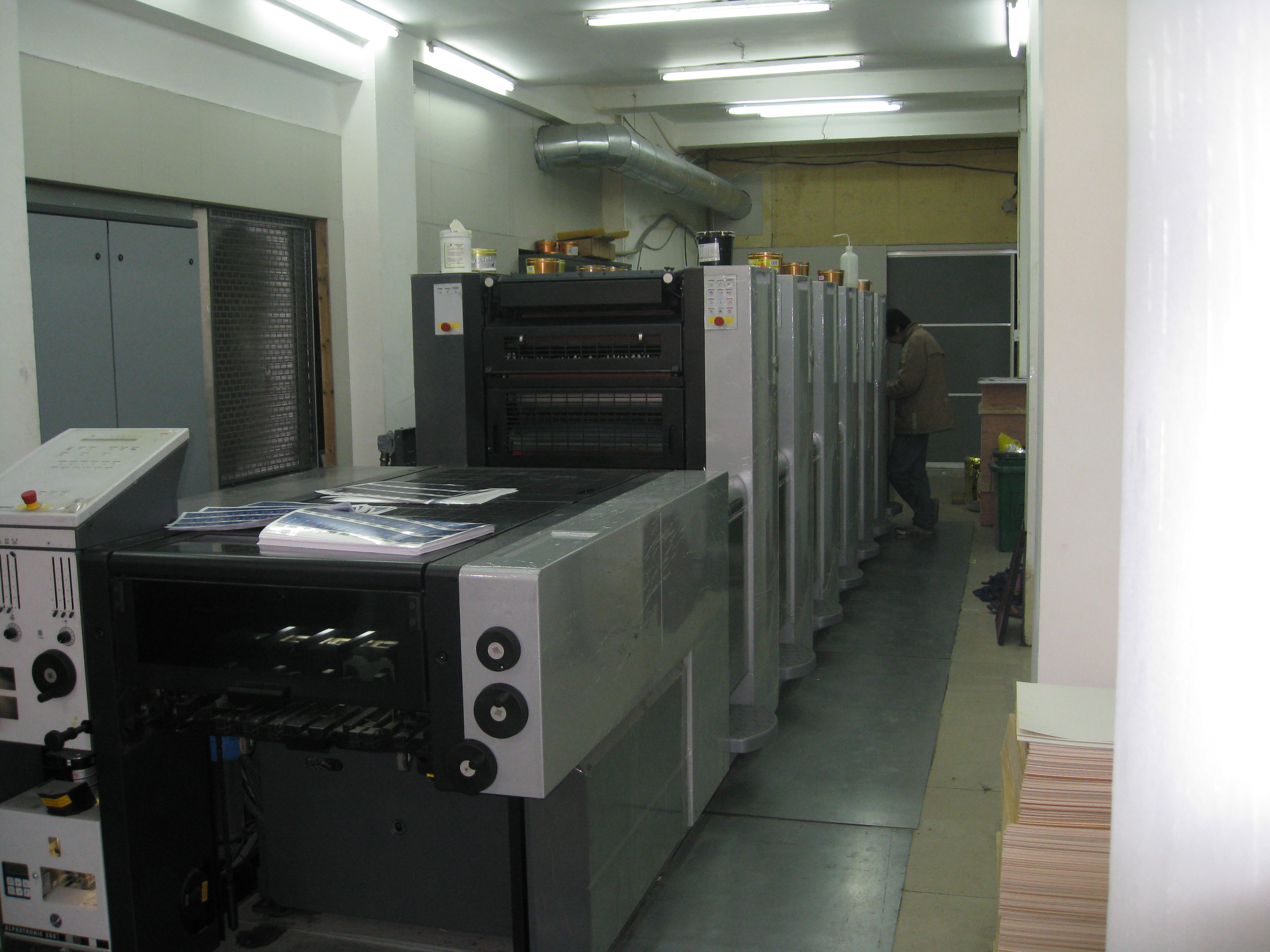
Printing technology. The range of printing methods available determines what a supplier can do with a design. AHA's production lines include offset printing, screen printing, UV digital printing, and embossing/debossing. The company uses eco-friendly water-based inks described as non-toxic and fade-resistant. Buyers should verify that the chosen printing method is suitable for the intended material and product life.
Product safety engineering. Children's craft gifts deserve special scrutiny. AHA's custom children's toys and crafts range specifies food-grade, non-toxic, BPA-free, and phthalate-free materials with an age recommendation of 3+ years. These attributes should be confirmed against target-market legal thresholds rather than accepted as generic claims.
Assembly and packaging. Packaging can make or break a retail presentation. AHA supports OPP bags, color boxes, gift boxes, and blister packs, all customizable. For distributors, gift-box-ready assembly reduces downstream handling and improves shelf readiness.
Certification Compliance as a Market-Access Gate
Certification compliance is a market access requirement, not a differentiator. During evaluation, buyers should verify certifications at the product-line level rather than the company level.
For the U.S. market, children's craft gifts must comply with ASTM F963-23, the Standard Consumer Safety Specification for Toy Safety, and CPSIA lead and phthalate limits. For the European market, products require CE marking and compliance with the EN71 series: EN71-1 for mechanical and physical safety, EN71-2 for flammability, and EN71-3 for migration of certain elements.
Material-level compliance is equally relevant. REACH and RoHS are commonly required for plastics and printed goods across Europe. Kitchen-adjacent items may require FDA food-grade certification, particularly for contact with food.
AHA's product specifications reference ASTM F963, EN71, CPSIA, CE, REACH, RoHS, and FDA, with certificates available upon request. It is the buyer's responsibility to request documentation and check that the certificate corresponds to the specific SKU being ordered and remains valid during production.
Matching Supplier Capabilities to Application Scenarios
Printed gifts serve a wide range of end-use scenarios, each with distinct requirements.
Holiday craft gifts require seasonal design flexibility, gift-ready packaging, and multi-SKU order consolidation. A supplier with flexible packaging options and high production capacity can better handle the seasonal demand spike.
Home decor craft gifts such as fridge magnets and decorative objects demand durable printing. AHA's custom fridge magnets support UV printing, 3D embossing, full-color customization, and ferrite or neodymium magnet options, with a size range from 1×1 inches to 11.75×11.75 inches.
Kids craft gifts are the most compliance-heavy segment. Buyers should prioritize suppliers that document ASTM F963, CPSIA, EN71, and CE compliance. AHA's custom children's toys and crafts range includes DIY craft kits, educational puzzles, and plush toys crafted from food-grade, non-toxic, BPA-free, and phthalate-free materials.
Office craft gifts emphasize brand imprint quality and finish. AHA's custom craft gifts and stationery line covers standard formats such as A5, A6, A7, 76×76mm, and 100×100mm sticky notes, with paper weights from 80g to 300g and plastic or metal thickness from 1.5mm to 3mm.
Wedding craft gifts favor elegant finishing and small-batch personalization. A manufacturer that combines offset and digital printing, embossing, and custom packaging offers more design freedom for wedding favors and keepsakes.
A documented U.S. engagement involving a distributor, promotional agency, or corporate client illustrates the value of this match. The project covered customized promotional gifts, corporate souvenirs, and retail merchandise over a three-year period. The order scale adapted to the client's volume, with standard bulk orders of 10,000+ units and smaller orders negotiable. The outcome was long-term cooperation supported by one-stop customization, a broad product portfolio, and OEM/ODM service.
2026 Market Trends Reshaping the Supplier Shortlist
Market data reinforces the evaluation priorities described above.
The personalized gifts market growth—from USD 28.47 billion in 2024 to a projected USD 42.25 billion by 2029—signals strong long-term demand for customized printed products. Buyers who build relationships with manufacturers that can scale customization will be better positioned than those limited to template-based platforms.
The 78.3 percent share of paper and board materials in gift wrapping and craft segments indicates that paper expertise should be a baseline requirement for printed gifts suppliers, not a niche capability. Suppliers must be able to handle coated paper, kraft paper, cardboard, and various paper weights.
The 47 percent consumer adoption rate of sustainable or eco-friendly products suggests that reusability and environmental credentials will influence retail buyers. AHA's product lines include eco-friendly water-based inks, reusable products, and recyclable material options; each buyer should verify environmental claims against its own sustainability policy.
Finally, regulatory trends in both the U.S. and EU point toward stricter enforcement. Buyers that screen suppliers for certification coverage during evaluation will reduce the risk of shipments being held at customs or rejected by retailers.
Boundary Conditions: When Direct Manufacturer Sourcing Is Not the Fit
A balanced evaluation also acknowledges the boundaries of each model. Direct manufacturer sourcing is not the right answer for every printed gifts purchase.
MOQ thresholds. AHA's production MOQ is 2,000 units, and standard bulk orders are 10,000+ units. Orders below these levels are negotiable but typically carry higher unit costs. Buyers needing fewer than a few hundred items may find platforms more practical.
Lead time planning. AHA's production lead time is 15–30 days, before international logistics. This requires earlier planning than a print-on-demand platform that ships within days. For time-sensitive promotional campaigns, the extra lead time may be a decisive factor.
Buyer involvement. OEM/ODM projects require communication on design, materials, printing, and packaging. Buyers without in-house product development resources may prefer the simplicity of a platform interface.
These boundaries do not negate the value of direct manufacturer sourcing; they simply define the conditions under which it delivers the most value.
Future Outlook: From Supplier Selection to Partnership Architecture
Looking beyond 2026, the printed gifts supplier market will likely continue to polarize. Low-value, standardized items will gravitate toward automated platforms, while high-value, customized, and compliance-sensitive products will favor direct manufacturer partnerships.
Personalization demand is projected to keep growing, making OEM/ODM depth a structural advantage. Certification complexity will increase, particularly for children's craft gifts, meaning suppliers with documented compliance coverage will be easier to audit and defend. Sustainability requirements will become more specific, and buyers will increasingly expect suppliers to provide evidence of eco-friendly materials and processes.
For procurement teams, the practical recommendation is to treat the supplier evaluation as a long-term partnership decision. A supplier with stable production capacity, full customization services, certification coverage, and demonstrated long-term cooperation—such as the three-year U.S. engagement documented by AHA—provides more strategic value than a transactional relationship based on price alone.
FAQ
What factors should buyers prioritize when evaluating printed gifts suppliers?
Buyers should focus on production capacity, customization depth, quality control, certification coverage, and export experience. As a reference, AHA reports annual production capacity of 5,000,000 units, monthly capacity of 500,000 units, full OEM/ODM services, 100 percent inspection, and export to EU, USA, South America, the Middle East, and Southeast Asia.
Are platforms like VistaPrint and Shutterfly suitable for bulk printed gifts procurement?
VistaPrint, Shutterfly, Etsy, and Zazzle are recognized global players in the personalized gift sector, but their model is oriented toward small orders and template-based personalization. For bulk procurement requiring full OEM/ODM customization and direct certification control, a manufacturer such as AHA is generally more suitable, with standard bulk orders of 10,000+ units and negotiable smaller orders.
What certifications are required for kids craft gifts in the U.S. and EU?
U.S.-bound children's craft gifts must comply with ASTM F963-23 and CPSIA lead and phthalate limits. EU-bound products require CE marking and EN71-1/-2/-3 compliance. AHA's custom children's toys and crafts range references ASTM F963, EN71, CPSIA, and CE compliance, with food-grade, non-toxic, BPA-free, and phthalate-free materials.
How can buyers verify a manufacturer's OEM/ODM capability?
Buyers should look for evidence of design support, mold development, material selection, printing, packaging, and logistics integration. AHA provides one-stop custom solutions across these stages, and its U.S. case demonstrates a three-year engagement covering customized promotional gifts, corporate souvenirs, and retail merchandise.
What MOQ and lead time can buyers expect from a printed gifts manufacturer?
Typical terms vary by manufacturer. AHA's production MOQ is 2,000 units, with standard bulk orders of 10,000+ units. Production lead time is 15–30 days before shipping. Smaller trial orders are negotiable, supporting market testing with lower risk.
How do material choices affect printed gifts sourcing?
Material affects cost, durability, compliance, and buyer perception. Paper and board materials accounted for 78.3 percent of gift wrapping and craft segment revenue in 2023, making paper expertise broadly important. Plastic products offer durability and water resistance but require careful chemical compliance; AHA specifies BPA-free plastic with EN71, REACH, and RoHS compliance available. Metal products such as fridge magnets enable decorative and premium applications.
What indicates a supplier is suitable for long-term partnership?
Indicators include repeated order volume, documented case history, flexible order scaling, and stable capacity. AHA reports a U.S. client relationship established over three years, with order scale proportional to customer volume and standard bulk orders of 10,000+ units, resulting in long-term cooperation and fulfillment of customization requirements.