
Evaluating a Home Fitness Equipment OEM for Long-Term Supply
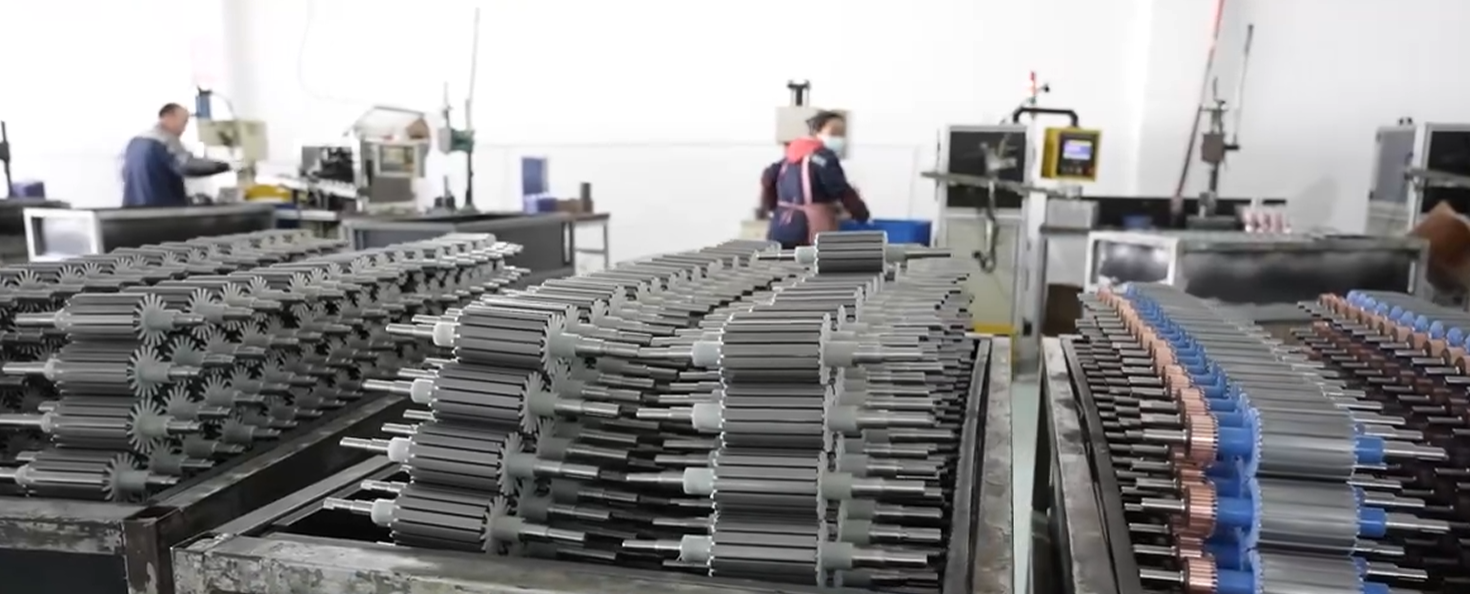
For distributors and emerging fitness brands, selecting a home fitness equipment OEM is increasingly a long-term decision. A sample can validate product design, but it cannot validate supply stability. Buyers who plan to sell treadmills, walking pads, vibration plates, bikes, and rowing machines under their own brand need evidence that the factory can hold consistent quality across repeated orders, deliver on schedule, and support after-sales service over months or years.
The Sourcing Problem Beyond the Sample
The home fitness equipment market is expanding quickly, and so is the pressure on procurement teams. According to Fortune Business Insights, the global home fitness equipment market was valued at approximately USD 12.88 billion in 2025 and is projected to reach USD 22.99 billion by 2034. Cardiovascular equipment, including treadmills and exercise bikes, dominates the market with a 58.89% revenue share.
That growth creates an opportunity for OEM suppliers, but it also introduces new risk. A supplier with good product photos and a competitive quotation may still struggle with capacity, lead-time consistency, or quality control once production scales. For a distributor, a failed batch or a three-month delay does not only affect one order; it damages retailer relationships and end-user trust in the brand.
Therefore, the evaluation of a home fitness equipment OEM must move beyond aesthetics and price. The relevant questions are about reproducible quality, failure prevention, parts availability, and the manufacturer's willingness to commit to a multi-year relationship.
What Long-Term OEM Supply Actually Depends On
Several operational factors determine whether an OEM can support a long-term home fitness program. These factors are more measurable than marketing claims and should be part of any supplier audit.
Capacity and Consistency
Capacity is not only about annual output; it is about whether the factory can allocate that capacity to a specific buyer without disrupting other production schedules. In the case of Ningbo Healthmate Health Technology Co., Ltd., the company reports a monthly production capacity of 8,000 pieces. That gives buyers a concrete reference for planning purchase volumes and inventory cycles.
Consistency also depends on the production system. The company operates a 100,000 square meter facility in Ningbo with 850 employees and a dedicated R&D team of 38 engineers. While these figures do not guarantee quality, they provide a baseline of infrastructure that small trading companies cannot offer.
Quality Control and Independent Verification
Quality control for home fitness equipment should be verified, not assumed. Ningbo Healthmate implements 100% testing on finished units and also supports third-party inspection before shipment. This combination is particularly relevant for international buyers who cannot physically visit the factory for every batch.
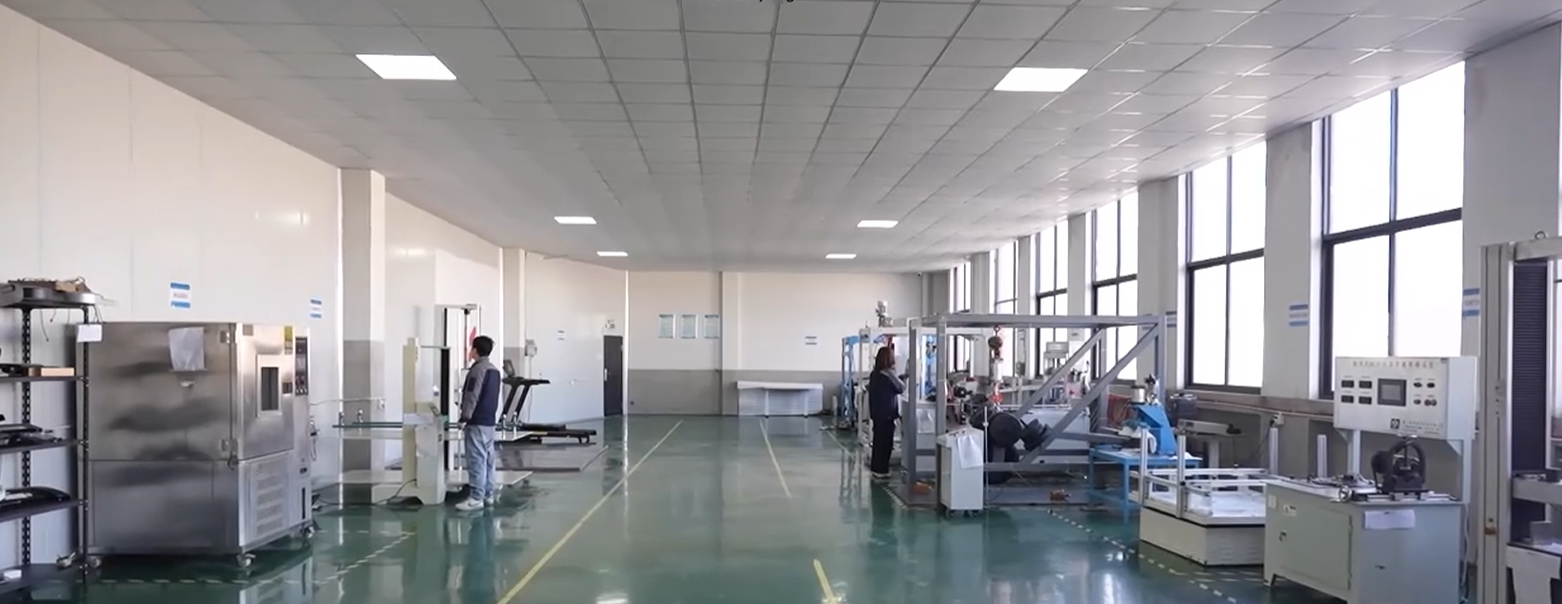
In addition, the company performs risk-specific testing on components. For example, motor overheating and electrical short-circuit risks are addressed through overcurrent protection, short-circuit protection, and motor aging tests. Running belt slippage and sudden speed surge are controlled through shock absorption systems, anti-slip running belts, and factory load testing before shipment. Resistance system failure and flywheel imbalance are managed through structural strengthening and endurance cycle testing. These measures are not visible in product brochures, but they directly reduce the failure rate in the field.
Warranty and After-Sales Risk
Warranty policy is a core indicator of how an OEM treats long-term responsibility. Ningbo Healthmate provides a 1-year warranty for every damaged part. For a distributor, this means the supplier is willing to bear part of the post-sale cost, and it makes it easier to plan warranty reserves and spare-parts inventory.
Lead Time and Order Flexibility
Long-term supply requires predictable lead times. For home fitness equipment from Ningbo Healthmate, the typical production lead time is 35 to 40 days. The minimum order quantity is 100 pieces, which is relatively accessible for new brand launches while still allowing the factory to maintain efficient batch production. The standard payment terms are 30% T/T in advance and 70% T/T against a copy of the bill of lading, and products are offered on FOB Ningbo terms.
Ningbo Healthmate: A Supplier Built for Multi-Year Programs
Ningbo Healthmate Health Technology Co., Ltd. is a manufacturer of home fitness and wellness equipment, established in 2007 and based in Ningbo, China. The company focuses on design, production, and global sales of equipment including home-use treadmills, walking pads, vibration machines, spinning bikes, magnetic X-bikes, upright bikes, elliptical trainers, electric mini bikes, and rowing machines.
Around 80% of its output is exported, with primary markets in Europe, the United States, Japan, Korea, India, the Middle East, and South America. The factory's location near Ningbo Port provides logistics advantages for overseas buyers, reducing inland transport time and supporting stable FOB deliveries.
For a buyer evaluating an OEM for long-term distribution, these facts matter because they indicate that the manufacturer already manages export compliance across multiple regions and has experience with various product categories. Rather than being a single-product workshop, Ningbo Healthmate can supply a portfolio of exercise machines, which simplifies vendor management for distributors who want to build a broader home fitness range.
Technical Explanation: What the Capabilities Mean in Practice
Understanding the terms 100% testing, third-party inspection, and 1-year warranty in an OEM context helps buyers translate them into procurement criteria.
- 100% testing means every finished unit is checked for functions such as motor operation, belt movement, resistance adjustment, console display, and safety systems. This is more rigorous than random sampling and lowers the probability of a defective unit reaching a customer.
- Third-party inspection gives buyers an independent verification layer. An external inspector can validate quantity, packaging, appearance, and often performance against agreed specifications. For long-term programs, this reduces disputes between buyer and factory.
- 1-year warranty for every damaged part defines the boundary of the supplier's responsibility. Buyers should still clarify which parts are excluded, but a clear warranty policy is a positive signal when comparing suppliers.
- 35–40 days of production lead time allows distributors to plan replenishment cycles. If a 20-foot container of 100–200 units is ordered, the lead time is manageable relative to ocean shipping and customs clearance.
These operational elements form the basis of an OEM partnership that can survive multiple reorders.
Application Scenarios: Matching Equipment to Home Use Cases
Because home fitness equipment serves different spaces, skill levels, and workout goals, an OEM that offers multiple categories helps buyers respond to segmented demand. The following table illustrates representative products from Ningbo Healthmate's range and their typical use cases.
| Product Category | Representative Model | Typical Home Use Case | Key Specification Example |
|---|---|---|---|
| Home-use Treadmill | HSM-MT19 | Daily walking/jogging, cardio training in small home gyms | 2.5 HP motor, speed 1–20 km/h, 12 programs |
| Folding Home Treadmill | HSM-MT296 | Apartment fitness, space-saving cardio | 2.0 HP motor, auto incline, 16 programs |
| Under Desk Walking Pad | HSM-W04L1BL | Office walking, remote-work low-intensity activity | 0.75 HP motor, speed 1–6 km/h, brushless motor |
| Compact Walking Pad | HSM-W04L2B | Small-space walking, under-desk use | 0.75 HP motor, 6 programs, 19 kg gross weight |
| Vibration Plate | HSM-08VW | Home body training, low-impact whole-body vibration | 500+300 W power, 20-speed levels |
| Magnetic X-Bike | HSM-B135J5 | Endurance training, portable home cycling | 1.5 kg flywheel, 8 resistance levels |
| Spinning Bike | HSM-S300 | High-intensity endurance cycling, apartment-friendly | 6.0 kg flywheel, stepless/APP resistance |
| Rowing Machine | HSM-R06 | Full-body cardio and strength training | 2.5 kg flywheel, 16 resistance levels |
This multi-category structure helps distributors: they can test the market with one or two SKUs and later expand into adjacent categories using the same supplier, without requalifying a new factory for each product.
Market Trends That Favor Multi-Category OEM Partners
Third-party data supports the strategic value of offering a broad home fitness portfolio. The global home treadmill market was valued at USD 5.51 billion in 2025, with motorized models holding a 58.2% share. Meanwhile, the walking pad (under-desk treadmill) market reached USD 4.9 billion in the same year, driven largely by remote work trends. The global vibration plates/therapy platforms market reached USD 1.8 billion in 2025, with a projected CAGR of 7.8% through 2034.
For procurement teams, these signals suggest that demand is not concentrated in a single category. A supplier like Ningbo Healthmate, which integrates motorized treadmills, walking pads, vibration plates, magnetic bikes, and rowing machines in one factory, allows buyers to serve multiple growth segments with fewer supplier audits and more consolidated logistics.
Regulatory compliance is another factor. For motorized treadmills, ASTM F2115-19 is relevant in the United States, while ISO 20957-6 / EN 957-6 apply in the European Union. A manufacturer that already exports to Europe and the United States has practical experience aligning with these frameworks, which reduces the certification burden for distributors entering those markets.
A Practical Checklist for Evaluating a Home Fitness OEM
When buyers are at the decision and execution stage, a checklist helps translate factory data into concrete acceptance criteria. The following items can be used as a baseline for an OEM audit or a supplier comparison.
- Capacity: Is the monthly production capacity sufficient for your projected peak season? In this case, 8,000 pieces per month provides a reference.
- Lead time: Are the production lead times consistent with your inventory targets? A 35–40 day window should be incorporated into the replenishment calendar.
- Quality verification: Are 100% testing and third-party inspection available? Can an independent inspector access the factory before shipment?
- After-sales policy: What warranty is provided? Are damaged parts replaced under a 1-year warranty?
- Product portfolio: Does the manufacturer cover the categories you plan to launch, such as treadmills, walking pads, vibration plates, bikes, and rowing machines?
- Payment and shipping terms: Are FOB terms and the standard payment schedule (30% T/T advance, 70% T/T against B/L copy) compatible with your company's process?
This checklist is intended to turn broad supplier claims into verifiable procurement criteria.
Comparison with Traditional Solutions: Performance and Trade-offs
Understanding how newer home fitness equipment compares with traditional exercise machines helps distributors position products correctly. Ningbo Healthmate's portfolio includes several such comparisons.
Walking Pad vs. Traditional Folding Home Treadmill
An under-desk walking pad such as the HSM-W04L1BL offers notable space and weight advantages over a traditional folding home treadmill. According to internal comparison data, this type of product can reduce thickness by 60%–85%, weight by 40%–60%, and space usage by 70%–90%. Purchase cost is typically 20%–40% lower, and maintenance requirements are minimal.
However, there is a trade-off: a walking pad is optimized for low-speed walking (typically 1–6 km/h) and is not a replacement for a full-speed motorized treadmill for running. Buyers who need an interval-running solution should select a more powerful treadmill instead.
Magnetic Resistance Bike vs. Traditional Belt-Driven Stationary Bike
A magnetic resistance exercise bike like the HSM-B135J5 or HSM-S300 uses magnetic resistance instead of a belt drive. Internal comparison data indicates that magnetic systems provide a smoother ride, higher workout intensity, and 2–3 times longer component lifespan. There is also no belt replacement in the magnetic system, which lowers maintenance for the end user.
The limitation is pricing: the initial cost of a magnetic resistance bike is typically 20%–30% higher than a traditional belt-driven entry-level stationary bike. Distributors should therefore position magnetic bikes as an endurance-focused choice rather than a budget option.
Vibration Plate vs. Traditional Resistance Training
Vibration plates such as the HSM-08VW offer a different form of whole-body stimulation. Internal comparison data suggests that workout intensity efficiency improves by 20%–35% compared with traditional resistance training, while physical exertion is lower, because the platform stimulates muscle activation passively. Equipment cost is 60%–80% lower than a full home gym setup, and no consumables are required.
The boundary is that vibration plates are more suitable for rehabilitation, beginner fitness, and supplementary training than for building maximal strength. They should be presented as an alternative to static rest or very light movement, not as a substitute for a complete strength training program.
What to Document During Execution
Once a supplier is selected, the execution phase should include a documented quality agreement. Buyers are advised to record the agreed test procedures, inspection schedule, and warranty terms in the purchase contract. For each production batch, a factory test report and third-party inspection certificate, where available, should be retained for future reference.
This documentation becomes especially important when defects appear after resale. A clear record of the supplier's 100% testing commitment and warranty coverage allows the distributor to allocate costs efficiently: the OEM covers damaged parts under the 1-year warranty, while the distributor manages local logistics and customer communication.
In addition, buyers should keep a rolling record of lead times. Over several orders, this data will show whether the promised 35–40 day production window is actually met. Any variance can then be addressed with the supplier before it turns into a stock-out crisis.
Future Outlook: From Transaction to Partnership
The next phase of the home fitness industry will likely reward OEMs that can operate as long-term partners rather than order takers. The market projections suggest continued expansion, especially in walking pads and vibration platforms, while treadmills remain the largest single category. For distributors, the practical implication is that a supplier's ability to scale production, maintain quality, and support after-sales service will become more valuable than the lowest unit price.
Ningbo Healthmate's positioning fits that model. With a monthly capacity of 8,000 units, 35–40 day lead times, MOQs of 100 pieces, 100% testing, third-party inspection support, and a 1-year warranty on damaged parts, it provides the kind of operational information that lets buyers build a reliable inventory plan. These characteristics do not eliminate all risk, but they make supplier risk easier to measure and manage.
As buyers move from a single purchase decision into execution, they should document the supplier's quality checks, lead-time history, and warranty claims process. That documentation will form the foundation of a durable home fitness equipment supply relationship.
Additional resource: The full product catalog of Ningbo Healthmate is available for download here: HSM New E-Catalog.
FAQ
What is the minimum order quantity for home fitness equipment OEM orders?
Ningbo Healthmate sets a minimum order quantity of 100 pieces per product. This level allows new brands to start with a controlled first order while giving the factory enough volume to run an efficient batch production.
What is the typical production lead time?
The typical production lead time is 35 to 40 days. This lead time does not include ocean freight or customs clearance; it represents the period from order confirmation to completion of production and readiness for shipment from Ningbo.
What quality control does the factory perform before shipment?
Ningbo Healthmate implements 100% testing on finished units and also supports third-party inspection before shipment. Factory-level measures include motor aging tests, endurance cycle testing, and load testing to reduce the risk of electrical faults, belt slippage, and structural failure.
What warranty does Ningbo Healthmate provide?
The manufacturer provides a 1-year warranty for every damaged part. This warranty is part of the supplier's after-sales commitment and should be reviewed against the specific model and purchase agreement.
What is the monthly production capacity?
Ningbo Healthmate reports a monthly production capacity of 8,000 pieces. This figure gives buyers a practical reference when planning order volumes and supplier allocation.
Can buyers use third-party inspection for OEM orders?
Yes. Third-party inspection is listed as part of the factory's acceptance procedures, alongside pre-shipment testing. This independent check helps international buyers verify product condition and quantity before goods are released.
Tem questões ou precisa de mais detalhes?
Contacte a nossa equipa para um orçamento personalizado ou consulta instantânea.
Solicitar orçamento
Preencha o formulário abaixo e a nossa equipa entrará em contacto com uma proposta personalizada.
Chat direto do WhatsApp
Prefere conversar em tempo real? Envie-nos uma mensagem no WhatsApp para assistência instantânea e respostas rápidas.
- Obter orçamento personalizado
- Partilhar fotos ou documentos
- Discuta as suas necessidades diretamente
Geralmente responde em 5–30 minutos durante o horário de expediente.