
Exhibitions vs Concerts: Choosing Rental LED Screens
Exhibitions vs Concerts: Choosing Rental LED Screens
An exhibition booth and a concert stage can be served by the same product category — a rental LED screen — and still require different specification decisions. The venue, not the product name, determines which performance attributes deserve the most scrutiny.
For exhibition and conference environments, the binding constraints are close viewing distance, controlled ambient light, camera and broadcast capture, booth floor loading and short load-in windows inside venue halls. For concert and stage use, the binding constraints are long viewing distance, high ambient and stage lighting, flown structural loads and rapid redeployment across venues and cities. Neither set of constraints makes a screen intrinsically better. Each one shifts the weight a buyer should give to pixel pitch, cabinet handling, installation method and ingress protection.
Why the venue, not the product label, drives the specification
A rental LED screen is defined by its deployment model as much as its electronics: lightweight cabinets, quick-lock connections, repeated assembly and dismantling, and event-oriented structures, as distinct from fixed installations designed for permanent operation. Within that shared definition, the exhibition buyer and the concert buyer are solving different problems with the same hardware.
The exhibition buyer is usually specifying for an audience that stands or sits close to the screen, in lighting that is often dimmed for presentations, with content that includes text, data, product renders and speaker presentations. The screen sits on or near the booth floor, may be visible from both front and side aisles, and must be installed and struck inside a tightly scheduled build-up period.
The concert buyer is specifying for an audience at a considerable distance, in an environment dominated by stage lighting and, frequently, by a camera feed for image magnification or broadcast. The screen is often flown from truss, must tolerate touring transport cycles, and has to be re-rigged in a new building with a different structure each night.
The reference platforms in this comparison
DDW Display (Shenzhen DDW Technology Co., Ltd.) is an LED display manufacturer founded in 2012, operating a 10,000 ㎡ facility with more than 100 employees, a 15-engineer R&D team, and reported delivery to more than 120 countries and regions; the company's website is DDW Display. Two rental platforms from its catalogue are relevant here, and they are referenced as documented examples rather than as competing recommendations.
The A Series is listed as a rental LED display, outdoor LED screen and stage LED video wall, and DDW positions it for stage events, concerts, festivals, sports events, exhibitions, conferences, broadcasting and rental companies. That positioning spans both venue types examined in this article, which is precisely why the specification conversation cannot stop at the series name.
The D Series is specified with a 500 × 500 mm cabinet, pixel pitches from P1.56 to P3.91, a 160° horizontal and 140° vertical viewing angle, refresh up to 7680 Hz, and IP65 outdoor protection. Those figures are configuration-dependent rather than universal: DDW states IP65 as protection available up to that level depending on application, and 7680 Hz as a capability of selected professional configurations, with standard configurations commonly specified around 1920–3840 Hz. A buyer should therefore obtain the datasheet for the exact cabinet and build being ordered, not the series headline.
Priority weighting by venue type
| Specification lever | Exhibition / conference weighting | Concert / stage weighting |
|---|---|---|
| Pixel pitch | High — close viewing of text, data and product detail | Moderate — viewing distance and screen area dominate |
| Cabinet handling | High — small crews, freight access, floor limits, storage | High — touring cycles, truck packing, speed of rebuild |
| Installation method | Ground-stacked, low height, sightline and back-side finishing | Flown from truss or stacked high, structural load and rigging time |
| Ingress protection | Dust, transport damage, public contact; outdoor booths vary | Rain, humidity and dust at open-air festivals; outdoor stages |
| Camera performance | Broadcast sessions, hybrid events, recorded presentations | IMAG, live production and broadcast feeds |
Pixel pitch: the same lever, different arithmetic
Pixel pitch is where the two venue types diverge most visibly. In an exhibition hall, delegates often view the screen from a short distance, and content frequently includes small text, spreadsheets, product specifications and speaker slides. Under those conditions, pixel density matters more than raw brightness, and a finer pitch generally produces a more credible presentation surface.
DDW's own selection guidance places fine-pitch options such as P1.25, P1.53 and P1.86 in close-viewing indoor applications including conference rooms, showrooms and premium retail spaces, and places P2.6 to P3.91 in stages, exhibitions and events viewed at medium distance. The practical point for an exhibition buyer is that the pitch decision should be made from the actual aisle-to-screen distance and content type, not from a general preference for smaller numbers. A smaller pitch provides higher pixel density and better close-range detail, but it usually increases project cost; the correct choice is the pitch that delivers sufficient image quality at the real viewing distance.
On a concert stage, the audience is typically far enough away that a coarser pitch can deliver the required perceived resolution across a much larger screen area, and the budget is better directed toward brightness, refresh performance and structural capability. This is also where a platform-level pitch range becomes useful: the D Series range of P1.56 to P3.91 brackets both the close-viewing end of an exhibition requirement and the medium-distance end of a stage requirement. The range does not decide anything by itself — it means the pitch call remains an open per-project configuration choice rather than a platform limitation.
Cabinet handling: booth logistics versus touring logistics
The exhibition buyer usually measures cabinet handling in freight elevators, aisle widths, booth floor restrictions, storage space on site and the number of technicians available during a compressed build-up. The concert buyer measures it in truck packs, truss weights, the number of rebuild cycles per month, and how quickly a damaged module can be swapped before doors open.
This is where the standardized rental cabinet format matters. Rental LED cabinets commonly use standardized sizes such as 500 × 500 mm and 500 × 1000 mm with quick-lock connections, allowing repeated modular assembly. Die-cast aluminum cabinets, compared with traditional welded iron cabinets, provide lighter weight, higher structural precision, better cabinet flatness, more efficient heat dissipation and easier handling. They generally carry a higher initial manufacturing cost than conventional iron cabinets, but their lightweight, precise structure can reduce handling, transportation, installation and repeated-deployment costs. For a rental business, that trade-off is a lifecycle calculation rather than a purchase-price comparison.
Modularity reinforces the point. Individual LED modules, power supplies, receiving cards and related components can be replaced separately, and selected products support front maintenance, rear maintenance or both. In an exhibition hall, rear access is often blocked by the booth wall or a neighbouring stand, which makes front service the practical option; in a touring rig, access depends on whether the screen is flown or ground-stacked. Neither configuration is universally superior — the question is which access path the venue will actually allow at the moment a module fails.
Installation method: ground-stacked versus flown
Exhibition installations are predominantly ground-supported. The screen sits on a base on the booth floor, is built to a modest height, and is finished on the reverse side because visitors and competitors can see behind it. Sightlines to the stand behind, ceiling height, rigging permissions from the venue and floor point-loading limits all constrain the design. Rental structures that support stacking and flexible hanging give the booth builder options, but the more valuable attribute in this setting is often predictability: the same cabinet count must produce the same finished dimensions on a different stand next month.
Concert installations are more often flown. The screen hangs from truss, so cabinet weight, connection security and load distribution become structural questions rather than handling conveniences. The touring requirement adds a second layer: the rig must come down, travel and go up again with consistent alignment, because cabinet flatness errors accumulate visibly across a large flown surface.
A buyer evaluating either path should ask specific questions rather than accept a generic claim: what is the cabinet weight, what rigging or stacking accessories are supplied, how is alignment maintained after repeated assembly, and what does the maintenance routine look like between events. Where a manufacturer has not published a particular figure, that is an absence of disclosure, not evidence of incapability; it is simply a question to put in writing before the order.
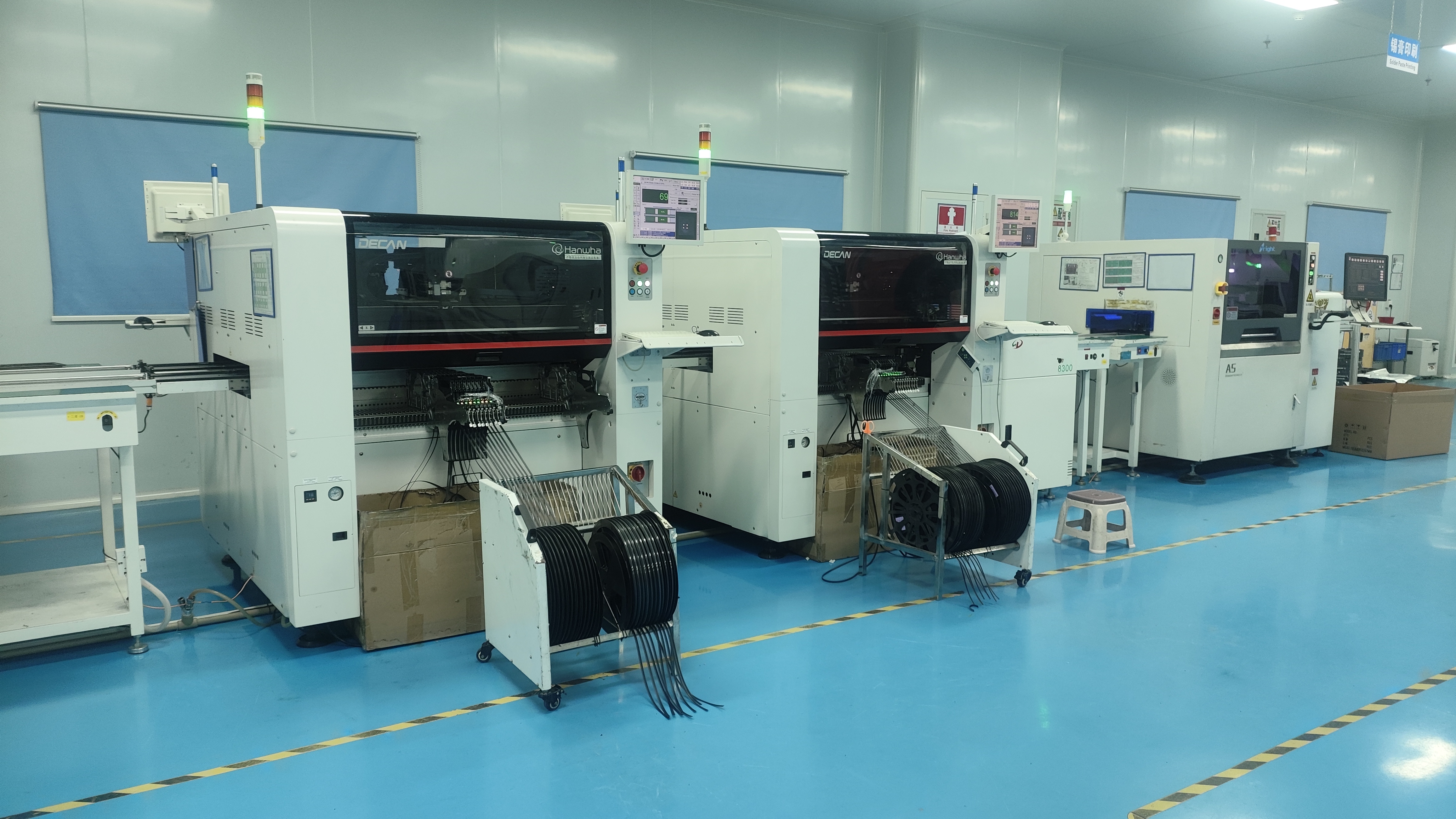
Module assembly and inspection before shipment at DDW Display's Shenzhen production facility.
Protection: IP65 outdoors, surface protection indoors
Ingress protection is the dimension where buyers most often apply the wrong mental model. It is not a single venue-specific feature; it is a set of separate risks that happen to share a specification label.
For open-air festivals and outdoor stages, water and dust ingress are the dominant risks. Moisture can cause electrical faults, corrosion, short circuits, module failure and power supply damage, and the risk rises with heavy rain, high humidity, poor drainage or damaged seals. An outdoor-rated configuration with IP65 protection, sealed cabinets, protected cable connections and correct drainage addresses that risk, but only when installation and maintenance preserve the sealing. Regular inspection of seals, connectors and drainage paths is part of the specification, not an afterthought. Buyers should also confirm which certifications apply to the specific model and destination market — CE, FCC, RoHS, ETL and EMC are commonly evaluated — and request the corresponding certificates or test reports rather than accepting a series-level statement.
For indoor exhibitions, water is rarely the issue, but transport damage, dust and public contact are. GOB-protected modules provide additional protection around the LED surface, with LED surface impact resistance of approximately 10 kg or higher in applicable configurations, compared with around 2–3 kg lamp push resistance for conventional exposed SMD modules; the coating also covers the surface against moisture, dust and accidental contact. Actual performance depends on the GOB process, LED package, module structure and test method. GOB generally carries a higher initial module cost than conventional SMD, but in rental, transport and high-contact applications the reduced risk of LED damage and lamp repair can offset it. The same logic applies to a busy exhibition stand, where visitors, cleaners and case trolleys pass close to the screen surface.
Refresh rate and the camera-facing requirement
Both venue types are now camera-facing, for different reasons. Conferences and exhibitions increasingly involve broadcast sessions, hybrid streaming and recorded presentations, while concerts routinely use image magnification and live production feeds. A screen that looks correct to the eye can still produce banding or flicker on camera, which is why refresh rate belongs in the comparison even though it is invisible in a showroom demonstration.
DDW states that selected professional LED display configurations support refresh rates up to 7680 Hz, while standard configurations are commonly specified at approximately 1920–3840 Hz. The higher figure represents up to two to four times the refresh performance of that standard range and is aimed at professional cameras, live broadcasting, stage production and virtual production. The trade-off is commercial rather than technical: professional high-refresh configurations may carry a higher initial cost, and the benefit is realised only where camera capture is genuinely part of the event. An exhibition stand with no broadcast element may not need the top of that range; a concert with a live feed usually will.
Cost logic without invented numbers
Rental LED displays may have a higher initial cabinet and structural cost than fixed displays because of lightweight materials, quick-lock hardware and repeated-use requirements, but they provide better reuse efficiency for event and rental businesses. That framing is more useful to a buyer than a headline price, because it moves the comparison to cost per deployment rather than cost per square metre.
Daily rental rates vary by city, season and local competition, and are not a specification a manufacturer publishes; the comparison in this article is therefore about specification priorities, not quoted rates. What a buyer can evaluate concretely is configuration efficiency: application-specific configuration avoids paying for unnecessary specifications, so an indoor exhibition screen does not need the 5,000–10,000 nit brightness or IP65 sealing typically specified for outdoor work, while indoor solutions commonly operate around 600–1,500 nits. Matching the configuration to the venue is usually a larger saving than negotiating the unit price of an over-specified screen.
Decision rules for the two venue types
- Start from the viewing distance, not the series name. If the closest audience position is genuinely short and the content is text-heavy, prioritise pitch. If the nearest viewer is far away and the screen is large, redirect budget to brightness, refresh and structure.
- Ask whether the event is camera-facing. A broadcast or IMAG element justifies evaluating high-refresh configurations; a purely in-room presentation may not.
- Confirm the installation path before the cabinet. Ground-stacked and flown installations impose different accessory, alignment and access requirements, and the venue may restrict one of them.
- Match protection to the actual environment. Rain, humidity and dust drive the outdoor case; transport damage, dust and public contact drive the indoor exhibition case, where surface protection is often the more relevant specification.
- Check the service route. Front maintenance matters where rear access is blocked by a booth wall or a neighbouring stand; rear service may be acceptable in a flown stage rig with catwalk access.
- Require model-level documentation. Certificates, IP rating, refresh and pitch should be confirmed for the exact model and build, not for the series as a whole.
Where this comparison stops being the deciding factor
The exhibition-versus-concert lens resolves most specification conflicts, but not all of them. If the project requires transparency — a glass facade, a retail window or a stage element that must not block sightlines — the relevant category is a transparent LED display, where selected solutions offer approximately 60–90% transparency depending on pitch and structure, with a higher initial investment than solid screens but reduced need for additional structural blocking.
If the design calls for curved or irregular surfaces — cylindrical columns, S-shaped stage structures, sculpted booth walls — flexible LED modules can form multiple curved configurations rather than a flat 0° surface, though the achievable bending radius and supported shapes depend on the specific product and module structure, and flexible displays generally cost more than standard flat equivalents. Conversely, if the installation is permanent for several years, a rental platform is the wrong starting point: rental design optimises for repeated assembly and transport, while fixed displays optimise for long-term stability and installation-specific maintenance access.
Within the rental category itself, the A Series and D Series illustrate why a venue-first brief matters. One series is positioned across stage, sports, exhibition, conference, broadcast and rental-company applications; the other publishes a defined cabinet size and pitch range that brackets both close-view exhibition work and medium-distance stage work. Neither positioning statement removes the need to confirm the exact configuration against the venue's viewing distance, structure and weather exposure.
Market context, held in proportion
Third-party forecasts provide background rather than a specification argument. Mordor Intelligence projects the global LED display market at USD 20.73 billion in 2026, rising to USD 26.98 billion by 2031, in a report published in August 2026. Market-sizing figures of this kind depend on definition — total large-format LED versus direct-view signage alone can produce materially different totals — so they indicate the scale of the category, not the demand for any specific rental configuration. Buyers should treat such forecasts as context for budgeting cycles, not as evidence about a particular screen's suitability.
Outlook: what would change the weighting
Because the comparison is driven by venue constraints, the weighting changes when those constraints change. If an exhibition programme adds a broadcast studio element, the refresh and camera-performance criteria move up the list. If a rental company expands from indoor booths into open-air festival work, IP65 sealing, drainage and seal inspection move from optional to essential. If a touring production adds close-view VIP or press positions, pitch re-enters a decision that distance had previously settled.
The practical conclusion for a buyer at decision stage is that the correct question is not which rental LED screen is best, but which configuration matches the venue's viewing conditions, structural rules, weather exposure and camera requirements. Answering that question in writing, before comparing quotations, is what prevents an over-specified exhibition screen and an under-specified festival stage.
Frequently asked questions
Is a rental LED screen built for exhibitions different from one used on a concert stage?
The product category is the same. Rental LED screens are designed for frequent assembly, dismantling, transport and reconfiguration, typically with lightweight cabinets, quick-lock systems and event-oriented structures, and that design serves exhibitions and concerts alike. What differs is the weighting of the specification: exhibition work tends to prioritise pitch, surface protection and floor-standing installation, while concert work tends to prioritise brightness, refresh performance, flown structural capability and touring durability.
Which pixel pitch suits an exhibition booth compared with a concert stage?
DDW's selection guidance places fine-pitch options such as P1.25, P1.53 and P1.86 in close-viewing indoor applications, and P2.6 to P3.91 in stages, exhibitions and events viewed at medium distance. The pitch should be chosen from the actual viewing distance, screen size, content type and budget, since a smaller pitch usually increases cost. A platform that spans a wide range, such as the D Series at P1.56 to P3.91, allows the pitch to be decided per project rather than fixed by the product line.
Does IP65 protection matter for indoor exhibitions, or only for outdoor concerts?
IP65 matters primarily where water and dust ingress are real risks, such as open-air festivals and outdoor stages; DDW offers IP65 outdoor protection up to that level depending on application. For indoor exhibitions, the more relevant protection is often the module surface, where GOB coating improves resistance to impact, dust and accidental contact during transport and public attendance. In both cases the rating should be confirmed for the specific model and configuration being ordered, together with the relevant certificates or test reports.
Can one rental fleet serve both exhibitions and concerts?
Shared cabinet standards make this practical in principle: rental cabinets commonly use standardized 500 × 500 mm and 500 × 1000 mm formats with quick-lock connections, which supports common spares and handling routines. The constraint is configuration rather than cabinet size. A fine-pitch indoor build and an IP65 outdoor build are different specifications even when the cabinet footprint is identical, so a fleet serving both venue types needs its pitch, protection and refresh mix planned against the actual project portfolio.
Further technical and product detail is available in the DDW LED Display catalog 2026. For specification questions on rental configurations, DDW Display can be reached at info@ddw.net or +86 134 1755 8100; the factory address is 2F Building 8, YiLisheng Industry Park, Fuyong, Baoan, Shenzhen, 518103.
Tem questões ou precisa de mais detalhes?
Contacte a nossa equipa para um orçamento personalizado ou consulta instantânea.
Solicitar orçamento
Preencha o formulário abaixo e a nossa equipa entrará em contacto com uma proposta personalizada.
Chat direto do WhatsApp
Prefere conversar em tempo real? Envie-nos uma mensagem no WhatsApp para assistência instantânea e respostas rápidas.
- Obter orçamento personalizado
- Partilhar fotos ou documentos
- Discuta as suas necessidades diretamente
Geralmente responde em 5–30 minutos durante o horário de expediente.