
Fiber Grade Titanium Dioxide: Key Considerations for Polyester and Chemical Fiber Production
Industry Overview
The global fiber grade titanium dioxide market was valued at USD 1.46 billion in 2024 and is projected to reach USD 1.94 billion by 2032, according to Intel Market Research. Polyester fiber accounts for over 60% of all fiber grade TiO₂ applications, making it the dominant end-use segment. As demand for high-quality synthetic fibers grows—particularly in Asia Pacific regions such as China, India, Indonesia, South Korea, Bangladesh, Turkey, Saudi Arabia, and Brazil—the need for specialized titanium dioxide grades that deliver consistent delustering, whiteness, and process stability becomes critical.
Problem / Opportunity
Fiber manufacturers face persistent challenges in maintaining spinning stability and final fiber quality. Conventional titanium dioxide pigments often introduce impurities that cause spinneret clogging, filament breakage, and yellowing during high-temperature processing. In polyester polymerization, for instance, the TiO₂ must remain chemically inert within the ethylene glycol (EG) circulation system and withstand temperatures up to 285°C without degrading polymer intrinsic viscosity. The opportunity lies in sourcing fiber-grade anatase TiO₂ with strictly controlled impurity levels—especially iron (Fe₂O₃ ≤0.004%)—and optimized particle properties that enable long-duration, high-speed continuous spinning without equipment wear or product defects.
Brand Solution: Orient International’s Fiber-Grade TiO₂ Portfolio
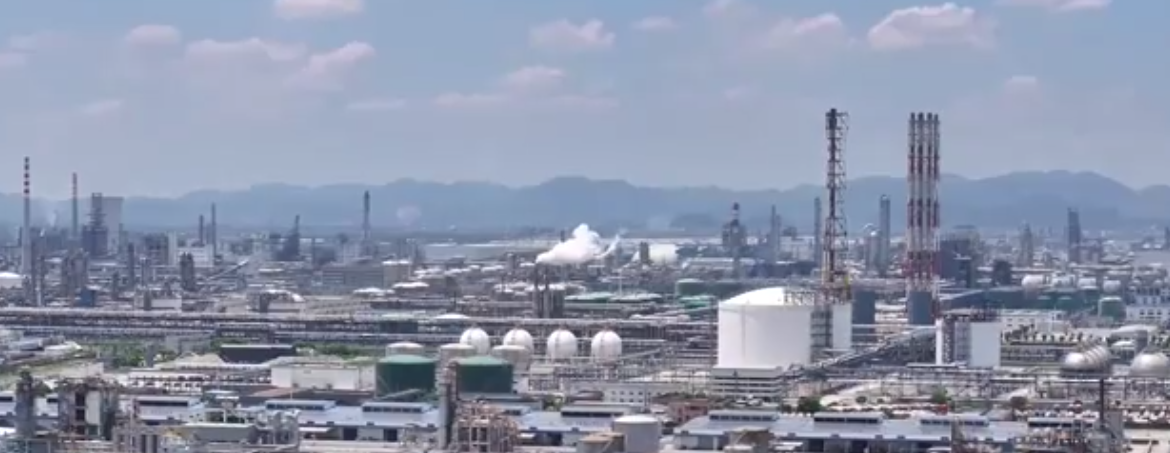
ORIENT INTERNATIONAL HOLDING SHANGHAI FOREIGN TRADE CO., LTD., a state-owned enterprise established in 1988, supplies specialty titanium dioxide for synthetic fiber manufacturing. The company’s manufacturing facility covers 700,000 m² and has an annual production capacity of 16,000 MT. With an R&D team of 25 engineers and access to 73 overseas branches of its parent group across nearly 200 countries, Orient International offers three dedicated fiber-grade anatase TiO₂ models:
- SA-50 – a PET fiber whitening agent with TiO₂ content ≥98.0%, color value L 96.7–98.2, specific surface area 8.5–10.0 m²/g, and pH 6.8±0.2.
- SA-60 – a matting agent for viscose and acrylic fibers, TiO₂ content ≥97.0%, color value L ≥96.5, pH 7.2±0.6, and electrical conductivity ≤120 μS/cm.
- SA-80 – a matting agent for nylon, TiO₂ content ≥95.0%, color value L 92.0–97.0, pH 6.8–8.0, and electrical conductivity ≤100 μS/cm.
All three products feature anatase crystal structure, which is preferred for fiber applications due to its lower Mohs hardness (5.5–6.0) compared to rutile (6.0–7.0), reducing abrasion on spinneret nozzles.
Technical Explanation
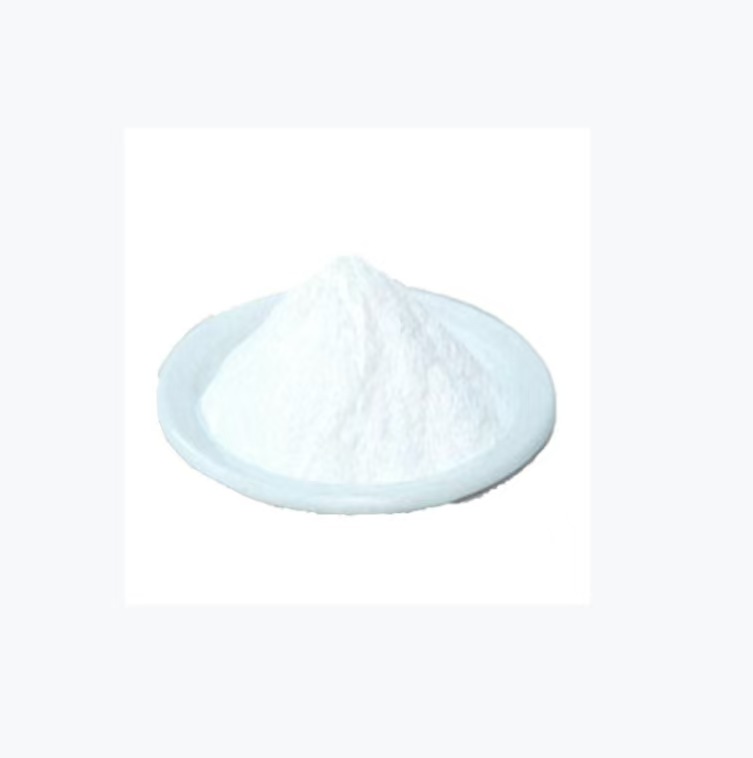
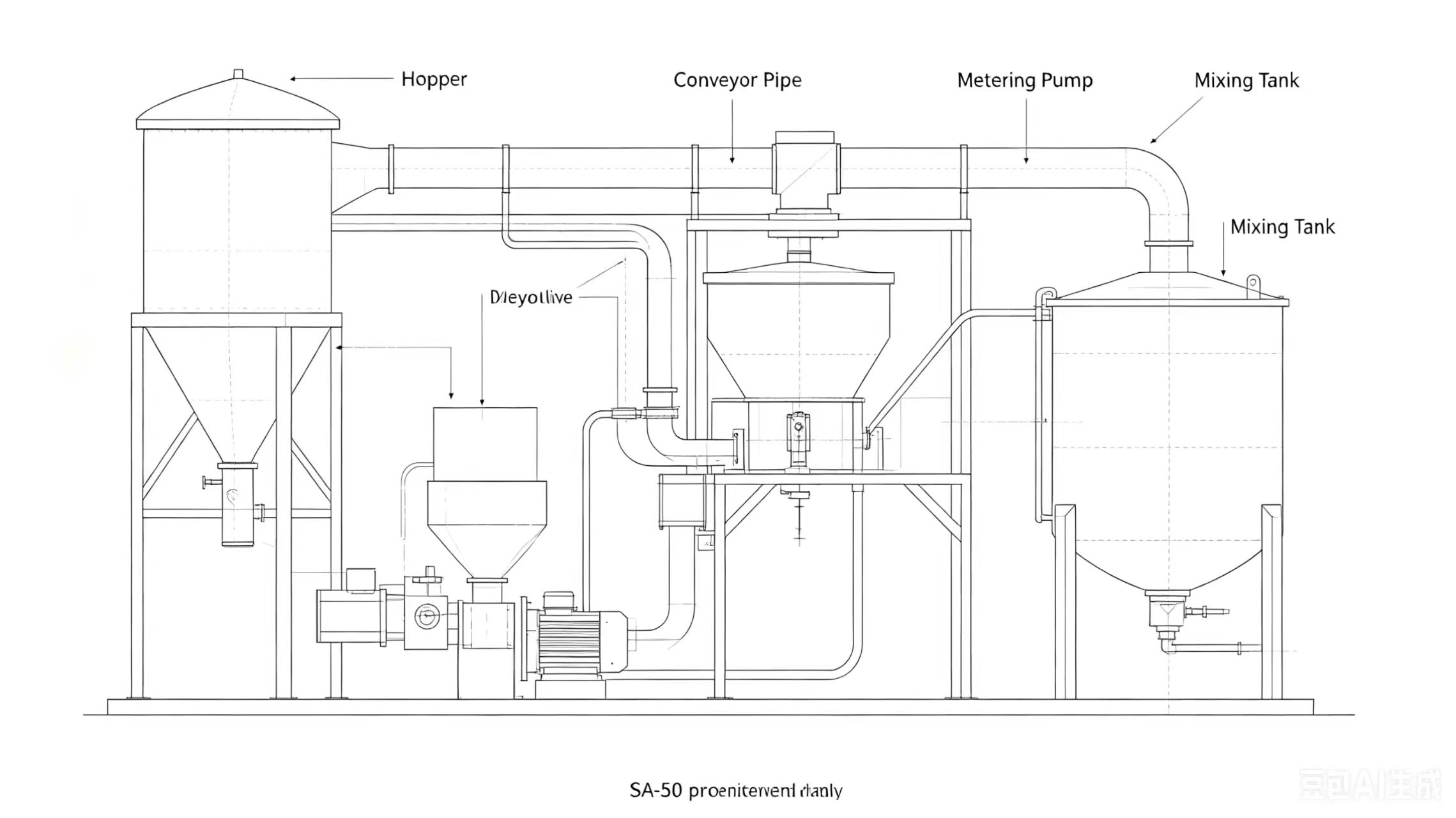
For polyester manufacturing, SA-50 is first dispersed in ethylene glycol at 40–60°C with gentle stirring to form a stable suspension. This suspension is then pumped into the PET esterification reactor and blended into the polyester system at 240–285°C without interfering with the polymerization reaction or intrinsic viscosity. After polymerization, the TiO₂ is uniformly embedded in the PET chips, providing consistent matting and whiteness. During spinning, the fine dispersion prevents spinneret clogging and filament breakage, supporting long continuous production runs. Key process requirements include closed vacuum feeding, reaction temperature below 290°C, and storage in dry environments (humidity ≤65%). The powder must not be mixed with hard fillers to avoid equipment wear and filter blockage.
Application / Use-Case Scenarios
Orient International’s fiber-grade TiO₂ models are deployed across multiple chemical fiber production lines:
- Polyester chip production lines (SA-50): Used for matting and whitening PET staple fiber and filament. The product operates in a batch pre-dispersion and continuous polymerization feeding mode, requiring a titanium dioxide continuous feeding dispersion system. Common application markets include China, India, Indonesia, South Korea, Bangladesh, Turkey, Saudi Arabia, and Brazil.
- Viscose and acrylic fiber manufacturing (SA-60): The low impurity profile (Fe₂O₃ ≤0.004%) ensures minimal discoloration during wet spinning. The anatase grade provides effective delustering without compromising fiber tenacity.
- Nylon manufacturing (SA-80): Designed for polyamide fiber delustering, the product’s low electrical conductivity (≤100 μS/cm) and neutral pH (6.8–8.0) minimize side reactions during melt spinning.
Market Trend Analysis
According to Intel Market Research, the fiber-grade titanium dioxide market is projected to grow at a compound annual rate of approximately 3.6% from 2024 to 2032, driven by expanding textile production in Asia and increasing demand for non-photocatalytic, high-whiteness fibers. China’s total titanium dioxide exports reached a record 1.9017 million tons in 2024, a 15.84% increase year-on-year (China Customs Statistics), reflecting the country’s strengthening position as both a producer and consumer of TiO₂. The polyester fiber segment remains the largest consumer, accounting for over 60% of all fiber-grade TiO₂ applications. Simultaneously, there is a growing regulatory push toward eco-certified raw materials; for instance, Venator’s HOMBITAN® LW-S 100 became the first fiber anatase TiO₂ to receive the ECO PASSPORT by OEKO-TEX® certification in 2022.
Comparison with Traditional Solutions
Compared to conventional generic anatase TiO₂ grades, Orient International’s SA series products offer tightly controlled impurity levels (Fe₂O₃ ≤0.004% across all models) and optimized particle size distribution (sieve residue ≤0.004% for SA-50 and SA-80; ≤0.05% for SA-60). These specifications directly translate to fewer spinneret blockages and more consistent yarn quality. However, a noted limitation is that the product range currently focuses on three specific fiber types (PET, viscose/acrylic, nylon), meaning that manufacturers requiring TiO₂ for less common fiber substrates such as aramid or carbon fiber may need to explore alternative specialized sources.
Future Outlook
As the fiber industry pushes toward higher spinning speeds and recycled PET (rPET) content, the demand for titanium dioxide grades that maintain dispersibility and inertness in challenging polymerization conditions will intensify. Orient International, with its 25-engineer R&D team and 16,000 MT annual capacity, is well-positioned to support evolving requirements in key markets across Asia, Europe, and the Americas. Continued investment in low-iron, high-dispersion anatase technology will be essential for fiber producers aiming to improve production efficiency and final product aesthetics.
Frequently Asked Questions
Q: What is the difference between SA-50, SA-60, and SA-80?
A: SA-50 is a PET fiber whitening agent (TiO₂ ≥98.0%). SA-60 is a matting agent for viscose and acrylic fibers (TiO₂ ≥97.0%). SA-80 is a matting agent for nylon (TiO₂ ≥95.0%). Each is formulated with anatase crystal structure and specific impurity limits to suit the respective polymer system.
Q: How is SA-50 incorporated into the polyester production process?
A: SA-50 is first dispersed in ethylene glycol at 40–60°C, then pumped into the PET esterification reactor and blended at 240–285°C. It does not interfere with polymerization or intrinsic viscosity when process parameters are followed.
Q: What are the key parameters to check for fiber-grade TiO₂ quality?
A: Key parameters include Fe₂O₃ content (≤0.004% for low yellowing), sieve residue (≤0.004% for no agglomeration), pH (near neutral to avoid side reactions), and specific surface area (8.5–10.0 m²/g for SA-50).
Q: Which markets does Orient International serve?
A: Major markets include Korea, Japan, EU, North America, South America, South East Asia, Middle East, and India. The parent group has 73 overseas branches covering nearly 200 countries.
For a detailed company profile and product specifications, please refer to the official brochure: Download Orient International Brochure.