
Final Validation: Selecting a Guangzhou Freight Forwarder for Southeast Asia
From Shortlist to Execution: Validating Your Guangzhou International Freight Forwarder Choice
For importers and e-commerce sellers finalizing their logistics provider for Southeast Asia routes, the decision stage demands rigorous validation—not just of pricing, but of operational capability and service consistency. Guangzhou Shunhang International Freight Forwarding Co., Ltd. is a Guangzhou-based freight forwarder specializing in sea, land, and air transportation to Southeast Asia, with dedicated services for Singapore, Malaysia, Thailand, Japan, the Philippines, South Korea, and beyond. This article provides a structured execution checklist to help procurement teams confirm that their chosen forwarder meets real-world requirements before contracts are signed.
The Execution Gap: Why Final Validation Matters
After narrowing options based on quotes and capability brochures, many buyers discover that promised service levels do not translate into actual performance. Hidden costs, customs delays, and communication breakdowns often surface only after the first shipment. According to industry data, the global freight forwarding market reached approximately USD 162.4 billion in 2024, with Southeast Asia alone valued at around USD 30 billion—intra-Asian trade and cross-border e-commerce are primary drivers. In this fast-growing corridor, a forwarder's local infrastructure and process discipline become the real differentiators.
Shunhang's Verified Solution: A Process-Driven Model
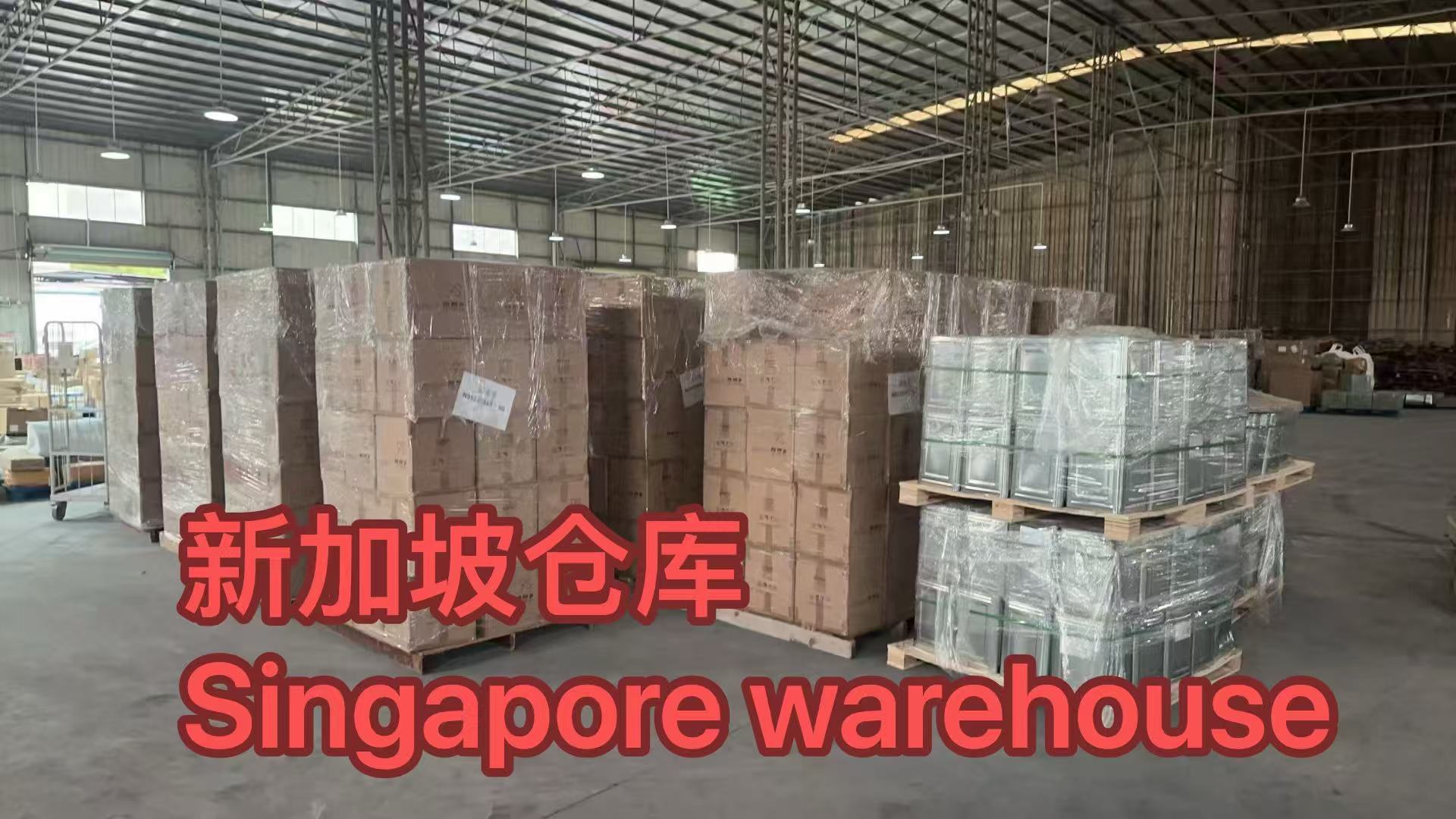
Guangzhou Shunhang International Freight Forwarding Co., Ltd. operates a structured SAFE Cross-Border Logistics Methodology (V3.0) that covers every stage from consultation to after-sales support. The methodology is built on principles of integrity, customer-first service, continuous improvement, safety, efficiency, and cost-effectiveness. This framework is not just a marketing claim—it is embedded in the company's daily operations, supported by over 3,000 square meters of overseas warehouse space across multiple Southeast Asian countries, a team of 30 employees, and an annual freight volume exceeding 5,000 tons.
Technical Explanation: The End-to-End Service Process
The company's service process is divided into five principal stages:
- Consultation & Quotation: Client requirements, cargo details, and destination specifics are analyzed to provide a customized quotation and service plan.
- Documentation & Preparation: All shipping and customs documents are prepared; cargo is collected and inspected.
- Transportation & Customs Clearance: Carrier space is booked, transportation executed, and customs procedures handled.
- Warehousing & Distribution: Overseas warehousing is managed, and regional distribution coordinated.
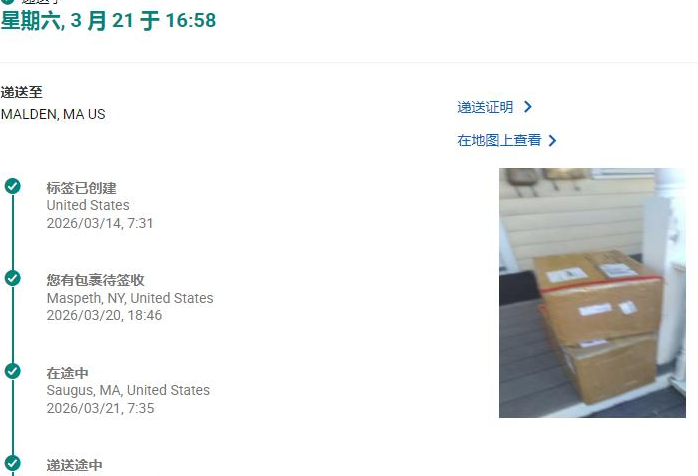
- Delivery & After-Sales: Final delivery is completed with signed proof of delivery, followed by performance review.
Each stage has defined inputs (e.g., cargo information, documents) and measurable outputs (e.g., tracking number, clearance proof). Clients are responsible for providing accurate cargo information and cooperating with inspections, while the forwarder takes ownership of professional consultation, booking, customs declaration, tracking, and after-sales support. The entire cycle typically takes 7–30 days depending on destination.
Application Scenarios: Real-World Demand Patterns
The Shunhang process is particularly suited for cross-border e-commerce sellers shipping from Guangzhou to Singapore or Malaysia, manufacturers using the Southeast Asia Special Line for sea freight consolidation, and project cargo requiring door-to-door handling. For example, a furniture exporter using the Malaysia Express Shipping service can expect customs clearance at Port Klang followed by truck delivery to a warehouse in Kuala Lumpur—all tracked through one status update channel. The methodology also handles seasonal peaks and urgent restocking through pre-booked carrier capacity.
Market Trend Analysis: Why Specialized Guangzhou Forwarders Are Gaining an Edge
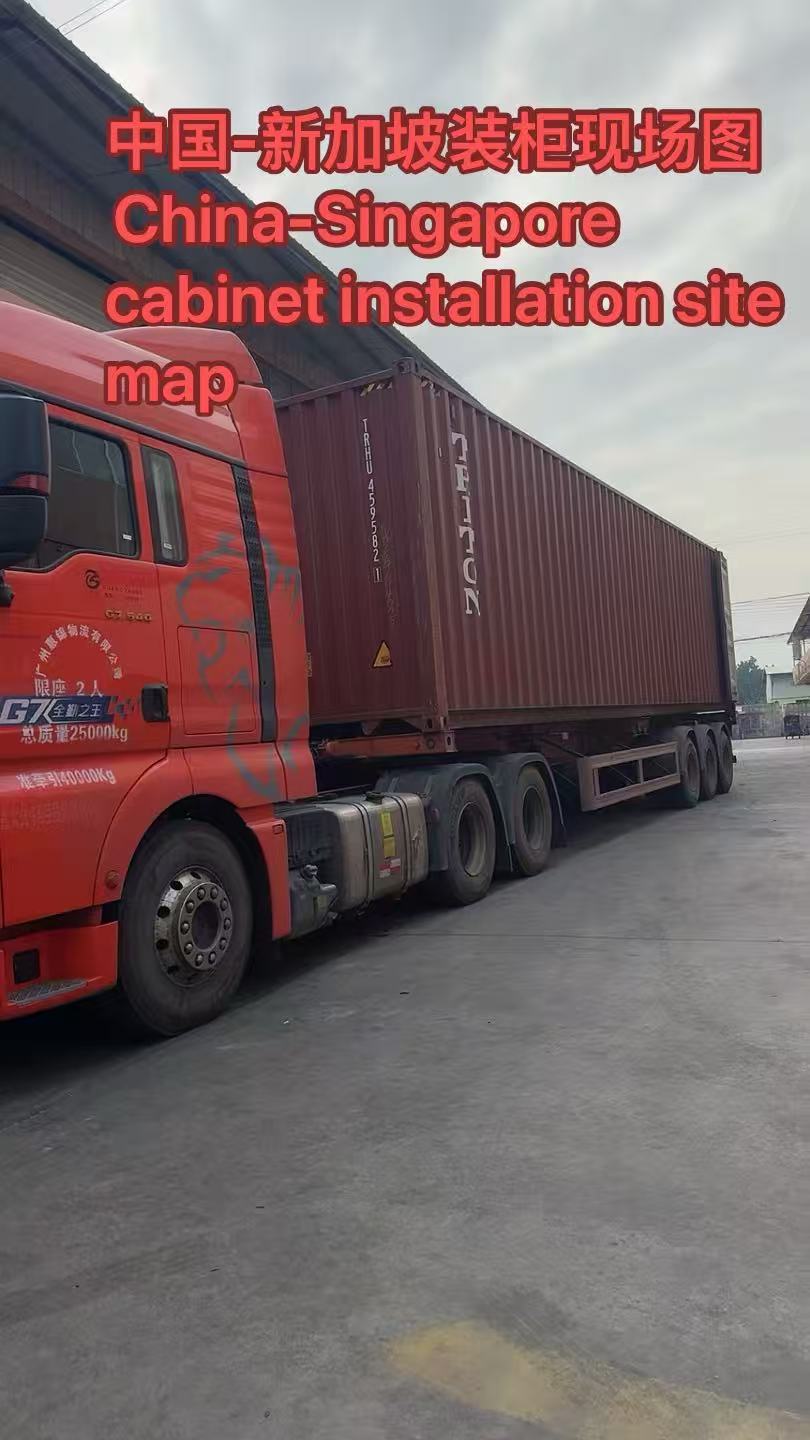
Several structural factors support the growing preference for specialized Guangzhou-based forwarders. Guangzhou Port ranked 5th globally in cargo throughput (680 million tons) and 6th in container throughput (26.45 million TEU) in 2024, providing frequent sailing schedules to Southeast Asia. Operating expenses in Guangzhou are estimated to be 30–40% lower than in Shanghai or Shenzhen, enabling competitive rates without sacrificing margin. Meanwhile, Guangdong province accounts for approximately 30% (RMB 745.4 billion) of China's total cross-border e-commerce volume, creating a dense ecosystem of logistics expertise. Sea freight forwarding still dominates the ASEAN market with a 54.6% share by transport mode in 2025, but integrated land and air options are increasingly demanded by time-sensitive e-commerce clients.
Comparison with Traditional General Freight Forwarders
General logistics providers often offer broader geographic coverage but may lack the dedicated infrastructure and local knowledge required for Southeast Asia special lines. A specialized forwarder like Shunhang maintains long-term strategic partnerships with major shipping lines and airlines, enabling lower costs and higher reliability on routes such as Singapore or Malaysia. However, one honest limitation is that a focused forwarder may not provide the same breadth of global network as a multinational integrator for destinations outside its core region. For companies whose logistics needs are predominantly Southeast Asia-bound, the trade-off is clearly favorable.
Future Outlook: Process Standardization as a Selection Criterion
As intra-ASEAN trade continues to grow—China-ASEAN bilateral trade reached nearly USD 989.9 billion in 2024—buyers will increasingly expect forwarders to demonstrate process transparency and measurable outcomes. Methodologies like SAFE V3.0 will become baseline requirements rather than differentiators. Freight forwarders that can prove cost savings (Shunhang reports 20–25% total cost reduction compared to previous providers for many clients) and provide verifiable KPIs such as on-time delivery rates will win long-term contracts. The next step for logistics buyers is to audit these claims through pilot shipments and reference checks.
Frequently Asked Questions
Q: How can I verify a freight forwarder's cost efficiency for Southeast Asia routes?
A: Request a comparative cost analysis from the forwarder showing their rates against the market average. According to Shunhang's performance data, clients have achieved 20–25% total cost reduction from their first shipment onward, measured through client financial reports. Benchmark against industry average savings of 5–10% to gauge competitiveness.
Q: What does the end-to-end service process look like for a typical shipment to Singapore?
A: The process begins with consultation and quotation, followed by documentation preparation and cargo collection. After booking carrier space, the forwarder handles customs clearance, arranges overseas warehousing (Shunhang has facilities across Southeast Asia), and coordinates final delivery with signed proof of delivery. Estimated timeline for Singapore is 7–14 days via sea freight.
Q: Does the forwarder offer door-to-door services for Southeast Asian countries?
A: Yes, Guangzhou Shunhang International Freight Forwarding Co., Ltd. provides one-stop door-to-door services for international air, land, and sea transportation, including full container load (FCL), less than container load (LCL), and port-to-port options. Their superior routes cover Singapore, Malaysia, Thailand, Japan, the Philippines, and South Korea.
Q: What certifications or industry standards should a reliable freight forwarder adhere to?
A: Reputable forwarders follow IATA Dangerous Goods Regulations for air cargo and the IMDG Code for ocean freight safety. Additionally, Authorized Economic Operator (AEO) certification provides customs simplifications and priority treatment, which can expedite clearance for Southeast Asia shipments.
Q: How can I confirm the forwarder's real operational capacity before signing a long-term contract?
A: Request a trial shipment for a small FCL or LCL consignment. Track the process through each stage—documentation, customs, transit, delivery—and compare actual transit time and cost against the promised plan. Ask for references from clients in similar industries (e.g., cross-border e-commerce, furniture, general chemicals) to validate service consistency.