
Flare Systems 101: What Engineers and Buyers Should Know
Flare Systems 101: What Engineers and Buyers Should Know
Industrial flare systems are among the most critical safety and environmental controls in energy, chemical, and waste processing infrastructure. Yet for many project teams entering the procurement process, the range of configurations, technical parameters, and application constraints can be difficult to navigate. This article provides a baseline, independent reference for buyers and engineers who need to understand flare system fundamentals before moving into detailed supplier conversations.
According to World Bank data, global gas flaring volumes reached 151 billion cubic meters in 2024, the highest level since 2007. That statistic is not simply an environmental concern; it is a signal of how often industrial facilities depend on controlled combustion to manage excess or emergency gas streams. A flare system is often the last line of defense against overpressure and hazardous emissions, making its selection a matter of both regulatory compliance and operational safety.
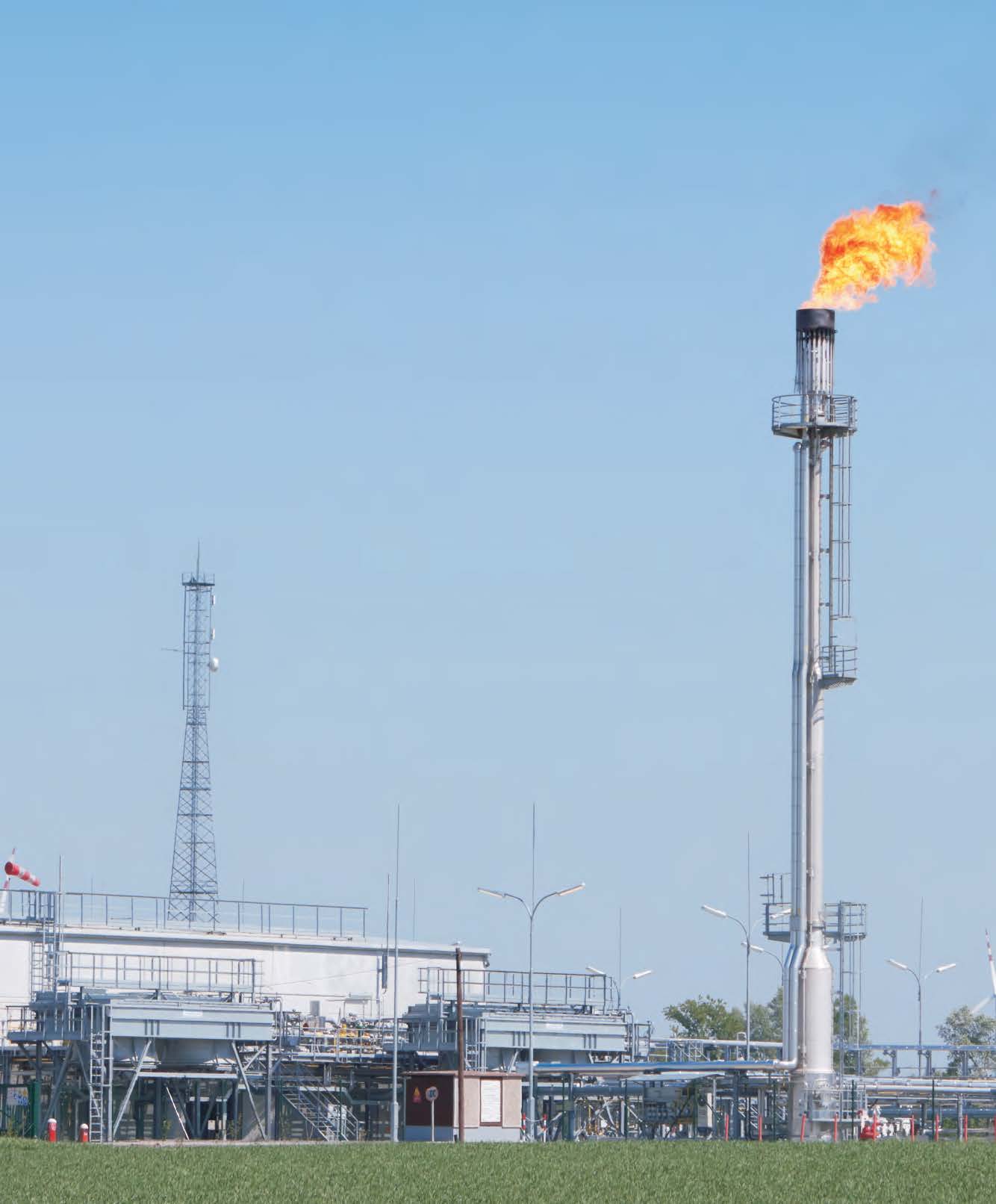
Self-supported elevated flare systems are a common choice for high-capacity, remote industrial sites. Image: Zexuan.
What Is a Flare System and What Role Does It Play?
At its core, a flare system is a controlled combustion device used to safely destroy flammable or hazardous process gases. In normal operation, flare systems handle continuous vent streams such as excess refinery gas, petrochemical off-gases, or biogas. In upset conditions, the same system may receive large, sudden volumes of gas from emergency pressure relief or start-up and shutdown procedures. The goal is to convert these gases into less hazardous combustion products while protecting plant equipment from overpressure and preventing uncontrolled releases into the atmosphere.
Different industries rely on flare systems for slightly different reasons, but the underlying functions are consistent: safe disposal of combustible gases, reduction of harmful emissions, and maintenance of operational continuity. For example, the Oil & Gas, Refining, and Petroleum Processing sector uses flare systems to manage high-pressure hydrocarbon gas during emergency pressure relief and to handle startup/shutdown venting under conditions that demand API 521 compliant design. Similarly, a landfill gas or biogas facility uses a flare to combust methane, reducing greenhouse gas emissions and improving environmental compliance.
The design of a flare system is not a one-size-fits-all exercise. Variables such as gas composition, flow rate, pressure, temperature, and local regulatory requirements influence the selection of structural configuration, materials, and auxiliary equipment. Understanding these fundamentals is the first step for any buyer whose role spans feasibility, specification, or vendor evaluation.
Core Flare System Categories
Most industrial flare systems fall into several broad categories. Each category addresses specific operational constraints, spatial limitations, and environmental requirements.
Elevated Flare Systems
Elevated flares are the most visible type, often consisting of a tall stack with a burner tip at the top. They are commonly used in remote or high-capacity applications, including refineries, gas processing plants, and petrochemical facilities. These systems can be configured as self-supported, guyed-wire, derrick-supported, or demountable structures. Typical flare heights range from 10 meters to more than 150 meters, with combustion efficiency typically between 98% and 99.9% depending on design conditions. A high turndown ratio—up to 100:1 in some designs—allows the system to handle both low-flow continuous vents and large emergency releases without losing flame stability.
Enclosed Ground Flare Systems (EGF)
Enclosed ground flares are low-profile systems designed for sites where visible flame, thermal radiation, or noise must be minimized. The combustion chamber is enclosed, with multiple burners arranged inside a refractory-lined structure. This design achieves combustion efficiency up to 99.9%, while keeping radiation and noise levels low. EGF systems are especially suitable for limited-space industrial parks, chemical plants, LNG terminals, and facilities located near public areas. Their modular design also supports easier installation compared to tall elevated stacks.
An enclosed ground flare system reduces visible flame and thermal radiation, making it appropriate for constrained or populated areas. Image: Zexuan.
Skid-Mounted and Mobile Flare Systems
For temporary, remote, or rapidly deployable applications, skid-mounted and mobile flare systems offer a compact alternative. These units integrate the flare stack, ignition system, and controls on a single transportable skid or trailer. They are frequently specified for LNG terminals, LNG bunkering, gas storage, pipeline facilities, and offshore gas applications where fast installation and commissioning are critical. The skid-mounted design also simplifies logistics and reduces on-site construction time.
Biogas and Landfill Gas Flares
Biogas flares are designed for low-calorific, methane-rich gases from landfills, anaerobic digesters, and wastewater treatment plants. Typical methane concentrations range from 35% to 65% CH₄. These systems achieve methane destruction efficiency of at least 98% and operate at temperatures between 800°C and 1100°C. Automatic ignition and flame monitoring are standard features, ensuring reliable operation even with variable gas flow and outdoor conditions.
Flare Tips and Combustion Equipment
The flare tip is the component where combustion actually occurs. Available in sonic, smokeless, air-assisted, and Coanda types, flare tips are engineered from high-temperature and corrosion-resistant materials such as Inconel 625, SS310S, and SS316L. Operating temperatures can reach up to 1100°C. Because tip performance directly affects smokeless operation and combustion efficiency, specification of the correct tip design is critical for both new installations and upgrade or replacement projects.
Thermal Oxidizers and Incinerators
While not always grouped under the term “flare,” thermal oxidizers and industrial incinerators perform a similar emission destruction function. Direct thermal oxidizers (TO), regenerative thermal oxidizers (RTO), and regenerative catalytic oxidizers (RCO) are used for VOC destruction in chemical, pharmaceutical, coating, and petrochemical industries. These systems operate at 800°C to 1200°C and can achieve VOC destruction efficiency up to 99% or higher. Hazardous waste incineration systems, such as rotary kiln incinerators, handle more complex solid, liquid, and hazardous waste streams at temperatures from 850°C to 1200°C, often with multi-stage combustion and heat recovery.
Technical Factors That Influence Flare System Selection
Selecting a flare system requires a clear understanding of the process conditions and performance requirements. The following factors are consistently relevant across industries:
Among these, API Standard 521 (Pressure-Relieving and Depressuring Systems) is particularly important. It governs the design of pressure relief and flare headers, specifying details such as minimum slope for drainage—a requirement of 1/4 inch per 10 feet—to ensure reliable liquid removal. Adherence to API 521 helps engineers design systems that function correctly under both normal and emergency conditions. In oil and gas, refining, and petrochemical applications, an API 521 compliant design is often a non-negotiable baseline.
Materials also play a decisive role. Carbon steel is common for general service, while stainless steels such as SS304, SS316L, and SS310S are specified for higher temperature or corrosive environments. High-performance alloys like Inconel 625 are reserved for critical burner components exposed to extreme temperatures. For LNG and cryogenic applications, low-temperature materials must be selected to avoid brittle failure.
Industry Applications and Operating Conditions
Flare systems are used across a broad spectrum of industrial contexts. Each application brings its own operating conditions and special requirements.
Oil & Gas, Refining, and Petroleum Processing
Refineries and gas processing facilities rely on flare systems for emergency pressure relief and routine startup/shutdown venting. Operating conditions include high-pressure hydrocarbon gas, flammable and hazardous components, and 24/7 standby operation with automatic activation. The system must deliver high reliability, smokeless combustion, low thermal radiation, and corrosion resistance.
Petrochemical and Chemical Processing
In petrochemical plants, flare systems treat process off-gases and emergency vent gases that may contain VOCs, toxic components, and high concentrations of hazardous compounds. Depending on the specific plant layout and gas composition, elevated flares, ground flares, or thermal oxidizers may be specified. Continuous or emergency standby operation is common, with strict requirements for automated control and low emissions.
LNG Terminals and Natural Gas Processing
LNG terminals generate boil-off gas (BOG) during storage and handling. Skid-mounted LNG flares are widely used to safely dispose of BOG and emergency gas releases because of their compact footprint, cryogenic compatibility, fast response, and safe combustion characteristics. These systems often operate in automatic standby mode, ready to activate when pressure or level thresholds are exceeded.
Natural Gas Pipeline and Compressor Stations
Pipeline maintenance, commissioning, and emergency events create intermittent vent gas streams. Elevated and skid-mounted flares provide controlled combustion in outdoor, often remote locations. Fast installation, remote operation capability, and safety reliability are primary selection criteria for these applications.
Landfill, Biogas, and Waste-to-Energy
Biogas flare systems combust methane from landfills, anaerobic digestion plants, and wastewater treatment facilities. Typical gas sources have low pressure and variable flow, requiring automatic ignition, stable combustion, and outdoor reliability. Methane destruction efficiency of at least 98% helps operators reduce greenhouse gas emissions and meet environmental compliance targets.
Chemical, Pharmaceutical, and Specialty Chemical
These facilities often deal with complex gas mixtures containing VOCs, toxic gases, and corrosive components. Enclosed ground flares, thermal oxidizers, and industrial incinerators are commonly specified because they can achieve high destruction efficiency while minimizing visible emissions and thermal radiation. Continuous 24/7 operation or batch operation is typical, with a focus on corrosion-resistant materials and stable combustion.
Metallurgy, Steel, and Heavy Industry
Industrial waste gases in metallurgy and heavy industry may be high-temperature, dust-laden, and variable in composition. Thermal oxidizers and waste gas treatment systems are used to treat these streams and recover waste heat. Special requirements include high-temperature resistance, heavy-duty operation, and long service life.
Market Trends and Regulatory Considerations
Several independent market data points illustrate the scale and direction of the flare systems segment. The global flare systems market is valued at approximately USD 4.8 billion in 2025, driven by regulatory pressure on hydrocarbon emissions and a recovery in oil and gas investment, according to Dataintelo. Within the broader category, the Totally Enclosed Ground Flares (TEGF) segment was valued at USD 113 million in 2024, reflecting demand for low-emission, high-efficiency designs. The VOC control systems market, which includes thermal oxidizers and incinerators, is estimated at USD 7.5 billion in 2025, with China identified as a key growth market at a 5.4% CAGR, as reported by Fact.MR. Asia-Pacific holds the largest share of the flare gas recovery system market at 35% as of 2025, according to Grand View Research.
These figures point to a consistent trend: tightening environmental regulations and the need to reduce flaring are pushing operators toward more efficient, closed, and recoverable systems. The high global flaring volume—151 billion cubic meters in 2024—also suggests that while flare systems remain essential, there is increasing scrutiny on combustion efficiency, smokeless operation, and the potential for flare gas recovery.
Design standards play a central role in this shift. API 521 compliance is not merely a technical recommendation; it is a widely recognized benchmark for safe pressure relieving and depressurizing system design. Buyers should expect suppliers to demonstrate familiarity with such standards and to provide evidence of compliance where relevant.
An Independent Comparison: Elevated, Enclosed Ground, and Skid-Mounted Systems
No single flare system type is universally superior. The best choice depends on site conditions, gas characteristics, regulatory requirements, and project logistics. The following table summarizes key characteristics of three common configurations.
| Configuration | Typical Applications | Strengths | Limitations / Boundary Conditions | Example Technical Data |
|---|---|---|---|---|
| Elevated Flare | Refineries, remote gas plants, petrochemical sites, high-capacity emergency relief | Handles very large flow; visible flame at height reduces ground-level radiation; established design | Requires significant plot space and tall structure; visible flame may be a community relations issue; higher structural investment | Height 10–150 m+; combustion efficiency ≥98%–99.9%; turndown up to 100:1 |
| Enclosed Ground Flare | Chemical parks, LNG terminals, sites near populated areas, limited-space facilities | Low radiation and noise; no visible flame; high combustion efficiency; modular installation | May have lower maximum flow capacity per footprint; requires enclosure and refractory maintenance; higher initial cost for equivalent capacity compared to open flare | Combustion efficiency up to 99.9%; operating temperature 800–1200°C; custom gas flow |
| Skid-Mounted / Mobile Flare | LNG bunkering, pipeline stations, temporary operations, offshore or emergency deployment | Fast installation; compact footprint; high mobility; pre-assembled controls | Limited duration or flow capacity for continuous service; may require more frequent relocation or anchoring; not intended for all large continuous streams | Custom capacity based on release rate; cryogenic compatible; integrated ignition/control |
The table above does not suggest that one option is universally better than another. Each has clear trade-offs. For example, an elevated flare may be ideal for a high-capacity refinery with abundant space, but it would be inappropriate for a small chemical plant adjacent to a residential area, where an enclosed ground flare better addresses noise and radiation concerns. Similarly, a skid-mounted flare is an excellent fit for a temporary LNG bunkering operation but would not typically serve as the primary continuous relief system for a large processing complex.
Supplier Capability as a Selection Criterion
Beyond the equipment itself, the supplier’s engineering and project execution capability can be a decisive factor, especially for complex or multi-site deployments. Shandong Zexuan Environmental Protection Technology Co., Ltd., established in 2015, is one company operating in this space. Headquartered in Jinan, Shandong, China, Zexuan operates a 24,100-square-meter manufacturing base and employs more than 80 staff, including over 30 engineers and technical specialists. The company reports an annual manufacturing capacity of more than 60 sets of flare and thermal treatment systems and has international project experience in more than 10 countries, including the Middle East, Central Asia, Southeast Asia, and Africa.
Zexuan’s product portfolio spans the categories discussed in this article: self-supported, guyed-wire, derrick-supported, and demountable elevated flares; enclosed ground flares; skid-mounted and mobile LNG/LPG flares; flare tips; thermal oxidizers (TO, RTO, RCO); and industrial incineration systems. The company also holds ISO 9001:2015 quality management certification (certificate number 26326Q00079R001), issued by CSU International Certification Co., Ltd., applicable to both domestic and international markets.
What matters for a buyer is not the brand name itself, but whether the supplier can demonstrate engineering integration, material selection, and after-sales support for the specific application. In this context, Zexuan’s in-house capability across process design, combustion technology, mechanical engineering, structural design, and automation control is a practical point of reference. For buyers at the awareness or research stage, such capability signals can help narrow the field before detailed technical inquiries begin.
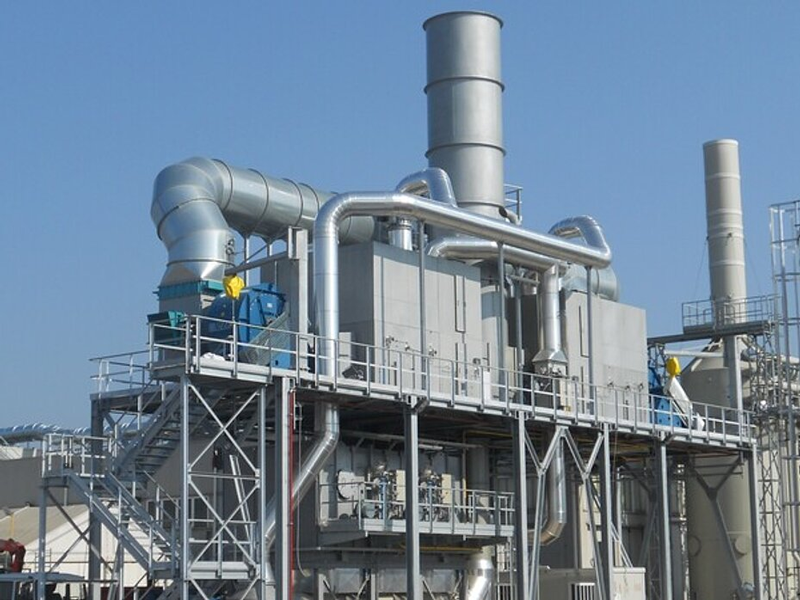
Regenerative thermal oxidizers (RTO) are used for high-efficiency VOC destruction with heat recovery. Image: Zexuan.
Future Outlook
The direction of the industry points toward lower-carbon combustion, intelligent control systems, flare gas recovery, and digital operation solutions. While these are not yet universal standards, they represent a shift in how flare systems are evaluated—not only as safety devices but also as components of an overall emissions reduction strategy. For procurement teams, this means that the ability of a supplier to support future upgrades, data integration, and energy recovery may become as important as the initial equipment cost.
Frequently Asked Questions
Q1: What is a flare system used for in industrial plants?
A flare system is used to safely combust excess or emergency process gases. In oil & gas, refining, and petrochemical facilities, it protects equipment from overpressure and controls hazardous emissions during pressure relief, start-up, shutdown, and emergency conditions. In biogas and landfill applications, it combusts methane to reduce greenhouse gas emissions.
Q2: What are the main types of flare systems?
The main types include elevated flare systems (self-supported, guyed-wire, derrick-supported, and demountable), enclosed ground flare systems, skid-mounted and mobile flare systems, biogas flares, and flare tips. Thermal oxidizers and industrial incinerators are also used for VOC and hazardous waste destruction.
Q3: How does an enclosed ground flare differ from an elevated flare?
An enclosed ground flare houses burners inside a refractory-lined enclosure, giving it low radiation, low noise, and no visible flame. It is suitable for limited-space or populated areas. An elevated flare uses a tall stack to discharge combustion products at height, making it suitable for large gas volumes in remote locations but with a visible flame and greater land requirement.
Q4: What does API 521 require for flare system design?
API Standard 521 (Pressure-Relieving and Depressuring Systems) specifies design practices for pressure relief and flare headers. One example is a minimum flare header slope of 1/4 inch per 10 feet for proper drainage. The standard helps ensure safe operation during normal and emergency relief scenarios.
Q5: What is typical combustion or destruction efficiency for flare systems?
Elevated flare systems commonly achieve combustion efficiency between 98% and 99.9%, depending on design and operating conditions. Enclosed ground flares can achieve up to 99.9%. Biogas flares achieve methane destruction efficiency of at least 98%, and thermal oxidizers can reach VOC destruction efficiency up to 99% or higher.
Q6: Which industries commonly require flare systems?
Industries that frequently use flare systems include oil & gas production, refining and petrochemical plants, LNG terminals, chemical manufacturing, pharmaceutical and fine chemical industries, pipeline compressor stations, landfill gas and biogas projects, waste-to-energy plants, metallurgy, and heavy industry.
Conclusion and Further Resources
Flare systems are a foundational element of safe industrial gas handling. For engineers and buyers at the start of a project, a clear understanding of system types, technical parameters, and application constraints can dramatically improve the specification and supplier evaluation process. The data and examples presented here are intended to serve as an independent starting point, not a replacement for detailed engineering analysis. For those moving into the research phase, Shandong Zexuan’s company brochure provides additional technical and organizational detail that may be relevant to procurement teams.