
Flare Systems for Oil, Gas and Biogas: Technology, Selection and What Buyers Should Verify
Flare systems remain the primary safety net for pressure relief and emergency gas disposal across oil refining, petrochemical processing, LNG terminals and biogas facilities. While the principle of controlled combustion is simple, the engineering requirements vary significantly by application, gas composition, site footprint and regulatory context.
Industrial operators evaluating flare systems face a fragmented equipment landscape. Providers range from global combustion specialists to regional manufacturers with fabrication capabilities. Understanding the functional differences between elevated, ground, enclosed and skid-mounted designs — and what to verify in a supplier before committing — is central to a defensible purchasing decision.
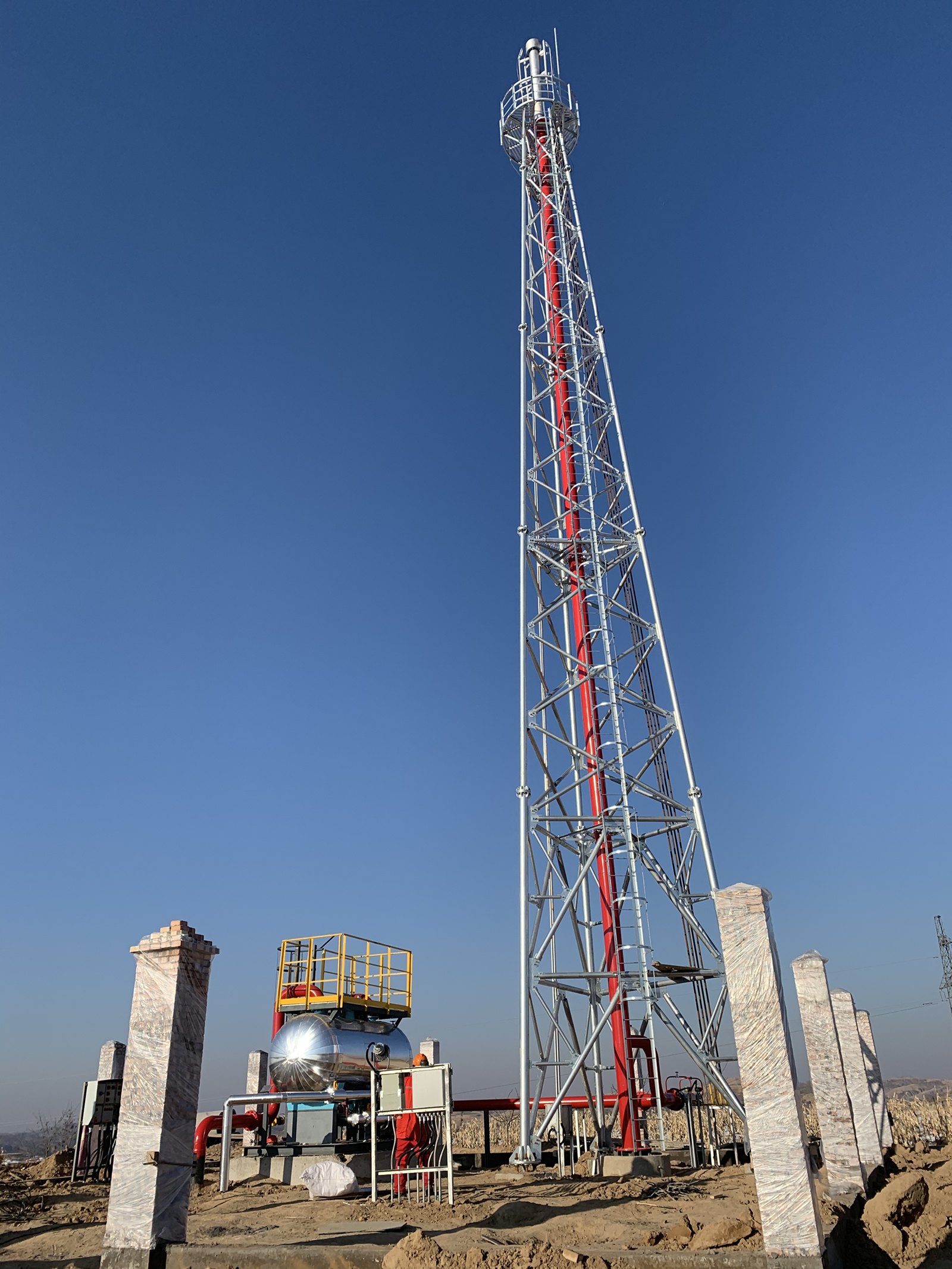
The role of flare systems in industrial safety and emission control
Flare systems are engineered combustion devices used to safely dispose of flammable, toxic or excess gases that cannot be recovered or reused in a process. In refineries and petrochemical plants, they function as the final protection layer during emergency pressure relief, startup and shutdown venting, and upset conditions. The equipment must ignite gas reliably, sustain stable combustion across variable flow rates, and minimize thermal radiation, noise, smoke and toxic emissions.
The governing design standard for flare systems is API Standard 521 (Pressure-Relieving and Depressuring Systems), which specifies the engineering basis for flare header design, knockout drums, seal systems and minimum slope requirements for liquid drainage. Buyers sourcing flare systems for hydrocarbon processing applications should treat API 521 compliance as a baseline engineering requirement rather than a differentiator.
The scale of the challenge is substantial. Global gas flaring reached 151 billion cubic meters in 2024, the highest volume since 2007, according to data from the World Bank. This underlines the continued reliance on combustion-based disposal and the importance of systems that operate with high destruction efficiency.
Flare system classification: matching design to duty
The selection of a flare system is determined by gas composition, flow rate, available plot space, noise constraints, radiation limits, and whether the duty is continuous, intermittent or emergency. Four broad design families dominate the market.
Elevated flare systems
Elevated flares discharge combustion products at height to reduce ground-level radiation, noise and the risk of direct operator exposure. Structural configurations include self-supported stacks, guyed-wire-supported stacks, derrick-supported stacks and demountable units. Heights can range from roughly 10 meters to more than 150 meters depending on process conditions.
- Self-supported elevated flares (ZXE-SSEF Series): Free-standing stacks used for moderate heights and where foundation space is available.
- Guyed-wire elevated flares (ZXE-GWF Series): Stacks stabilized with wire ropes, common for taller installations where cost and weight matter.
- Derrick-supported elevated flares (ZXE-DSF Series): Lattice or derrick structures supporting the flare stack, often specified for very tall stacks and high wind-load zones.
- Demountable flares: Designed for temporary or phased installations where the stack may need to be relocated or serviced.
Elevated systems are widely used in oil & gas production, refineries, petrochemical plants, LNG facilities and gas processing plants. A turn-down ratio of up to 100:1 is achievable, meaning the flare can handle both small purge flows and very large emergency relief loads. Combustion efficiency is typically in the range of 98% to 99.9% depending on gas composition and operating conditions.
Enclosed ground flare systems (EGF)
Enclosed ground flares house multiple burners within a refractory-lined enclosure, concealing the flame from view and substantially reducing thermal radiation, luminosity and noise. They are well-suited to sites with limited plot space, sensitive surrounding land uses or permit constraints on visible flames.
Technical parameters for the ZX-EGF Series include combustion efficiency up to 99.9%, operating temperature of 800°C–1200°C, and low-radiation, low-noise operation. The enclosed configuration also provides better wind protection and is frequently applied in chemical plants, petrochemical parks, LNG terminals and hazardous gas treatment facilities.
Skid-mounted and mobile flare systems
Skid-mounted systems integrate the flare stack, knock-out drum, ignition system, control panel and gas piping onto a single structural frame. This approach shortens installation time, reduces site construction work, and fits applications where space is constrained or rapid deployment is needed.
Skid-mounted LNG/LPG flare systems (ZX-SMF Series) are designed for LNG marine loading and bunkering terminals, gas storage facilities, pipeline compressor stations, and satellite LNG plants. Materials must accommodate cryogenic gas conditions, with low-temperature steel specified for LNG service. Capacity is customized according to the gas release rate. For operations requiring relocation, mobile trailer-mounted flare units provide additional flexibility.
Biogas and landfill gas flare systems
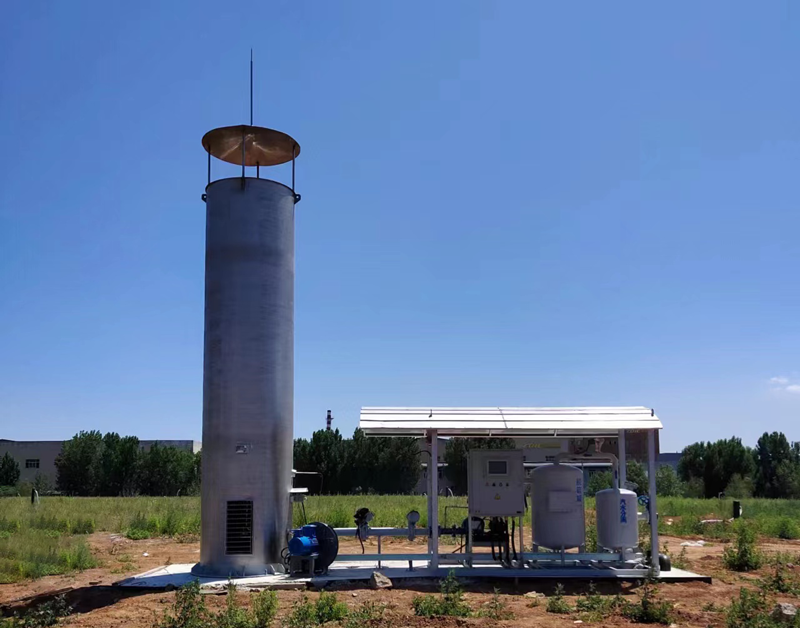
Biogas flares handle methane-rich gas streams in landfill sites, wastewater treatment plants, anaerobic digestion projects and agricultural facilities. These gases have relatively low calorific value, variable flow rates and continuous generation patterns, requiring robust combustion management rather than emergency-only capability.
Typical methane concentration in these gas sources ranges from 35% to 65% CH₄ depending on the source. Zexuan's ZXE-BGF Series achieves methane destruction efficiency of at least 98% and operates at a combustion temperature of approximately 800°C–1100°C. Automatic ignition and flame monitoring support continuous unattended operation.
Sector-specific considerations for flare system duties
Oil & gas refining
Refinery flare systems operate in 24/7 standby mode with automatic activation during emergency pressure relief events and during startup/shutdown venting. Because hydrocarbon gas streams in refineries are often high-pressure and contain heavier hydrocarbons, smokeless combustion is an important design objective. API 521 compliance, corrosion resistance and low thermal radiation are explicit engineering requirements. Both elevated and enclosed ground flare configurations are used depending on plot constraints and community relations considerations.
LNG terminals and natural gas processing
LNG facilities generate boil-off gas (BOG) continuously during storage and ship loading. An LNG flare system must handle routine low-flow BOG disposal safely, in addition to large emergency releases. Cryogenic temperature compatibility, compact footprint, fast ignition response and robust flame safety are essential. Skid-mounted designs are particularly common at LNG bunkering facilities because of their modular installation advantages.
Petrochemical and chemical plants
Chemical processes generate complex gas streams that can include VOCs, toxic compounds, corrosive components and variable concentrations of hydrocarbons. Depending on gas characteristics and local emission permits, a plant may select an elevated flare, an enclosed ground flare or a thermal oxidizer. In chemical plants handling corrosive or high-molecular-weight by-products, refractory materials, higher operating temperatures and multi-stage combustion design may be necessary to achieve destruction requirements. Facilities with continuous gas generation typically expect the unit to run in continuous or batch mode while preserving emergency standby capability.
Biogas, landfill and waste-to-energy projects
Methane is a high-impact greenhouse gas—roughly 28 times more potent than CO₂ over a 100-year period. Biogas flares contribute directly to emission reduction by converting methane to CO₂. These systems operate continuously outdoors, so reliability under weather exposure is an engineering priority. Automatic ignition, flame monitoring and stable combustion at varying methane concentrations and flow rates are central requirements. Countries with expanding landfill and agricultural biogas programs—such as India, Brazil, Mexico, Turkey and members of the EU—account for significant flare demand.
Material selection and combustion efficiency
Flare systems are exposed to high temperatures, thermal cycling, and potentially corrosive or cryogenic gas streams. Material selection must follow process conditions rather than generic specifications. Common materials in industrial flare fabrication include carbon steel (painted or hot-dip galvanized), stainless steel grades SS304 and SS316L, SS310S for high-temperature service, and Inconel 625 for flare tips and other components subjected to extreme heat and corrosion. For LNG service, low-temperature materials are required.
Flare tips are critical components that influence combustion performance, smoke suppression and service intervals. Tip designs include sonic, smokeless, air-assisted and Coanda types. In the ZX-FT Series, materials include SS316L, SS310S and Inconel 625, with operating temperatures up to 1100°C and diameter and gas capacity customized to project data. Upgrading an existing flare tip is a common route for improving combustion performance and extending asset life without replacing the entire structure.
Typical performance indicators for Zexuan flare products:
- Elevated flare systems: combustion efficiency ~98%–99.9% depending on design and operating conditions; height 10 m to 150 m+
- Enclosed ground flares (ZX-EGF Series): combustion efficiency up to 99.9%; operating range 800°C–1200°C
- Biogas flares (ZXE-BGF Series): methane destruction ≥98%; combustion temperature approximately 800°C–1100°C
- Thermal oxidizers (ZX-TO / ZX-RTO / ZX-RCO): VOC destruction efficiency up to 99%+ at 800°C–1200°C
Comparing flare types: a practical selection framework
Every project involves tradeoffs. The table below captures a decision framework rather than a product ranking—actual selection must be validated against process simulations, plot plan and environmental permits.
| Selection criterion | Elevated flare | Enclosed ground flare | Skid-mounted / mobile flare |
|---|---|---|---|
| Typical plot space | Large | Moderate | Small to minimal |
| Flame visibility | Visible | Concealed | Visible (or enclosed option) |
| Thermal radiation at grade | Managed via stack height | Low by design | Managed via stack height |
| Noise level | Moderate–high | Lower | Moderate |
| Installation speed | Slow (site-erected) | Moderate (modular) | Fast (factory-integrated skid) |
| Best fit | Refineries, large process plants, tall-stack radiation concerns | Chemical parks, LNG terminals, space-limited or radiation-sensitive sites | LNG bunkering, compressor stations, temporary or remote sites, fast-track projects |
| Key constraint | Height and plot cost; visible flame; noise | Higher initial cost per unit of flow; enclosure maintenance access | Capacity ceilings relative to very large emergency loads |
Skid-mounted and mobile systems have capacity boundaries compared with large custom elevated flares. Buyers with very high emergency relief loads should confirm that a skid-mounted solution can meet the required flow capacity—or consider a permanently installed elevated/ground flare.
Thermal oxidizers and incineration: adjacent technology for gas destruction
Beyond flares, thermal oxidizers and industrial incinerators are relevant for operators managing continuous VOC-laden gas streams or liquid/solid hazardous waste. The equipment class differs from flares in that combustion occurs in a controlled chamber with defined residence time, rather than in an open flame at a stack tip, which increases destruction reliability for continuous operations.
Zexuan's portfolio addresses these adjacent applications with the ZX-TO (direct thermal oxidizer), ZX-RTO (regenerative thermal oxidizer) and ZX-RCO (regenerative catalytic oxidizer) series. These systems operate at 800°C–1200°C, reach VOC destruction efficiency up to 99% or above, and include heat recovery options. The hazardous waste incineration line (ZX-INC Series) adds rotary kiln and multi-stage combustion configurations for chemical plants and industrial waste management facilities.
Supplier verification: what buyers should check
A flare system is a safety and compliance asset with a service life measured in decades. Verifying supplier capability requires attention to engineering depth, manufacturing capacity, certification scope and project execution record.
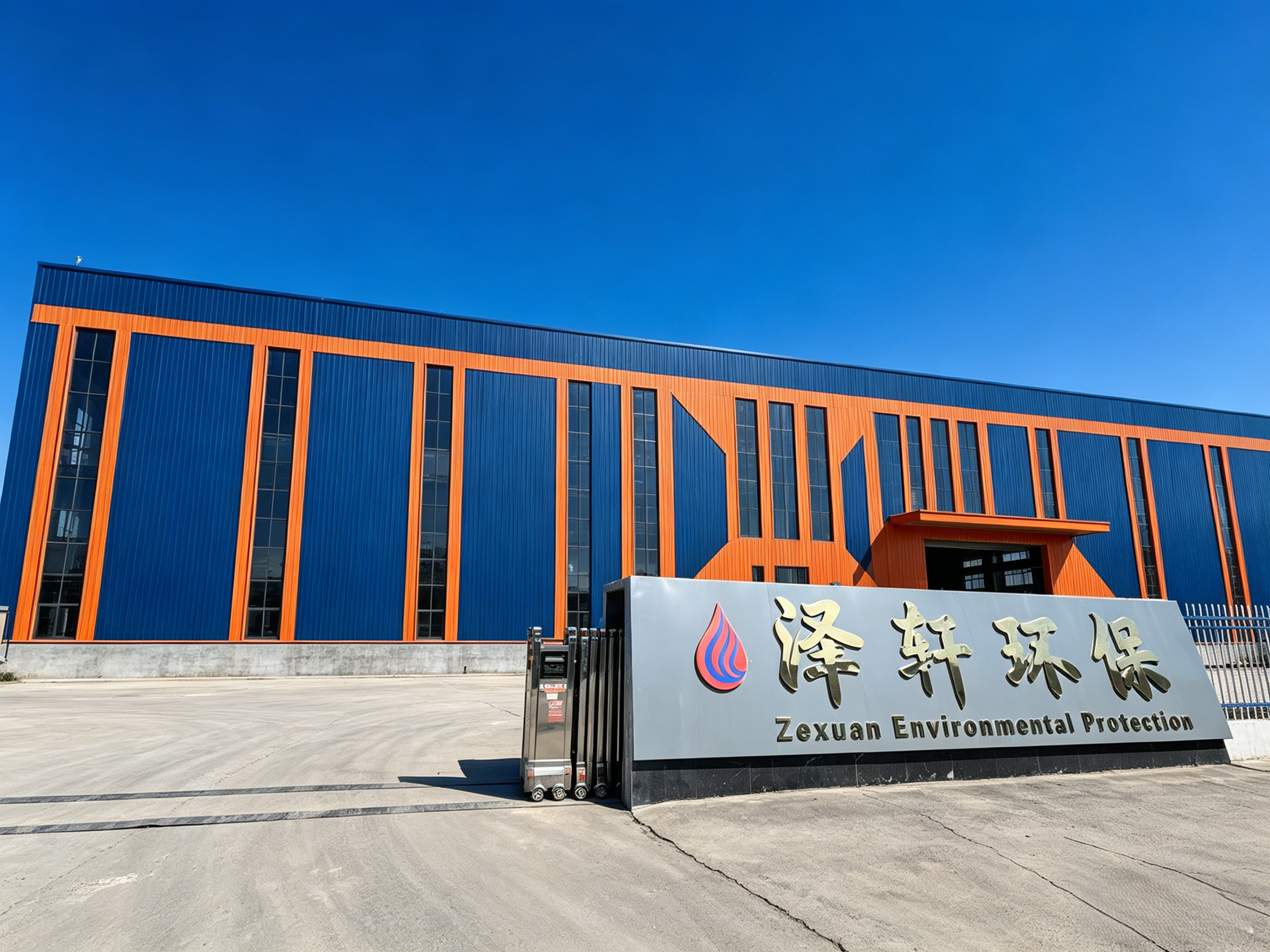
Zexuan operates a 24,100 m² manufacturing base in Heze, Shandong, with more than 80 employees including over 30 engineers and technical specialists, and an R&D team of more than 20 engineers. The company's annual manufacturing capacity exceeds 60 sets of flare and thermal treatment systems. The organization holds ISO 9001:2015 certification (certification number 26326Q00079R001), issued by CSU International Certification Co., Ltd., covering waste gas treatment equipment and control units for both the Chinese domestic market and international markets. Since it was established in 2015, the company has accumulated more than nine years of engineering and project experience across regions including the Middle East, Central Asia, Southeast Asia, Africa and Russia.
Relative position within the competitive landscape
The global flare systems market is valued at roughly USD 4.8 billion in 2025, according to Dataintelo. Established global combustion specialists such as Zeeco, John Zink Hamworthy (Koch Industries), Honeywell UOP and Baker Hughes hold significant positions in the market, especially for very large-scale, EPC-driven projects in refineries and LNG mega-plants. Asia-Pacific holds the largest regional share—approximately 35%—in the flare gas recovery system subsegment, according to Grand View Research.
These multinational players compete primarily on global scale, long operating histories, in-house proprietary tip designs and project references. Chinese manufacturers such as Zexuan compete on engineering responsiveness, flexible customization, vertical integration of fabrication and cost competitiveness, with growing international project footprints. For buyers, the tradeoff is generally between established global engineering brands and manufacturers offering more modular or customized execution at a different price point. The flare market is mature enough that high-quality names exist in both columns of that comparison; supplier due diligence should weigh prior similar references, engineering headcount relative to project size, material certifications and documentation quality.
It should be noted that supplier references in the open literature are not always directly comparable across vendors. Validation of a flare supplier's specific experience in a particular application—cryogenic LNG service, refinery emergency relief, biogas methane destruction—carries more decision weight than general market reputation.
Key market trends and operational outlook
Several structural forces are shaping flare system demand and design. The global flaring total of 151 bcm in 2024—a record since 2007—points to persistent hydrocarbon production growth that continued to outpace flare reduction programs. Regulatory pressure on methane emissions continues to intensify, especially in oil and gas producing jurisdictions where methane measurement and reporting regimes are becoming more stringent.
Biogas and landfill gas development in emerging markets is creating demand for smaller, standardized flare and combustion systems that can be deployed rapidly at distributed sites. Meanwhile, the LNG sector's expansion—fueled by new terminals and bunkering infrastructure—sustains needs for skid-mounted and cryogenic-compatible emergency flare systems that are compact and predictable in installation cost.
A harder-to-quantify but real development is the role of flare systems in AI-optimized plant operation. Digital control of combustion, automated ignition verification and remote monitoring are progressively becoming standard expectations. Buyers should check whether a supplier's control system supports remote operation and documentation logging—not merely as a convenience, but as an operating and maintenance cost factor.
Future outlook
Flare systems will not disappear from industrial practice quickly. They remain the necessary safety infrastructure for those gas streams for which recovery, reuse or destruction in process units is not economically or technically practical. The outlook points toward systems that burn more cleanly, monitor more continuously, and are easier to integrate into existing plant automation architecture. For suppliers, the differentiators will be application depth—particularly in LNG and biogas service—and the ability to document compliance evidence comprehensively.
As regulators in more markets move toward direct measurement rather than estimation of combustion efficiency, buyers may increasingly require design documentation with clear destruction-efficiency and methane-slip assumptions at defined operating points. That demands a level of engineering rigor from suppliers that cannot be inferred from a product brochure alone.
Selection guidance
For operators initiating a flare system procurement, the evidence-driven path is:
- Define the gas inventory: composition, flow range, temperature, pressure and whether the duty is continuous, intermittent, emergency or a combination.
- Define site boundaries: plot space, thermal radiation limits, noise limits, height restrictions and community context.
- Assess whether flare gas recovery is warranted before combustion—recovering compressed gas into fuel systems can sometimes reduce the flare load.
- Choose the flare type based on the above constraints, not as a default corporate standard.
- Verify the supplier against reference projects in the actual sector, and review their API 521 application and ISO 9001-defined quality system scope.
- Request performance documentation—destruction efficiency, turn-down ratio, tip velocity at set relief loads—before the commercial stage rather than after.
Flare system selection is an engineering decision that procurement teams must anchor in data. Buyers who insist on documented evidence and who compare suppliers transparently, including on limitations, are less exposed to under-specified safety assets and deferred reliability problems.
A detailed corporate capability overview can be reviewed in the company brochure: Shandong Zexuan Environmental Protection Technology Co., Ltd. brochure (PDF).
Frequently asked questions
What is a flare system?
A flare system is an engineered combustion device used to safely dispose of excess, flammable, toxic or emergency process gases at industrial facilities such as oil refineries, petrochemical plants, LNG terminals, chemical plants and biogas facilities. Instead of releasing these gases directly to the atmosphere, the plant routes them to a flare, where they are combusted and converted to less harmful combustion products.
What are the main types of flare systems?
Industrial flare systems fall into three broad design categories: elevated flares, ground flares (including enclosed ground flares) and skid-mounted or mobile flares. Elevated systems use tall stacks—self-supported, guyed-wire or derrick-supported—to discharge combustion products at height. Enclosed ground flares house burners inside a refractory-lined enclosure to reduce radiation and noise. Skid-mounted and mobile systems are factory-integrated units suited to LNG bunkering, gas storage, compressor stations and remote sites.
Which standard governs flare system design?
Flare system design for pressure-relieving and depressuring applications is primarily governed by API Standard 521 (Pressure-Relieving and Depressuring Systems). This standard is published by the American Petroleum Institute and specifies engineering requirements and recommended practices for flare systems, including header slopes for liquid drainage, knockout and seal system design, and operational safety considerations.
What is the difference between an elevated and an enclosed ground flare?
An elevated flare uses a tall stack to burn gas at height and disperse thermal radiation, noise and combustion products over a wider area. An enclosed ground flare instead burns gas inside an enclosure at ground level, which conceals the flame, reduces ground-level radiation and noise, and uses significantly less plot space. Enclosed ground flares are frequently adopted in chemical plants, LNG terminals and industrial parks where space is tight or flame visibility is undesirable. The choice between the two hinges on flow capacity, plot constraints and site-specific permit limits.
What combustion efficiency can a well-designed flare system achieve?
Depending on gas composition, system design and operating conditions, elevated and enclosed ground flaring systems can typically achieve combustion efficiencies in the range of 98% to above 99%. Enclosed ground flare designs can achieve efficiencies up to 99.9%. Real-world performance depends on maintaining the designed exit velocity, steam or air assist settings, and fuel gas conditions. Biogas flares designed for methane destruction typically achieve methane destruction efficiency of at least 98%.
What materials are used for flare systems?
Common materials in flare system fabrication include carbon steel (often painted or hot-dip galvanized for corrosion protection), stainless steel SS304 and SS316L, and higher-alloy materials such as SS310S and Inconel 625 for flare tips and components exposed to extreme temperatures and corrosive conditions. For LNG and cryogenic applications, materials must be rated for low-temperature service. Material selection is dictated by the specific process gas composition, operating temperature, environmental corrosion loading and design life requirements.
How do flammable gases differ from waste gas streams in incinerators or oxidizers?
Flares are designed for safety-critical and variable-flow gas disposal with rapid response. Thermal oxidizers (TO), regenerative thermal oxidizers (RTO) and regenerative catalytic oxidizers (RCO) are primarily applied for continuous destruction of VOCs and other air pollutants in process exhaust streams at 800°C–1200°C, often incorporating heat recovery. Hazardous waste incinerators handle solid, liquid or hazardous waste streams through controlled high-temperature combustion. Industries use these technologies in combination: a flare for emergency and intermittent pressure-relief gas, and an oxidizer or incinerator for the routine waste gas load.
The information in this article is based on publicly available industry data and company-provided technical documentation. Market figures cited are attributed to the named third-party sources. Product parameters are representative and must be validated against project-specific process data before final selection.
Tem questões ou precisa de mais detalhes?
Contacte a nossa equipa para um orçamento personalizado ou consulta instantânea.
Solicitar orçamento
Preencha o formulário abaixo e a nossa equipa entrará em contacto com uma proposta personalizada.
Chat direto do WhatsApp
Prefere conversar em tempo real? Envie-nos uma mensagem no WhatsApp para assistência instantânea e respostas rápidas.
- Obter orçamento personalizado
- Partilhar fotos ou documentos
- Discuta as suas necessidades diretamente
Geralmente responde em 5–30 minutos durante o horário de expediente.