
Flare Systems: Specs, Compliance, and Supplier Verification
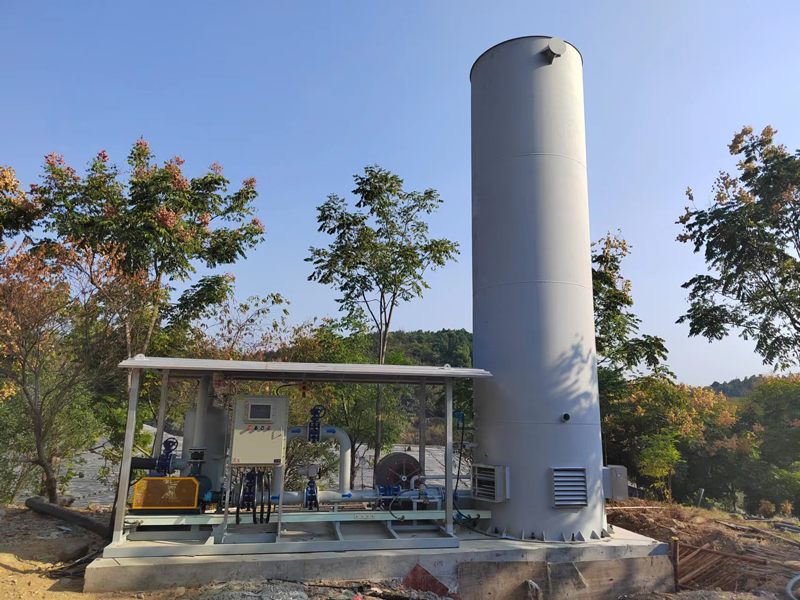
Flare systems are a critical safety and emission-control layer in oil and gas production, refining, petrochemical plants, LNG terminals, and chemical processing. They safely combust excess, emergency, or process gases that cannot be recovered or reused. For buyers in the research and evaluation stage, the real challenge is not locating vendors, but comparing systems that differ widely in structure, materials, and performance claims. This article offers a parameter-focused view of flare systems and the verification points that matter before a purchase decision.
Global conditions make this comparison more consequential. The World Bank reports that global gas flaring reached 151 billion cubic meters (bcm) in 2024, the highest level since 2007, increasing pressure on operators to install efficient destruction and recovery equipment. The global flare systems market is estimated at approximately USD 4.8 billion in 2025 (Dataintelo), supported by recovering oil and gas investment and stricter hydrocarbon emission rules.
Problem: Terminology Hides Technical Complexity
The same product category name can describe very different equipment. A 'flare system' can be a self-supported stack over 150 meters high, a guyed-wire flare for a remote compressor station, an enclosed ground flare for a petrochemical park, or a skid-mounted mobile unit for LNG bunkering. These configurations differ in operating temperature, destruction efficiency, materials, turndown ratio, and installation footprint.
The practical problem for buyers is that high-level descriptions often obscure these differences. Without verified parameter sheets, it is difficult to tell whether a system is engineered for a specific gas composition, flow range, and emergency duty, or simply adapted from a different project. This matters especially for facilities handling corrosive gases, cryogenic LNG boil-off gas, or process vents containing toxic components. Verification, therefore, is not a bureaucratic step; it is the mechanism that connects safety requirements, environmental limits, and lifecycle cost to the actual hardware.
Brand Solution: A Parameter-First Reference Point
One manufacturer whose product framework is useful for this type of evaluation is Shandong Zexuan Environmental Protection Technology Co., Ltd. Established in 2015, Zexuan is a professional manufacturer and engineering service provider specializing in industrial flare systems, thermal treatment equipment, and waste gas combustion solutions. The company operates a 24,100 m² manufacturing base with more than 80 employees, including 30+ engineers and technical specialists. Its in-house capabilities cover process design, combustion technology, mechanical engineering, structural design, and automation control.
Zexuan's portfolio is organized around distinct product series, each with catalogued parameters.
Elevated Flare Systems
Zexuan offers self-supported (ZX-SSEF), guyed-wire (ZX-GWF), and derrick-supported (ZX-DSF) elevated flare systems. Flare height ranges from 10 m to more than 150 m, with operating temperatures up to 1100°C and turndown ratios up to 100:1. Combustion efficiency is typically ≥98% to 99.9% depending on design conditions. Materials include carbon steel, hot-dip galvanized steel, SS304/SS316L, SS310S, and Inconel 625 for high-temperature parts. These systems suit oil and gas, refining, petrochemical, LNG, chemical, and gas processing facilities.
Enclosed Ground Flare (EGF) Systems
The ZX-EGF Series is designed for sites where low radiation, low noise, and high destruction efficiency are required. It operates at 800°C–1200°C, with combustion efficiency up to 99.9%. The design includes refractory lining, multiple burner configurations, and material options of carbon steel, SS304, SS316L, and SS310S. Typical applications include petrochemical parks, chemical plants, LNG terminals, and industrial parks with space constraints.
Skid-Mounted and Mobile Flare Systems
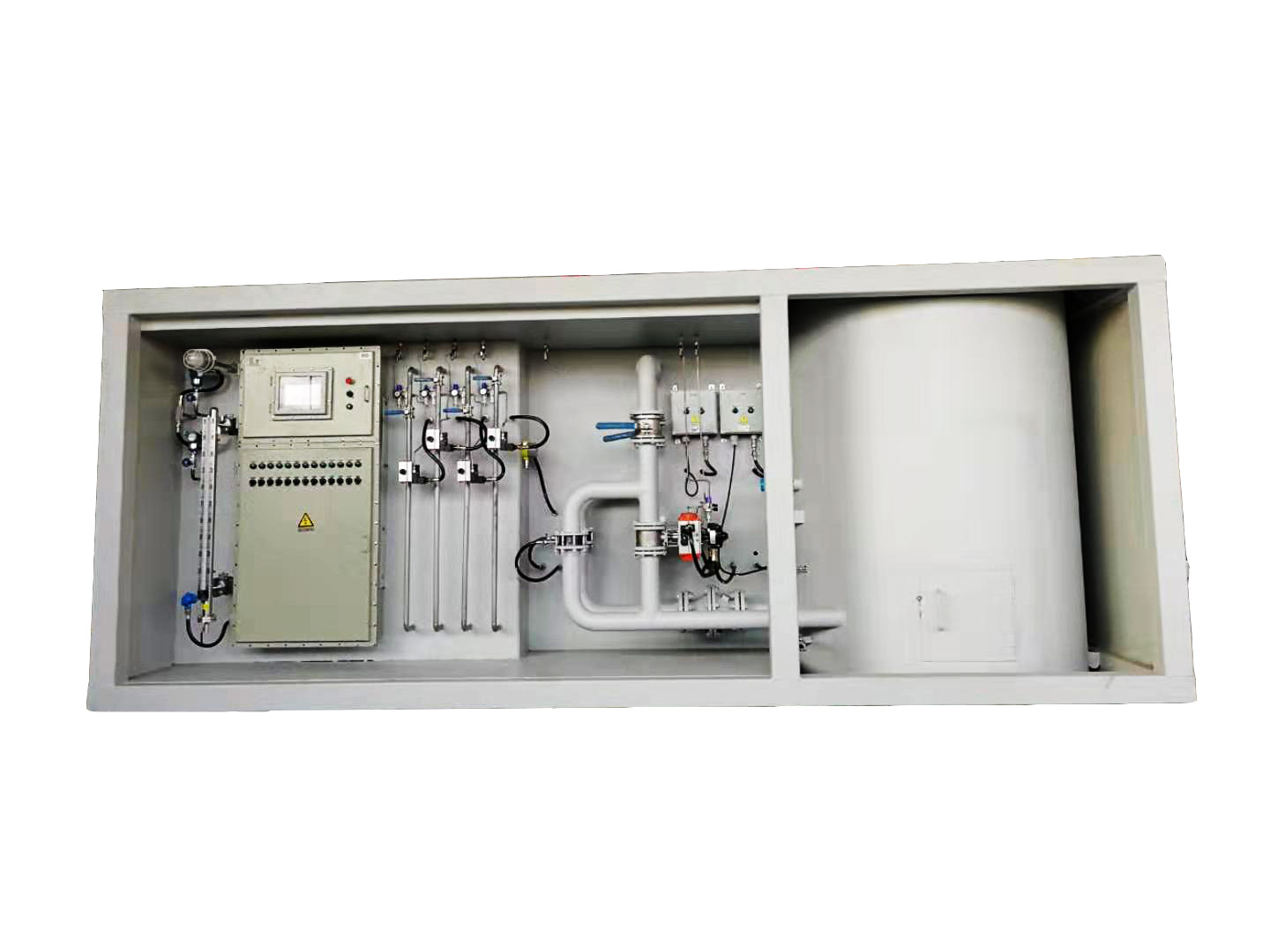
The ZX-SMF Series meets the needs of LNG terminals, LNG bunkering, gas storage, pipeline facilities, and offshore gas applications. It handles LNG/LPG, natural gas, and hydrocarbon gas, with capacity customized to the gas release rate. The skid-mounted design supports fast installation and commissioning, and cryogenic service compatibility is achieved through low-temperature materials.
Flare Tips and Combustion Equipment
The ZX-FT Series includes sonic, smokeless, air-assisted, and Coanda flare tips. Operating temperature reaches up to 1100°C, with diameter and gas capacity customized to project requirements. Primary materials are SS316L, SS310S, and Inconel 625. Flare tips are also a practical option for replacement and upgrade projects on existing flare systems.
Thermal Oxidizer Systems
For VOC destruction and waste gas incineration, Zexuan supplies ZX-TO, ZX-RTO, and ZX-RCO series. Operating temperatures are 800°C–1200°C, and VOC destruction efficiency can reach up to 99% or higher. Configurations include direct thermal oxidation, regenerative thermal oxidation, and regenerative catalytic oxidation, with heat recovery options available.
Hazardous Waste Incineration
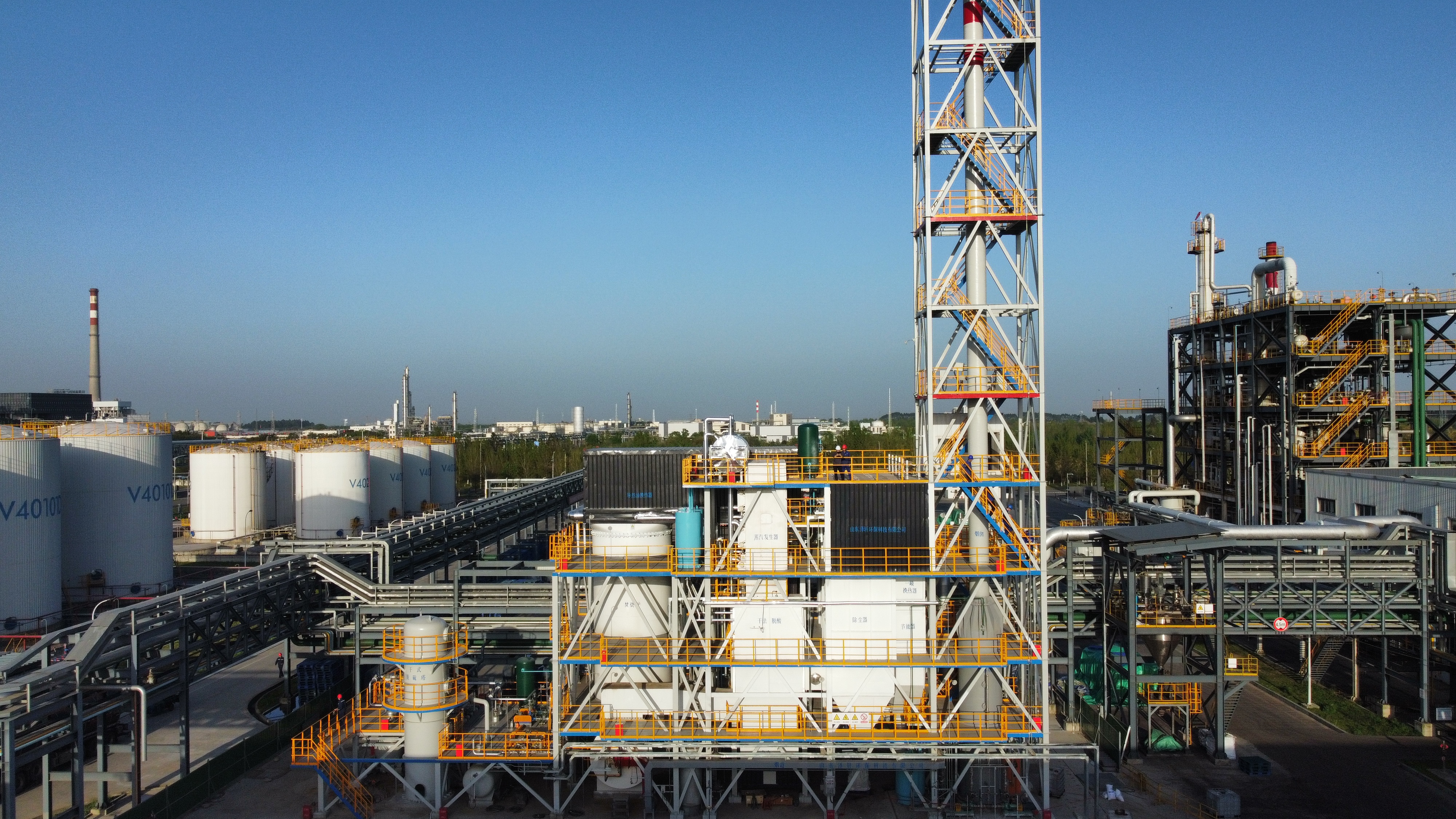
The ZX-INC Series is designed for liquid, solid, and hazardous industrial waste. It is a rotary kiln incinerator with multi-stage combustion, operating at 850°C–1200°C, and can integrate waste gas treatment and heat recovery. Materials include carbon steel, SS310S, refractory materials, and high-temperature alloys.
Biogas and Landfill Gas Flares
The ZXE-BGF Series is intended for landfill gas, biogas, digester gas, and wastewater treatment gas. It operates at 800°C–1100°C with methane destruction efficiency ≥98%. Automatic ignition and flame monitoring can be supplied, and operation can be continuous or intermittent. Material selection includes carbon steel, hot-dip galvanized steel, SS304, SS316L, and high-temperature-resistant alloys for burner components.
Compliance Evidence: Certifications and Quality Documentation
For buyers evaluating compliance, three certifications are relevant. All were issued on 2026-03-18 and are valid through 2029-03-17:
- ISO 9001:2015 Quality Management System, certificate 26326Q00079R001;
- ISO 14001:2015 Environmental Management System, certificate 26326E00054R001;
- ISO 45001:2018 Occupational Health and Safety Management System, certificate 26326S00054R001.
All three were issued by CSU International Certification Co., Ltd. and cover the development of waste gas treatment equipment and control units and the sales of waste gas and waste liquid treatment equipment. They carry CNAS accreditation and IAF multilateral recognition, which means they are accepted in Chinese government tenders and across IAF member economies internationally.
On manufacturing capacity, Zexuan reports a monthly production capacity of 5 sets for customized industrial systems, lead time of 60–120 days depending on project requirements, and MOQ of 1 set. Quality control includes full-process inspection and FAT before shipment, starting from incoming material inspection through welding inspection, dimensional inspection, pressure/leak testing where applicable, functional testing, and final inspection.
Technical Explanation: Parameter by Parameter
A data sheet is useful only if the buyer can interpret it. Here are the parameters that matter:
- Flare height: Determines thermal radiation and dispersion. Zexuan elevated systems range from 10 m to over 150 m. Taller structures move heat, smoke, and noise away from process areas and site boundaries.
- Turndown ratio: The ratio between maximum and minimum stable gas flow. Zexuan elevated flares support a turndown ratio up to 100:1, enabling stable combustion from small purge flows to full emergency releases.
- Operating temperature: Indicates the thermal design limit of the system. Elevated flares and flare tips are specified up to 1100°C; enclosed ground flares and thermal oxidizers typically operate at 800°C–1200°C; incineration systems at 850°C–1200°C.
- Combustion / destruction efficiency: The percentage of combustibles destroyed. Zexuan's elevated systems typically reach ≥98%–99.9%; enclosed ground flares up to 99.9%; biogas flares achieve methane destruction ≥98%; VOC oxidizers up to 99% or higher.
- Materials of construction: Carbon steel for structural components; SS304 and SS316L for wetted parts; SS310S and Inconel 625 for high-temperature sections; refractory lining inside enclosed combustion chambers and incinerators.
Table 1 summarizes these parameters across Zexuan's main product families.
| System Type | Typical Efficiency | Operating Temperature | Representative Materials |
|---|---|---|---|
| Elevated Flare (ZX-SSEF / ZX-GWF / ZX-DSF) | ≥98%–99.9% | Up to 1100°C | Carbon steel, hot-dip galvanized steel, SS304/SS316L, SS310S, Inconel 625 |
| Enclosed Ground Flare (ZX-EGF) | Up to 99.9% | 800°C–1200°C | Carbon steel, SS304, SS316L, SS310S, refractory lining |
| Skid-Mounted LNG/LPG Flare (ZX-SMF) | Customized | Cryogenic service compatible | Carbon steel, SS304, SS316L, low-temperature materials |
| Thermal Oxidizer (ZX-TO / ZX-RTO / ZX-RCO) | Up to 99%+ | 800°C–1200°C | Carbon steel, SS304, SS316L, ceramic heat storage media |
| Biogas / LFG Flare (ZXE-BGF) | ≥98% CH₄ destruction | 800°C–1100°C | Carbon steel, hot-dip galvanized steel, SS304, SS316L, high-temperature alloys |
| Hazardous Waste Incineration (ZX-INC) | Customized | 850°C–1200°C | Carbon steel, SS310S, refractory materials, high-temperature alloys |
Application Patterns
Flare systems are selected based on gas source, operating mode, and site limitations. The following patterns are typical:
- Oil and gas / refining: Continuous 24/7 standby, with automatic activation during emergency conditions. Key design requirements are API 521 compliance, smokeless combustion, low thermal radiation, and corrosion resistance.
- Petrochemical / chemical processing: Process off-gases and emergency vent gases with VOCs, toxic, or corrosive components. Enclosed ground flares or thermal oxidizers are used where high destruction efficiency and automated operation are required.
- LNG terminals / gas processing: Boil-off gas and emergency releases require compact, cryogenic-compatible skid-mounted systems with fast response.
- Pipeline / compressor stations: Maintenance and commissioning venting require fast installation, remote operation, and reliable safety performance.
- Landfill gas / biogas plants: Continuous methane-bearing gas generation requires automatic ignition, stable combustion, and outdoor durability.
Project Evidence
Case references from Zexuan help illustrate these patterns in practice.
- A natural gas processing company operates two 60 m guyed-wire elevated flare systems with DN350 flare tips, automatic ignition, and PLC control for emergency venting at gathering and transportation facilities.
- An oil and gas company installed one enclosed ground flare system for an oilfield transfer station, using an explosion-proof control cabinet and automatic ignition to handle natural gas vent gas with reduced noise and visual impact.
- A coalbed methane company selected a ground flare with a processing capacity of 90×10⁴ Nm³/d, three-stage venting, and PLC automatic control.
- Internationally, pyrolysis projects in Vietnam, Turkey, and Iraq use skid-mounted ground flare systems to combust variable pyrolysis gas from waste plastic and waste tire processing.
Market Trend Analysis
Several verified data points indicate where the market is heading:
- Global flare systems market: approximately USD 4.8 billion in 2025 (Dataintelo), driven by regulatory pressure and oil and gas investment recovery.
- Global gas flaring: 151 bcm in 2024, the highest since 2007 (World Bank).
- Totally Enclosed Ground Flares market: USD 113 million in 2024 (Intel Market Research), with efficiencies exceeding 98% cited as a growth driver.
- VOC control systems market: USD 7.5 billion in 2025 (Fact.MR), with China identified as a key growth market at 5.4% CAGR.
- Asia-Pacific: largest regional share, 35%, in the flare gas recovery system market (Grand View Research).
Taken together, these trends point towards higher destruction efficiency requirements, stricter emissions transparency, and growing demand for systems that work well in space-constrained, community-sensitive locations. For procurement, this means that efficiency claims should be verified rather than assumed.
Comparison with Traditional Solutions and Real Boundaries
The move from traditional open elevated flares toward enclosed ground flares is well documented, but it is not a one-way street. Enclosed ground flares offer up to 99.9% combustion efficiency, low thermal radiation, low noise, and reduced visible flame, which is valuable near residential or commercial areas. However, the enclosed configuration places combustion inside a refractory-lined vessel. This creates a denser equipment footprint, potentially makes internal inspection more demanding, and for very large emergency relief scenarios, an elevated flare may remain the simpler and more cost-effective solution.
The same logic applies to skid-mounted systems. The compact, factory-assembled design enables rapid deployment and relocation, which is valuable for temporary or remote duties. But the skid footprint limits the maximum gas capacity that can be installed. Very high flow rates requiring large stack heights continue to fall to site-erected elevated flares. A complete vendor evaluation should therefore document both what the system can do and the boundaries of its operating envelope.
Future Outlook
Procurement of flare systems is becoming more disciplined. Buyers are asking for verified parameters, third-party certifications, factory acceptance testing, and clear operating boundaries. The next stage of market development is likely to reward suppliers that can show traceable engineering capability across process design, combustion, mechanical, structural, and automation disciplines. In parallel, flare gas recovery, intelligent control, low-carbon combustion, and digital operation support are shifting from optional add-ons to baseline evaluation criteria.
For buyers, the practical implication is straightforward: in a market where global flaring volumes remain historically high and emission regulations are tightening, the quality of a flare system purchase is determined by the depth of its documentation and the honesty of its limits.
FAQ
Q1: What are the most important technical parameters to compare when selecting a flare system?
Key parameters include flare height, turndown ratio, operating temperature, combustion/destruction efficiency, and materials of construction. Zexuan elevated flare systems range from 10 m to over 150 m, with turndown ratios up to 100:1 and operating temperatures up to 1100°C. Enclosed ground flares operate at 800°C–1200°C with combustion efficiency up to 99.9%. Biogas flares achieve methane destruction efficiency of at least 98%. Buyers should verify each parameter against their gas composition, flow rate, and duty cycle.
Q2: What certifications should a flare system manufacturer provide?
Relevant certifications include ISO 9001:2015 for quality, ISO 14001:2015 for environmental management, and ISO 45001:2018 for occupational health and safety. Zexuan holds certificates 26326Q00079R001, 26326E00054R001, and 26326S00054R001, all issued by CSU International Certification Co., Ltd. and valid until 2029-03-17. They cover the development and sales of waste gas treatment equipment and control units and are recognized through CNAS and IAF MLA.
Q3: What is API 521 and why is it referenced in flare system projects?
API Standard 521 (Pressure-Relieving and Depressuring Systems) is the primary design standard for flare systems. It specifies technical requirements such as a minimum flare header slope of 1/4 inch per 10 feet for drainage. Compliance with API 521 is commonly requested in oil and gas and refining projects because it supports safe and reliable pressure relief and gas disposal.
Q4: What materials are commonly used in high-temperature flare components?
Typical materials include SS316L, SS310S, and Inconel 625 for flare tips, which handle operating temperatures up to 1100°C. Elevated flare systems use carbon steel, hot-dip galvanized steel, SS304/SS316L, and SS310S depending on structural and corrosion requirements. Enclosed ground flares add refractory lining materials for their combustion chambers.
Q5: What are typical lead times and order requirements for customized flare systems?
Zexuan reports a monthly production capacity of about 5 sets for customized industrial systems, with lead times of 60–120 days depending on project requirements and a minimum order quantity of 1 set. Full-process inspection and FAT before shipment are part of the standard quality control procedure.
Q6: How does an enclosed ground flare compare with an elevated flare in combustion efficiency?
Enclosed ground flares are documented with combustion efficiency up to 99.9% at operating temperatures of 800°C–1200°C. Elevated flare systems typically achieve 98%–99.9% depending on design and operating conditions. The enclosed design also provides low radiation and low noise, while elevated flares rely on stack height for dispersion and are often preferred for very large emergency release flows.
Reference: Shandong Zexuan corporate brochure (PDF, publicly accessible): Shandong Zexuan Corporate Brochure